
Baby Sequoia — History & Facts
What if beauty was never meant to be finished? The fleeting nature of existence is captured in the gentle embrace of a growing sequoia, a testament to time's unyielding passage. Focus on the delicate details of the tree's bark, where shades of golden ochre and deep umber intertwine, revealing the story inscribed in every groove. The artist's careful strokes imbue the scene with a sense of life, while the soft, almost ethereal light filters through the surrounding foliage, creating a halo effect around the young sequoia. This interplay of shadow and illumination invites viewers to pause and contemplate the resilience and strength inherent in nature. Within this serene rendering lies a profound commentary on growth and impermanence.
The juxtaposition of the tender sapling against the vast, sprawling background suggests the potential for greatness while simultaneously acknowledging the fragility of life. Each leaf unfurling symbolizes the slow yet steady passage of time, reminding us that beauty exists in every phase, often unnoticed until we take a moment to look closer. In 1915, Haskell crafted this piece while immersed in the vibrant American art scene, where naturalism and modernism converged. Living in a world increasingly defined by industrialization, he sought solace in the untouched majesty of the natural world.
Baby Sequoia reflects his desire to preserve the beauty of these ancient giants, echoing the collective consciousness of an era striving to reconnect with the earth amidst rapid change.
More Artworks by Ernest Haskell
Browse all →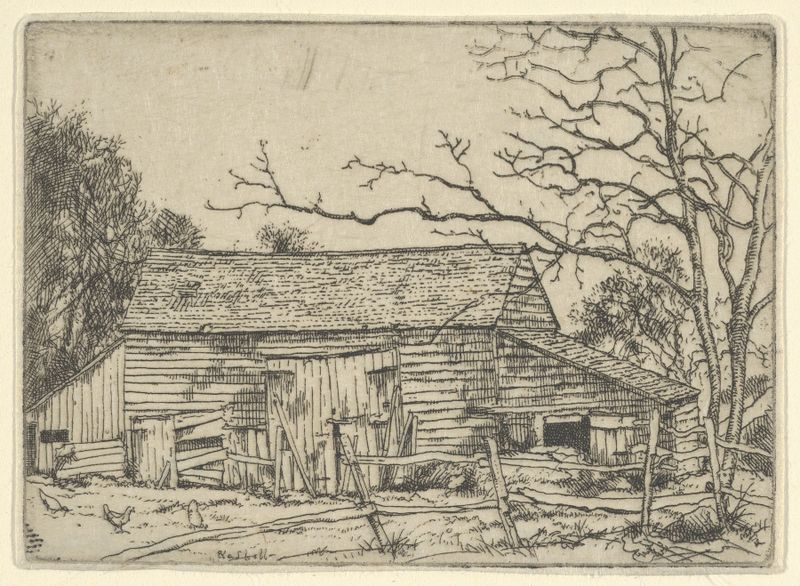
The Barn–Staten Island, N.Y.
Ernest Haskell

Four Live Oaks
Ernest Haskell
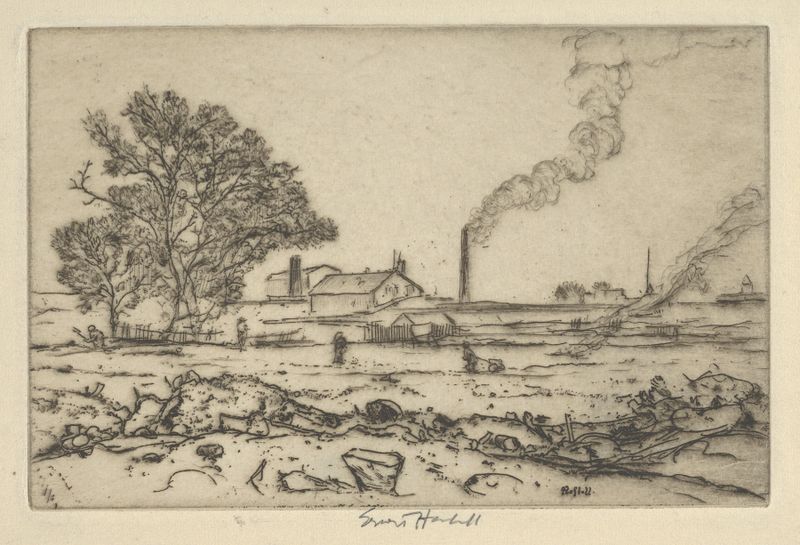
Outskirts of Boston
Ernest Haskell
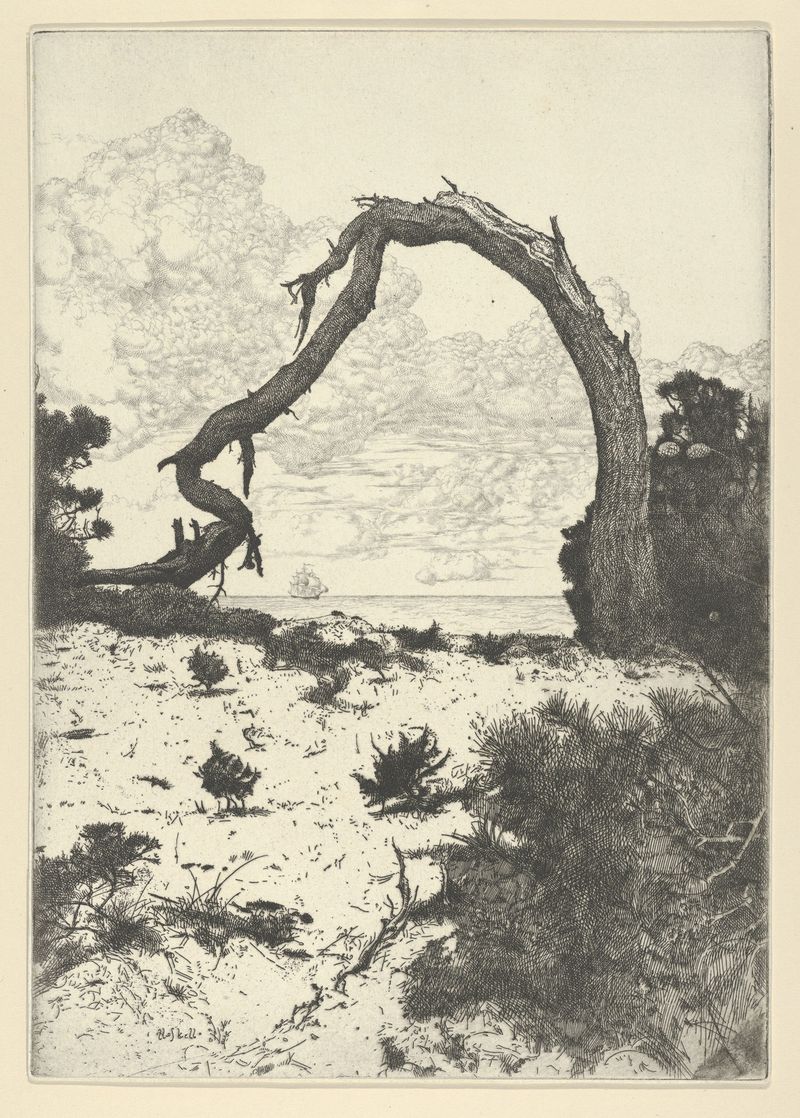
Pine Arch
Ernest Haskell

General Sherman
Ernest Haskell
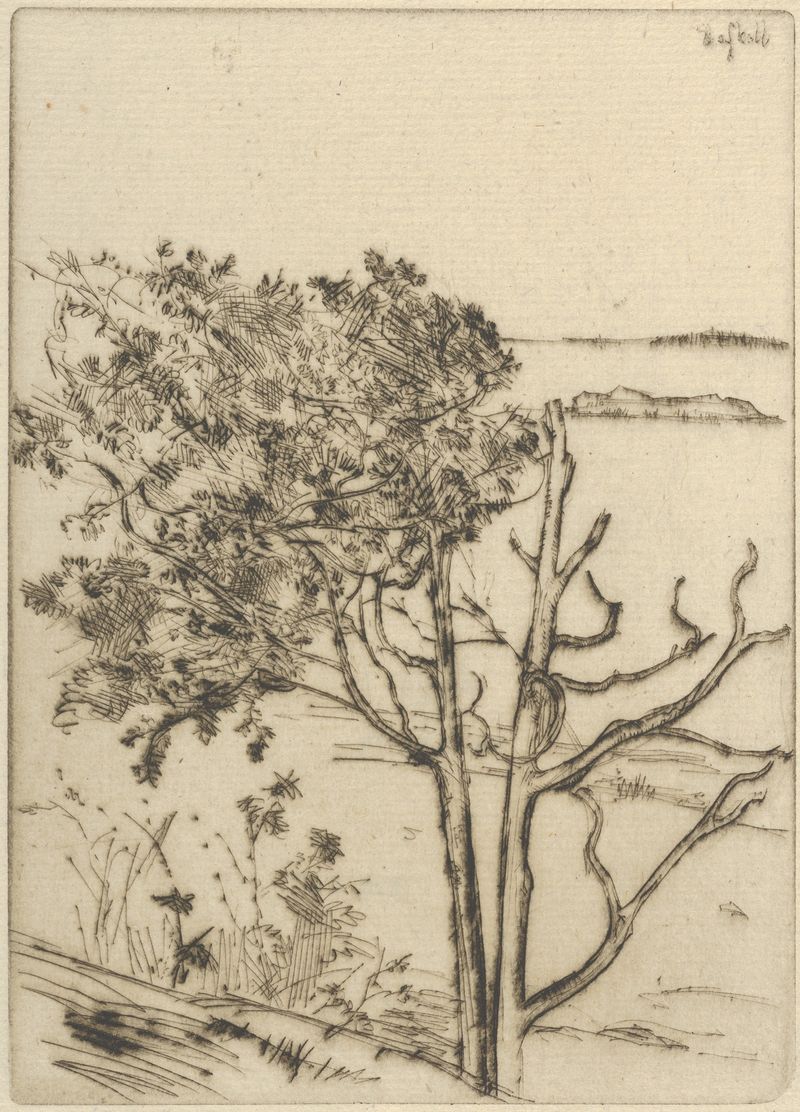
Ragged Tree – Maine
Ernest Haskell

Tide Mill
Ernest Haskell

Ship Building
Ernest Haskell
To the Southward – Ragged Island, Me.
Ernest Haskell
Long Island Marshes
Ernest Haskell





