Backyard — History & Facts
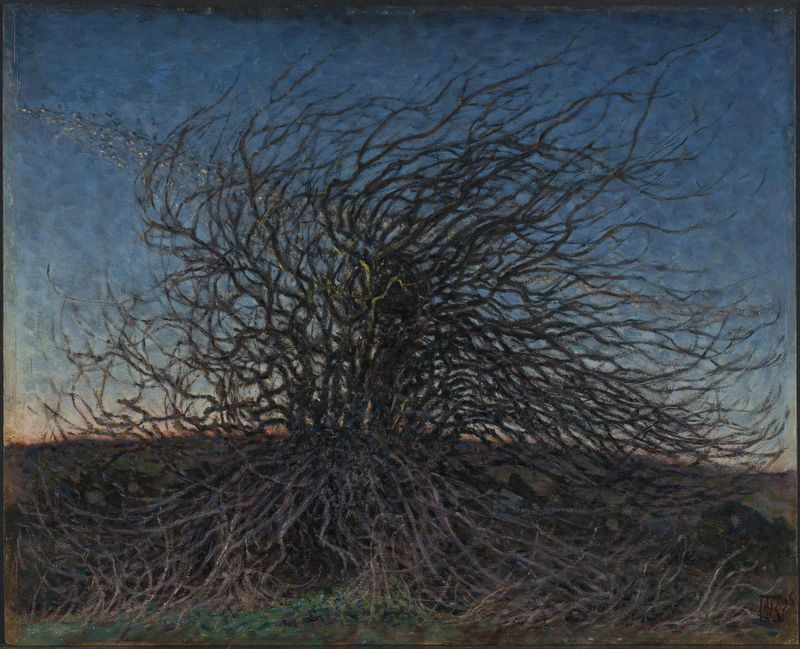
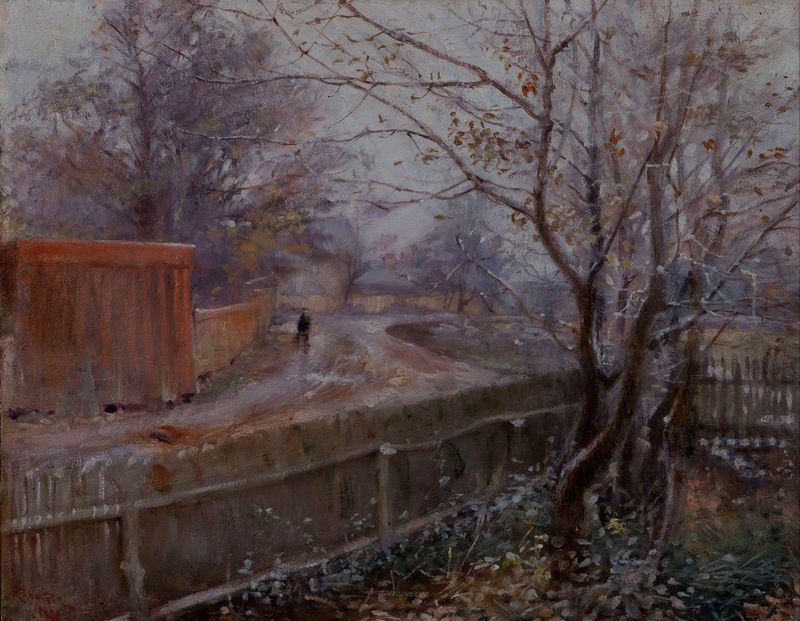
In the stillness of a quiet backyard, where the shadow of a looming tree stretches across the ground, there lies an unsettling tension. The beauty of the scenery is laced with an undercurrent of fear, as if the tranquility might shatter at any moment, revealing the unknown beneath the surface. Look to the foreground, where the soft strokes of greens and browns create an inviting yet ominous atmosphere. Notice how the dappled light falls upon the grass, illuminating patches of wildflowers while casting darker corners into shadow.
The composition draws the eye to the delicate interplay between light and dark, inviting contemplation of what lies beyond the visible. Kreuger's technique, with its impressionistic style, captures a fleeting moment, allowing the viewer to feel both comfort and unease simultaneously. Amidst the vibrant portrayal of nature, subtle details emerge: a half-hidden path that beckons yet warns, and the looming height of the trees that can shelter or ensnare. This duality reflects a human experience—finding beauty in the familiar while being aware of the lurking uncertainties.
The emotional tension is palpable, suggesting that every safe haven can also hold its secrets. In 1892, Kreuger was integrating into the artistic movements of his time, drawing from his Swedish roots while embracing the impressionist trends flooding Europe. He painted Backyard during a period of personal exploration, where he sought to balance his artistic identity with the changing landscape of societal expectations. This work presents a rich tapestry of both serenity and anxiety, framing a timeless reflection on the fears we harbor in the safety of our own domains.