
Baders bij antiek monument in bergachtig landschap — History & Facts
Did the painter know this moment would outlive them? As time sweeps past, the fragile beauty of a fleeting scene remains embedded in canvas, whispering of mortality and existence. Look to the left at the monumental ruins that rise majestically from the rugged terrain. The faded grandeur of the ancient structure contrasts with the gentle undulations of the surrounding mountains, while the muted palette of greens and browns adds an air of timelessness. Notice how the brushstrokes create a textured interplay of light and shadow, highlighting the eroded stones that seem to cradle the weight of history itself.
Each detail, from the scattered remnants to the distant peaks, guides the viewer’s gaze, inviting reflection on what endures and what fades. Within this landscape, there exist tensions between the eternal and the ephemeral. The juxtaposition of the weathered monument against the serene backdrop suggests a dialogue between man’s creations and nature’s relentless passage. The figures, small and almost insignificant against the vastness of the scene, evoke a sense of humility in the face of time, reminding us that while moments may be fleeting, their imprint can be everlasting. During the years between 1706 and 1759, Jacob van Liender painted this work amidst a period marked by a burgeoning interest in landscapes and historical themes in the Netherlands.
As baroque influences began to wane, artists like him sought to capture not just beauty but also the poignancy of time’s effects. This painting reflects a transition in artistic focus, where the interplay of light, landscape, and legacy became central to the evolving narrative of art.
More Artworks by Jacob van Liender
Browse all →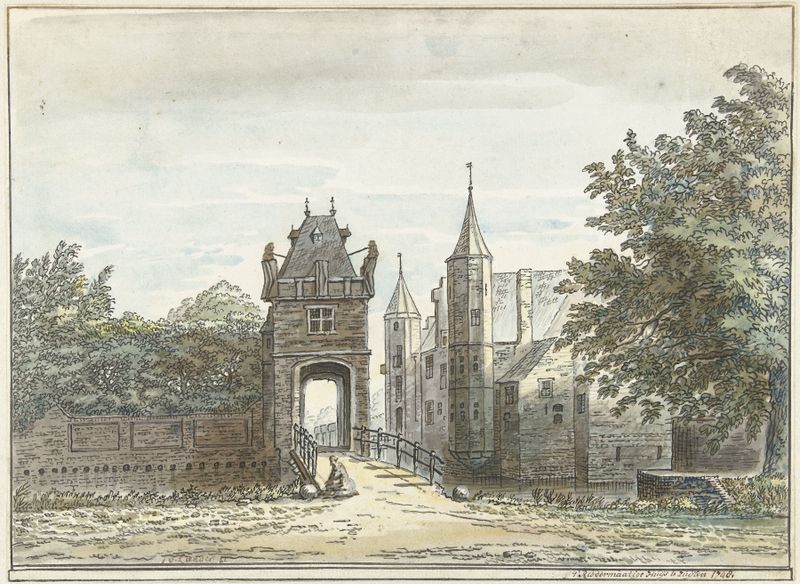
Het Huis te Zuylen
Jacob van Liender
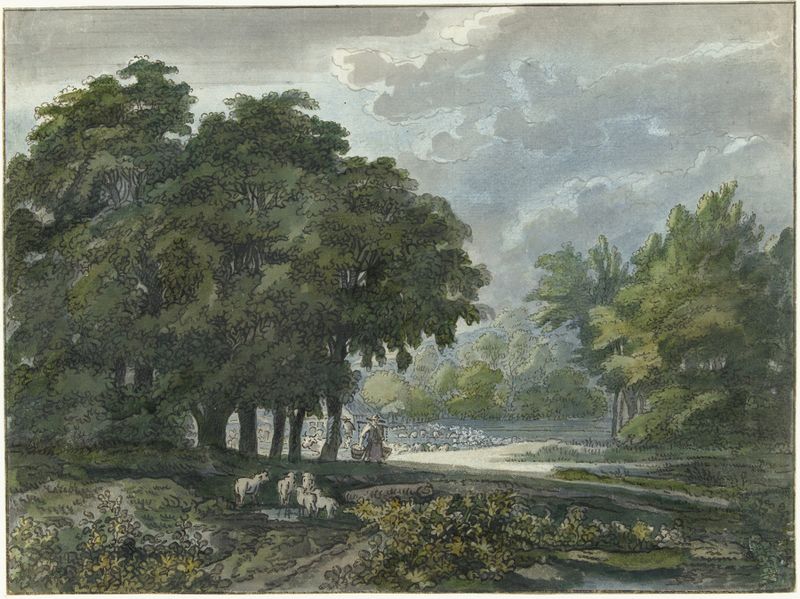
Herders met kudde in bosrijk landschap
Jacob van Liender

Arcadisch landschap met een rustende man bij het water
Jacob van Liender
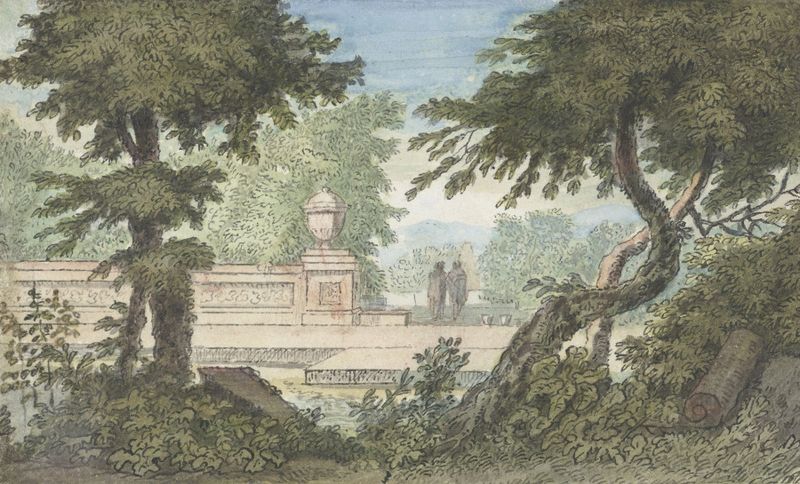
Arcadisch landschap
Jacob van Liender
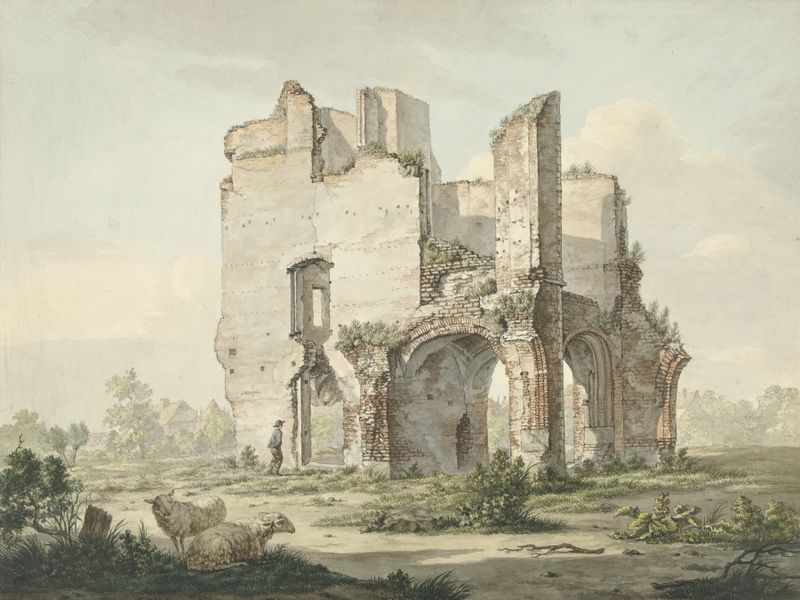
De ruïne van de Abdij van Rijnsburg
Jacob van Liender

Aan de Stadt Muur tot Utrecht
Jacob van Liender

Het afbreken van de ruïne van de Abdij van Rijnsburg
Jacob van Liender

Landschap met schapen
Jacob van Liender
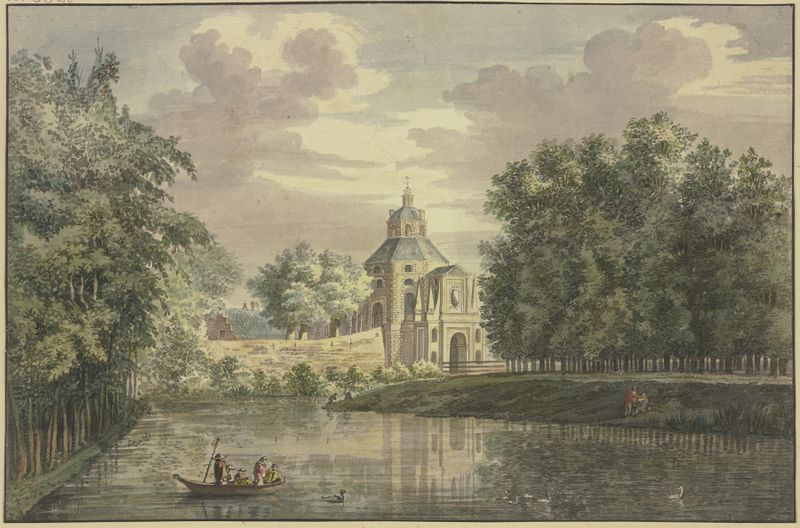
Tor zu Utrecht mit einem Teil der Promenade
Jacob van Liender
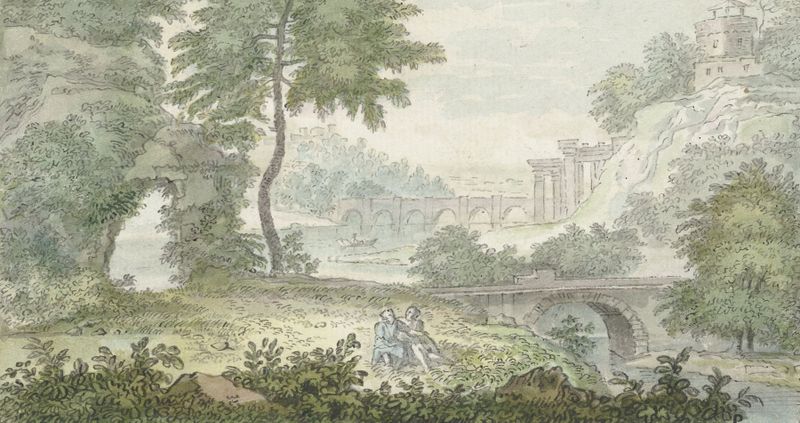
Italiaans landschap
Jacob van Liender





