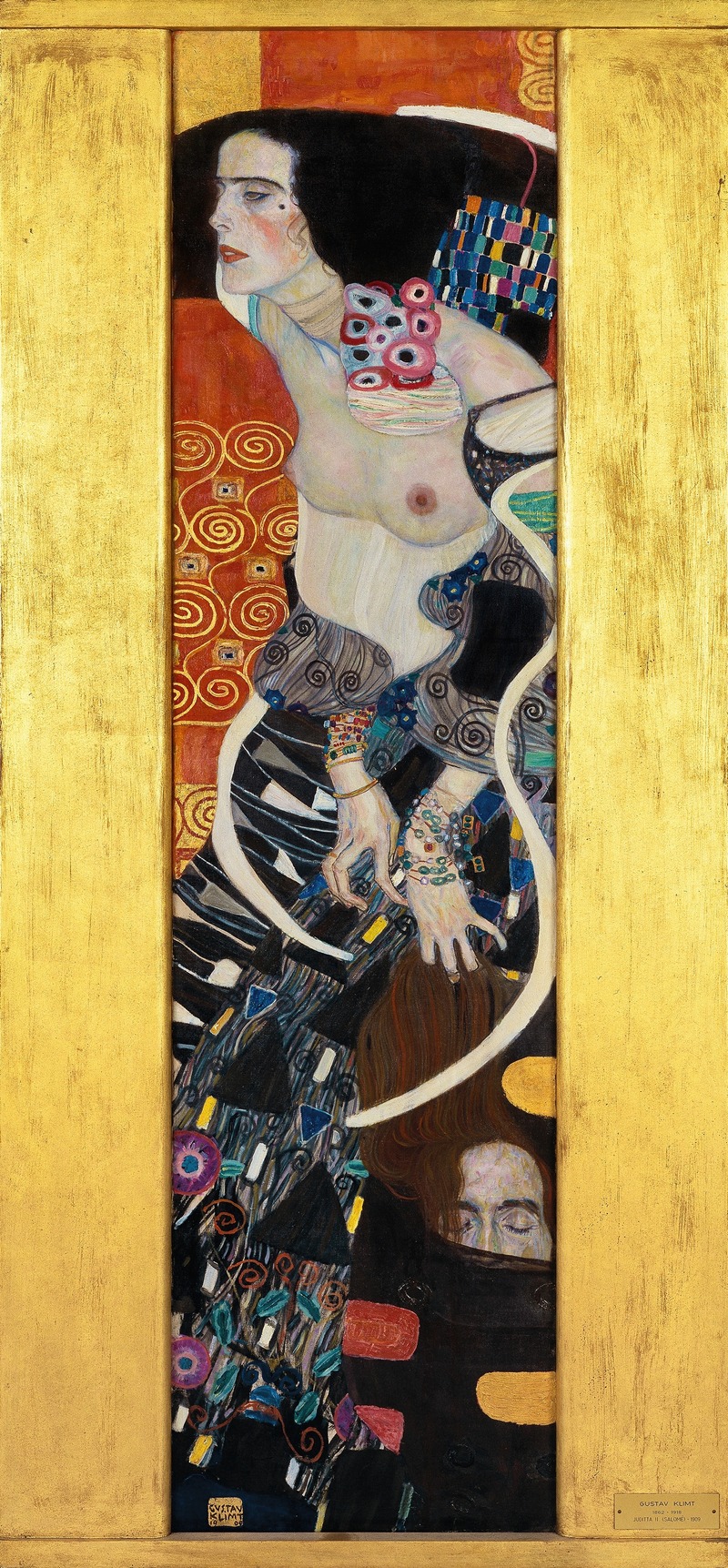
Discover insights about this artwork
Baigneurs — History & Facts
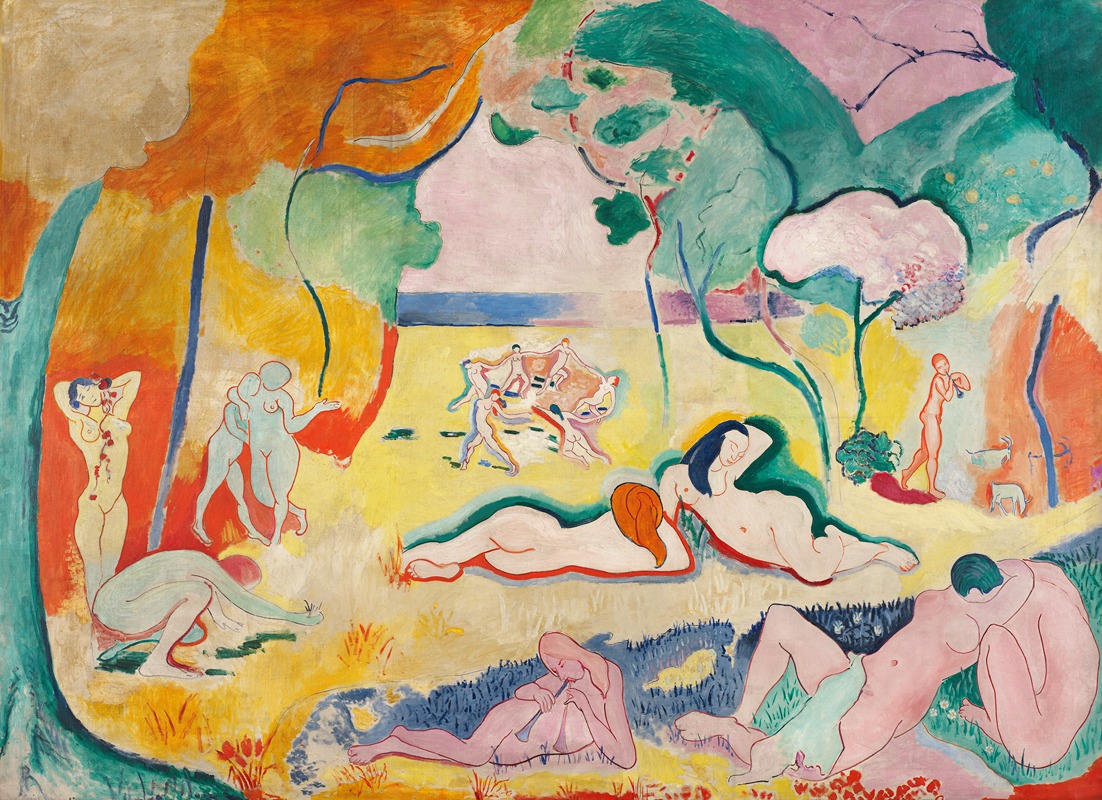
In Baigneurs, Paul Cézanne presents a lively scene of bathers enjoying a sunny day. The figures are depicted in various poses, some lounging and others interacting, set against a backdrop of lush greenery. The colors are vibrant, with rich greens and blues dominating the composition.
The use of light adds a warm atmosphere, inviting viewers into this serene moment. Cézanne employs oil on canvas to create this work, showcasing his characteristic brushstrokes and color palette. The painting is approximately 90 x 73 cm, allowing for a detailed representation of the figures and their surroundings. The layering of paint creates texture, enhancing the visual depth of the scene.
This technique is a hallmark of Cézanne's style, merging form with color. Paul Cézanne, a key figure in the transition from Impressionism to Post-Impressionism, painted Baigneurs in the 1890s. This work reflects his interest in the human figure within nature, a recurring theme in his oeuvre. Interestingly, Cézanne often painted multiple versions of the same subject, refining his approach each time.
Baigneurs exemplifies his innovative exploration of perspective and form.
More Artworks by Paul Cézanne
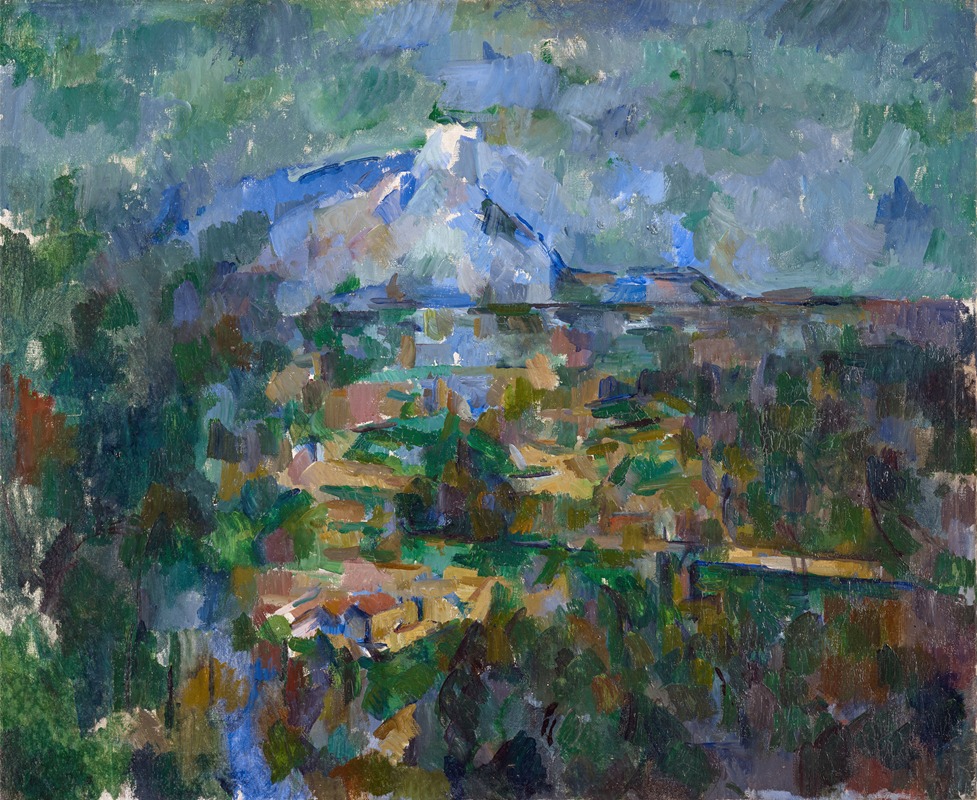
The Mont Sainte-Victoire Seen From Les Lauves
Paul Cézanne
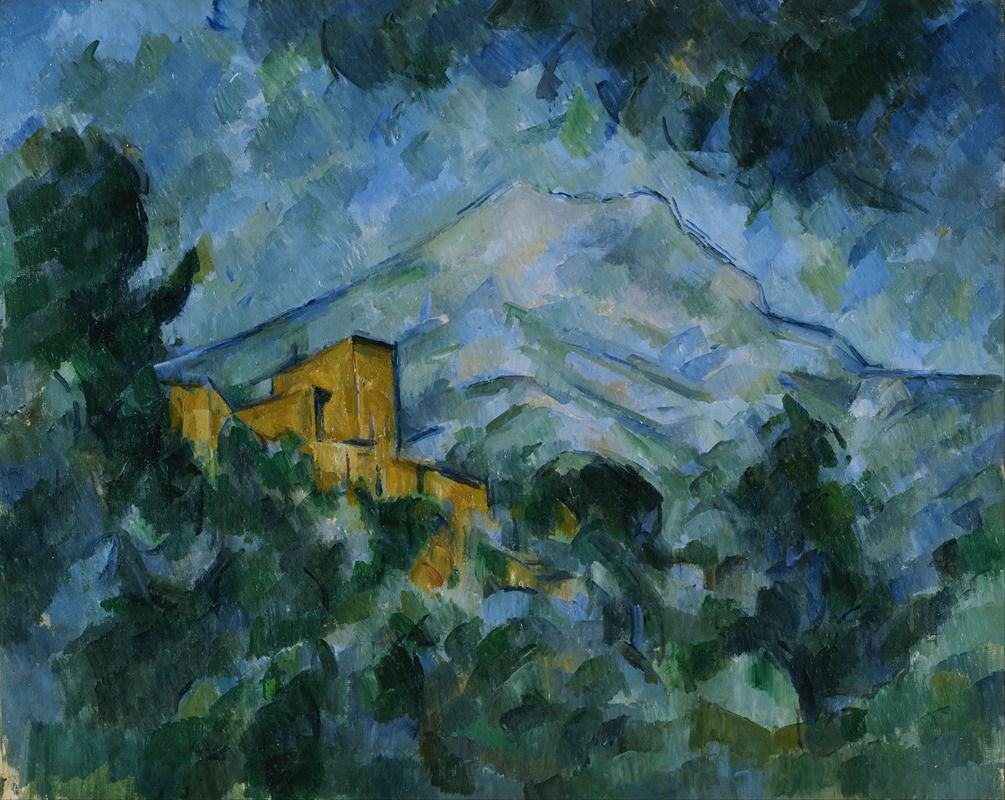
Mont Sainte-Victoire and Château Noir
Paul Cézanne
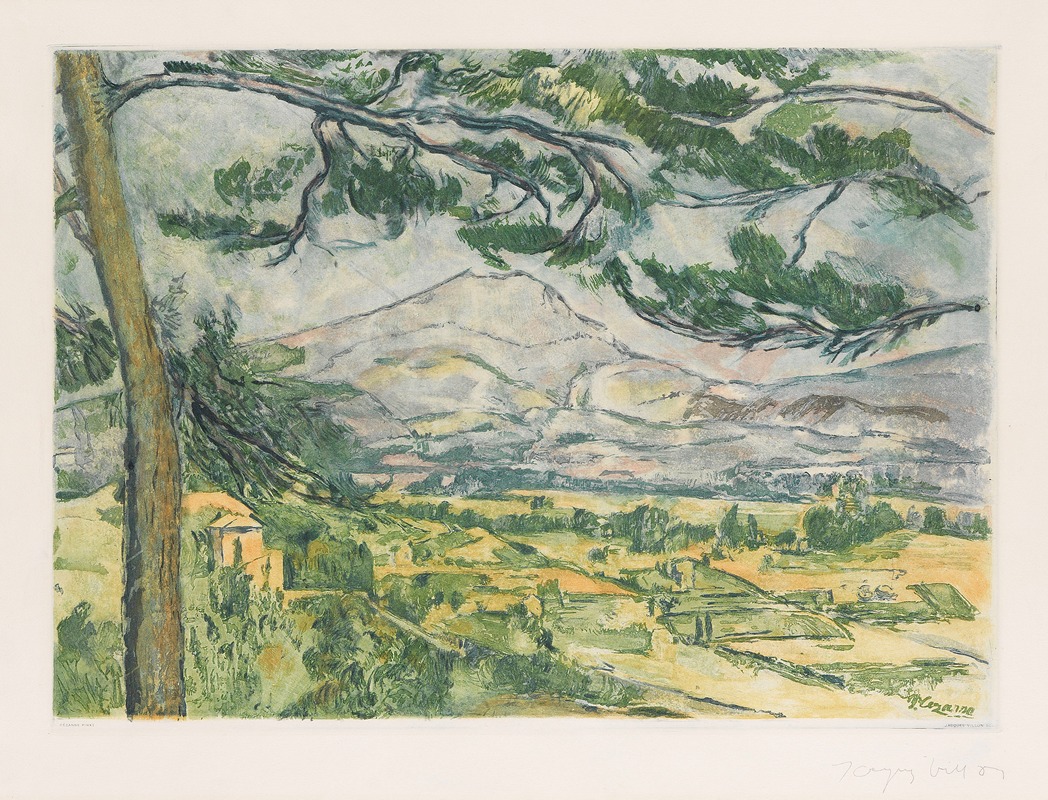
La Montagne Sainte-Victoire
Paul Cézanne
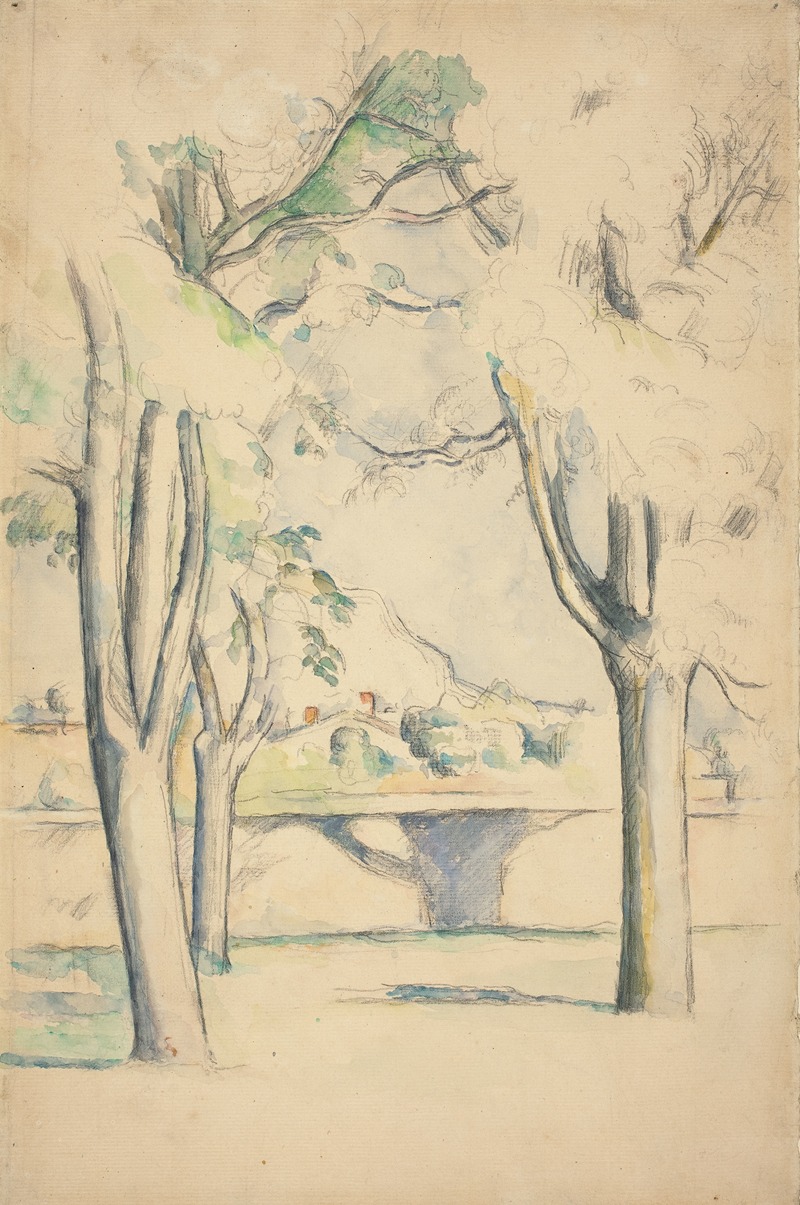
Mont Sainte-Victoire Seen beyond the Wall of the Jas de Bouffan
Paul Cézanne
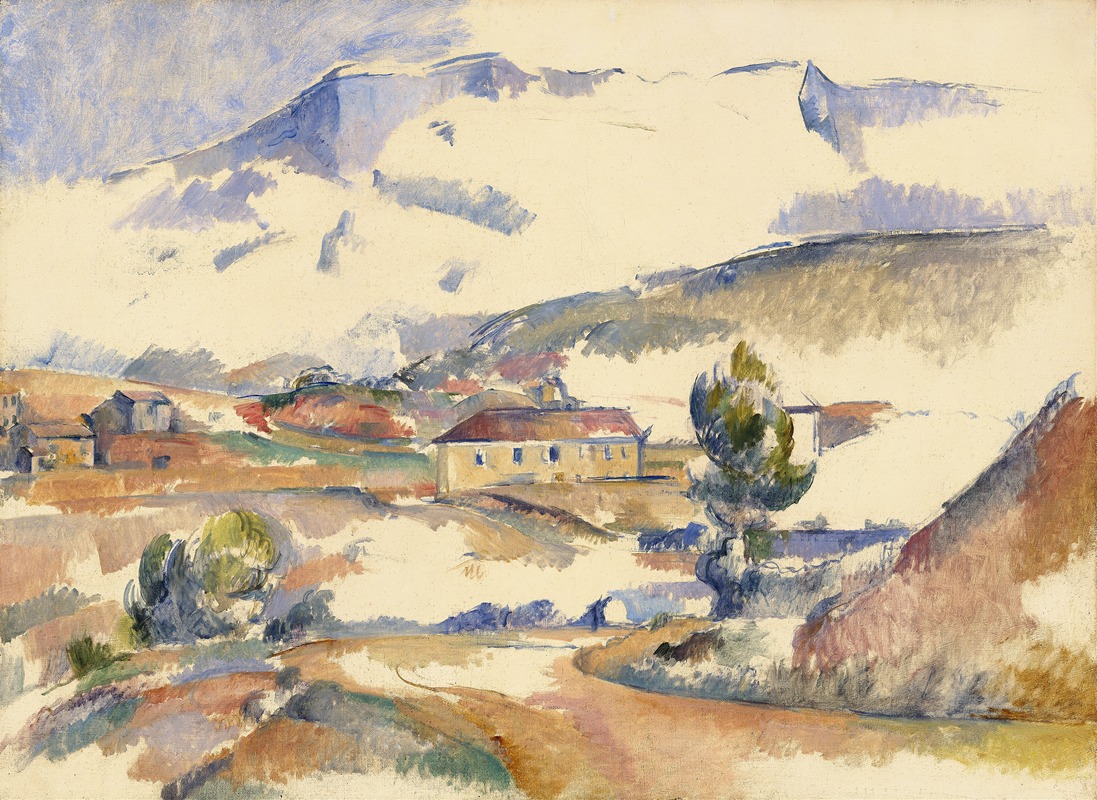
Montagne Sainte-Victoire,from near Gardanne
Paul Cézanne
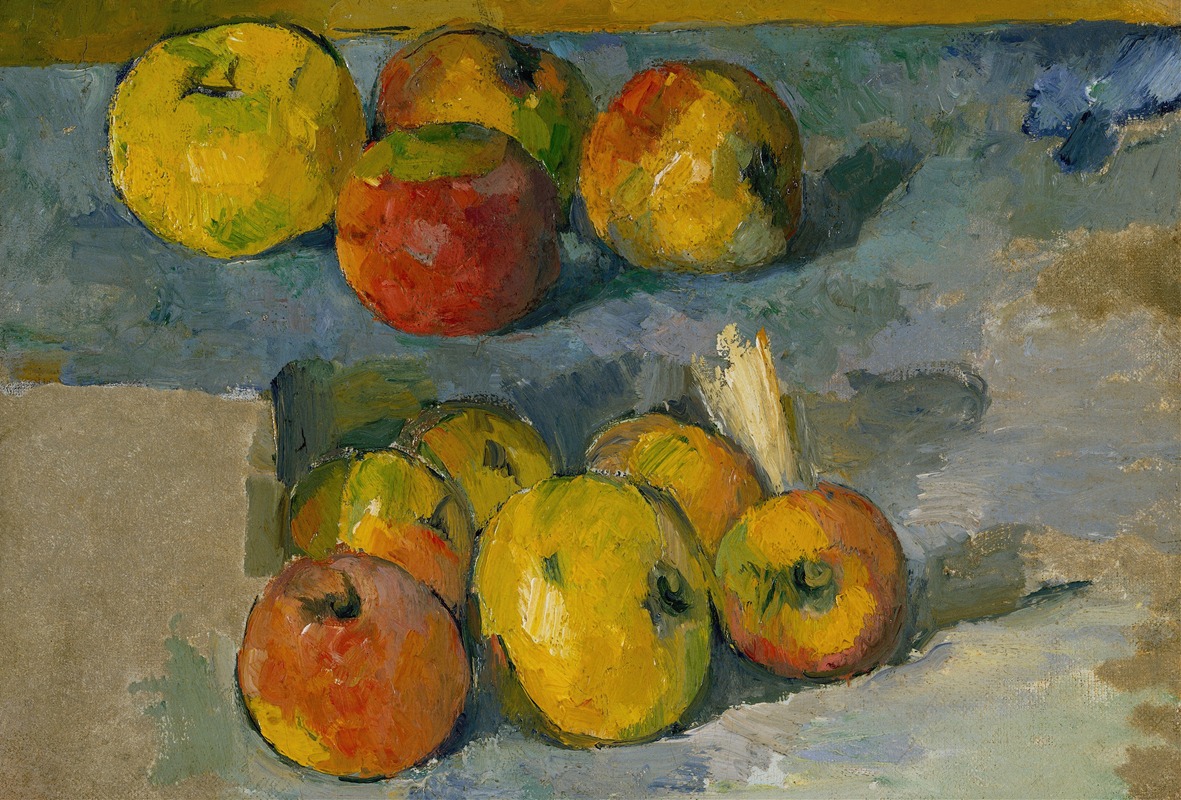
Apples
Paul Cézanne
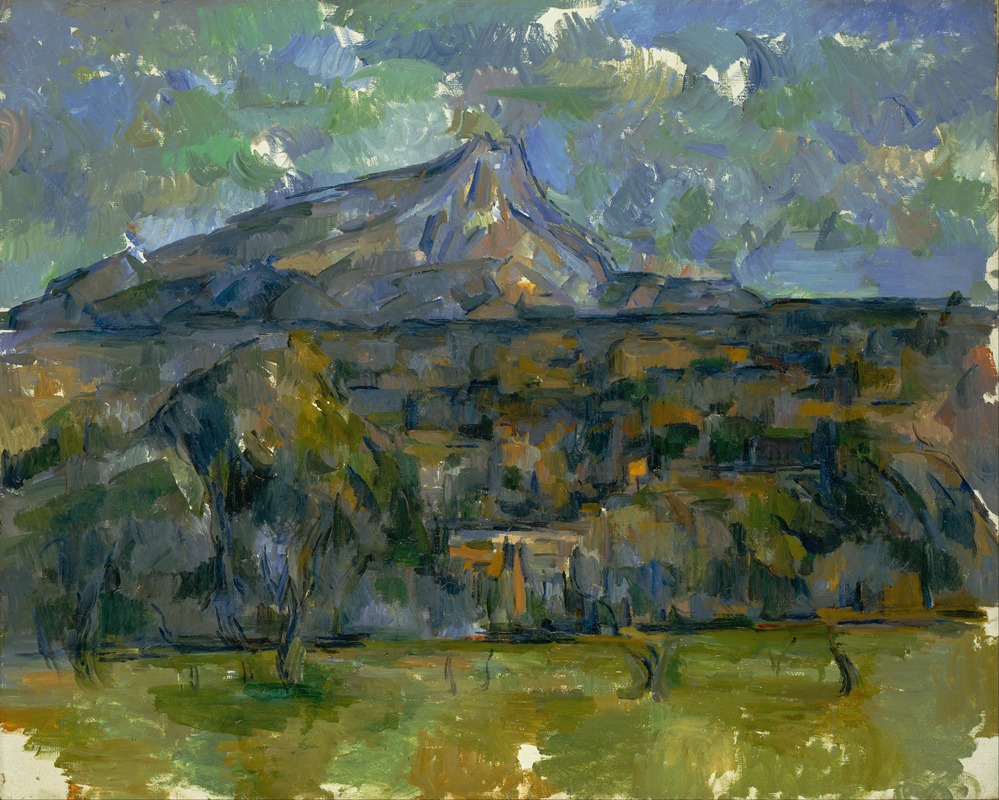
Mont Sainte-Victoire
Paul Cézanne
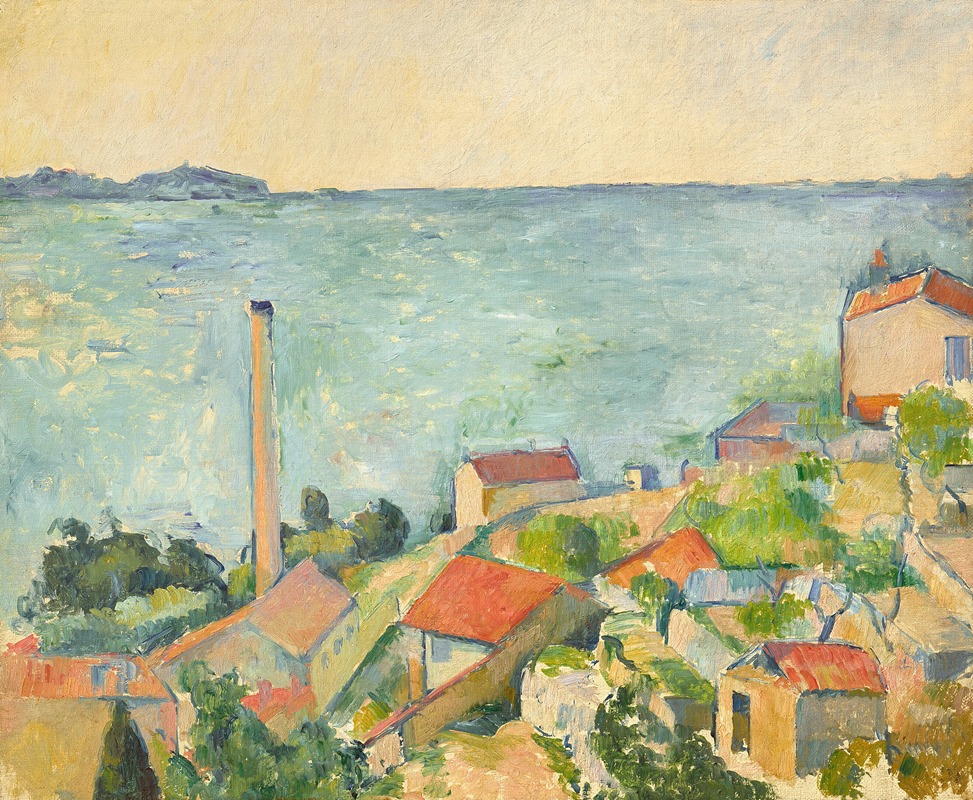
La mer à l’Estaque
Paul Cézanne
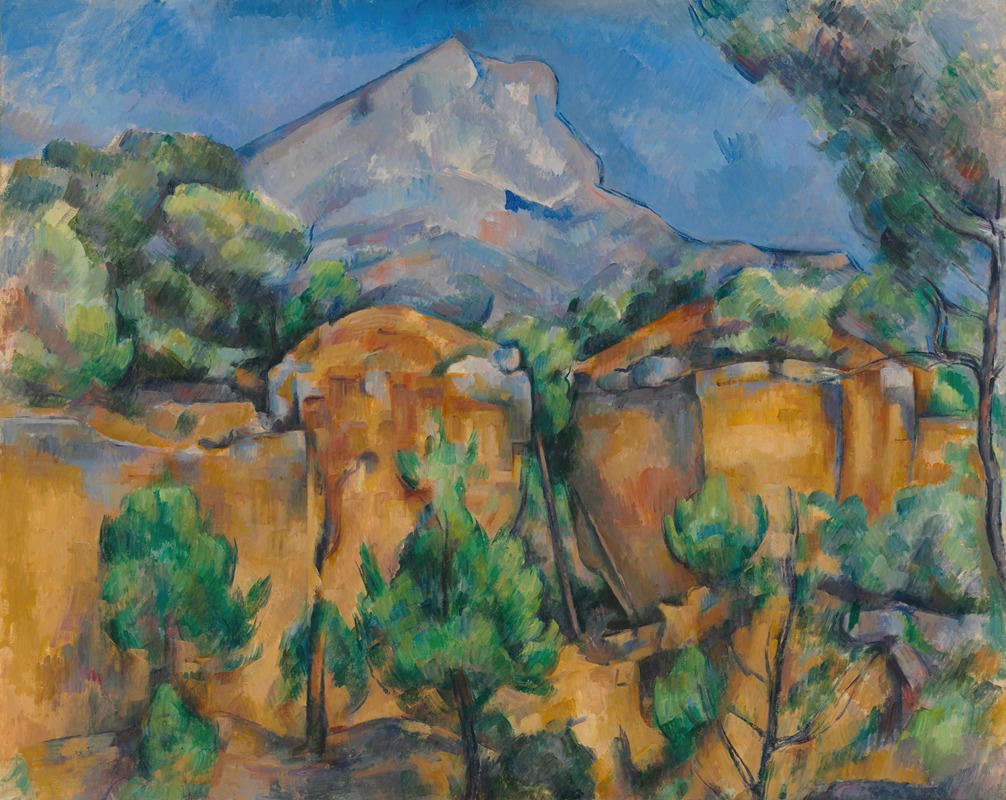
La Montagne Sainte-Victoire vue de la carrière Bibémus
Paul Cézanne
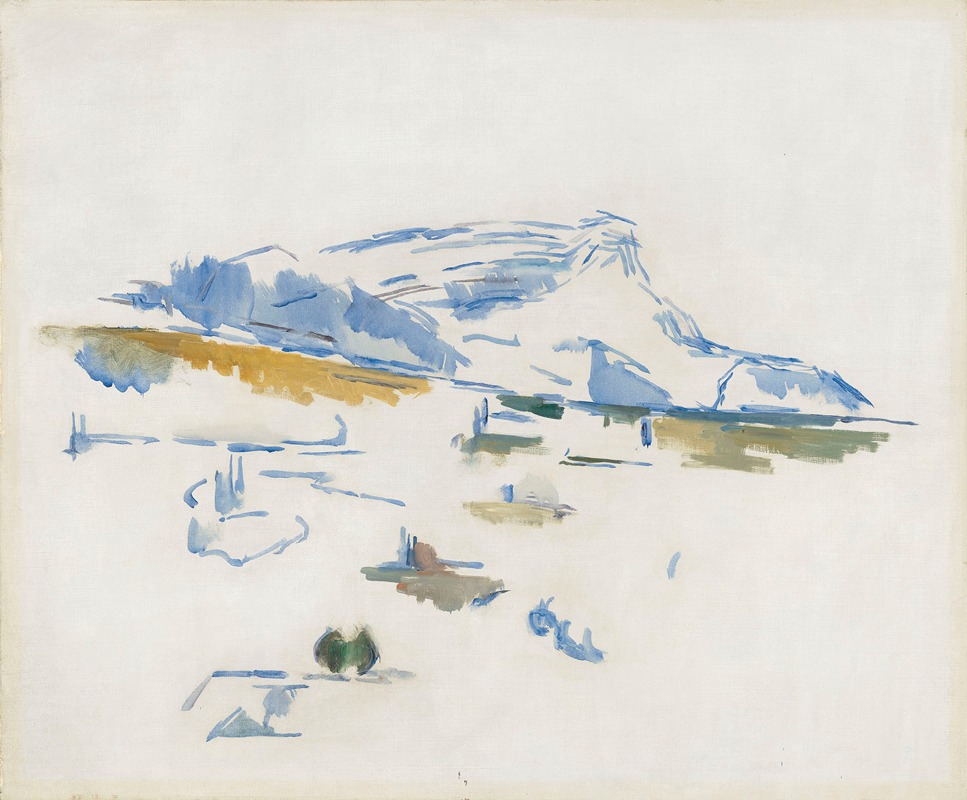
La Montagne Sainte-Victoire vue des Lauves
Paul Cézanne