
Barbakan — History & Facts
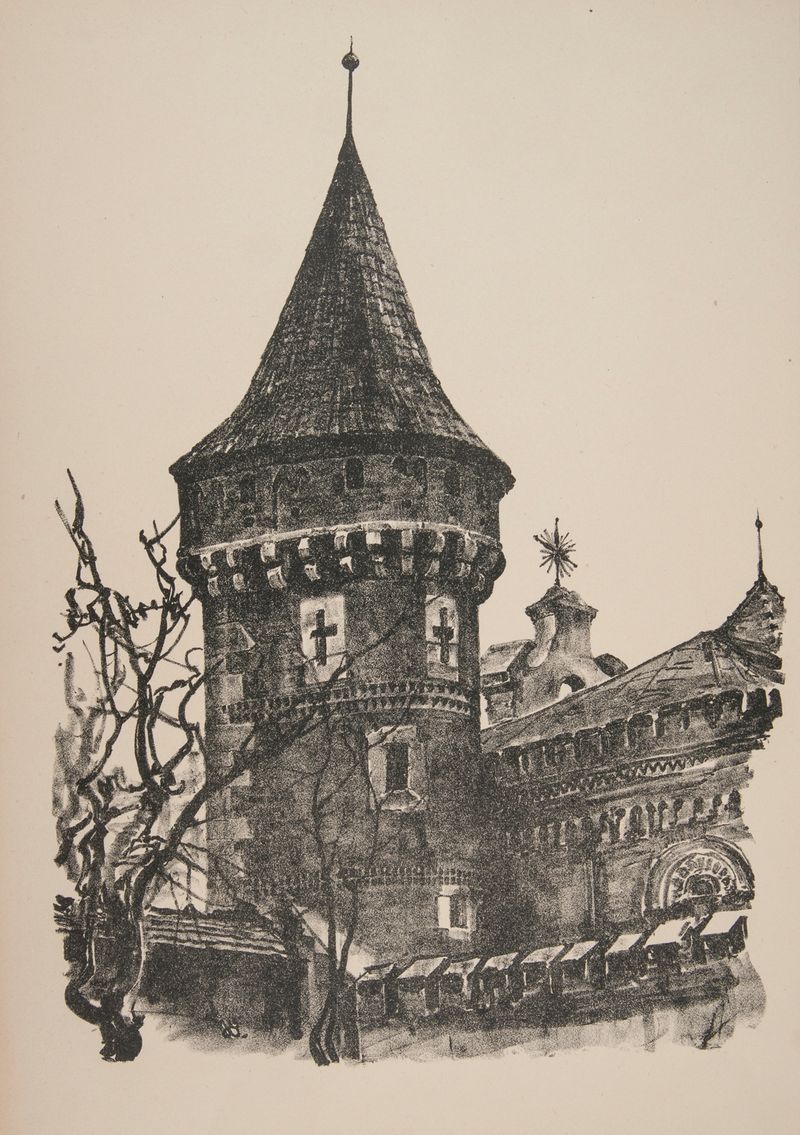
Could beauty survive in a century of chaos? This poignant question reverberates through the layers of transformation embodied in Barbakan. The painting transcends time, inviting us to explore the duality of destruction and resilience, of decay and rebirth. Look to the left at the crumbling architecture, a testament to history's relentless march forward. In contrast, the vibrant colors—a mix of earthy browns and verdant greens—breathe life into the ruins, suggesting that nature, in its tenacity, is reclaiming what was once monumental.
The artist's keen eye for detail is evident in the textures of the weathered stone and the lively foliage, skillfully juxtaposed to create a dialogue between past and present. The light, soft and diffuse, wraps around the scene, revealing hidden corners and inviting contemplation. Within this delicate balance lies a profound commentary on transformation. The ruins symbolize a past, a memory that persists even as life moves on, while the encroaching greenery signifies hope and renewal.
This interplay sparks a silent conversation about what it means to rebuild and redefine beauty amidst the remnants of chaos. The painting resonates deeply with the viewer, evoking feelings of nostalgia intertwined with an appreciation for resilience. Created during 1925-1926, this work emerged as Jan Kanty Gumowski navigated a changing artistic landscape in post-World War I Europe. Artists were grappling with the ramifications of conflict, and many sought new directions that distanced them from the remnants of the past.
In this context, Barbakan serves as a powerful reflection on both the scars of history and the potential for transformation, capturing a moment when art became a vessel for healing and reflection.
More Artworks by Jan Kanty Gumowski
Browse all →
Dziedziniec Zamku królewskiego na Wawelu
Jan Kanty Gumowski
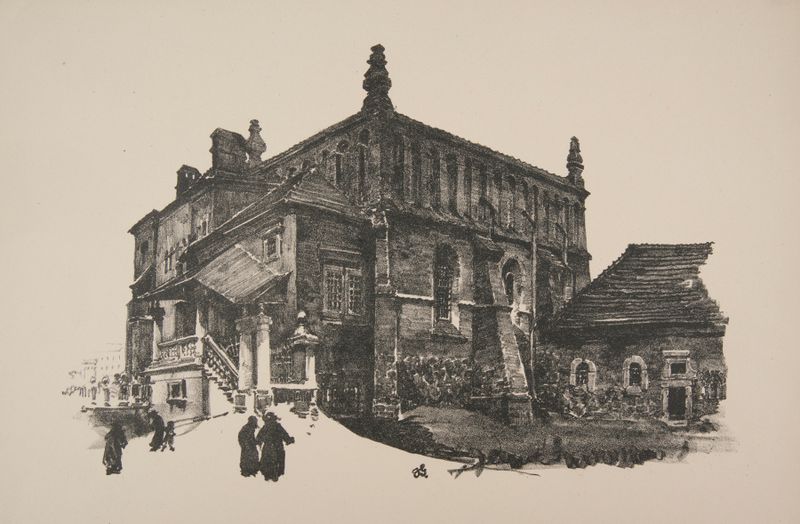
Stara synagoga na Kazimierzu
Jan Kanty Gumowski
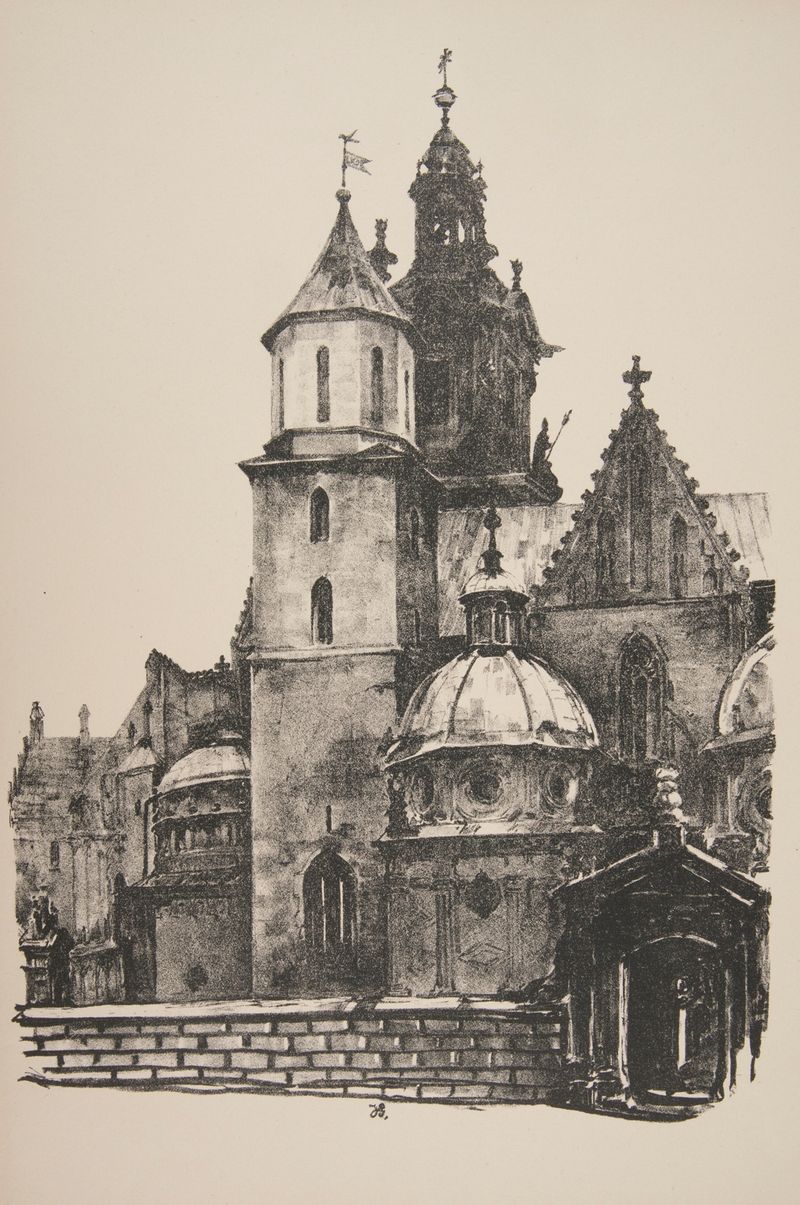
Katedra na Wawelu
Jan Kanty Gumowski
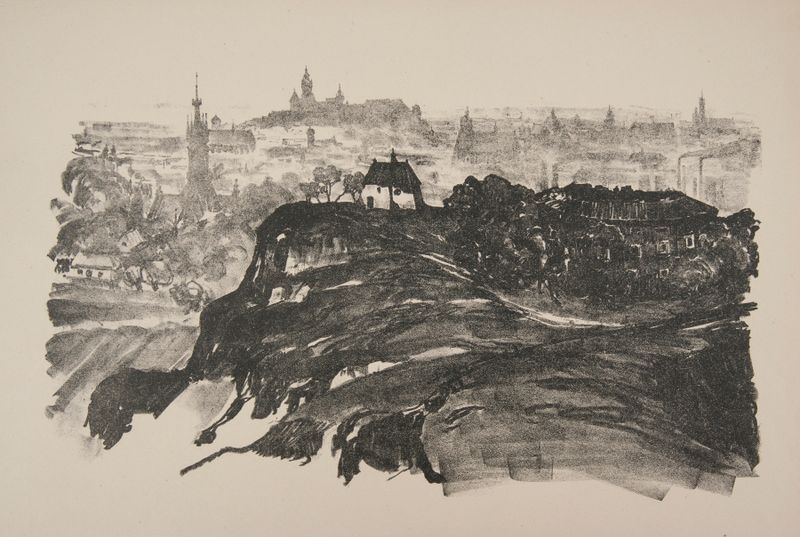
Widok ogólny Krakowa od południa
Jan Kanty Gumowski
Widoki Krakowa – cover
Jan Kanty Gumowski

Kościół Mariacki
Jan Kanty Gumowski
Baszta stolarska
Jan Kanty Gumowski
Sukiennice
Jan Kanty Gumowski

Brama Florjańska i baszta Pasamonikow
Jan Kanty Gumowski

Szczyty Sukiennic i wieże kościoła Marjackiego
Jan Kanty Gumowski
More Architecture Art
Browse all →
The statue of Liberty
Frédéric Auguste Bartholdi

View of Houses in Delft, Known as ‘The Little Street’
Johannes Vermeer

View of Houses in Delft, Known as ‘The Little Street’
Johannes Vermeer

The Cathedral in Rouen. The portal, Grey Weather
Claude Monet

The yellow house
Vincent van Gogh

The Church in Auvers-sur-Oise, View from the Chevet
Vincent van Gogh