
Stara synagoga na Kazimierzu — History & Facts
In the stillness of Stara synagoga na Kazimierzu, echoes of the past linger, heavy with the weight of absence. The emptiness within the structure speaks not through loud proclamations but through whispered memories, inviting contemplation. It is a place where echoes of laughter and sorrow intertwine, leaving an indelible mark on the heart. Focus on the subtle interplay of light and shadow across the weathered stones of the synagogue.
The muted palette of browns and grays creates a somber atmosphere, drawing your eyes to intricately carved details around the windows and doorways. Notice how the stark light filtering through illuminates the empty space within, contrasting the vibrant history of a once-thriving community. Each brushstroke seems to breathe life into the stillness, revealing a sacred bond between architecture and memory. Delve deeper, and you’ll uncover the emotional tension of nostalgia and loss that permeates the canvas.
The emptiness signifies more than mere absence; it embodies a longing for connection in a world that has moved on. The crumbling walls stand as silent witnesses to a rich heritage, while the emptiness serves as a poignant reminder of what has been irretrievably lost. This duality of presence and absence creates a haunting resonance that compels the viewer to reflect on their own relationship with history. Jan Kanty Gumowski created this profound work between 1925 and 1926, during a time when Europe was grappling with the aftermath of World War I.
Living in Poland, the artist was deeply influenced by the cultural shifts and remnants of Jewish architecture in Kraków, where this synagogue stands as a testament to a fading era. His exploration of these themes was pivotal, reflecting a broader artistic engagement with memory and identity in a rapidly changing world.
More Artworks by Jan Kanty Gumowski
Browse all →
Dziedziniec Zamku królewskiego na Wawelu
Jan Kanty Gumowski
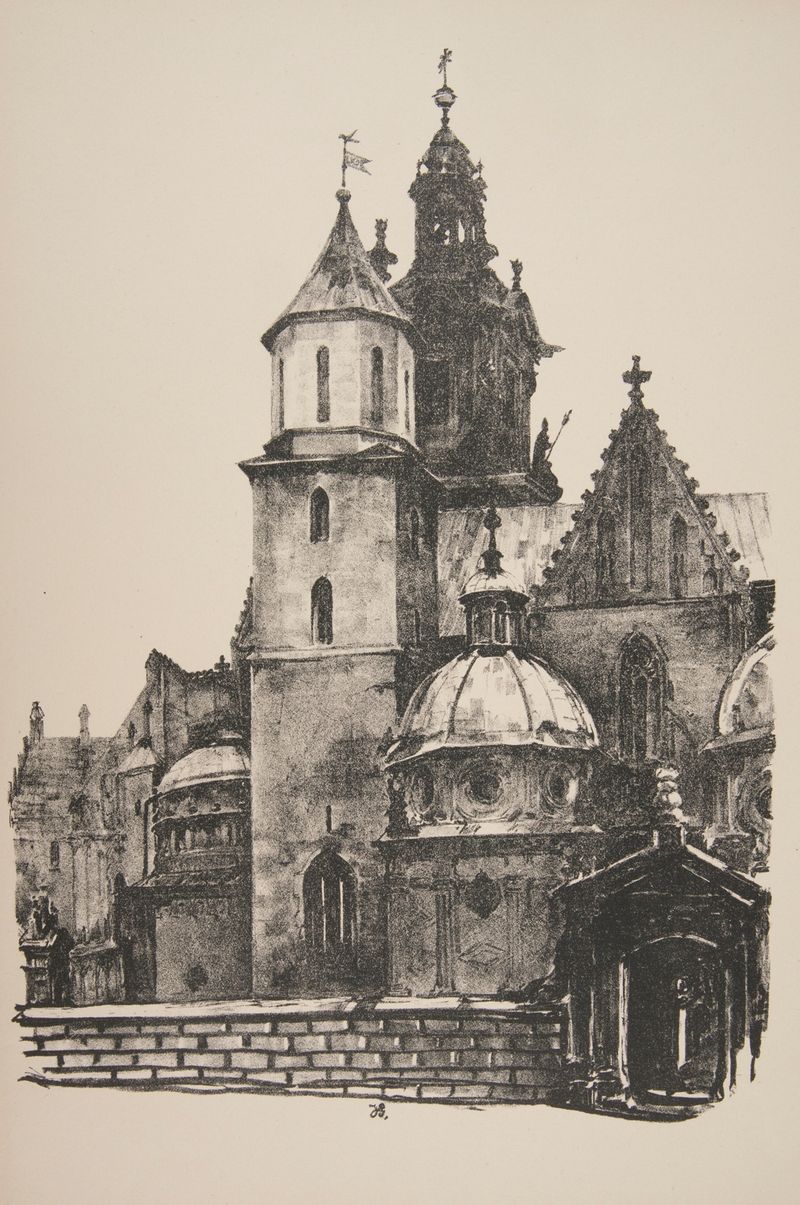
Katedra na Wawelu
Jan Kanty Gumowski
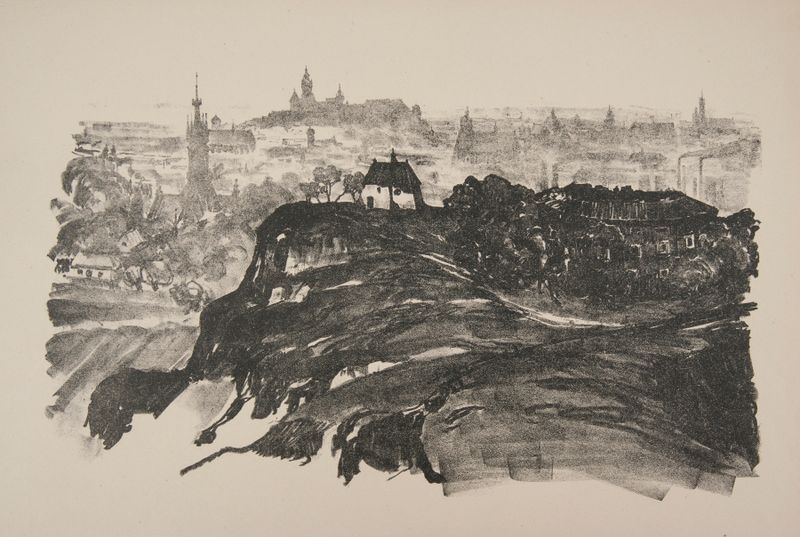
Widok ogólny Krakowa od południa
Jan Kanty Gumowski
Widoki Krakowa – cover
Jan Kanty Gumowski

Kościół Mariacki
Jan Kanty Gumowski
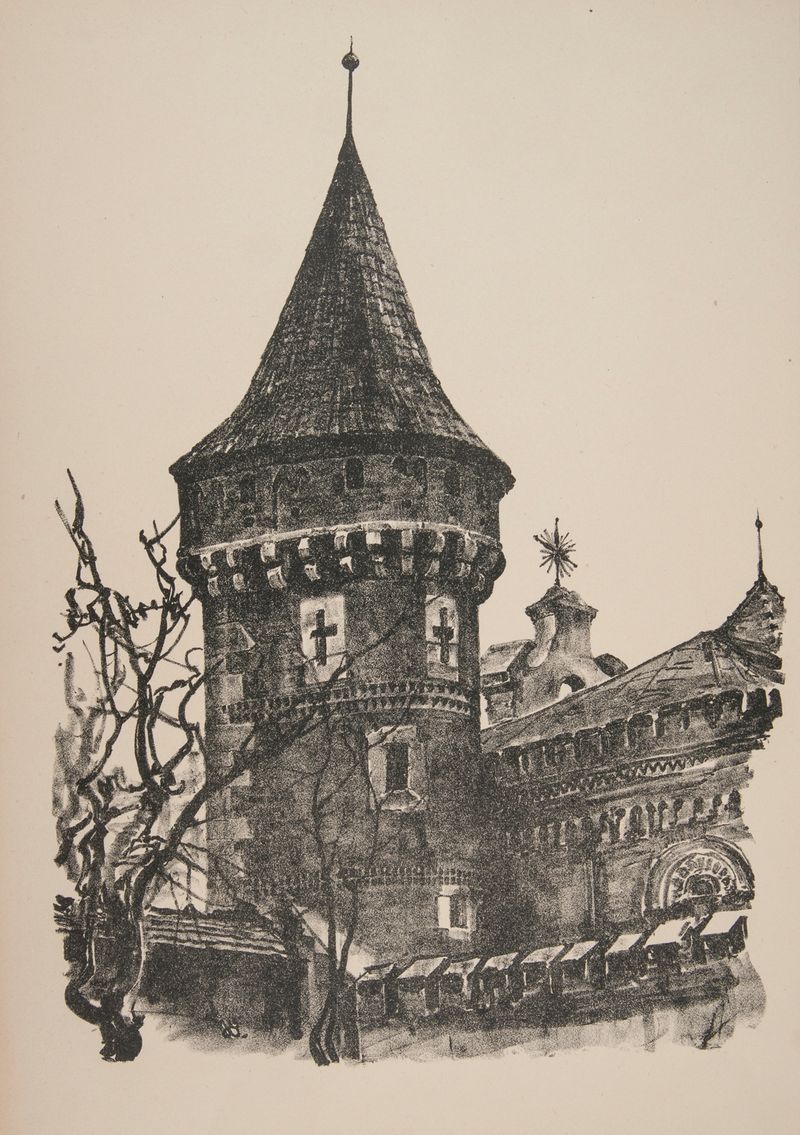
Baszta stolarska
Jan Kanty Gumowski
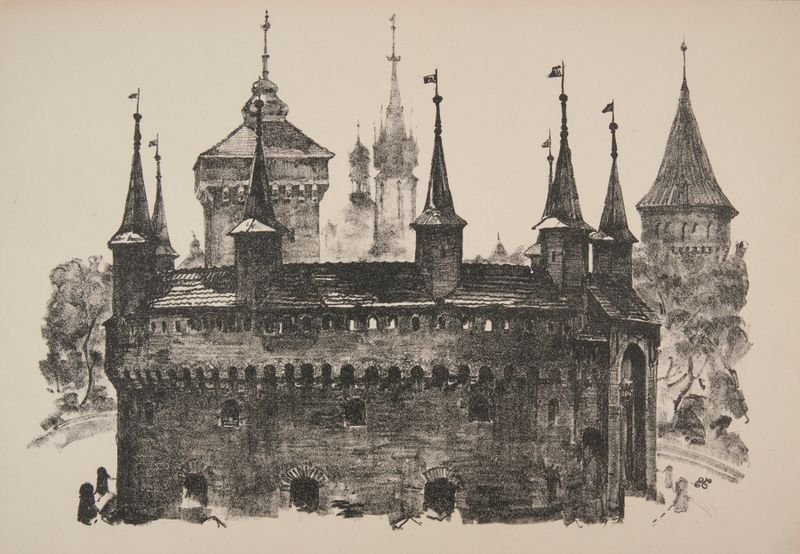
Barbakan
Jan Kanty Gumowski
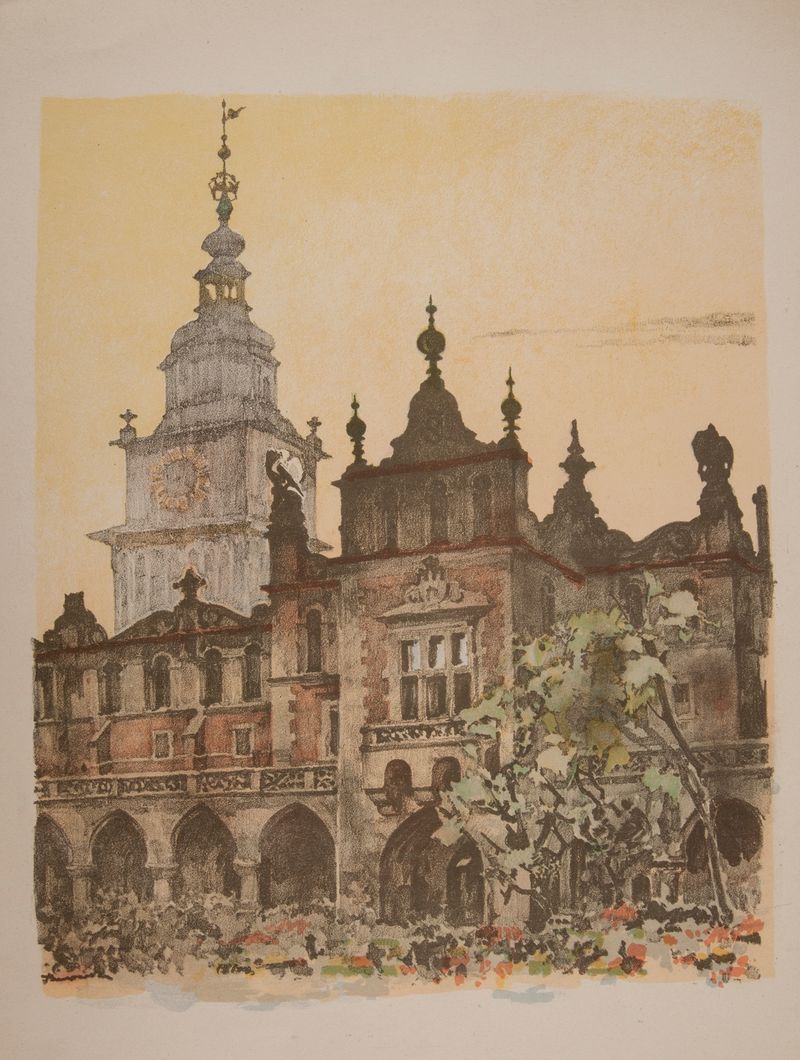
Sukiennice
Jan Kanty Gumowski

Brama Florjańska i baszta Pasamonikow
Jan Kanty Gumowski

Szczyty Sukiennic i wieże kościoła Marjackiego
Jan Kanty Gumowski
More Architecture Art
Browse all →
The statue of Liberty
Frédéric Auguste Bartholdi

View of Houses in Delft, Known as ‘The Little Street’
Johannes Vermeer

View of Houses in Delft, Known as ‘The Little Street’
Johannes Vermeer

The Cathedral in Rouen. The portal, Grey Weather
Claude Monet

The yellow house
Vincent van Gogh

The Church in Auvers-sur-Oise, View from the Chevet
Vincent van Gogh