
Baszta stolarska — History & Facts
This notion resonates deeply as one gazes upon the tranquil yet intricate layers of a singular tower—a reminder that serenity often rests on the knife's edge of fragility. Look to the center, where the tower stands resolute against the backdrop of an expansive sky. Its stone surface shines, kissed by a gentle light that draws out subtle hues of amber and ochre. The meticulous detailing of the brickwork leads the eye upward, inviting a sense of ascent, while the serene horizon hints at the quietude of the surrounding landscape.
The composition strikes a delicate balance between solidity and ethereality, creating a moment suspended in time. Yet, beneath the surface calm lies a tapestry of contrasts. The steadfastness of the tower juxtaposes the soft, ephemeral light, suggesting a dialogue between permanence and transience. Shadows play across its façade, whispering tales of weathering and endurance, while the golden undertones evoke a sense of nostalgia, a yearning for something lost.
This duality infuses the work with an emotional weight, where beauty and pain coexist in harmony. During the years of 1925-1926, Gumowski painted this work while residing in Poland amidst a shifting cultural landscape. Following the aftermath of World War I, artists were exploring new forms and expressions amid a backdrop of recovery and reflection. His choice of a solitary structure speaks not only to personal introspection but also to the broader societal quest for stability and identity in a transforming world.
More Artworks by Jan Kanty Gumowski
Browse all →
Dziedziniec Zamku królewskiego na Wawelu
Jan Kanty Gumowski
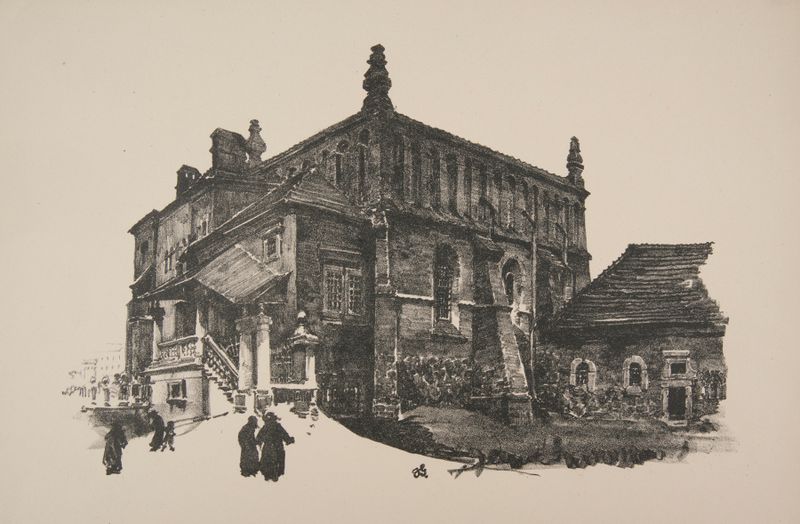
Stara synagoga na Kazimierzu
Jan Kanty Gumowski
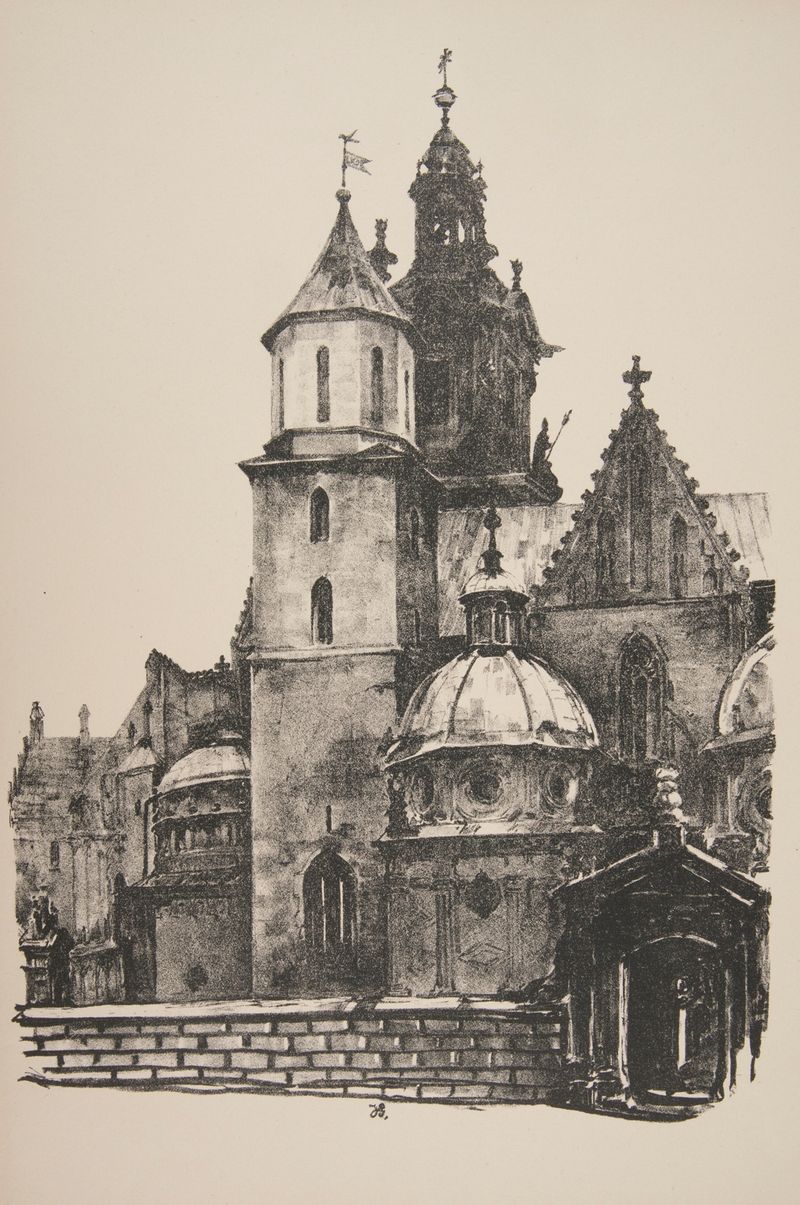
Katedra na Wawelu
Jan Kanty Gumowski
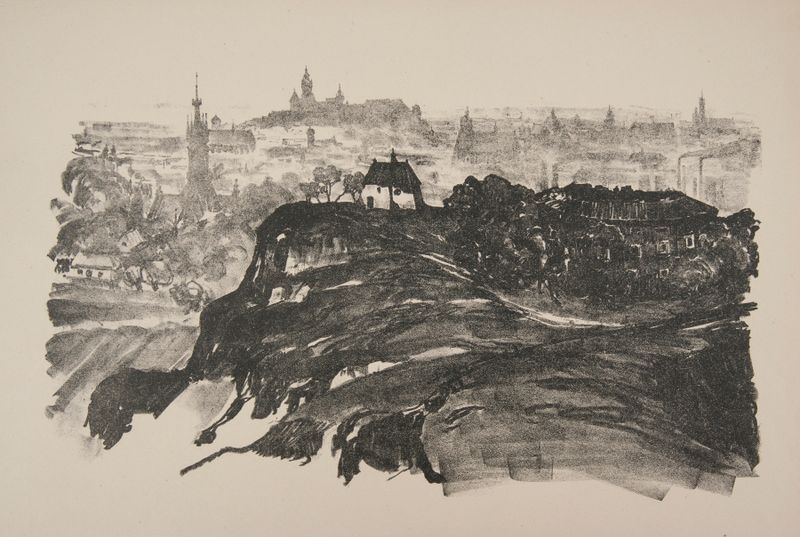
Widok ogólny Krakowa od południa
Jan Kanty Gumowski
Widoki Krakowa – cover
Jan Kanty Gumowski

Kościół Mariacki
Jan Kanty Gumowski
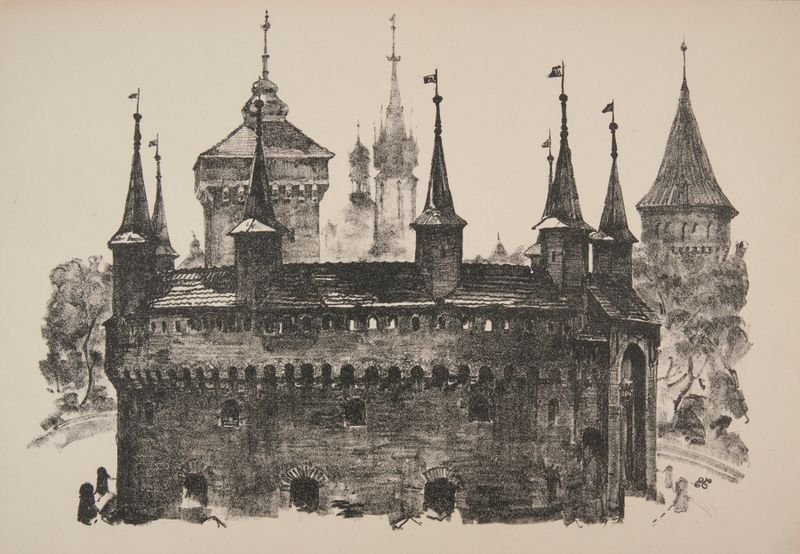
Barbakan
Jan Kanty Gumowski
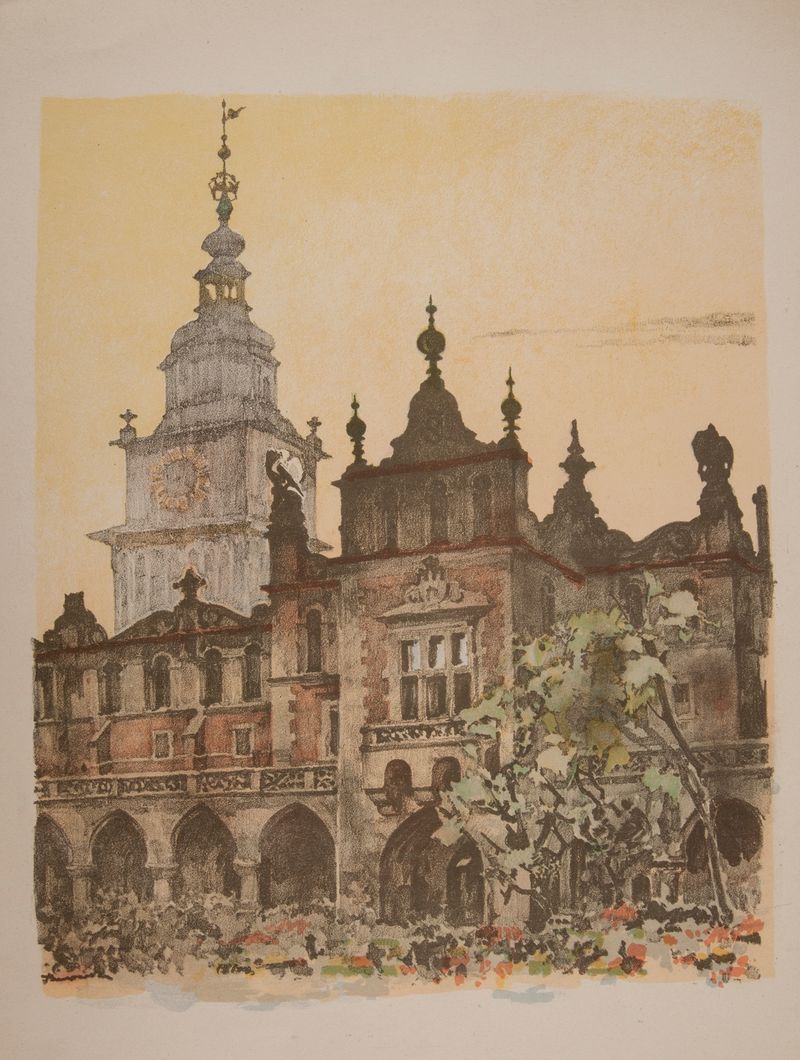
Sukiennice
Jan Kanty Gumowski

Brama Florjańska i baszta Pasamonikow
Jan Kanty Gumowski

Szczyty Sukiennic i wieże kościoła Marjackiego
Jan Kanty Gumowski
More Architecture Art
Browse all →
The statue of Liberty
Frédéric Auguste Bartholdi

View of Houses in Delft, Known as ‘The Little Street’
Johannes Vermeer

View of Houses in Delft, Known as ‘The Little Street’
Johannes Vermeer

The Cathedral in Rouen. The portal, Grey Weather
Claude Monet

The yellow house
Vincent van Gogh

The Church in Auvers-sur-Oise, View from the Chevet
Vincent van Gogh