
Brama Florjańska i baszta Pasamonikow — History & Facts
Did the painter know this moment would outlive them? A fragment of time, a whisper of place, eternally captured on canvas — filled with longing and history waiting to be uncovered. Look to the center of this piece, where the imposing structure of Brama Florjańska stands resolute against a backdrop of a softly fading sky. The delicate brushwork conveys intricate details, each stroke revealing the passage of years etched into the weathered stone. Surrounding it, subtle hues of blue and gold blend seamlessly, invoking a twilight that bathes the scene in warmth while hinting at the coldness of time’s relentless march. In the foreground, the presence of onlookers adds a human touch; their small silhouettes contrast sharply with the monumental architecture, making the viewer ponder their relationship with this storied place.
The contemplative expressions of the figures suggest a yearning, a connection to history that transcends the moment. Shadows stretch, and the light dances, creating a dialogue between the eternal and the ephemeral—each detail contributing to an undercurrent of nostalgia and reverence. During the years 1925-1926, a time of significant change in Europe, Jan Kanty Gumowski painted this work while exploring themes of memory and identity. Living amid the aftermath of World War I, he sought to capture the essence of Poland's cultural heritage, reflecting a collective longing for the past and a desire to reclaim it amidst modernity's swift currents.
This artwork stands not just as a representation of a physical place but as a poignant declaration of a shared emotional landscape.
More Artworks by Jan Kanty Gumowski
Browse all →
Dziedziniec Zamku królewskiego na Wawelu
Jan Kanty Gumowski
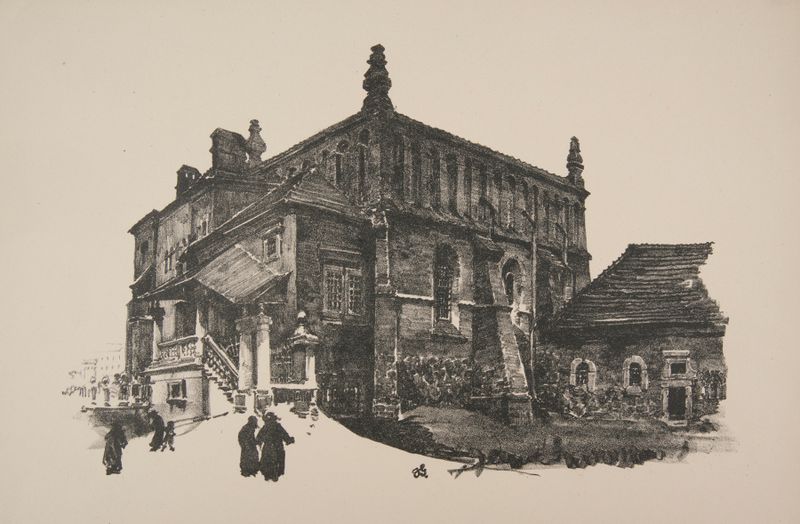
Stara synagoga na Kazimierzu
Jan Kanty Gumowski
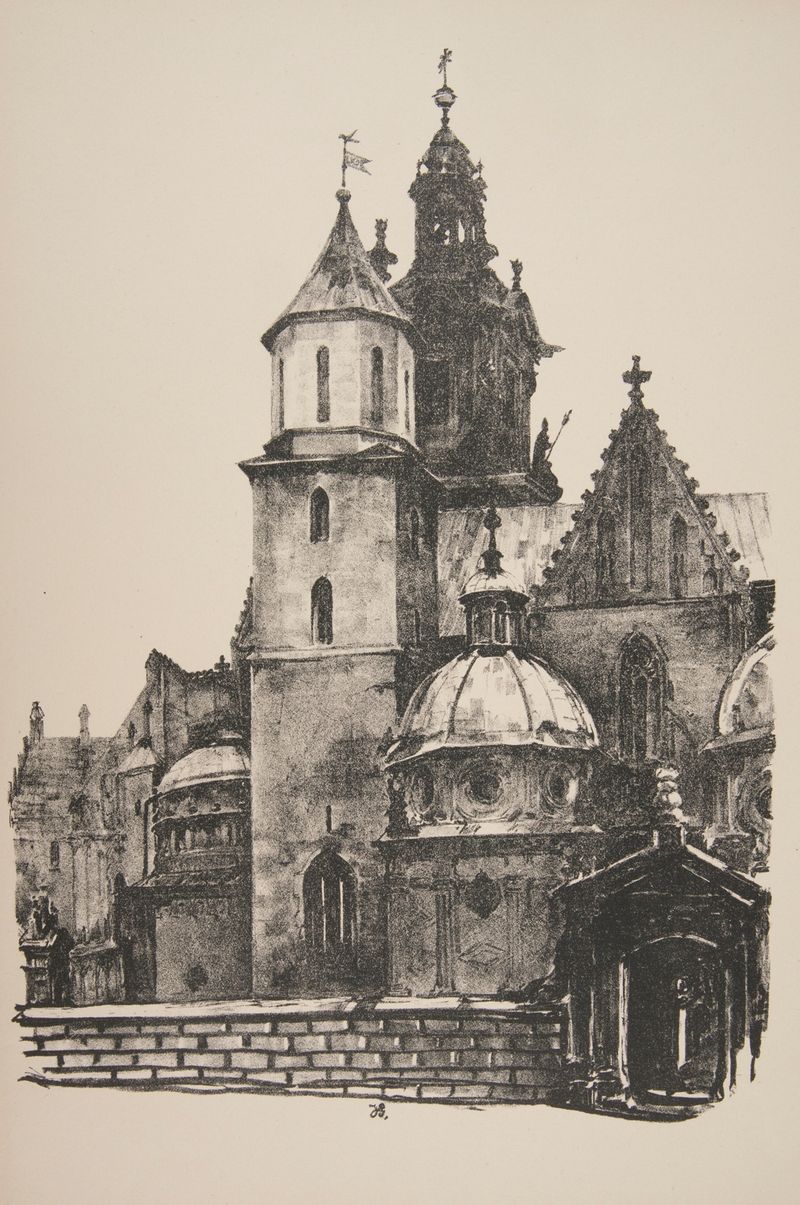
Katedra na Wawelu
Jan Kanty Gumowski
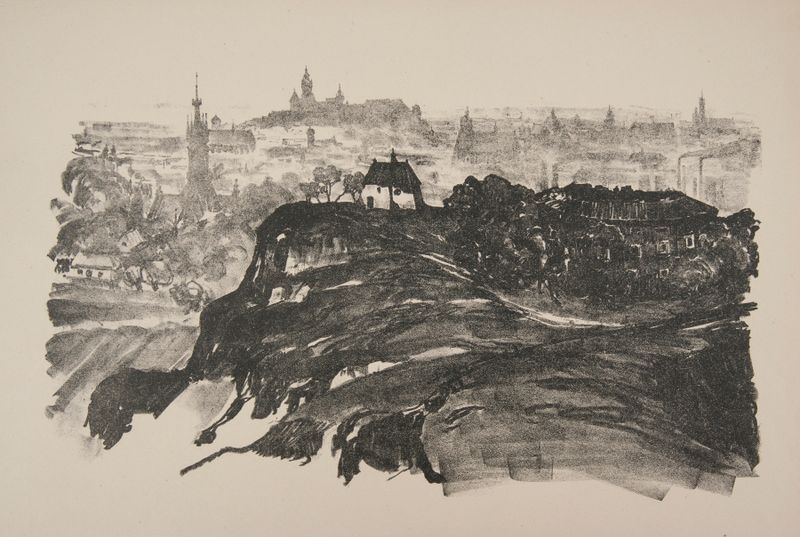
Widok ogólny Krakowa od południa
Jan Kanty Gumowski
Widoki Krakowa – cover
Jan Kanty Gumowski

Kościół Mariacki
Jan Kanty Gumowski
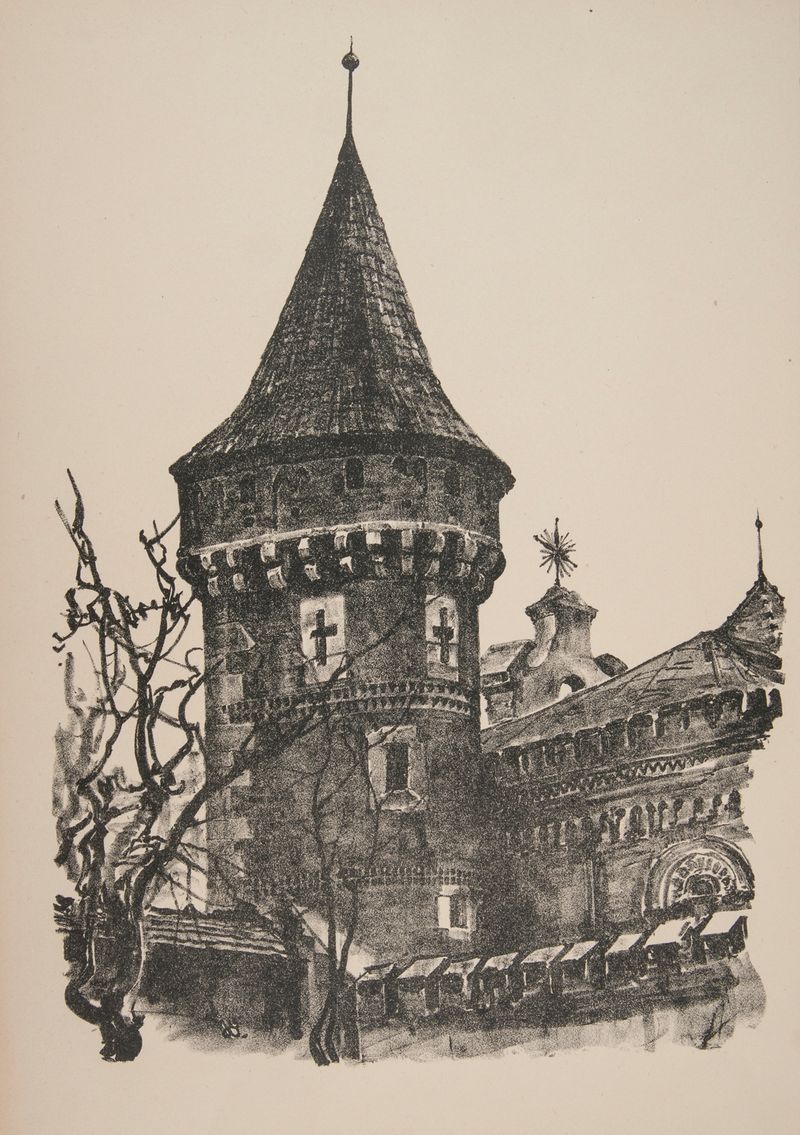
Baszta stolarska
Jan Kanty Gumowski
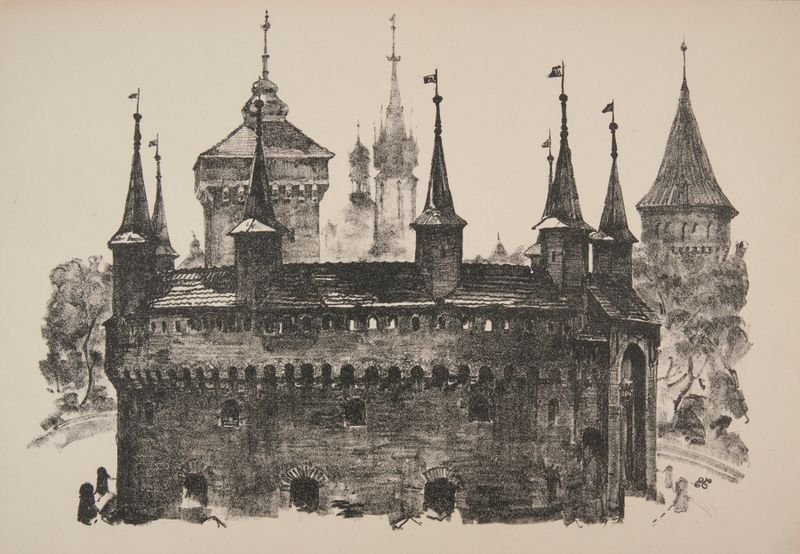
Barbakan
Jan Kanty Gumowski
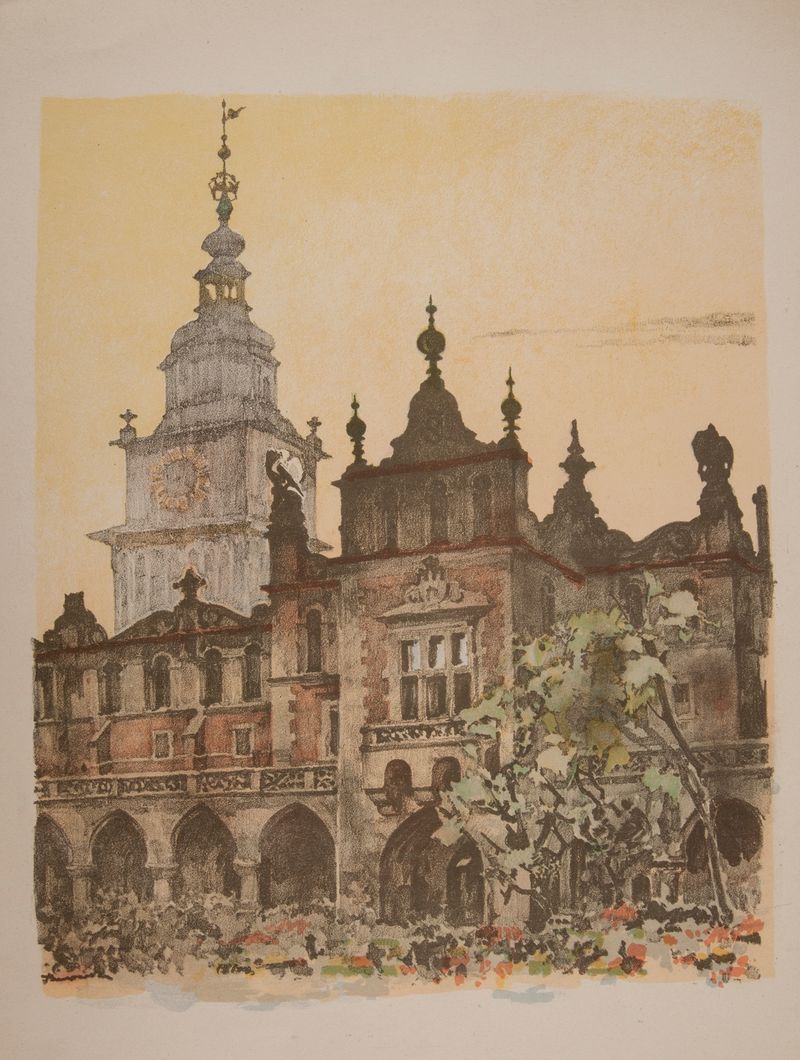
Sukiennice
Jan Kanty Gumowski

Szczyty Sukiennic i wieże kościoła Marjackiego
Jan Kanty Gumowski
More Architecture Art
Browse all →
The statue of Liberty
Frédéric Auguste Bartholdi

View of Houses in Delft, Known as ‘The Little Street’
Johannes Vermeer

View of Houses in Delft, Known as ‘The Little Street’
Johannes Vermeer

The Cathedral in Rouen. The portal, Grey Weather
Claude Monet

The yellow house
Vincent van Gogh

The Church in Auvers-sur-Oise, View from the Chevet
Vincent van Gogh