
Dziedziniec Zamku królewskiego na Wawelu — History & Facts
Did the painter know this moment would outlive them? In the stillness of time, the echoes of history reverberate through the stone walls, holding within them stories of love, loss, and resilience. Focus on the serene courtyard, where cobblestones, worn by countless footsteps, lead the eye towards the majestic architecture that frames the scene. Notice how the light dances between the shadows, illuminating intricate details of the walls, while muted earth tones create a sense of contemplation. The composition invites you to traverse the space, from the delicate arches overhead to the atmospheric quiet that envelops the viewer. Hidden within this tranquil setting lies a poignant sense of grief—an acknowledgment of the past that permeates the air.
The juxtaposition of the regal structure against the solitude of the courtyard evokes a melancholic beauty, suggesting both the grandeur of history and the weight of remembrance. Elements like the empty benches and the subtle play of light and shadow hint at the absence of those who once roamed these grounds, leaving behind an emotional imprint that lingers. Created between 1925 and 1926, this piece emerged during a time when Jan Kanty Gumowski reflected on Polish heritage and identity amidst the changing tides of Europe. Living in post-war Poland, he was influenced by a growing interest in national history and the cultural legacy of his homeland.
The artist's work during this period sought to capture both the splendor and the somber reflections of history, as he utilized the courtyard to echo the themes of loss and nostalgia inherent in his surroundings.
More Artworks by Jan Kanty Gumowski
Browse all →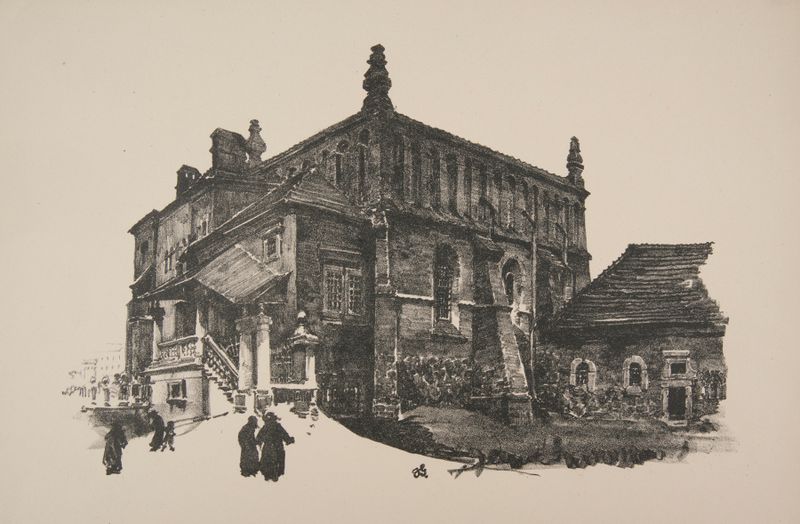
Stara synagoga na Kazimierzu
Jan Kanty Gumowski
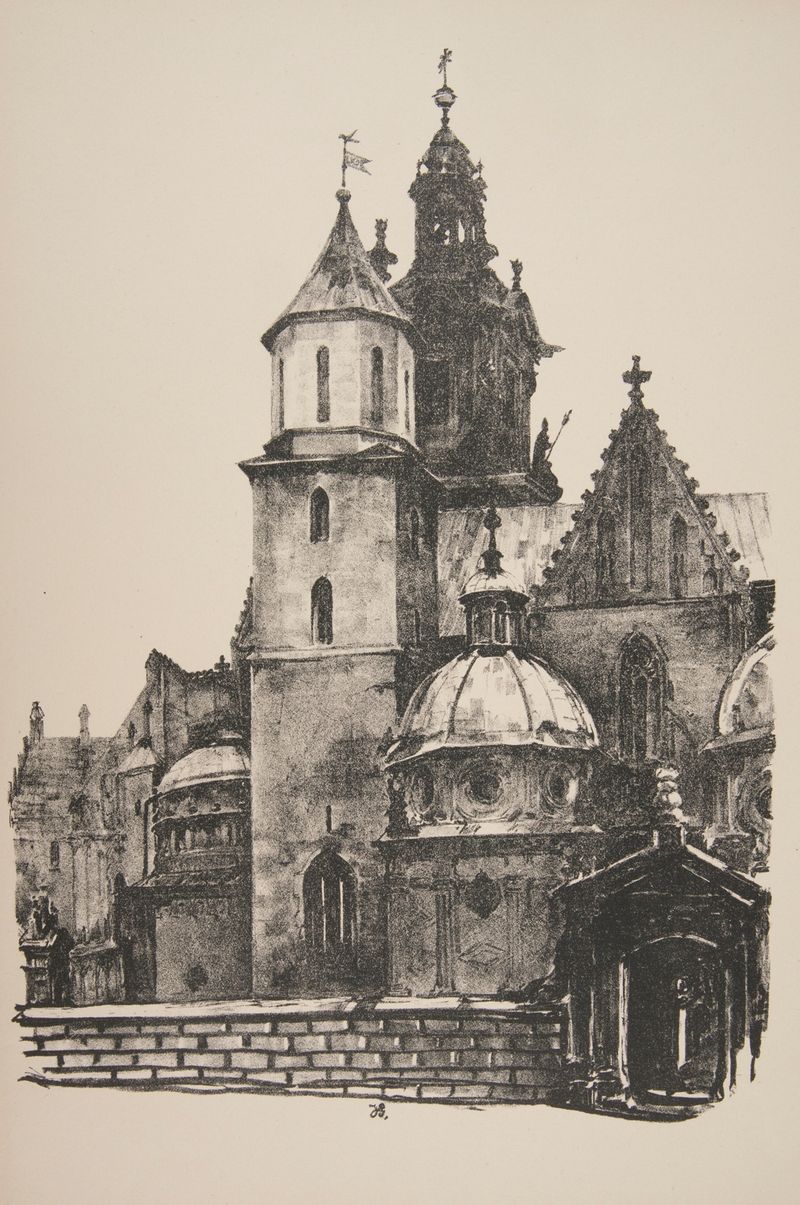
Katedra na Wawelu
Jan Kanty Gumowski
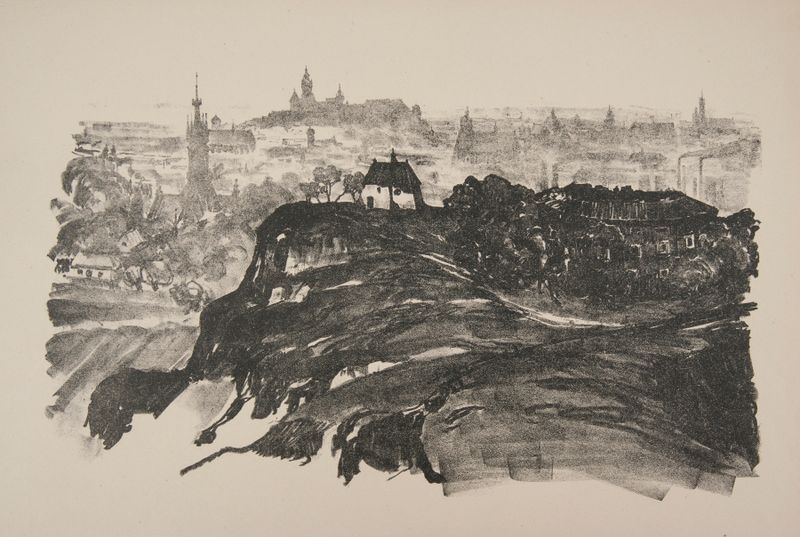
Widok ogólny Krakowa od południa
Jan Kanty Gumowski
Widoki Krakowa – cover
Jan Kanty Gumowski

Kościół Mariacki
Jan Kanty Gumowski
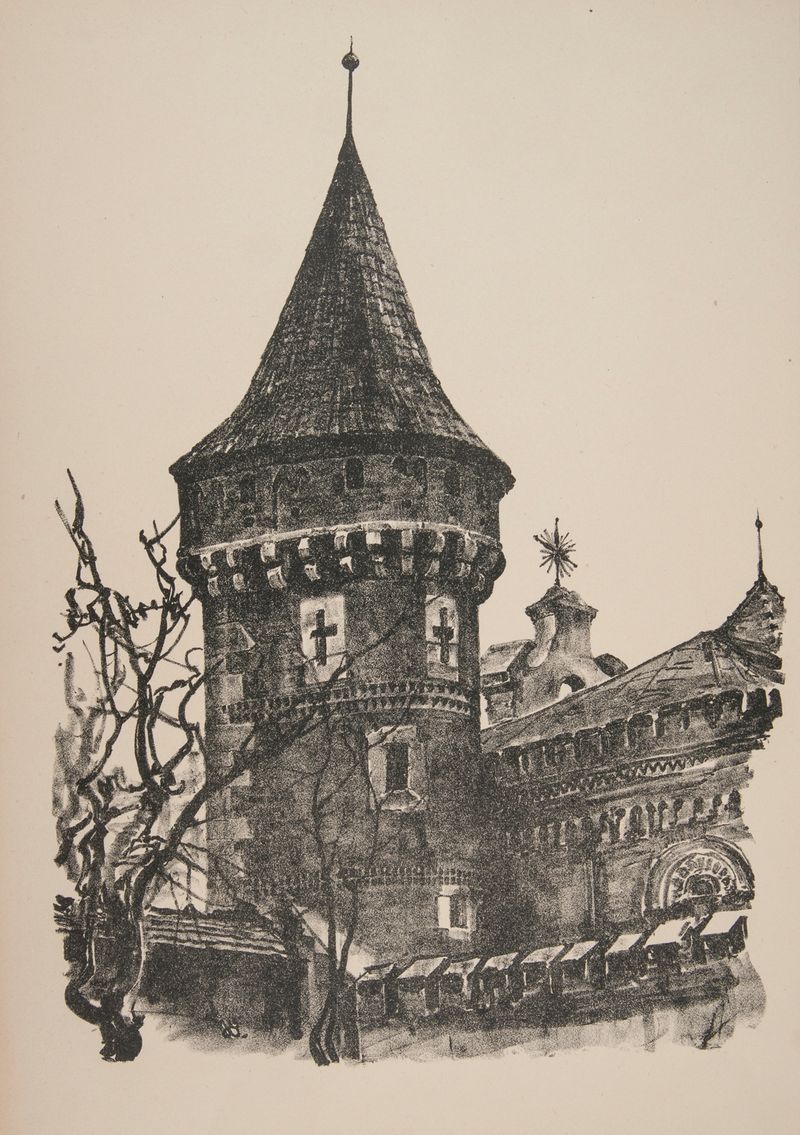
Baszta stolarska
Jan Kanty Gumowski
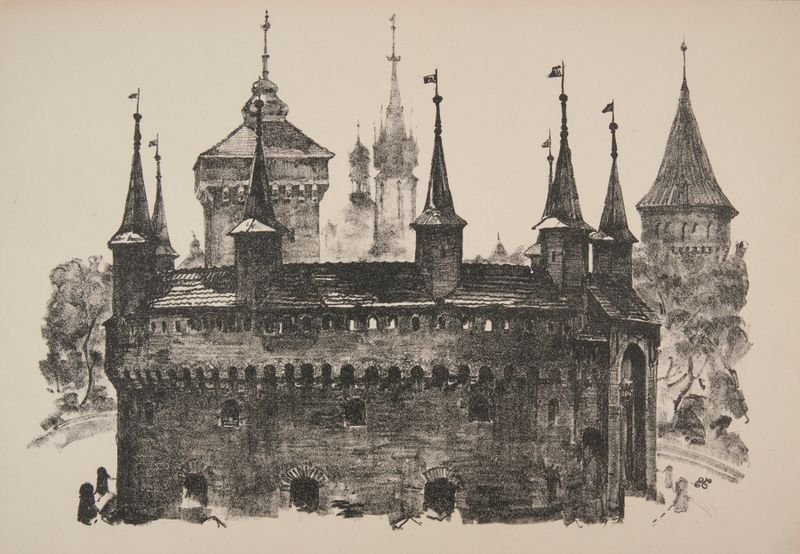
Barbakan
Jan Kanty Gumowski
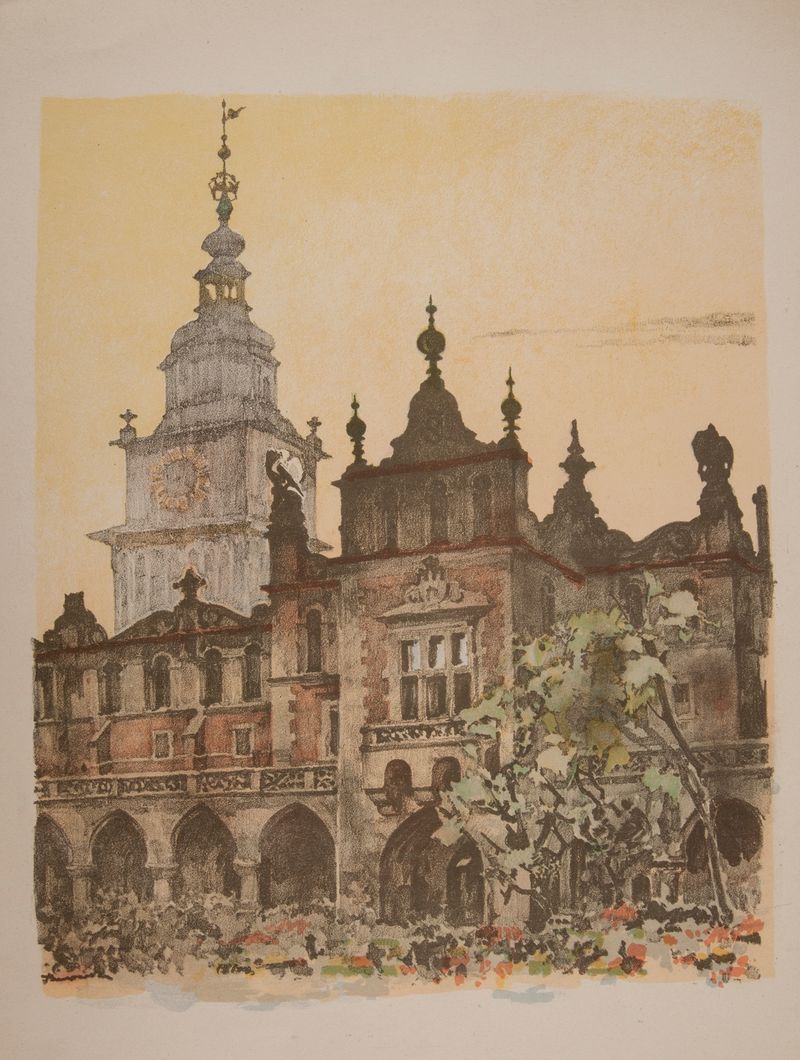
Sukiennice
Jan Kanty Gumowski

Brama Florjańska i baszta Pasamonikow
Jan Kanty Gumowski

Szczyty Sukiennic i wieże kościoła Marjackiego
Jan Kanty Gumowski
More Architecture Art
Browse all →
The statue of Liberty
Frédéric Auguste Bartholdi

View of Houses in Delft, Known as ‘The Little Street’
Johannes Vermeer

View of Houses in Delft, Known as ‘The Little Street’
Johannes Vermeer

The Cathedral in Rouen. The portal, Grey Weather
Claude Monet

The yellow house
Vincent van Gogh

The Church in Auvers-sur-Oise, View from the Chevet
Vincent van Gogh