Barberaz 2 — History & Facts
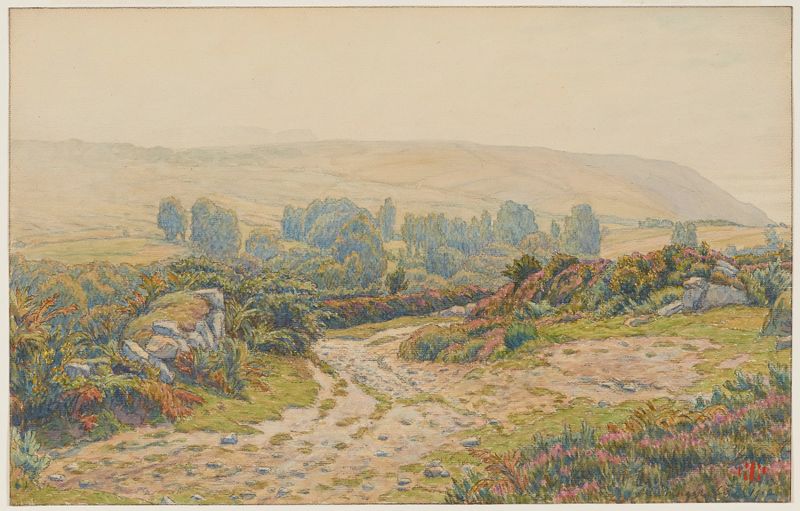
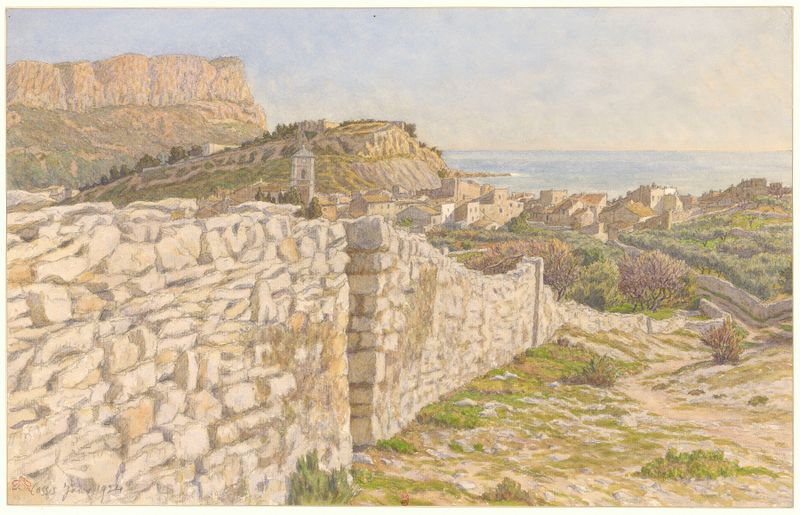
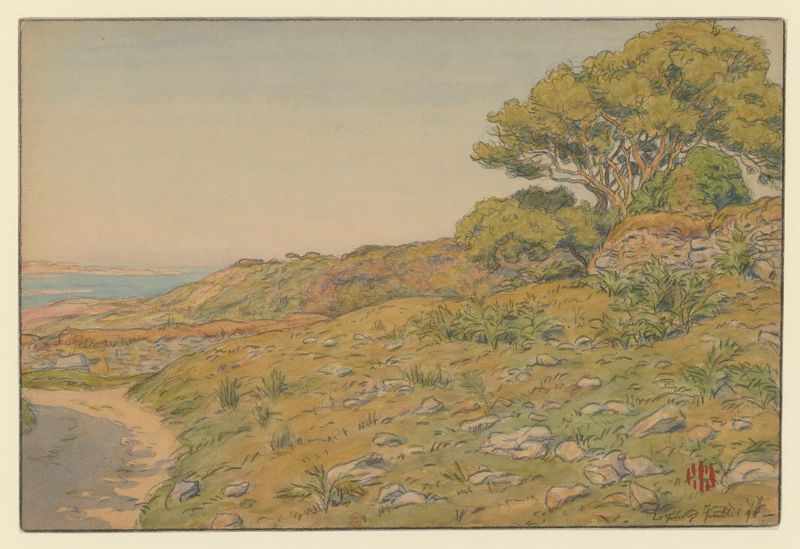
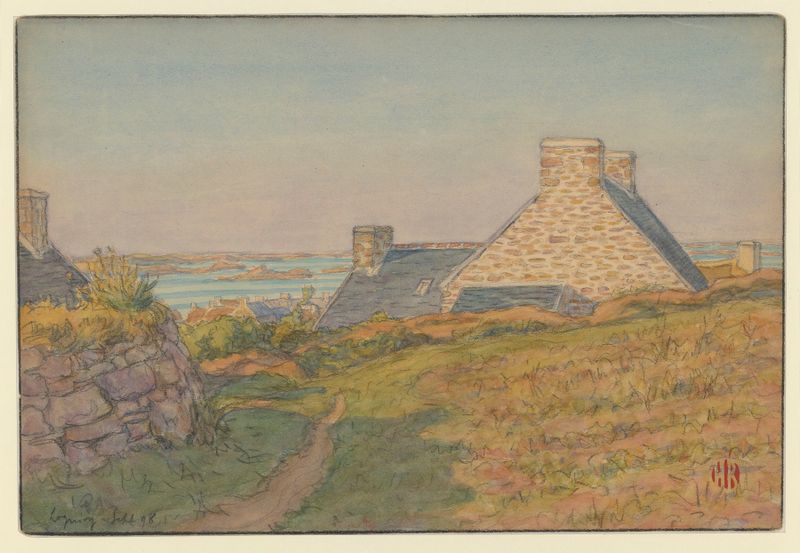
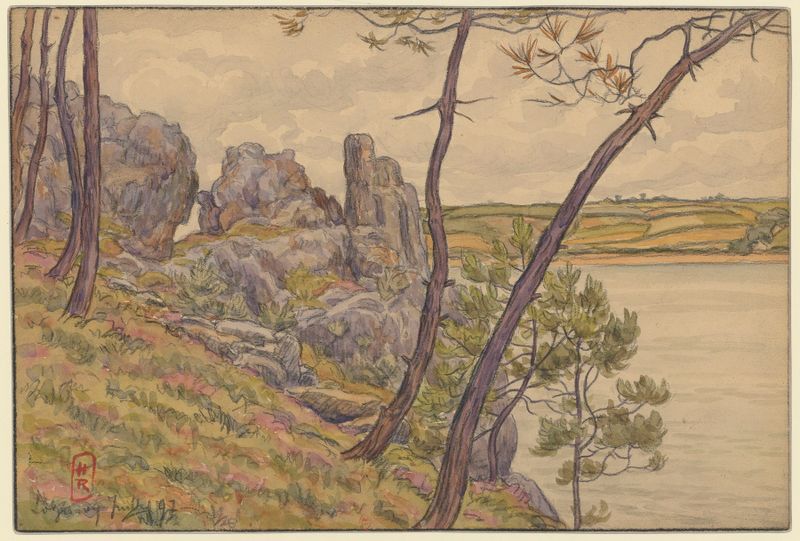
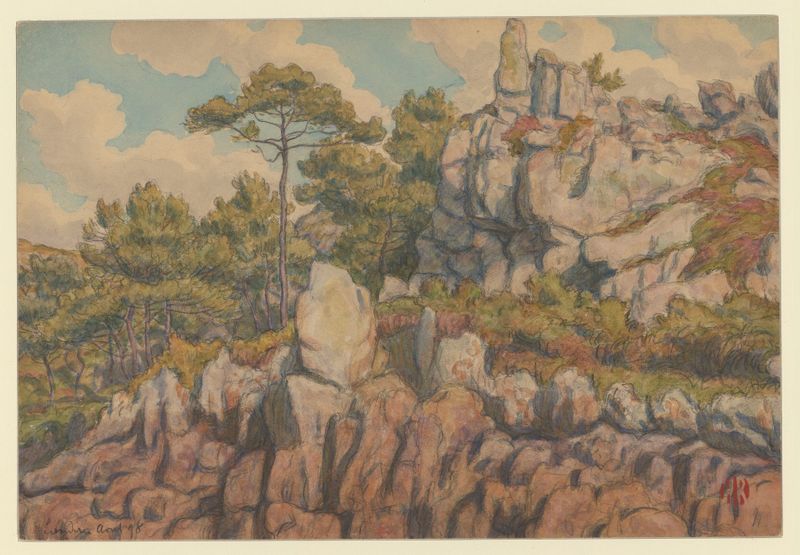
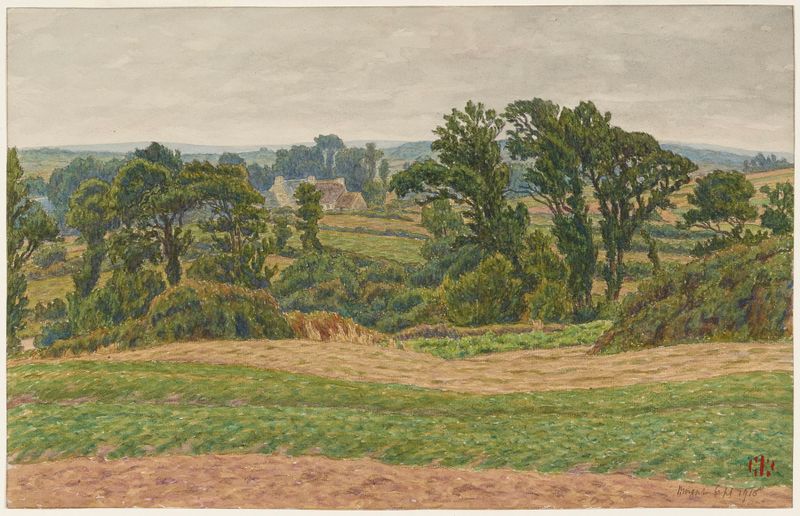
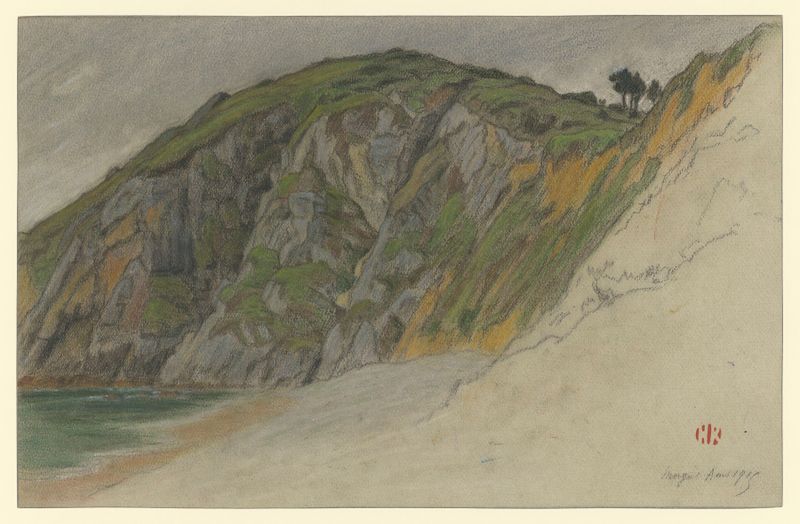
Did the painter know this moment would outlive them? In Barberaz 2, a wistful scene unfolds, capturing the essence of time suspended, forever yearning for a past that remains just out of reach. Look to the left at the sweeping contours of the mountains, their steep faces kissed by gentle strokes of muted greens and browns. The tranquil water reflects the soft hues of dusk, creating a dreamlike quality that seems to whisper stories of solitude. Notice how the artist's delicate brushwork evokes a sense of stillness, drawing the viewer into the serene embrace of nature while hinting at the emotional depths beneath the surface. The contrast between the vibrancy of the landscape and the subdued tones suggests an internal struggle, a longing for connection in a world that feels distant.
Tiny figures dotting the landscape hint at human presence, yet they remain small and somewhat isolated, amplifying the feeling of solitude. This juxtaposition heightens the emotional tension, inviting the viewer to reflect on their own relationship with nature and the passage of time. Henri Rivière painted Barberaz 2 in 1918, during a period marked by personal and societal upheaval. Living in Paris, he was influenced by the Symbolist movement, which sought to express the ineffable qualities of experience.
This artwork reflects not only his inner contemplations but also a broader desire for peace and connection amidst the chaos of post-World War I Europe.