Barberaz — History & Facts
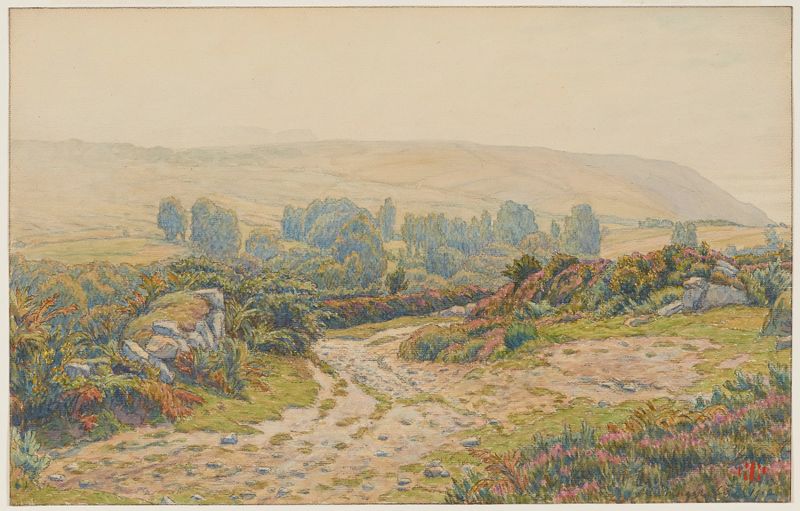
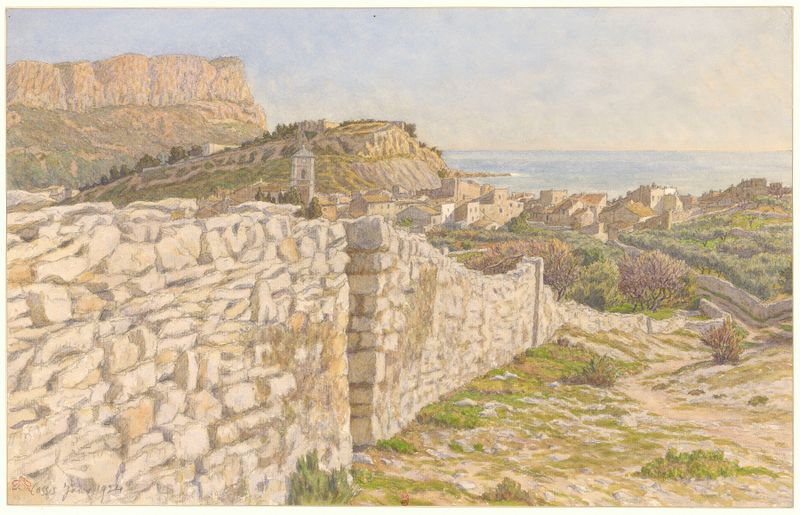
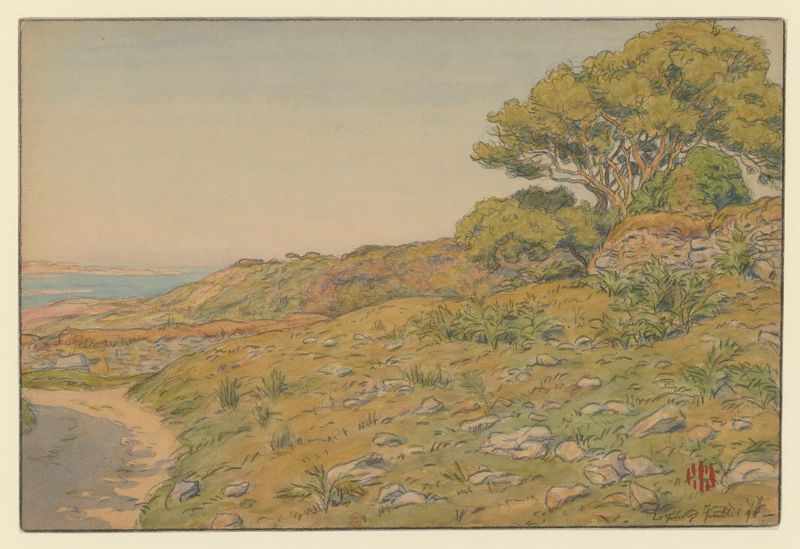
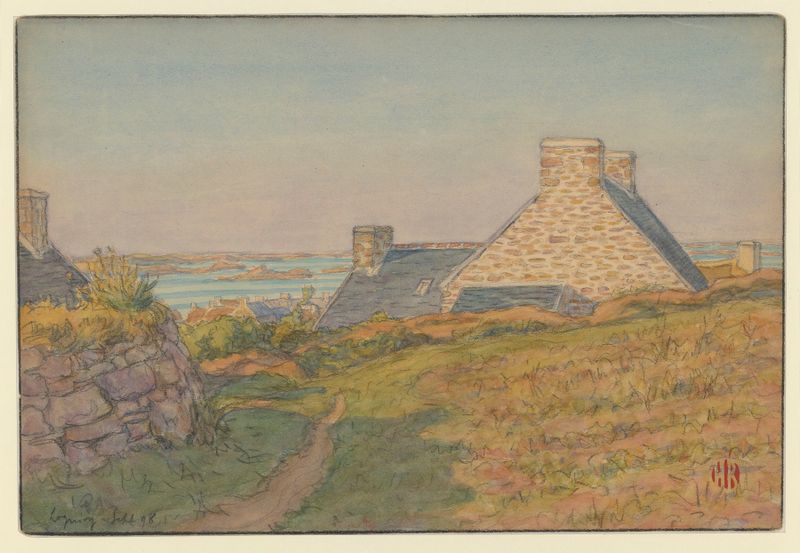
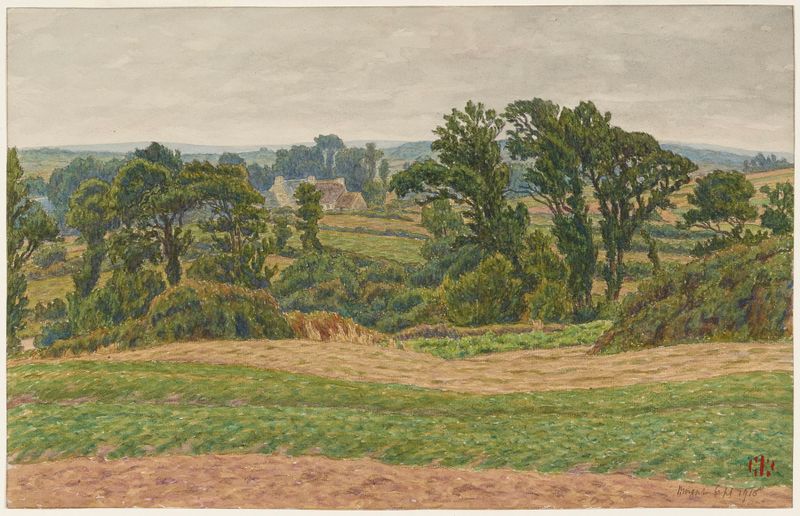
In the delicate balance between order and disorder, fear lingers as a potent muse, inviting introspection and dialogue. How often do we confront the untamed corners of our existence, where the mundane meets the surreal? Focus on the vibrant swirls that dominate the canvas, drawing your gaze to the chaotic yet harmonious blending of colors. The interplay of blues and earthy tones creates an atmosphere thick with emotion, revealing layers of tumult beneath a serene surface.
Notice how the brushstrokes dance across the canvas, reflecting a struggle between chaos and tranquility, with the lighter hues symbolizing fleeting moments of clarity amidst a backdrop of emotional strife. Hidden within the tumult are the whispers of a deeper story — vulnerability masked by beauty. The contrasting darks hint at an undercurrent of fear, while the softer strokes invite a sense of calm, suggesting a yearning for peace in a world rife with uncertainty. Each detail serves as a reminder of the tension between light and shadow, evoking a complex tapestry of human experience. Created in 1918, during a time when the world grappled with the aftermath of war and widespread trauma, the artist sought to reflect the emotional landscape of society.
Rivière painted Barberaz while immersed in a period of artistic evolution in France, blending Impressionism with a nascent modernist approach. This work captures not only his personal grappling with the chaos of existence but also the broader existential crises of his time.