Barberaz — History & Facts
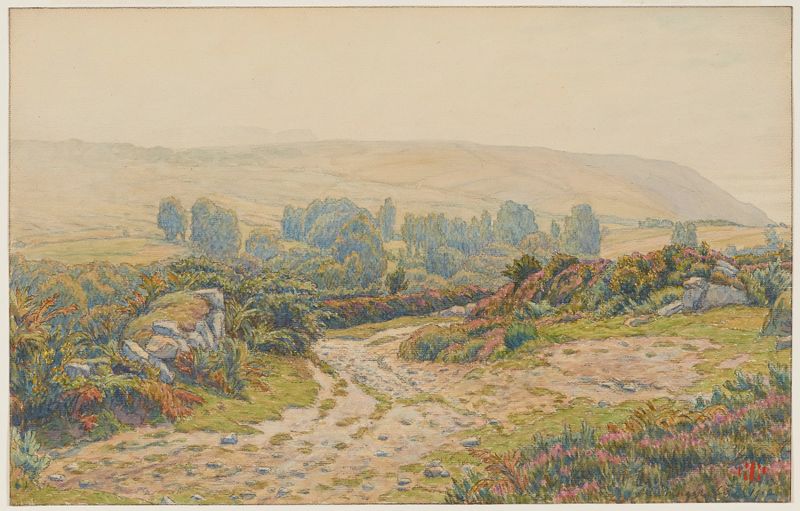
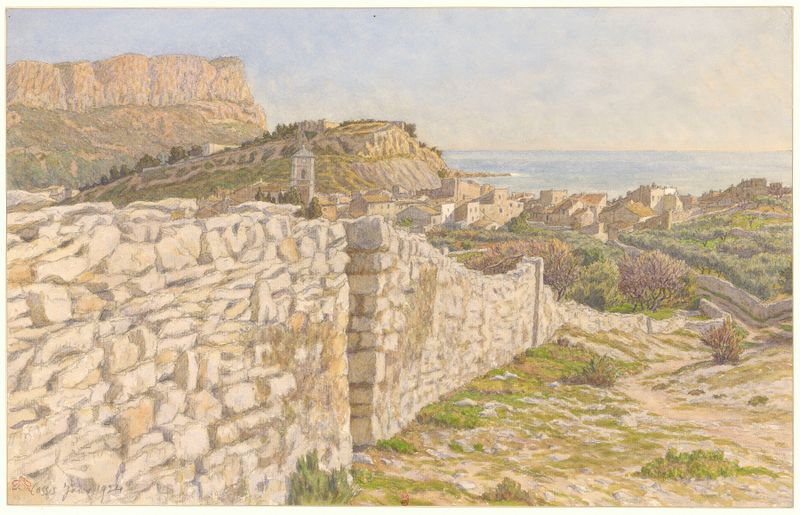
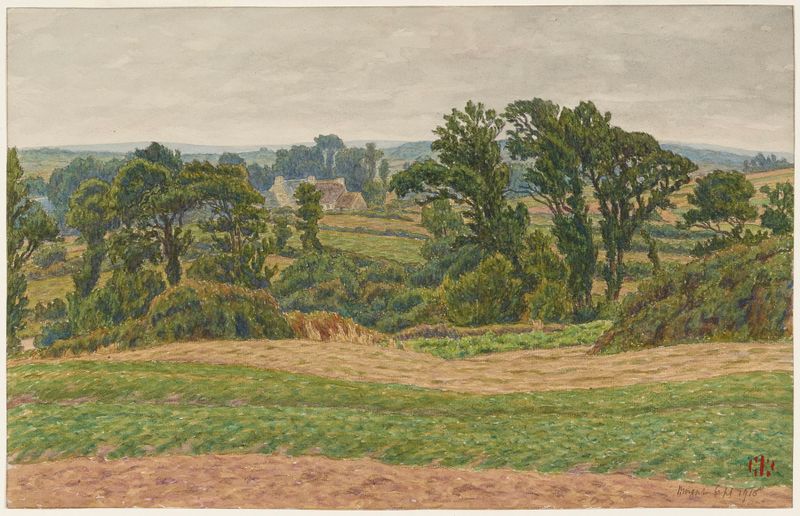
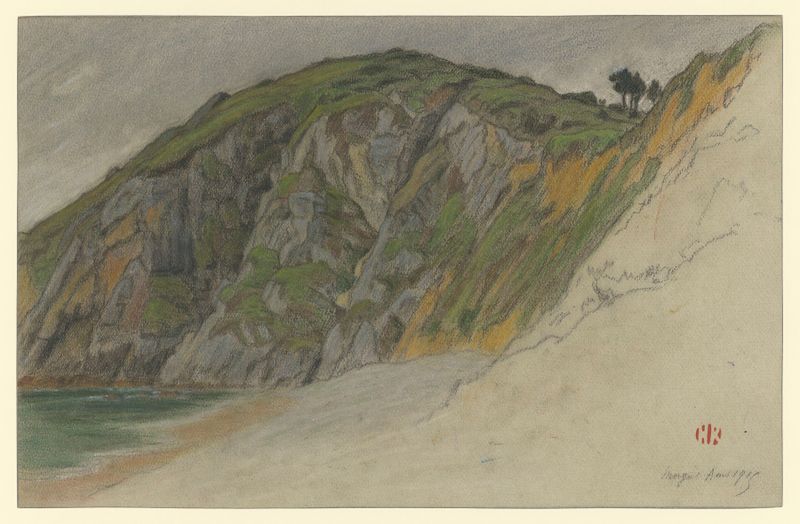
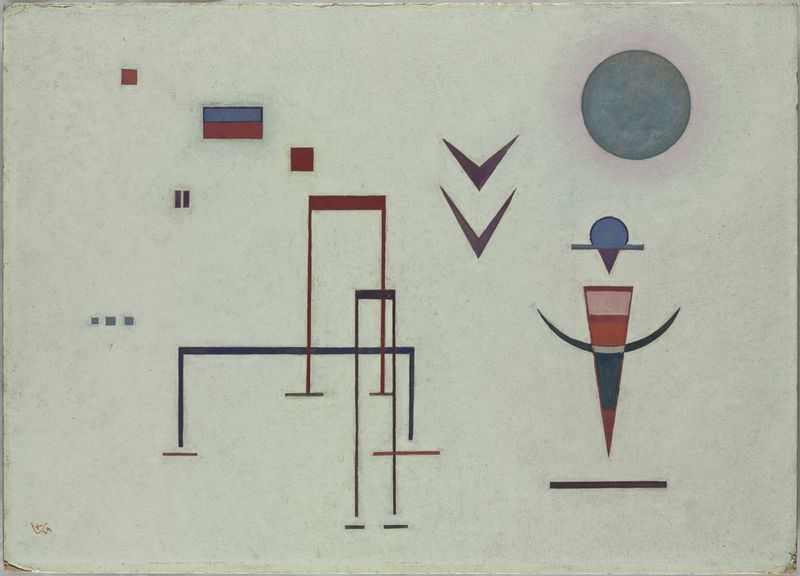
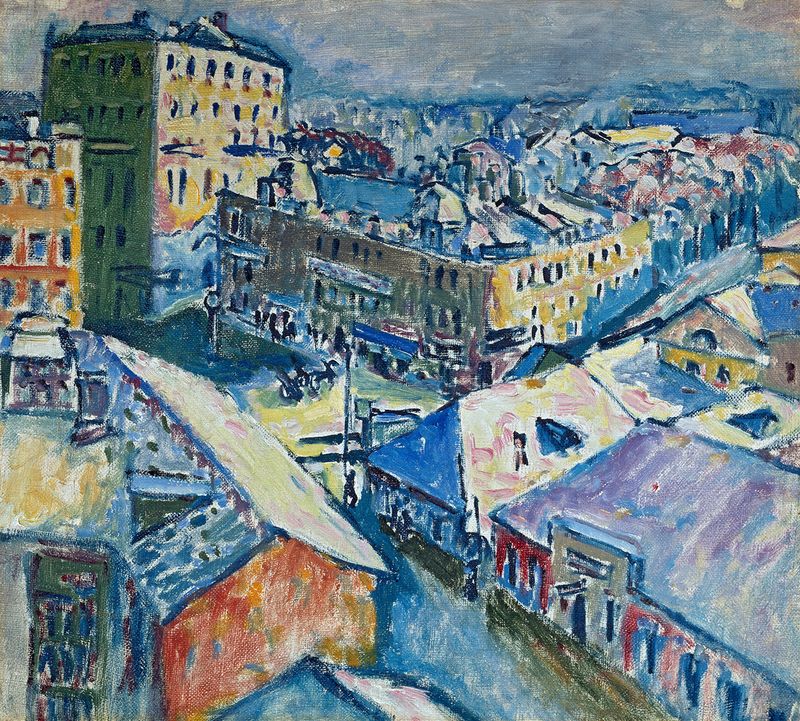
When did color learn to lie? In a world where legacies intertwine, the hues we choose reveal more than mere aesthetics; they tell stories of struggle and triumph. Focus first on the vibrant brushstrokes that cascade in rich blues and greens, drawing your gaze to the textured layers that seem to pulse with emotion. Notice how the interplay of light and shadow creates a dynamic movement, almost as if the painting itself breathes. The delicate balance of warm and cool tones offers a glimpse into the complexity of human experience—each stroke a narrative thread in the tapestry of life. Looking closer, you’ll find hidden symbols woven throughout the composition—perhaps a nod to personal memories or broader cultural themes.
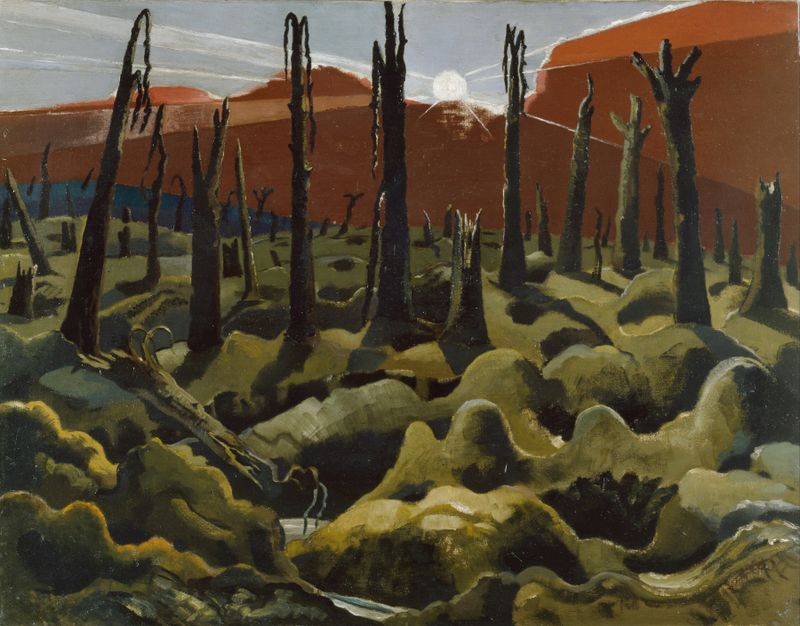
The juxtaposition of harmonious colors against chaotic patterns evokes a tension that speaks to the fragility of legacy. Each element, though seemingly disparate, whispers of connections and the choices made that shape our identities, inviting the viewer to reflect on what is passed down through generations. In 1918, Rivière created this piece during a time of great change in France and the art world at large. The aftermath of World War I had left a profound impact on artists, leading them to explore themes of loss and renewal.
Rivière, influenced by both Impressionism and the emerging modernist movements, sought to capture not just the surface, but the deeper emotional truths that color holds—the legacies that linger long after the paint has dried.