
Barbès Rochechouart, Paris — History & Facts
Can beauty exist without sorrow? In Barbès Rochechouart, Paris, one might argue that the allure of the Parisian streets is intertwined with an undercurrent of longing and melancholy, a silent dance between illusion and reality. Focus on the vibrancy of the colors that pulse with life—rich reds and deep blues dominate the canvas, enticing the viewer's gaze. Notice how the brushwork breathes energy into the bustling scene, capturing the movement of pedestrians and the shimmer of carriages as they navigate the lively intersection. The architectural forms rise above, their sharp angles softened by a hazy atmosphere, suggesting both the grandeur and the fleeting nature of urban beauty.
The composition invites one to explore the layers of life unfolding in the shadow of the structures, where stories intersect in silence. As you delve deeper, observe the contrasting elements woven throughout the painting. A sense of urgency is palpable, yet the expressions of the figures convey a stillness, a moment of contemplation amidst the chaos. Look closely at the reflections in the shop windows; they reveal an interplay of inner desires and external realities, a duality of perception that speaks to the human experience.
This tension between the vibrant exterior and the introspective undertones encapsulates the complex relationship between beauty and pain. In 1929, during a vibrant period in Paris, Hendriks captured this moment at a time when the city was a hub for artistic innovation. Amidst the roaring twenties, marked by cultural upheaval, he sought to reflect the pulse of urban life, utilizing his unique brushstroke to convey the vivacity of the streets and the stories hidden within. This era, rife with both hope and unease, shaped the artist's vision, imbuing Barbès Rochechouart with layers of emotional resonance.
More Artworks by Arend Hendriks
Browse all →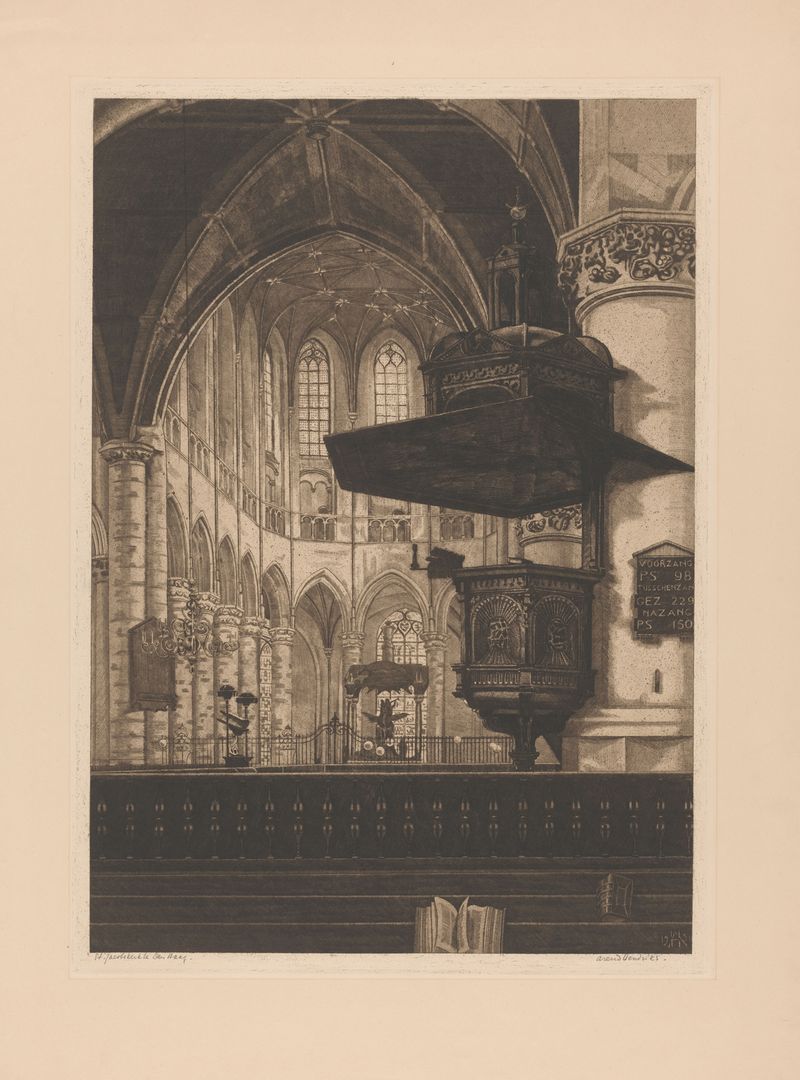
St. Jacobskerk te Den Haag
Arend Hendriks

Landschap met bloemen
Arend Hendriks
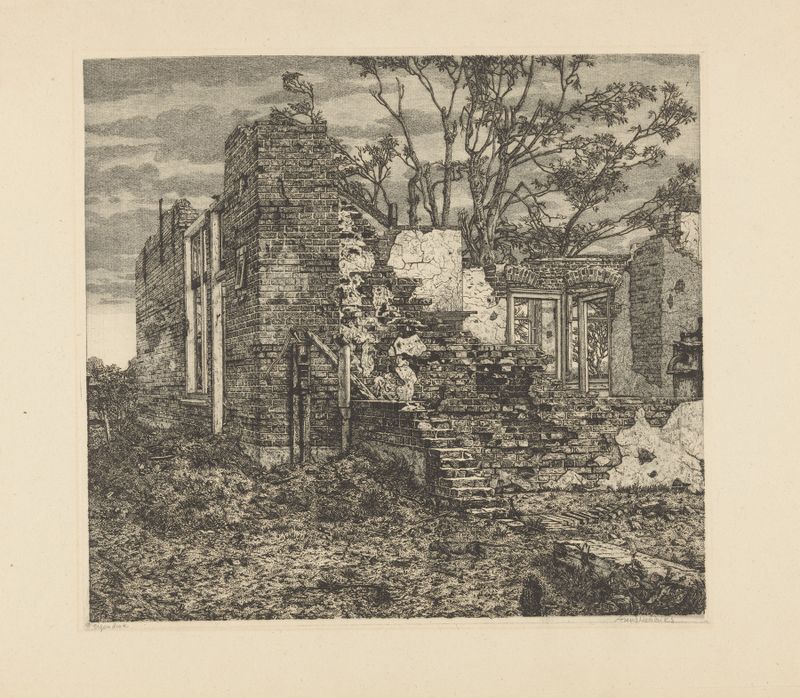
Ruïne van een huis
Arend Hendriks
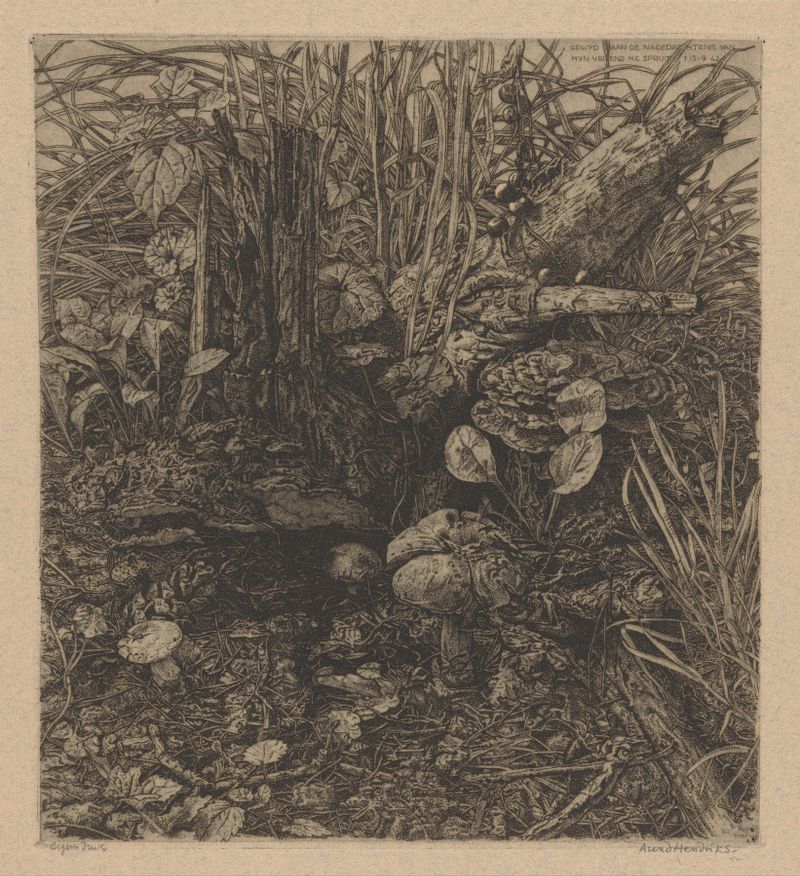
Paddenstoelen bij een boomstronk
Arend Hendriks

Gezicht op Huis ten Bosch, RP-P-2014-83-65
Arend Hendriks
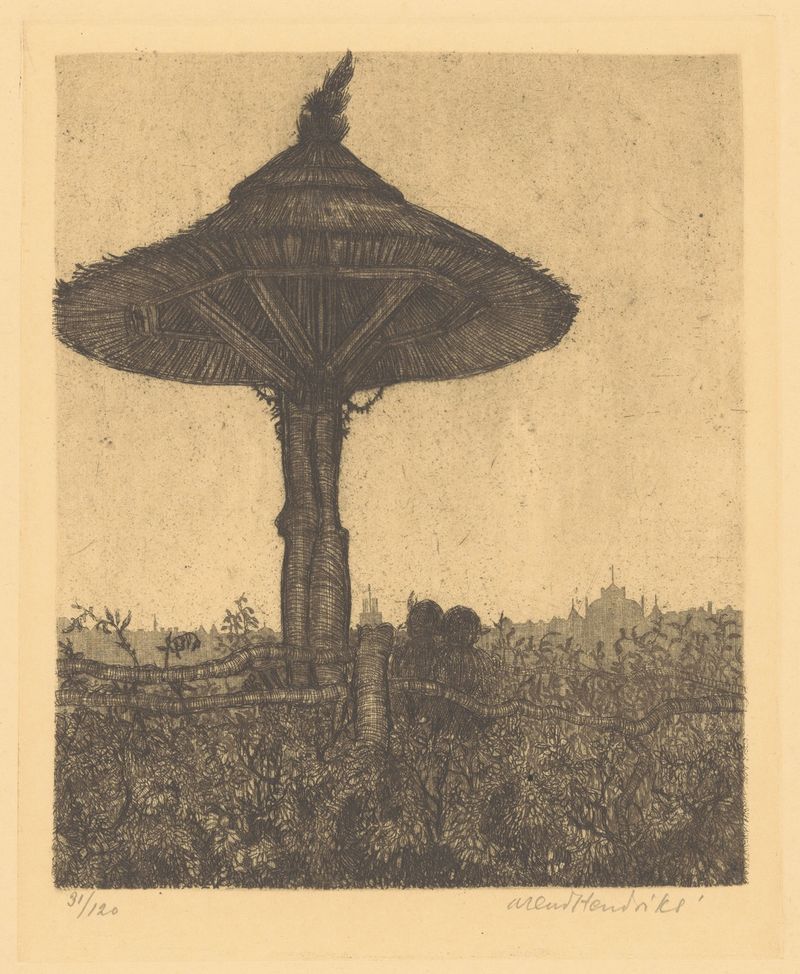
De paraplu
Arend Hendriks
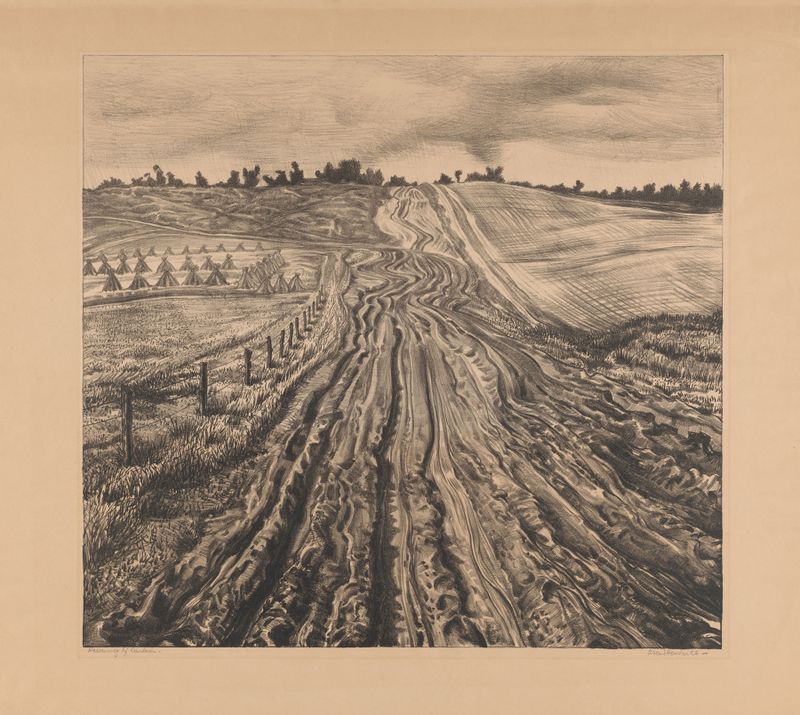
Hessenweg bij Lunteren
Arend Hendriks
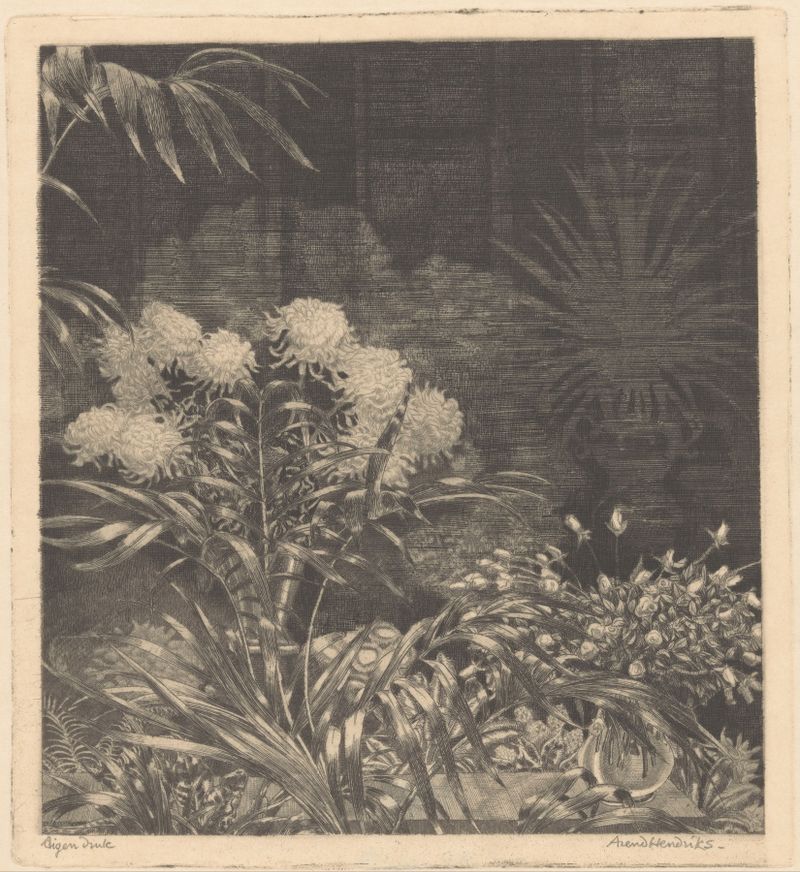
Interieur met bloemen in vazen en planten in potten
Arend Hendriks
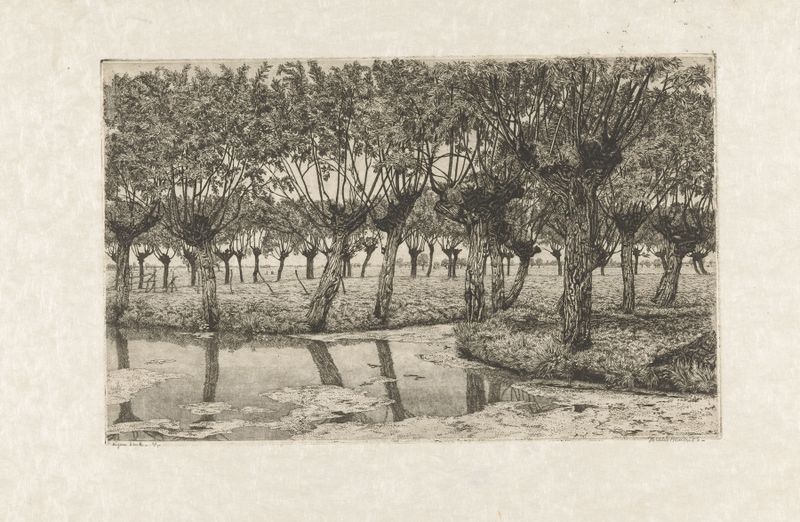
Polderlandschap met knotwilgen
Arend Hendriks
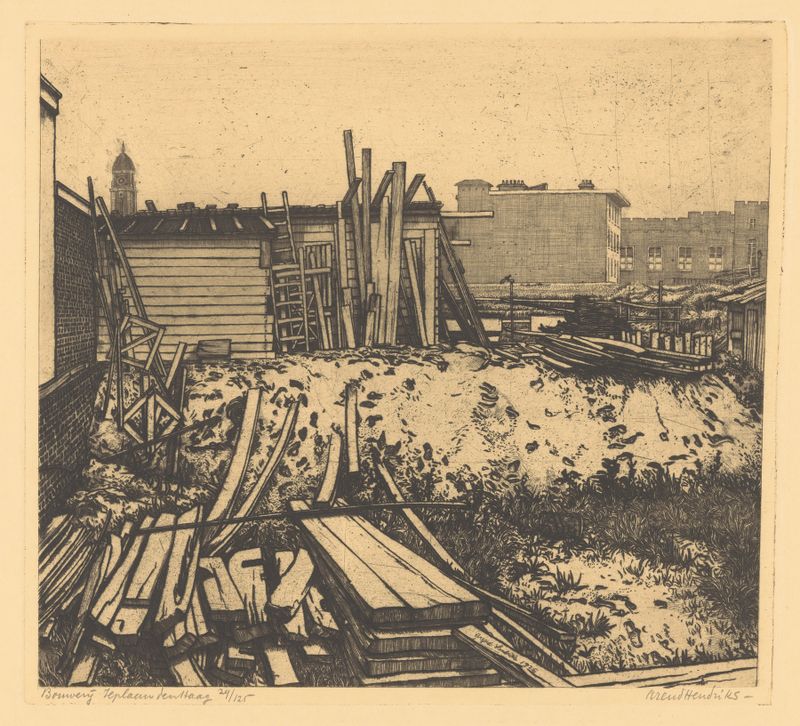
Bouwerij, Ieplaan, Den Haag
Arend Hendriks





