
St. Jacobskerk te Den Haag — History & Facts
In a world of perpetual noise, what echoes in the silence of an empty church? Look to the center, where the vast, hollow interior of St. Jacobskerk unfolds. The meticulous lines of the architecture lead the eye upward, drawing attention to the soaring arches that stretch toward an unseen sky.
Notice how light floods through the stained glass, casting muted hues onto the stone floors, creating an interplay of shadow and illumination that hints at both reverence and solitude. This interplay reveals the artist's deft handling of space, emphasizing the grandeur of the structure against the void it contains. Within this emptiness lies a profound tension. The absence of human presence intensifies the weight of expectation; one can almost hear the echoes of whispered prayers.
Each detail, from the intricate carvings to the distant altar, speaks to a longing for connection amidst isolation. The juxtaposition of architectural strength and the overwhelming silence provokes questions about faith, absence, and the sacred spaces we inhabit — or, at times, fail to fill. Arend Hendriks painted this work in 1931 while living in the Netherlands, a time marked by the aftermath of the First World War and a shifting artistic landscape. As a member of the Dutch avant-garde, he navigated through traditional and modernist influences, seeking to capture the essence of place and atmosphere.
The period was characterized by a profound exploration of identity, with artists striving to convey deeper truths through their work, making this portrayal of emptiness resonate powerfully within the context of its time.
More Artworks by Arend Hendriks
Browse all →
Landschap met bloemen
Arend Hendriks
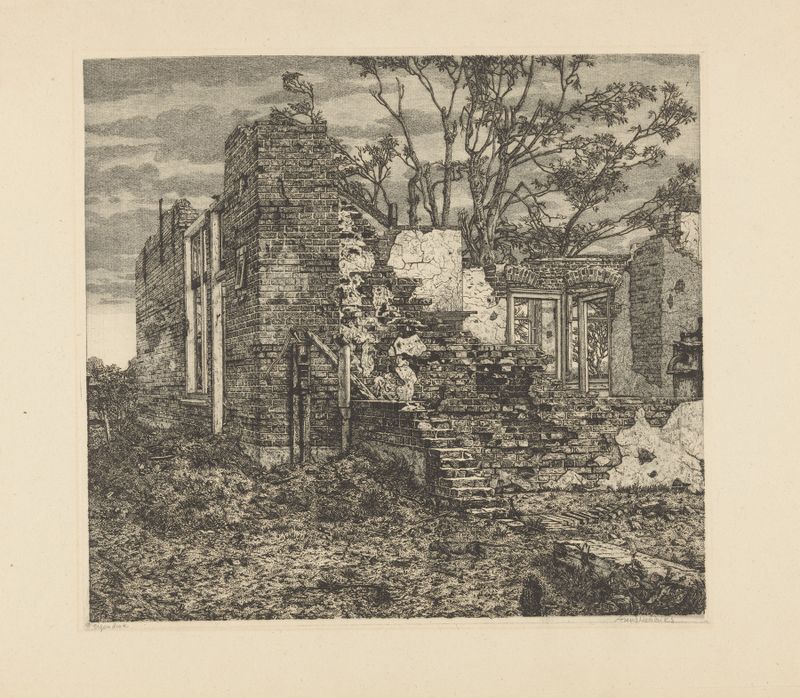
Ruïne van een huis
Arend Hendriks
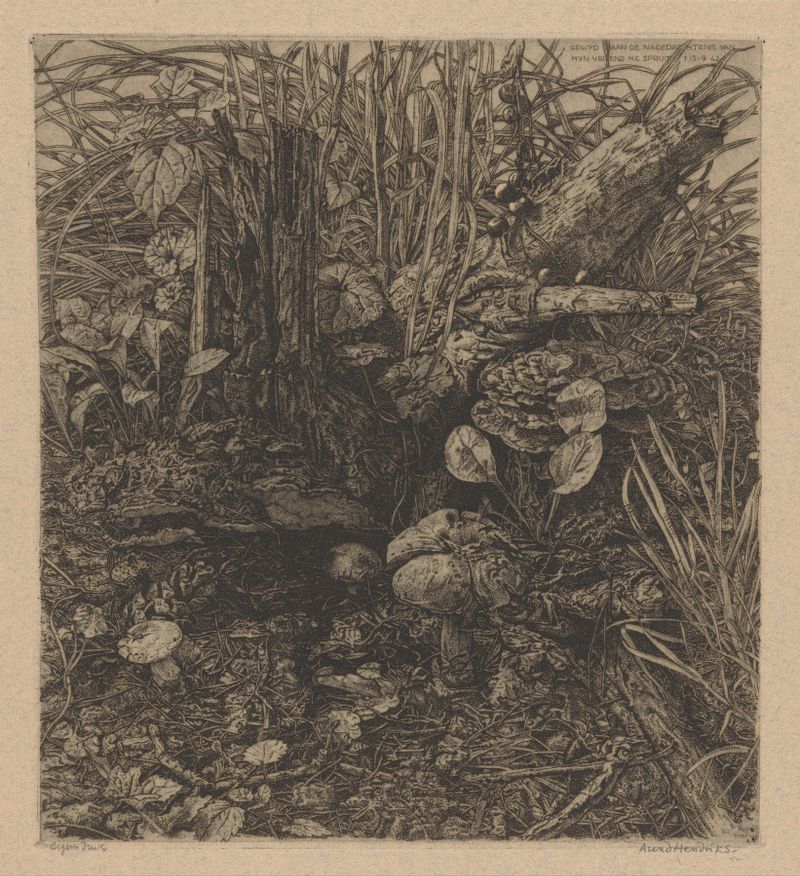
Paddenstoelen bij een boomstronk
Arend Hendriks

Gezicht op Huis ten Bosch, RP-P-2014-83-65
Arend Hendriks
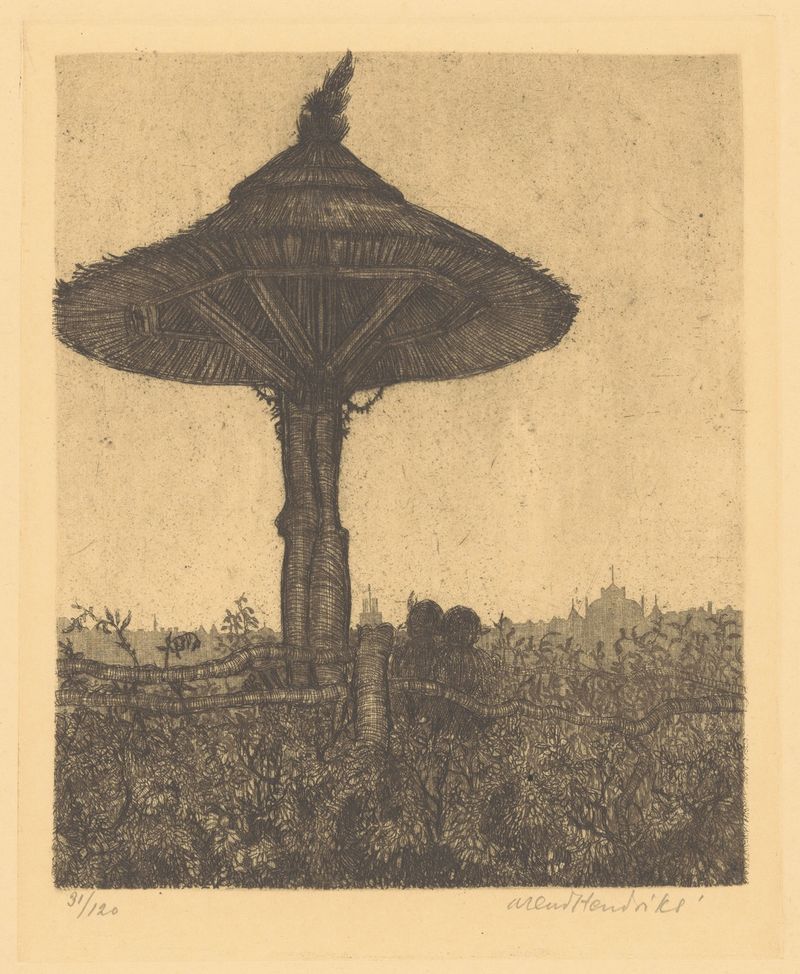
De paraplu
Arend Hendriks
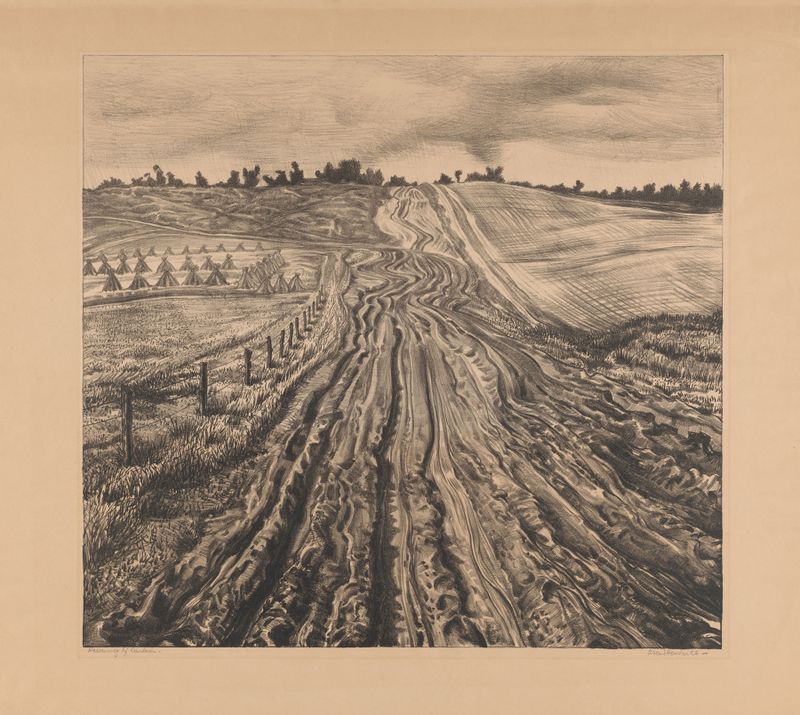
Hessenweg bij Lunteren
Arend Hendriks
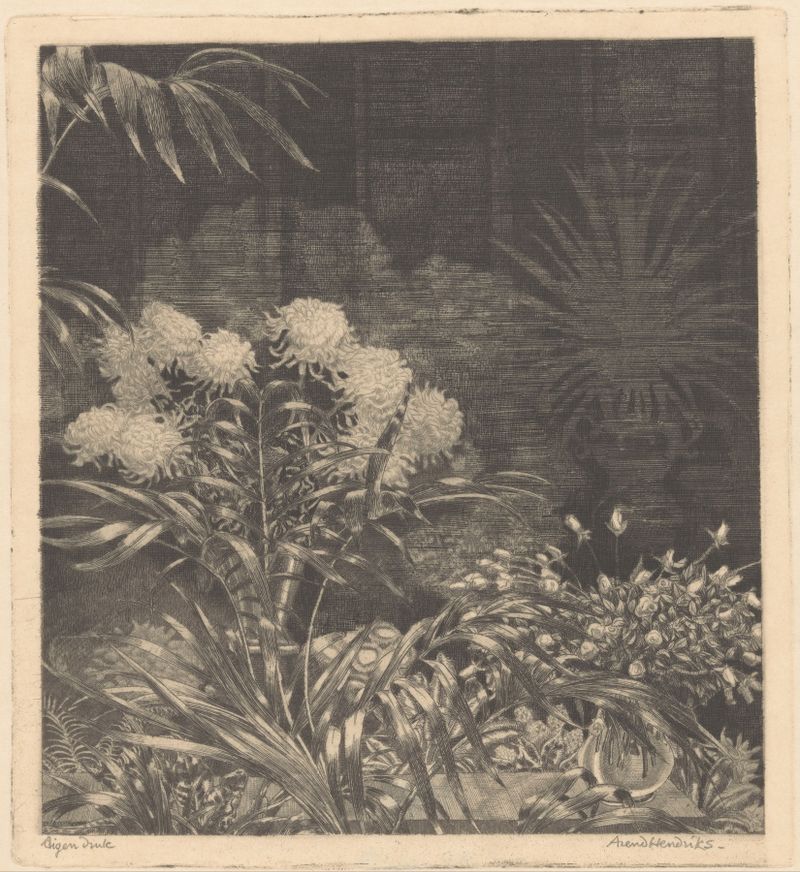
Interieur met bloemen in vazen en planten in potten
Arend Hendriks
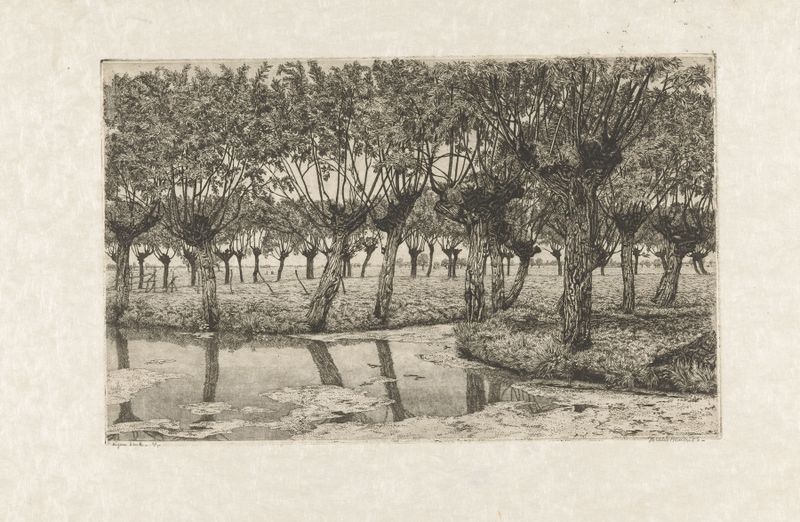
Polderlandschap met knotwilgen
Arend Hendriks
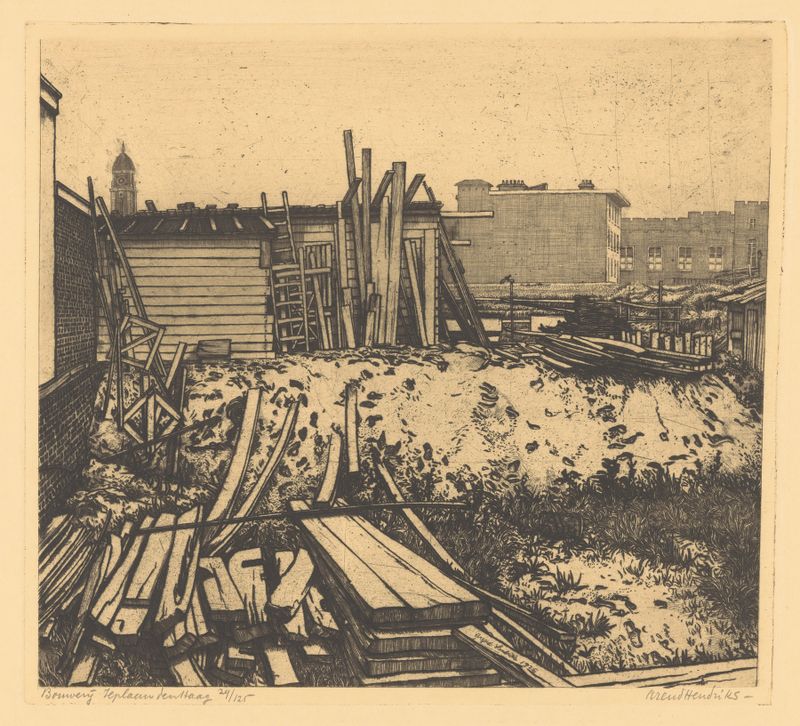
Bouwerij, Ieplaan, Den Haag
Arend Hendriks
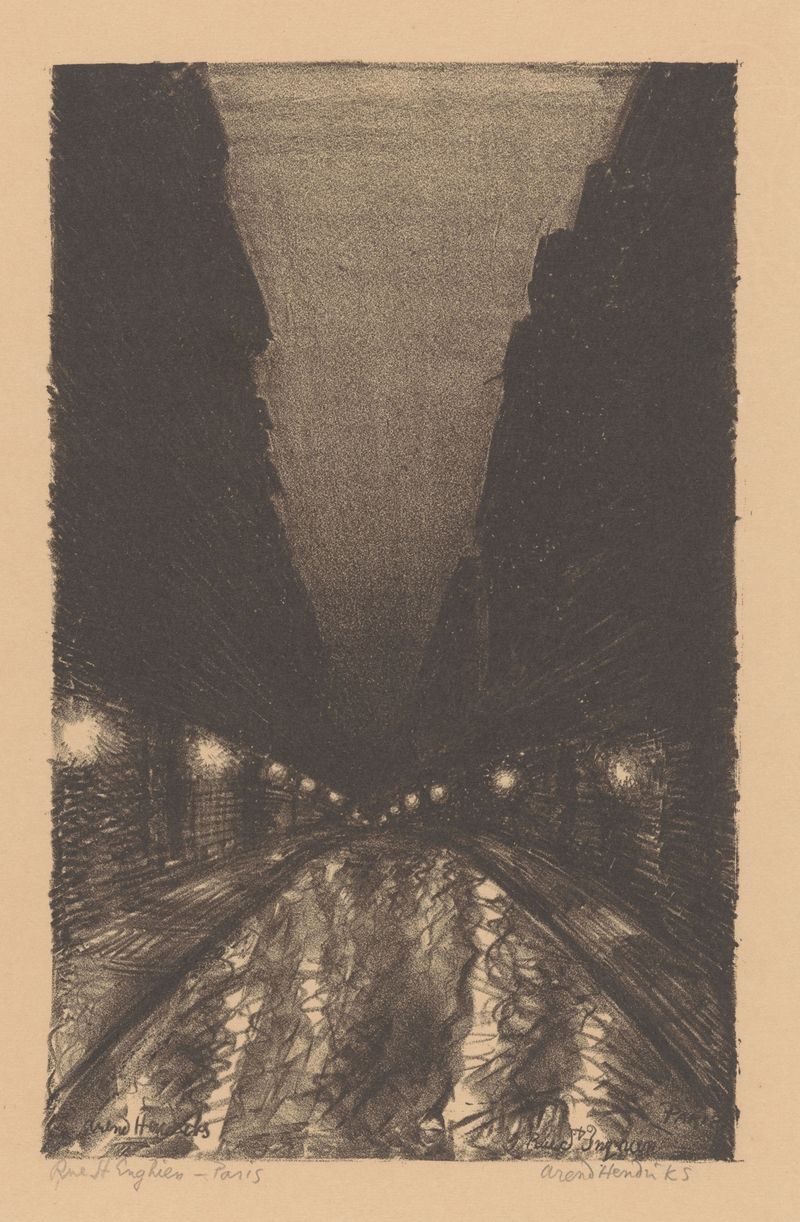
Rue d’Enghien, Paris
Arend Hendriks
More Architecture Art
Browse all →
The statue of Liberty
Frédéric Auguste Bartholdi

View of Houses in Delft, Known as ‘The Little Street’
Johannes Vermeer

View of Houses in Delft, Known as ‘The Little Street’
Johannes Vermeer

The Cathedral in Rouen. The portal, Grey Weather
Claude Monet

The yellow house
Vincent van Gogh

The Church in Auvers-sur-Oise, View from the Chevet
Vincent van Gogh