
Polderlandschap met knotwilgen — History & Facts
Who listens when art speaks of silence? In the quiet expanse of Polderlandschap met knotwilgen, a poignant stillness envelops the landscape, whispering stories of loss and remembrance. Look to the horizon where the muted colors of green and brown meld with the soft grays of the sky, creating an atmosphere that feels both serene and heavy. Notice how the gnarled willow trees stand as lone sentinels, their twisted branches reaching towards the heavens, embodying a sense of resilience against the passage of time. The horizontal lines of the fields stretch out before us, inviting contemplation and grounding the viewer within the emotional weight of the scene. In this work, the contrast between the vitality of nature and the stillness of the moment creates an emotional tension that resonates deeply.
Each tree, with its unique twists and turns, symbolizes individual grief, while the expansive landscape mirrors the weight of collective sorrow. Together, they invite introspection, prompting us to reflect on what is lost and what remains in the echo of silence. During the years between 1911 and 1939, Arend Hendriks captured this scene amidst a rapidly changing world. Living in the Netherlands, he witnessed the transformations of landscape and society, influenced by both the effects of industrialization and the looming shadows of war.
This period of his life was marked by a search for meaning in nature, leading him to paint scenes that evoke a sense of continuity and connection in a time of uncertainty.
More Artworks by Arend Hendriks
Browse all →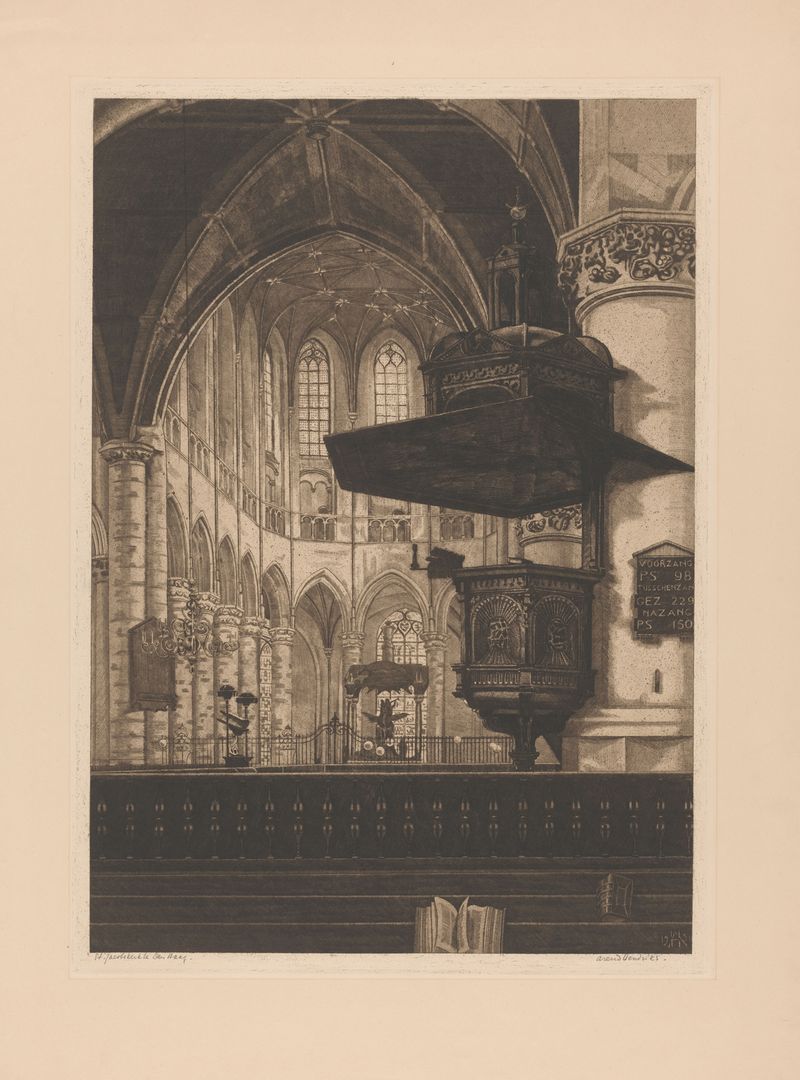
St. Jacobskerk te Den Haag
Arend Hendriks

Landschap met bloemen
Arend Hendriks
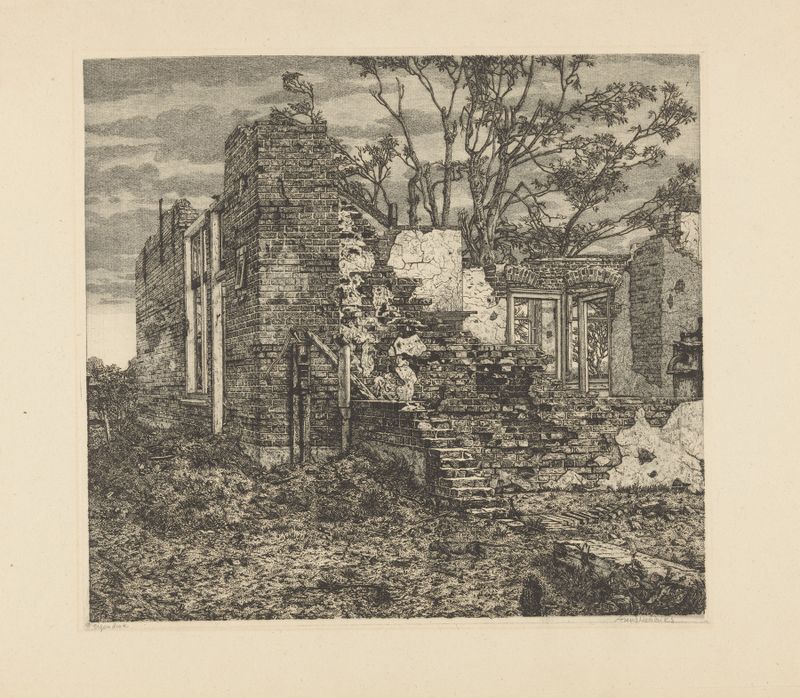
Ruïne van een huis
Arend Hendriks
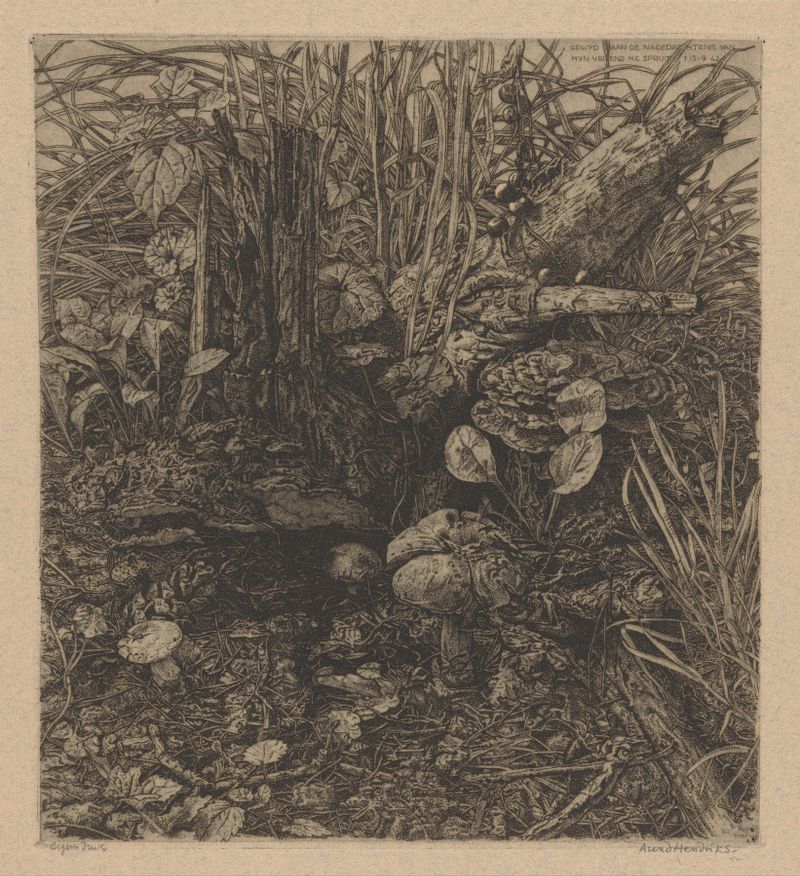
Paddenstoelen bij een boomstronk
Arend Hendriks

Gezicht op Huis ten Bosch, RP-P-2014-83-65
Arend Hendriks
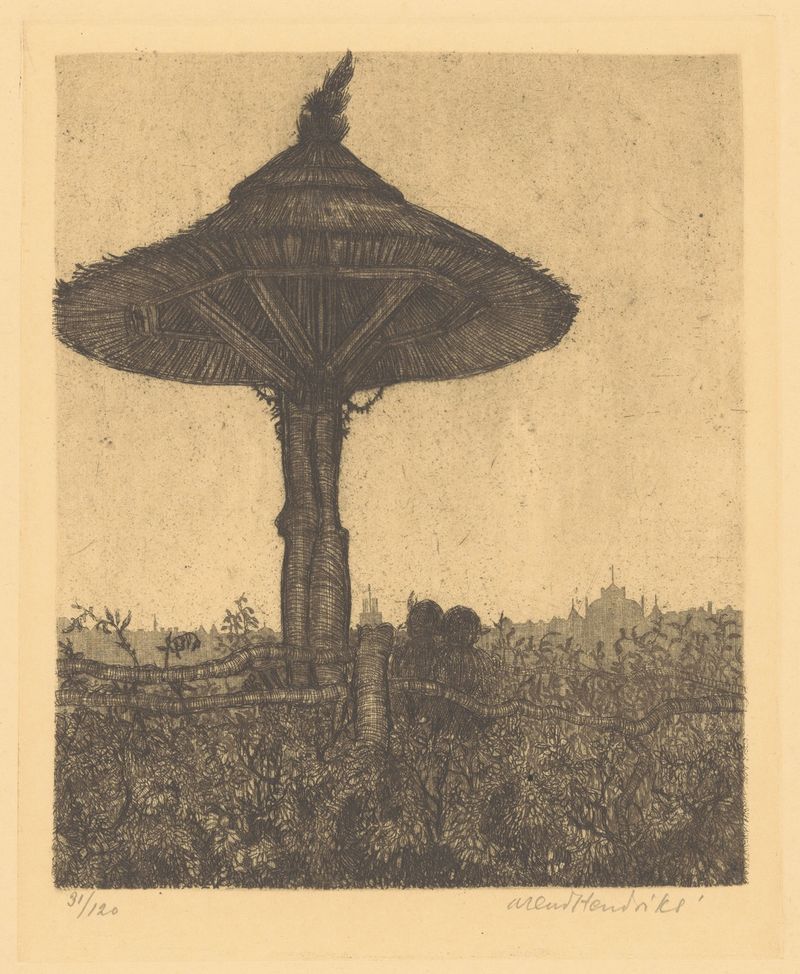
De paraplu
Arend Hendriks
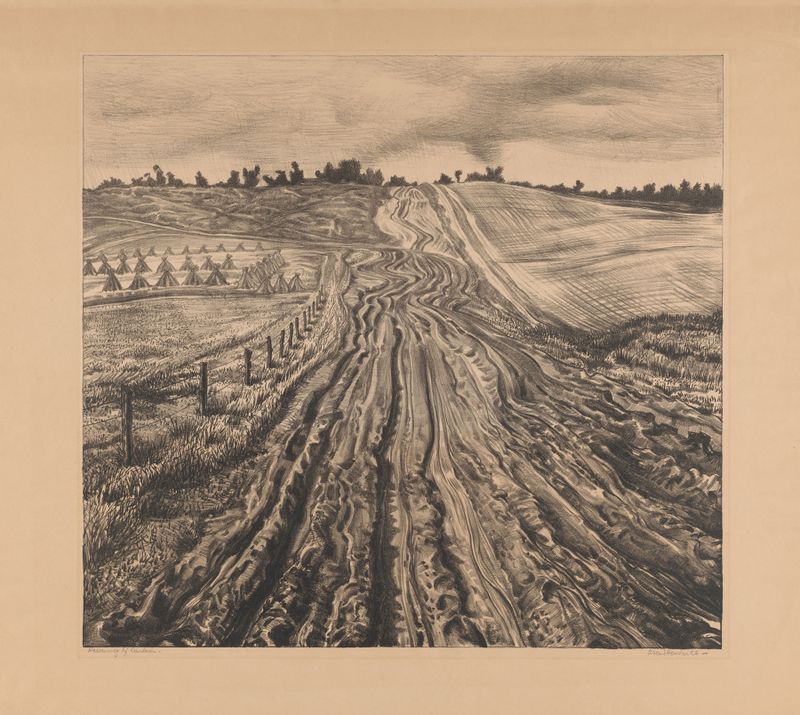
Hessenweg bij Lunteren
Arend Hendriks
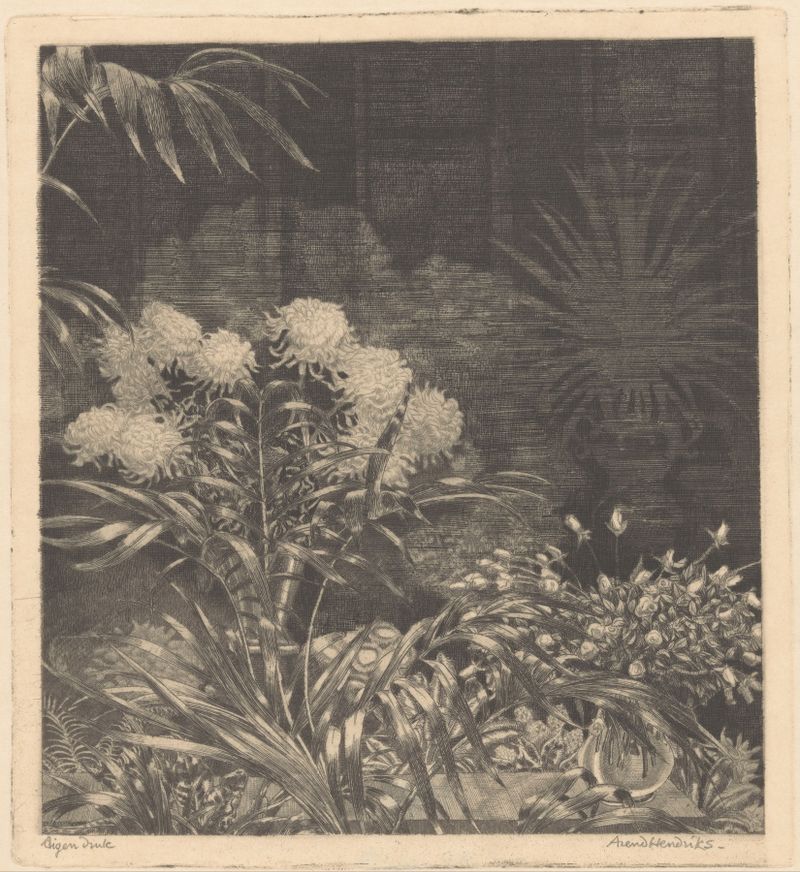
Interieur met bloemen in vazen en planten in potten
Arend Hendriks
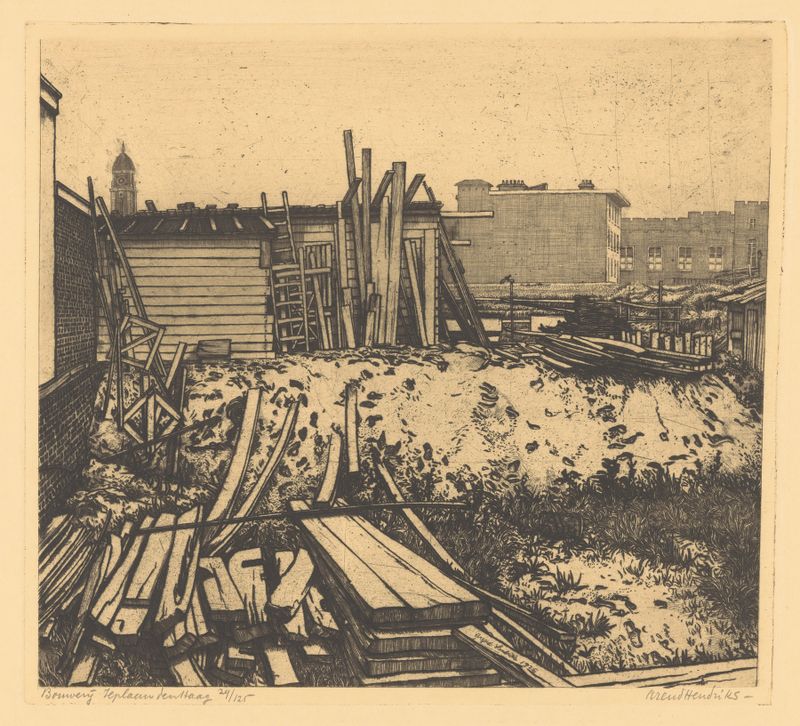
Bouwerij, Ieplaan, Den Haag
Arend Hendriks
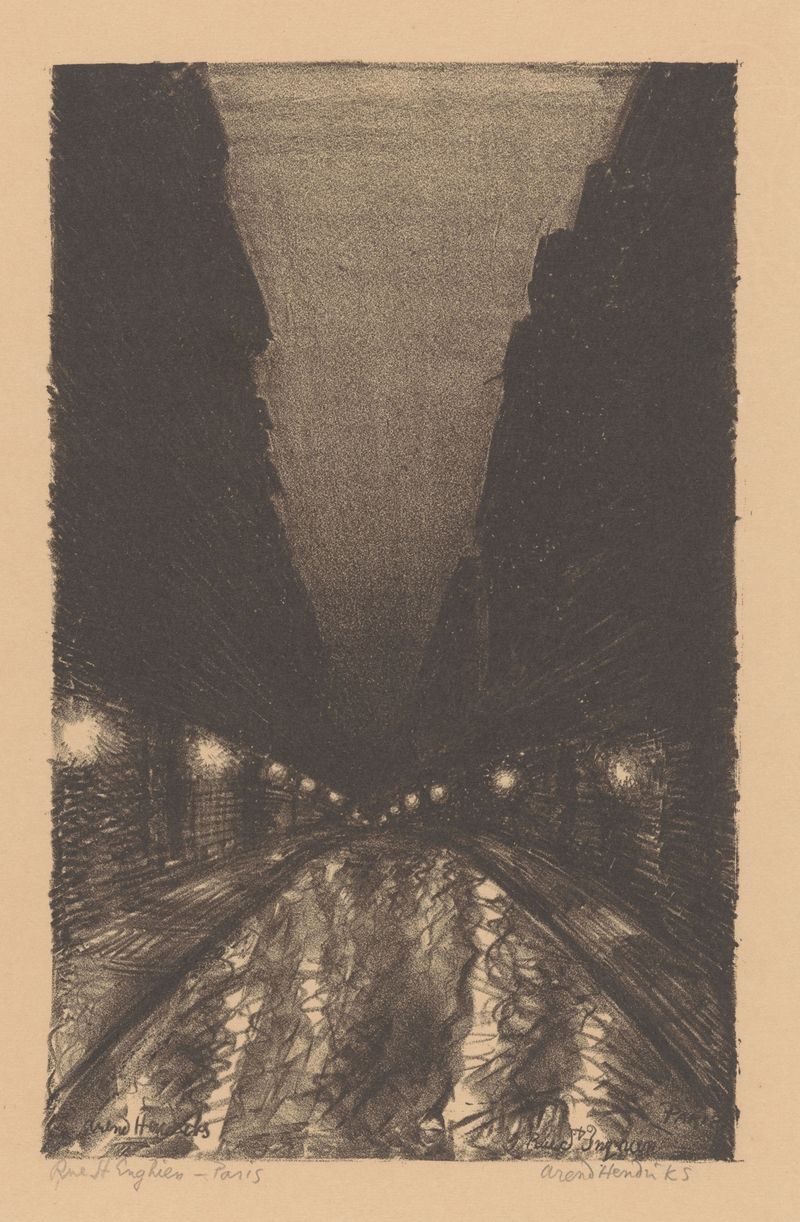
Rue d’Enghien, Paris
Arend Hendriks





