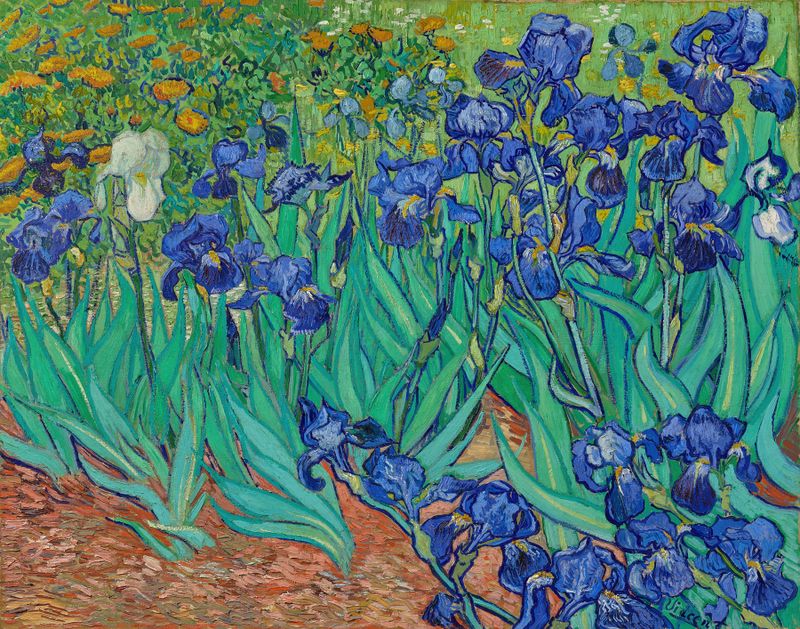
Landschap met bloemen — History & Facts
In Landschap met bloemen, the vibrant blooms evoke a sense of nostalgia that lingers like a distant, bittersweet memory. The brilliance of the colors might draw one in, but beneath the surface lies a complexity that connects beauty with a yearning for what once was. Look closely at the center, where the petals burst forth in hues of crimson and violet, each stroke seemingly alive with passion. Notice how the light dances against the delicate flowers, casting shadows that hint at their fragility.
The juxtaposition of lush blooms against a muted landscape creates a tension, inviting the viewer to explore the dichotomy between vibrancy and stillness, joy and longing. Delve deeper into the composition, where the meticulous detailing reveals a quiet narrative. The flowers, while radiant, appear isolated, suggesting a sense of loneliness amidst beauty. The artist’s choice of a subdued background amplifies this feeling, portraying a world where nature's splendor is tinged with an undercurrent of loss.
Each brushstroke captures not just the essence of flora, but the fleeting nature of moments we desperately wish to hold onto. In 1943, during the turmoil of World War II, Arend Hendriks created this work in the Netherlands, a country grappling with occupation and hardship. Art offered a refuge; it was a medium through which he could process the chaos around him. It was a time of personal struggle and profound change in the art world, where emotions found expression in both the beauty of landscapes and the weight of historical context.
More Artworks by Arend Hendriks
Browse all →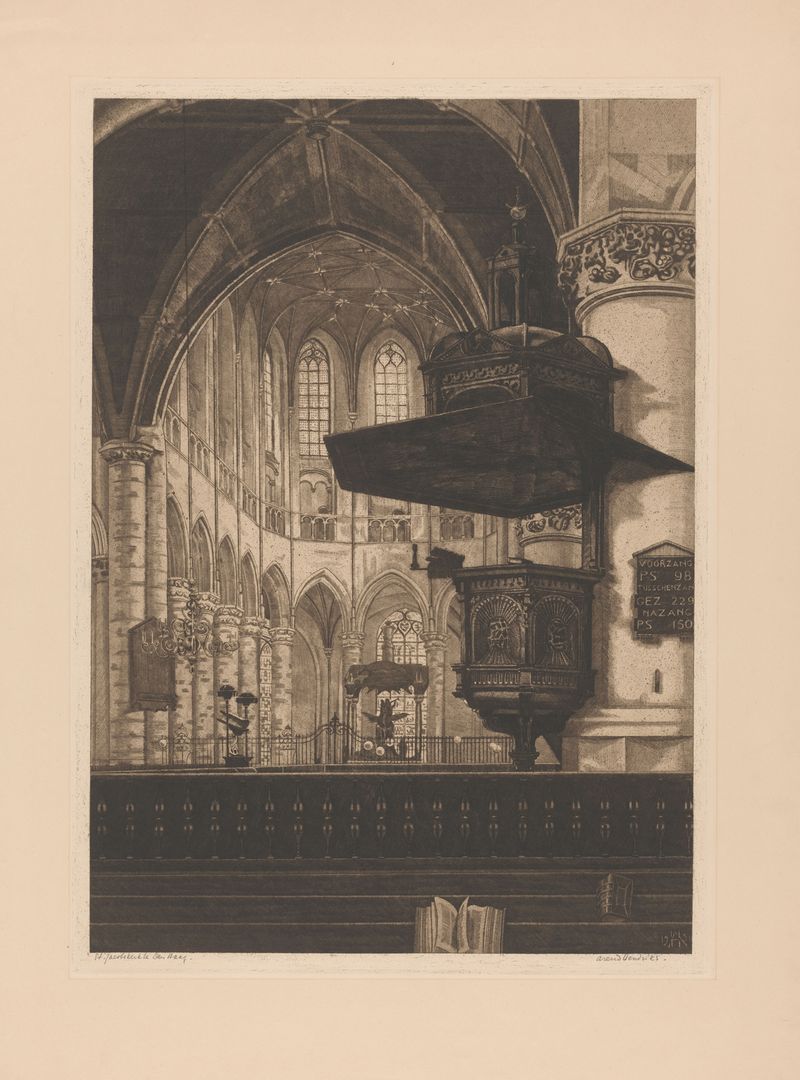
St. Jacobskerk te Den Haag
Arend Hendriks
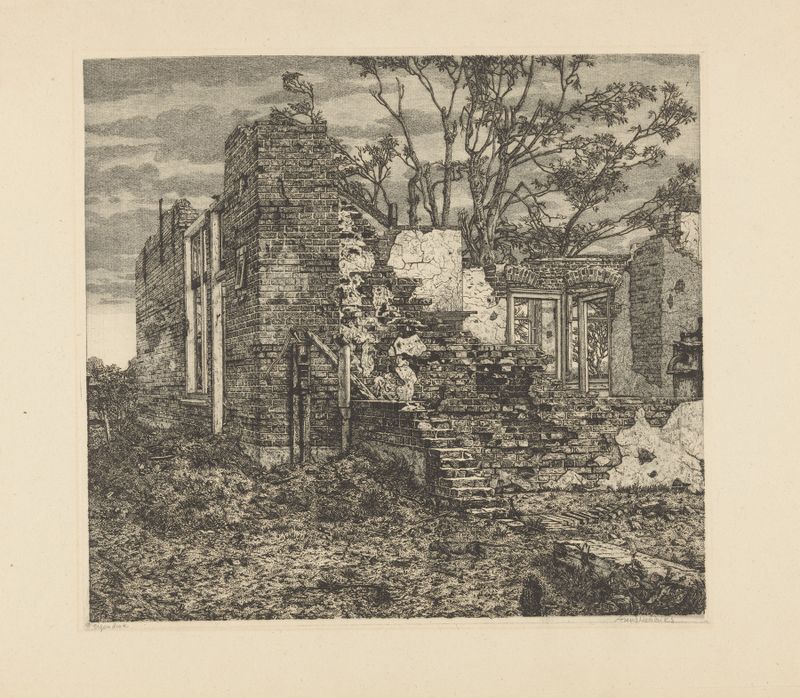
Ruïne van een huis
Arend Hendriks
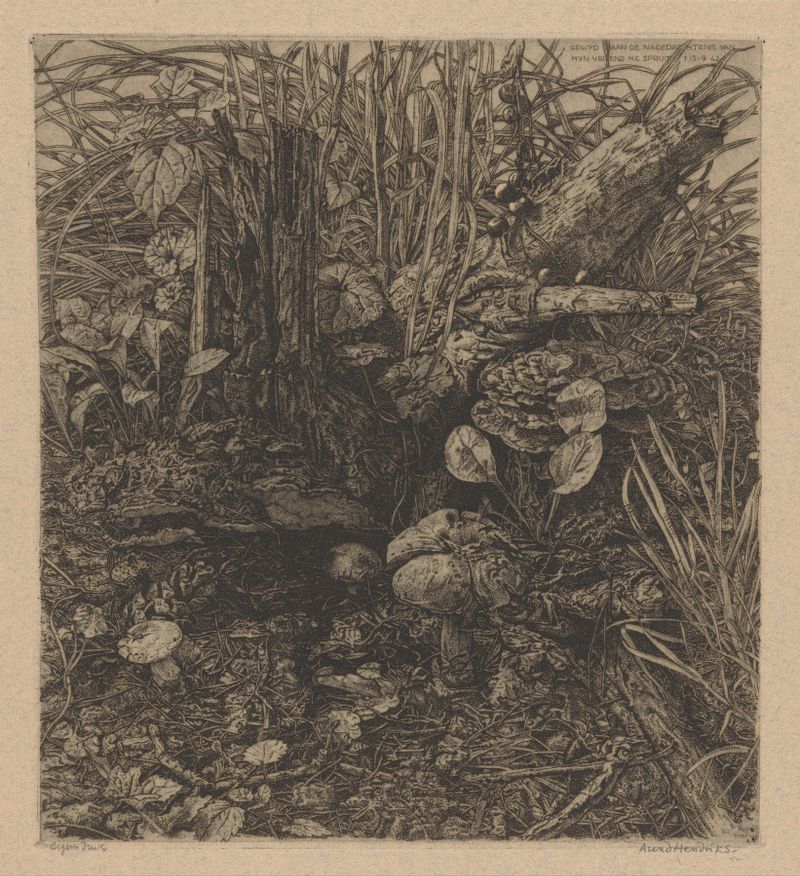
Paddenstoelen bij een boomstronk
Arend Hendriks

Gezicht op Huis ten Bosch, RP-P-2014-83-65
Arend Hendriks
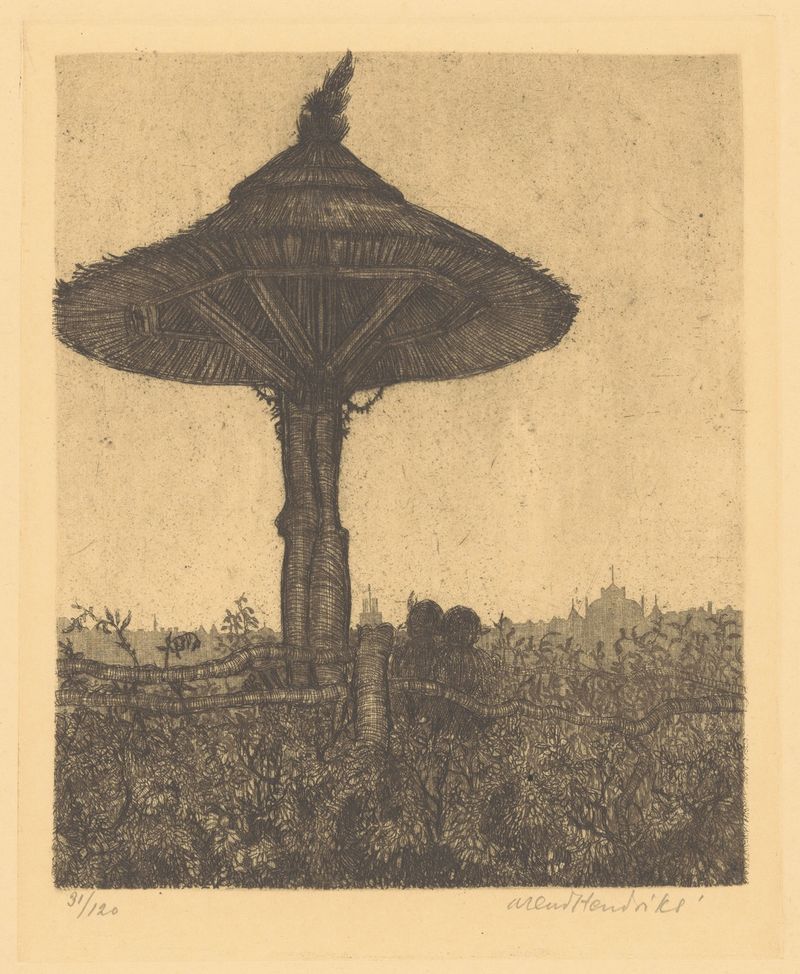
De paraplu
Arend Hendriks
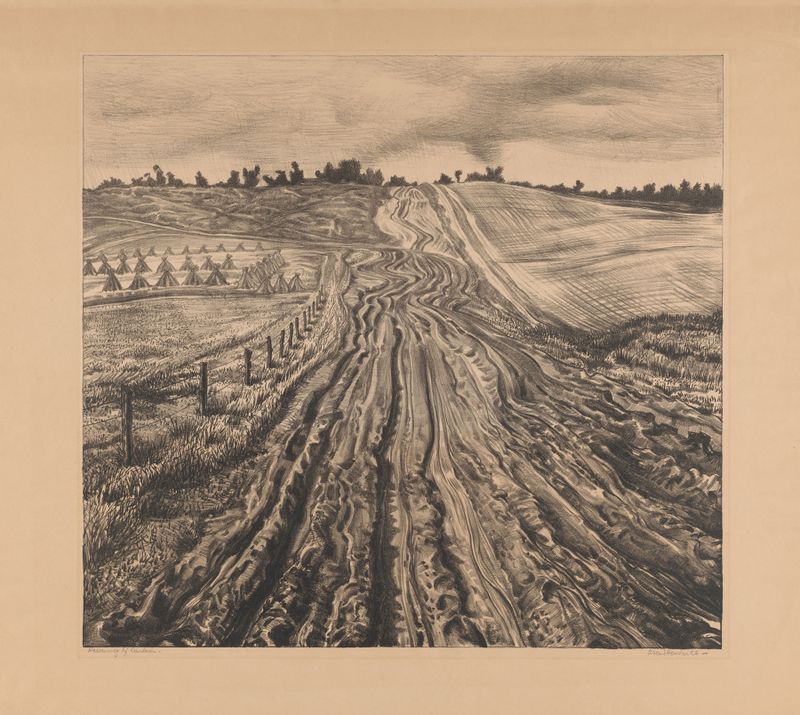
Hessenweg bij Lunteren
Arend Hendriks
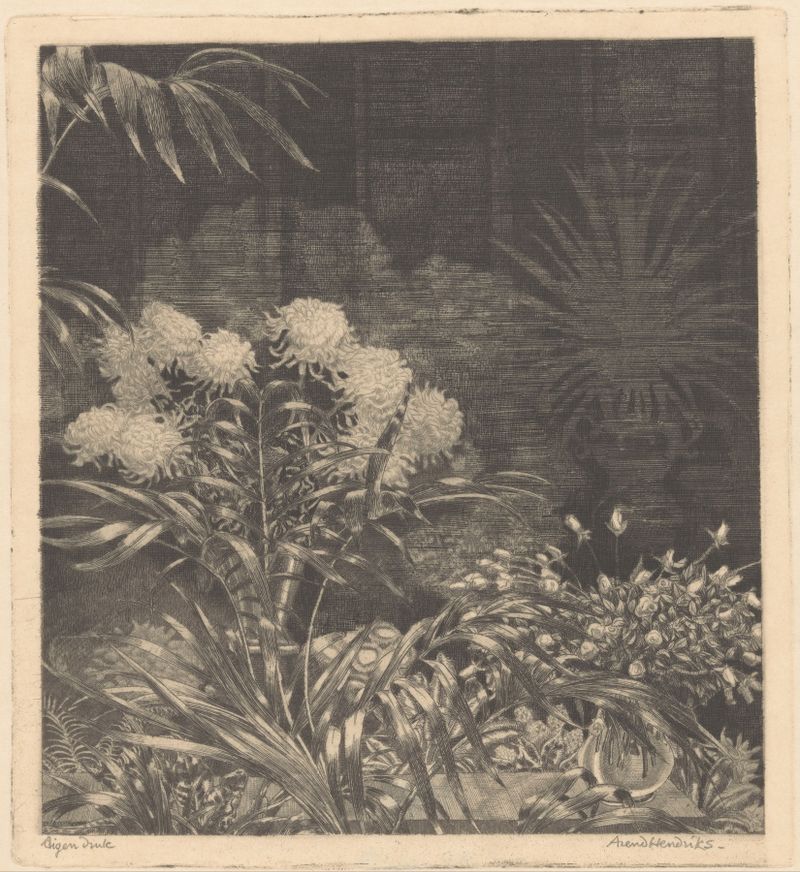
Interieur met bloemen in vazen en planten in potten
Arend Hendriks
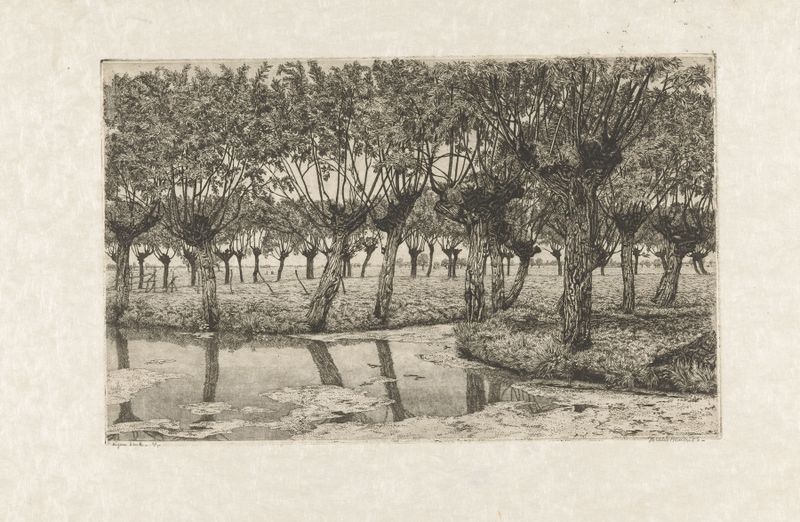
Polderlandschap met knotwilgen
Arend Hendriks
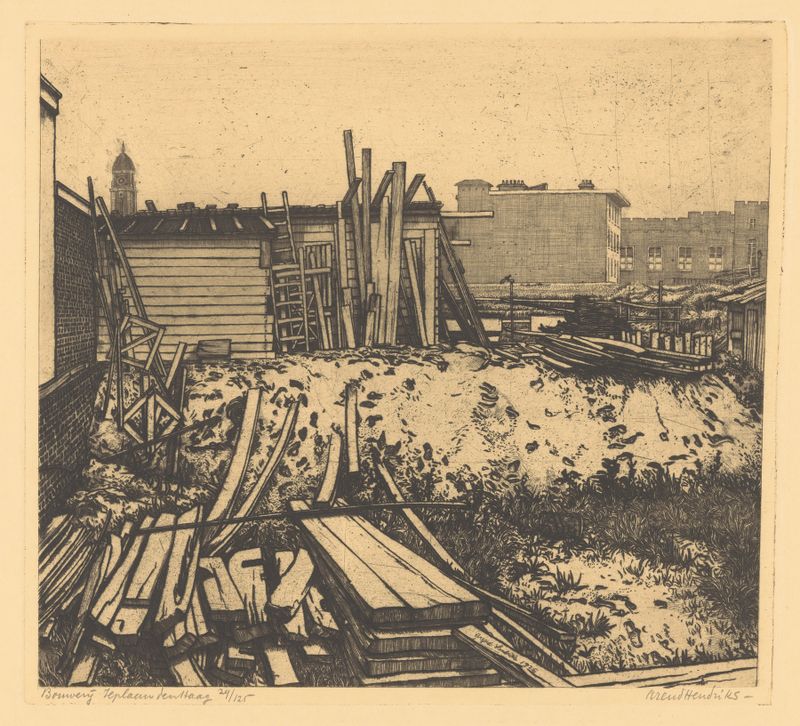
Bouwerij, Ieplaan, Den Haag
Arend Hendriks
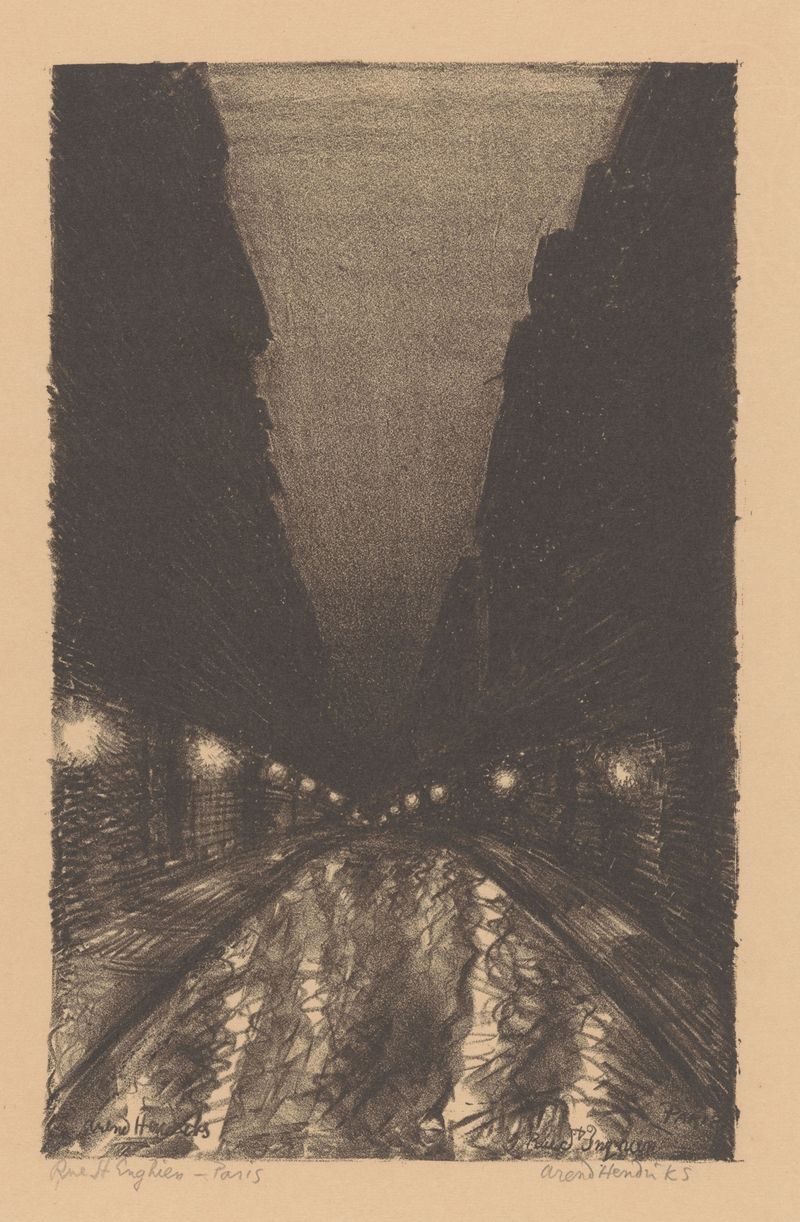
Rue d’Enghien, Paris
Arend Hendriks