
Hessenweg bij Lunteren — History & Facts
When did color learn to lie? In the quiet embrace of nature, hues whisper stories of destiny and time, evoking emotions that stretch beyond mere representation. Look to the left at the intricate winding path, a subtle invitation into the heart of this serene landscape. The gentle greens and warm browns blend seamlessly, each brushstroke revealing Hendriks’ meticulous attention to detail. Notice how the light dances across the foliage, creating a dialogue between shadow and illumination, between reality and the imagination.
The horizon, a soft gradient of blues, draws the eye upward, suggesting a world filled with possibilities. Yet beneath this tranquil facade lies a deeper tension. The path, though inviting, remains solitary, hinting at themes of isolation and the journey of the self. The delicate interplay of light and shadow mirrors the complexities of fate, where every decision leads to uncharted territories.
There’s an echo of nostalgia in the colors, a gentle reminder of transience, as if the landscape holds its breath, waiting for the inevitable passage of time. Created between 1911 and 1931, this painting finds its roots in the artistic evolution of the early 20th century, a period marked by rapid change and reflection. Hendriks, working during a time of transformation in both his personal life and the broader art world, infused his landscapes with a sense of longing and exploration. The tranquil yet charged atmosphere of his works urges viewers to consider their own paths, woven intricately with the threads of destiny.
More Artworks by Arend Hendriks
Browse all →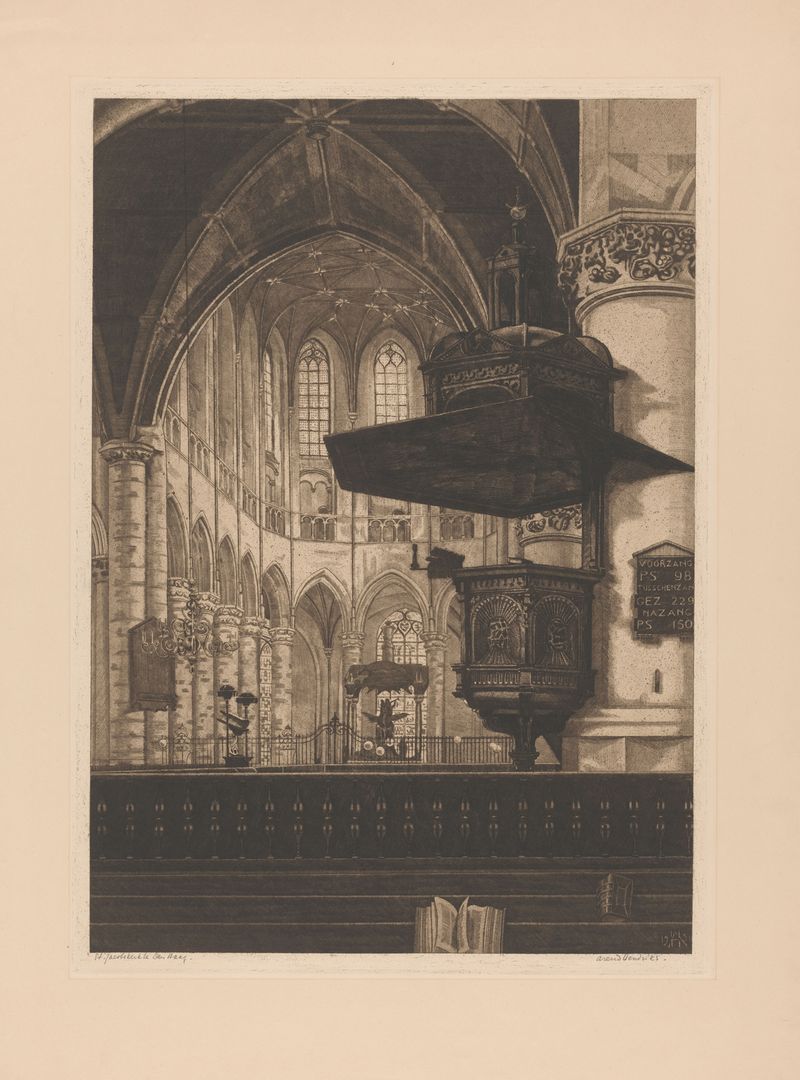
St. Jacobskerk te Den Haag
Arend Hendriks

Landschap met bloemen
Arend Hendriks
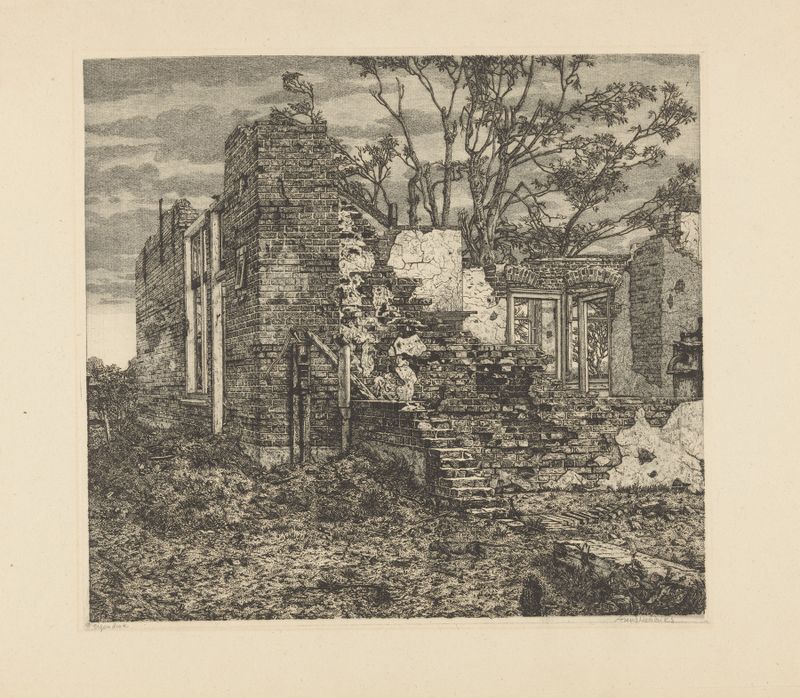
Ruïne van een huis
Arend Hendriks
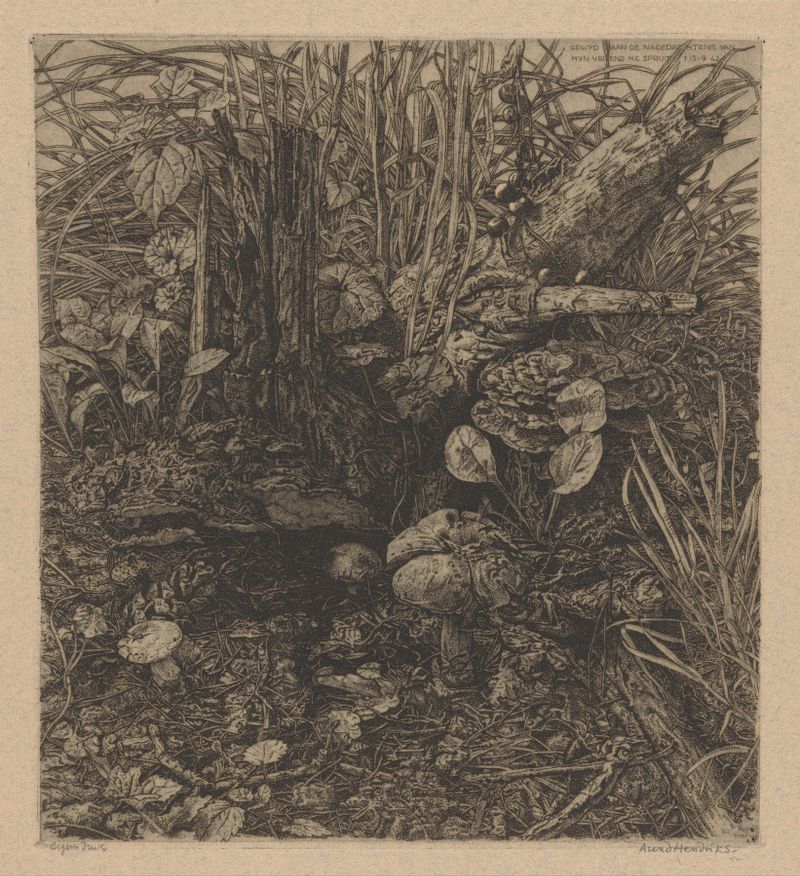
Paddenstoelen bij een boomstronk
Arend Hendriks

Gezicht op Huis ten Bosch, RP-P-2014-83-65
Arend Hendriks
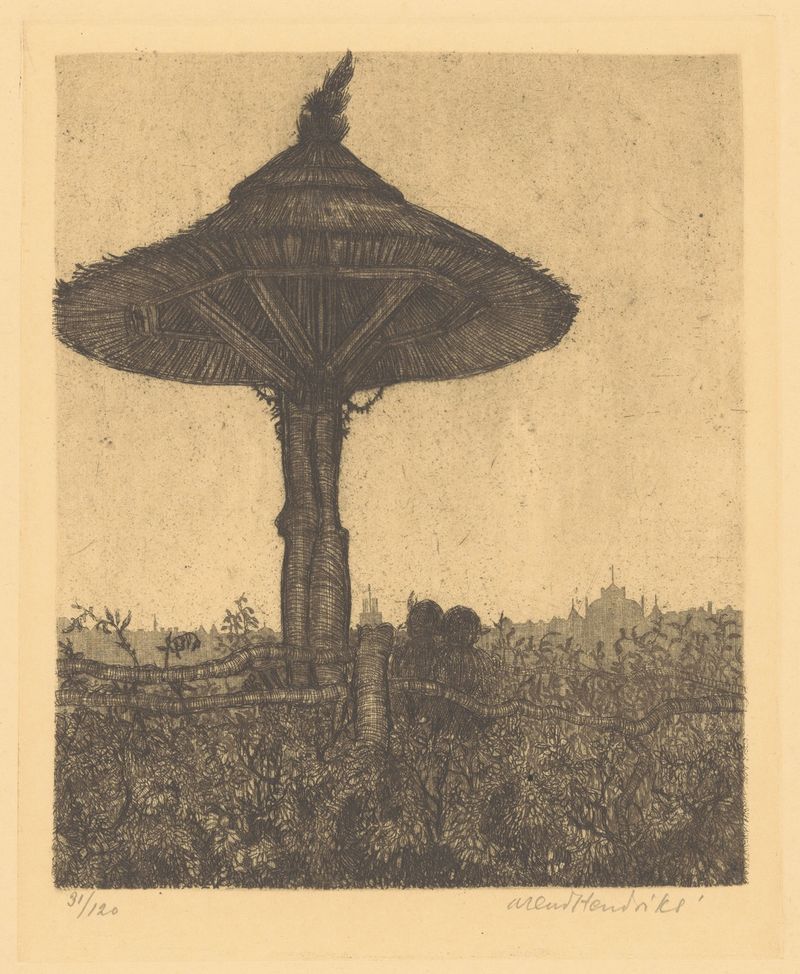
De paraplu
Arend Hendriks
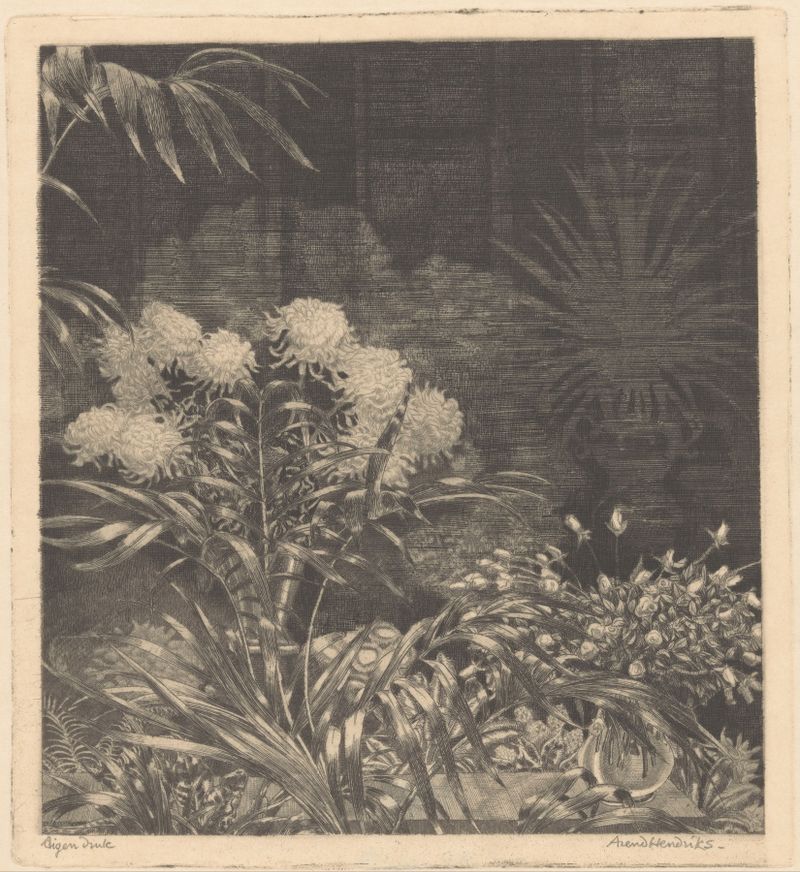
Interieur met bloemen in vazen en planten in potten
Arend Hendriks
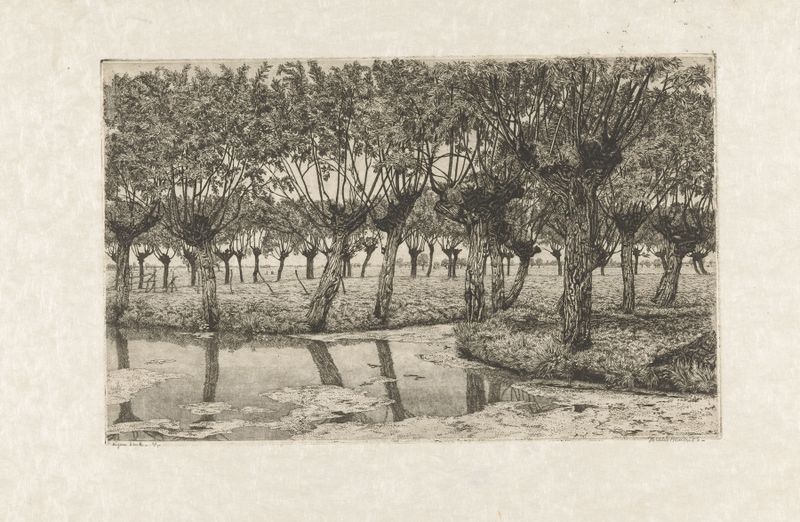
Polderlandschap met knotwilgen
Arend Hendriks
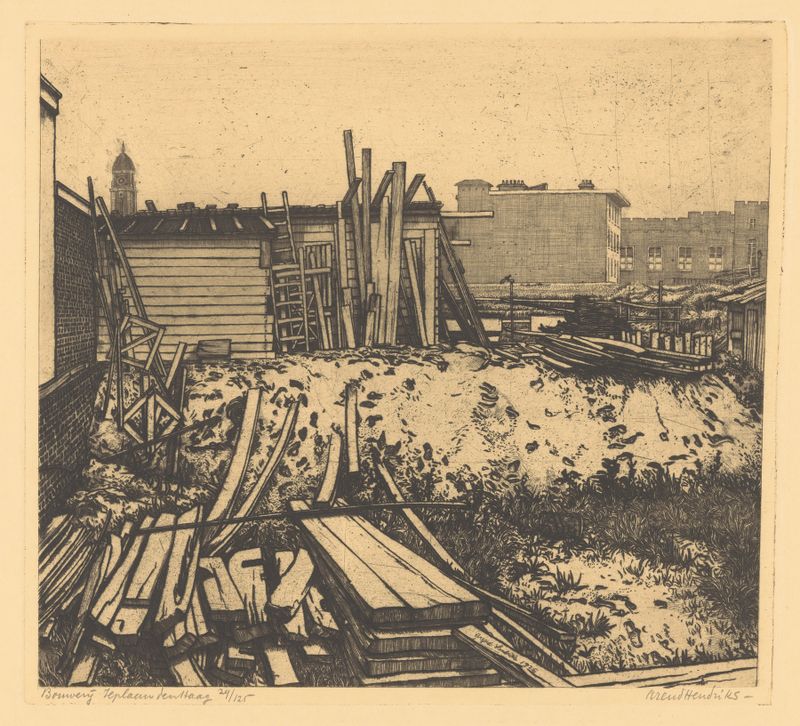
Bouwerij, Ieplaan, Den Haag
Arend Hendriks
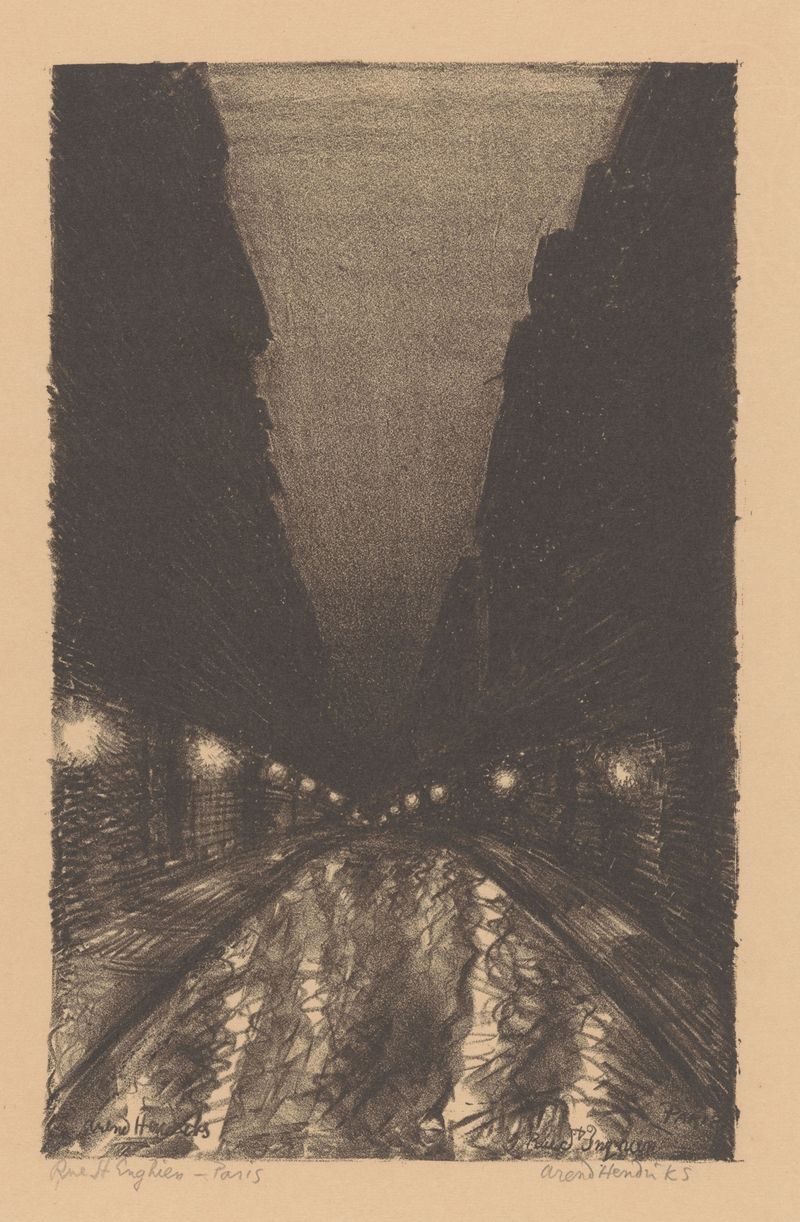
Rue d’Enghien, Paris
Arend Hendriks





