
Ruïne van een huis — History & Facts
This sentiment resonates deeply with the haunting beauty of a crumbling home, where memories linger as shadows in the fading light. The essence of creation is encapsulated within the ruins, evoking a sense of both loss and the enduring spirit of what once was. Look to the center of the canvas, where the skeletal remains of the house rise defiantly against the encroaching landscape. The muted earth tones—grays, browns, and the occasional hint of green—convey the passage of time, while rough brushstrokes suggest the disarray of the structure.
Notice how the light filters through the gaps, creating a chiaroscuro that highlights both the fragility of the home and the resilience of nature as it begins to reclaim the space. The juxtaposition of decay and life is palpable; the wreckage suggests a history steeped in stories, yet the burgeoning weeds and creeping vines whisper of renewal. Each detail—the chipped paint, the shattered windows—bears witness to forgotten laughter and sorrow, inviting viewers to ponder the lives once lived within these walls. Here lies a poignant reflection on transience, where destruction births an unexpected beauty. Created between 1911 and 1942, this work emerged during a tumultuous period for the artist, a time when the world faced significant upheaval.
Living in the Netherlands, Hendriks navigated the impacts of two world wars, which undeniably influenced his perspective on impermanence and resilience. His exploration of architectural ruins symbolizes not just the physical collapse of structures but also the deeper emotional and cultural shifts occurring around him.
More Artworks by Arend Hendriks
Browse all →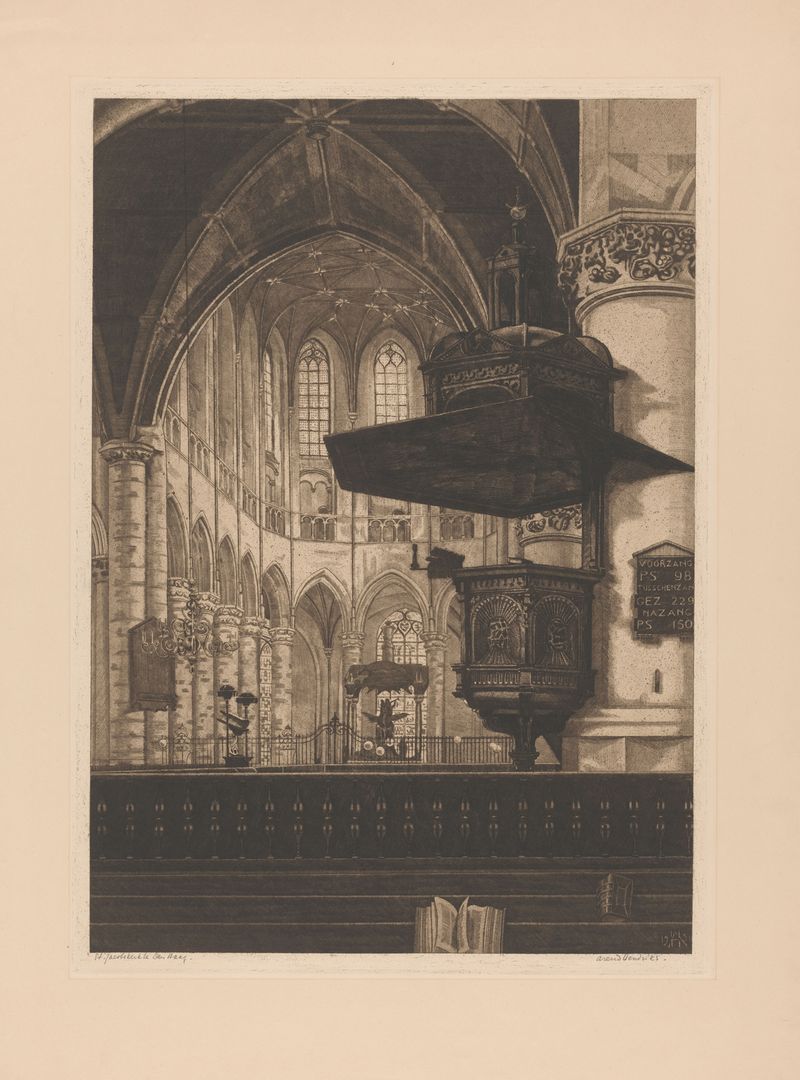
St. Jacobskerk te Den Haag
Arend Hendriks

Landschap met bloemen
Arend Hendriks
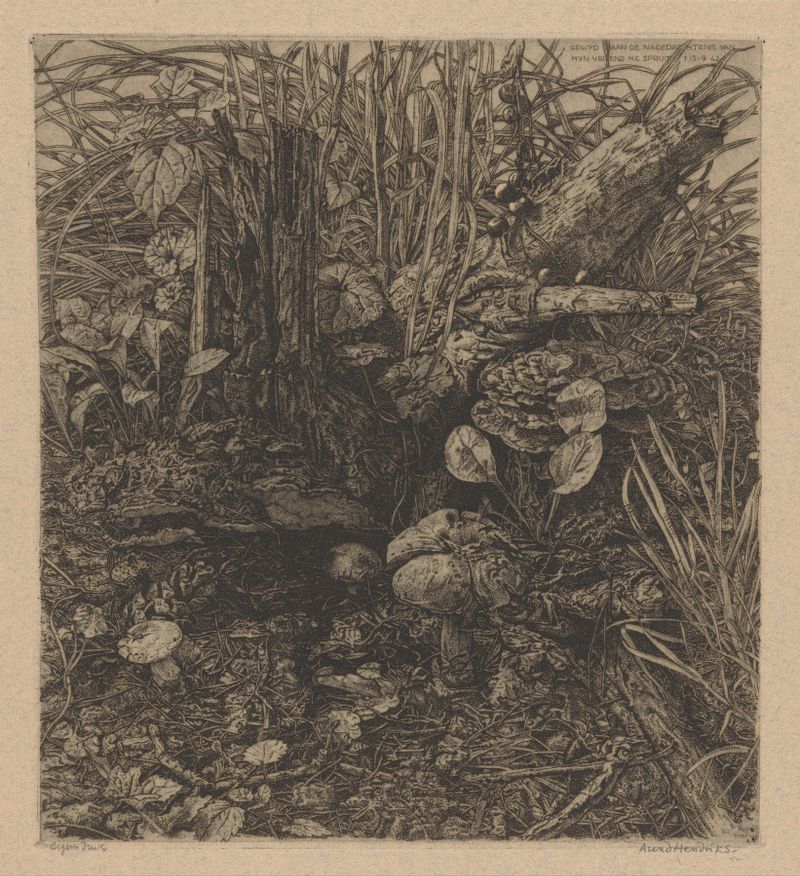
Paddenstoelen bij een boomstronk
Arend Hendriks

Gezicht op Huis ten Bosch, RP-P-2014-83-65
Arend Hendriks
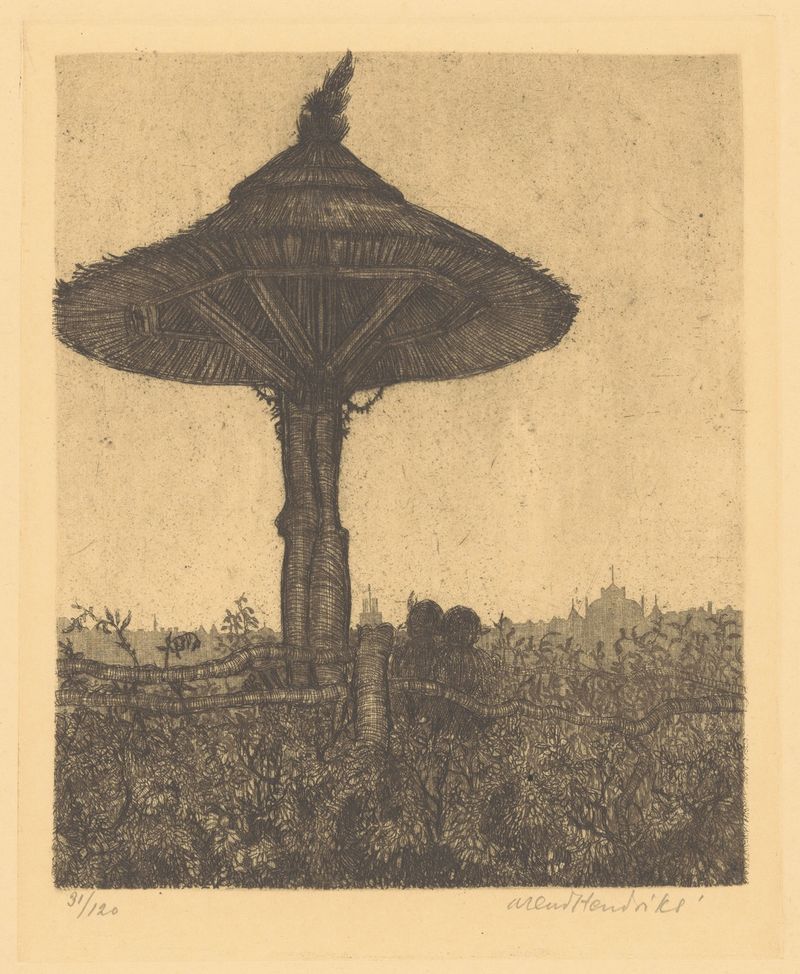
De paraplu
Arend Hendriks
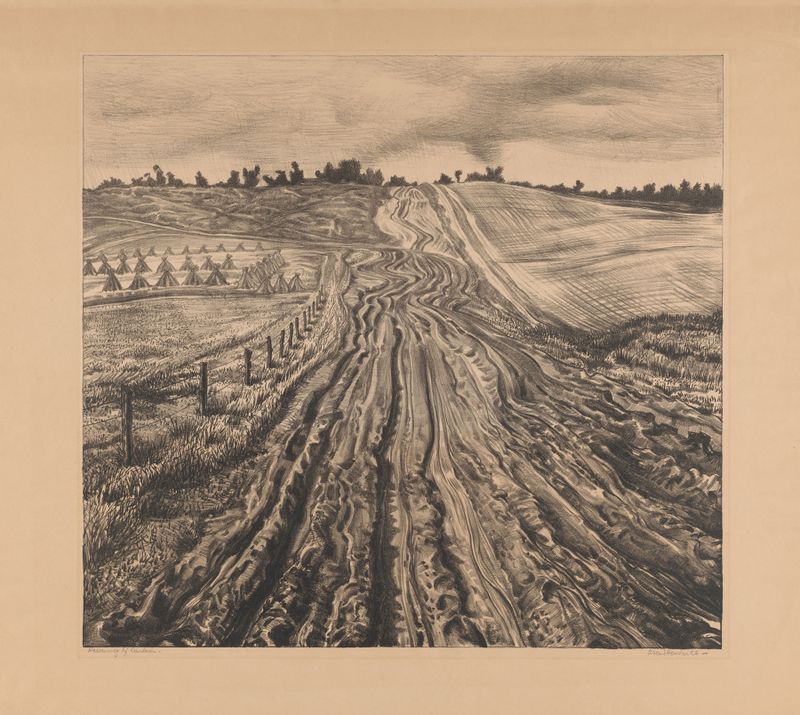
Hessenweg bij Lunteren
Arend Hendriks
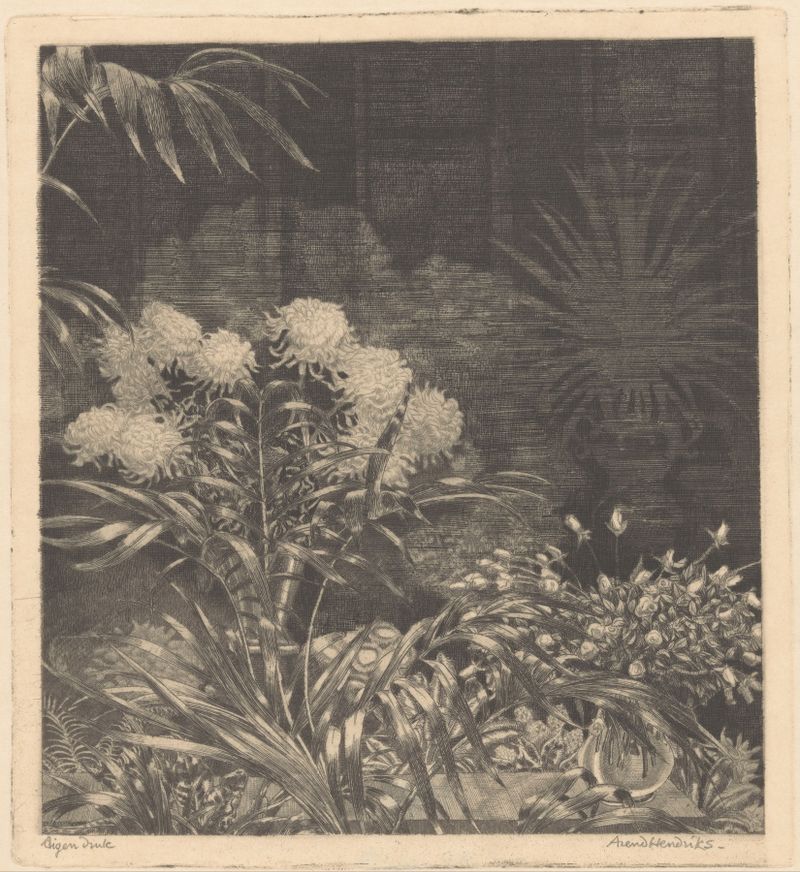
Interieur met bloemen in vazen en planten in potten
Arend Hendriks
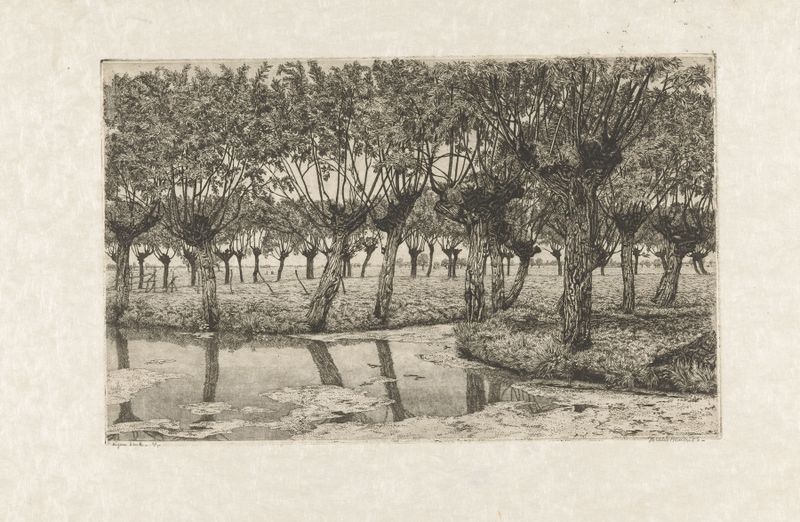
Polderlandschap met knotwilgen
Arend Hendriks
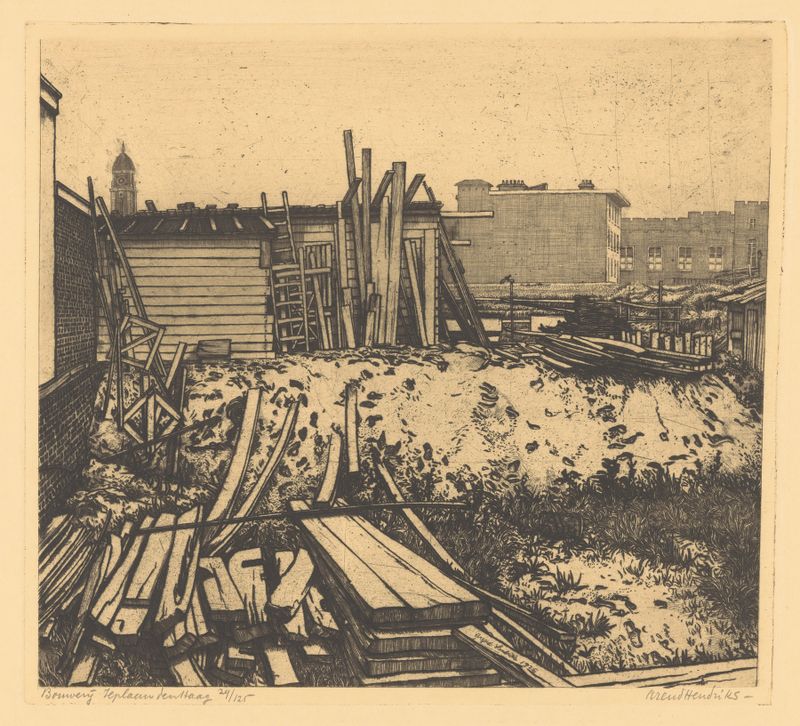
Bouwerij, Ieplaan, Den Haag
Arend Hendriks
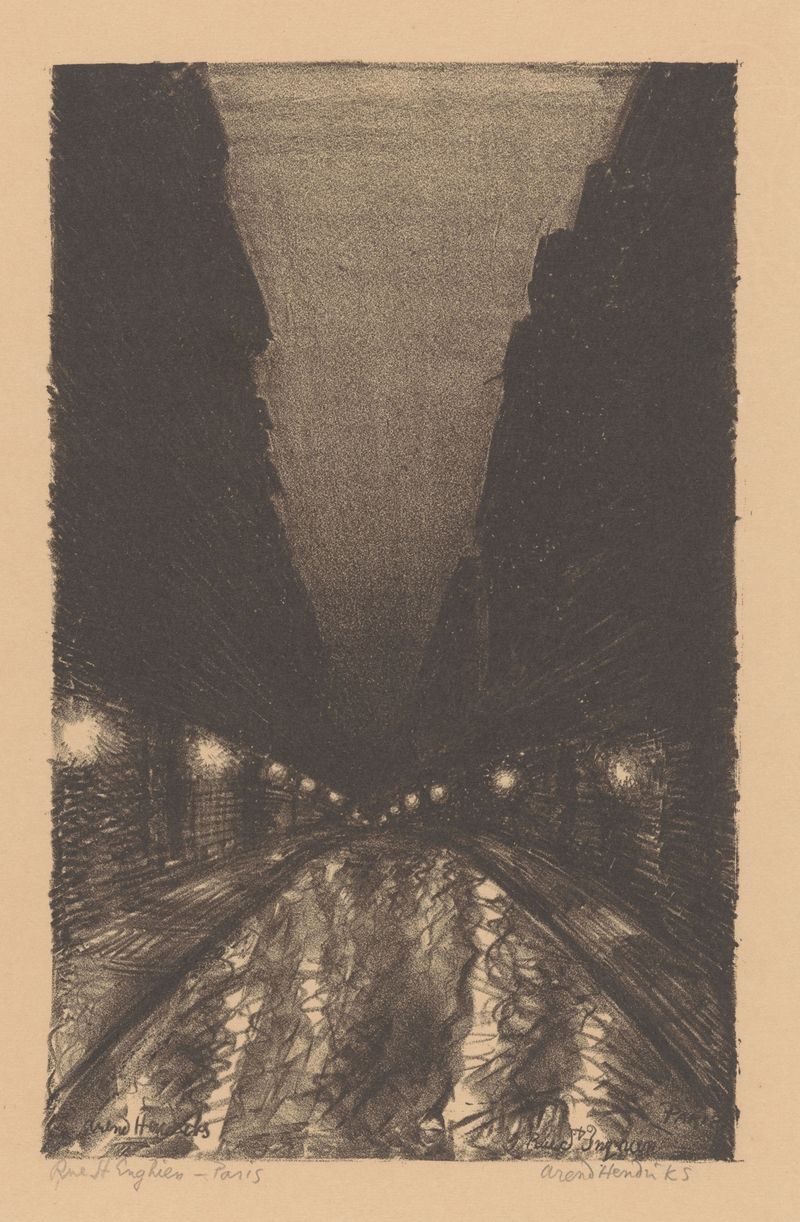
Rue d’Enghien, Paris
Arend Hendriks
More Architecture Art
Browse all →
The statue of Liberty
Frédéric Auguste Bartholdi

View of Houses in Delft, Known as ‘The Little Street’
Johannes Vermeer

View of Houses in Delft, Known as ‘The Little Street’
Johannes Vermeer

The Cathedral in Rouen. The portal, Grey Weather
Claude Monet

The yellow house
Vincent van Gogh

The Church in Auvers-sur-Oise, View from the Chevet
Vincent van Gogh