
Basse cour derrière le 19 rue des Gobelins — History & Facts
Could a single brushstroke hold eternity? In Basse cour derrière le 19 rue des Gobelins, the emptiness speaks volumes, inviting contemplation and introspection from its viewers. Focus on the muted palette that envelops the scene in a quiet embrace. The soft earth tones wash over the canvas, guiding your gaze through the sparse courtyard. Notice how a subtle play of light accentuates the shadows cast by the vacant spaces, creating a sense of melancholy.
The bare walls and the absence of figures accentuate the stillness, allowing emptiness itself to become a visceral presence. Delve deeper into the emotional landscape depicted here. The isolation suggested by the desolate courtyard resonates with a profound sense of longing. The uneven texture of the paint hints at the artist's struggle with his own feelings of displacement, while the starkness of the composition poses questions about the nature of solitude and the search for connection.
Each brushstroke seems to reflect both absence and memory, creating an intricate dance between what is present and what is lacking. Ferdinand Boberg created this work in 1926 while living in Paris, a city teeming with artistic revolution. At this time, the art world was shifting, and many artists were exploring abstraction and the psychological depths of human experience. Boberg, influenced by his own introspections and the changing tides of modernism, sought to capture the essence of emptiness—redefining the spaces we occupy, both physically and emotionally.
More Artworks by Ferdinand Boberg
Browse all →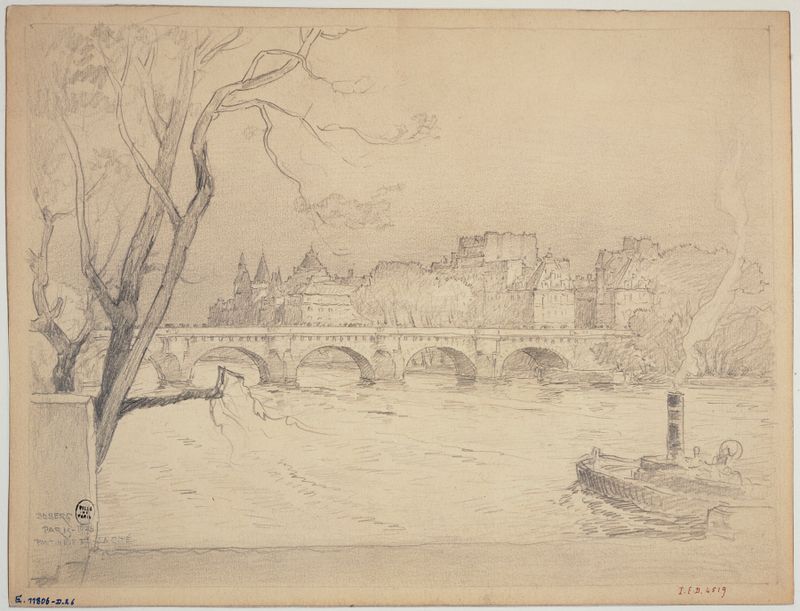
Le Pont-Neuf et la Cité
Ferdinand Boberg
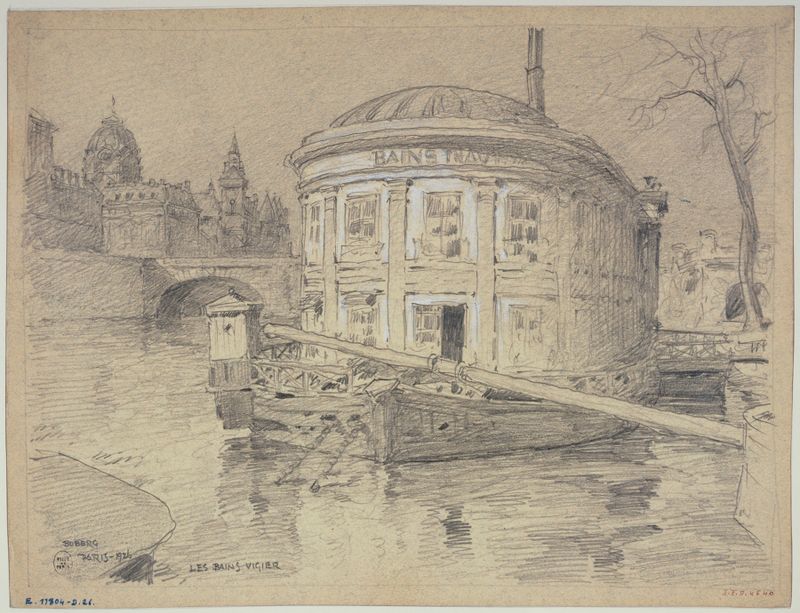
Les bains Vigier au Pont-Neuf
Ferdinand Boberg
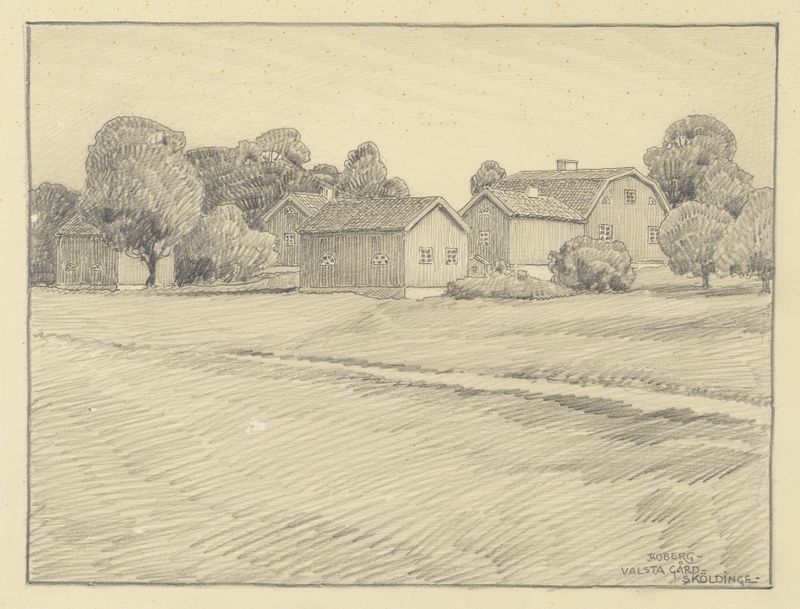
Valsta Gård
Ferdinand Boberg
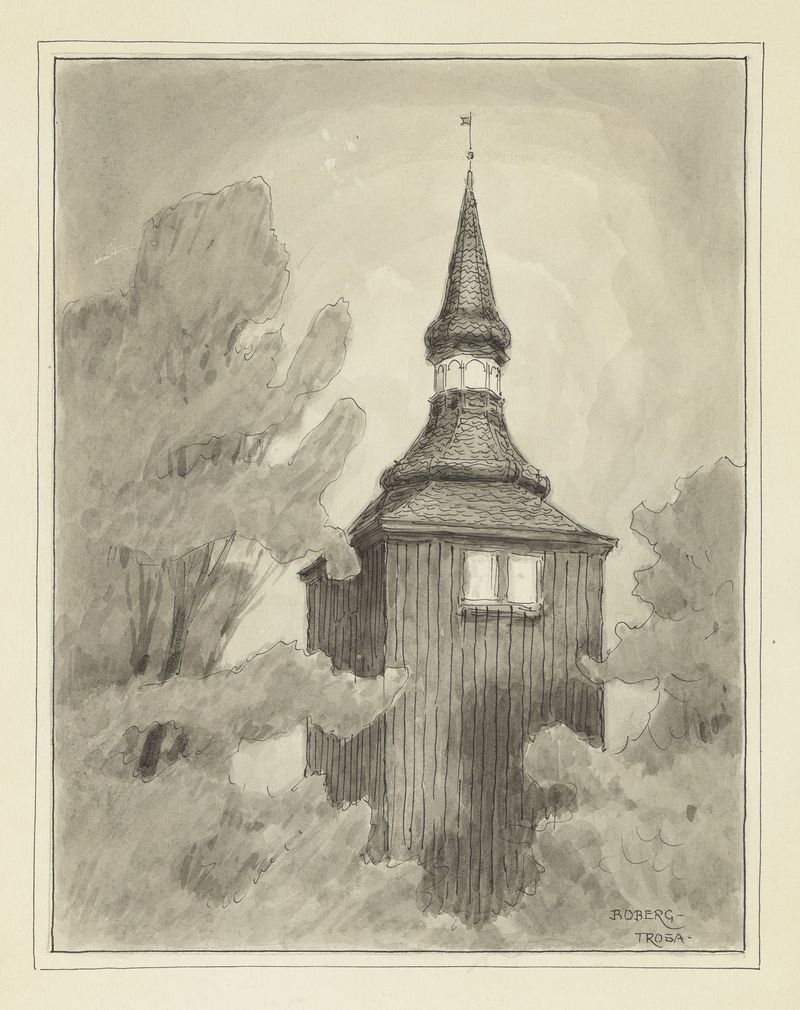
Trosa
Ferdinand Boberg
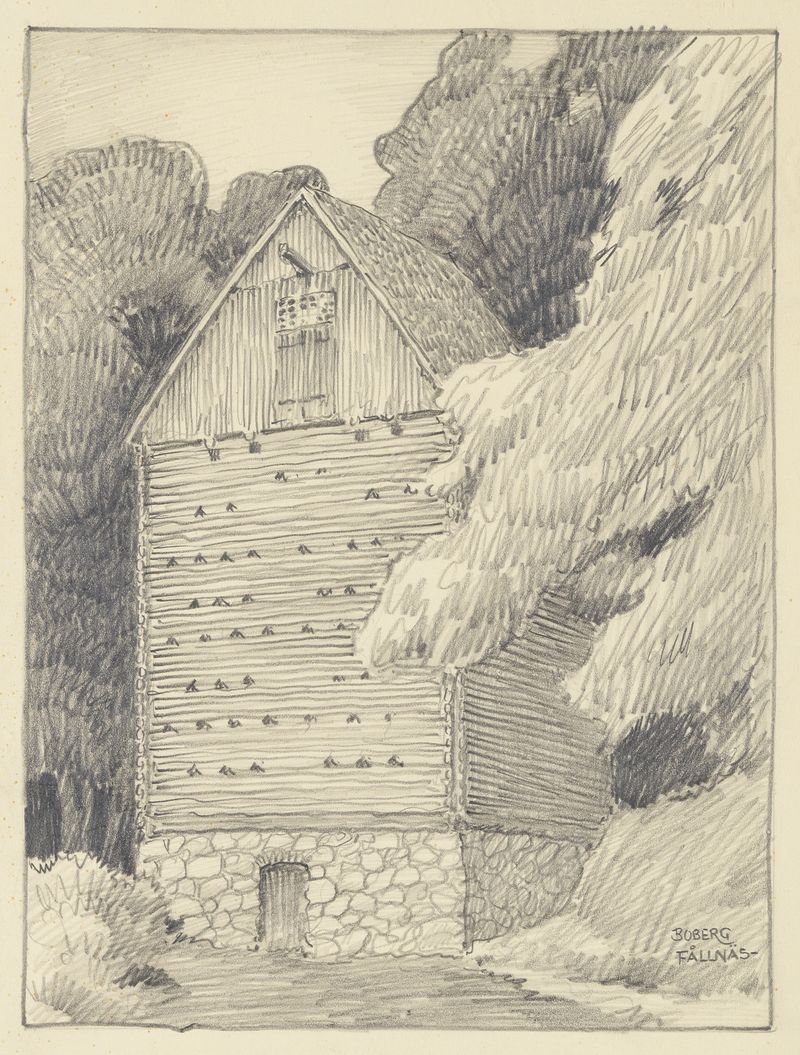
Fållnäs
Ferdinand Boberg
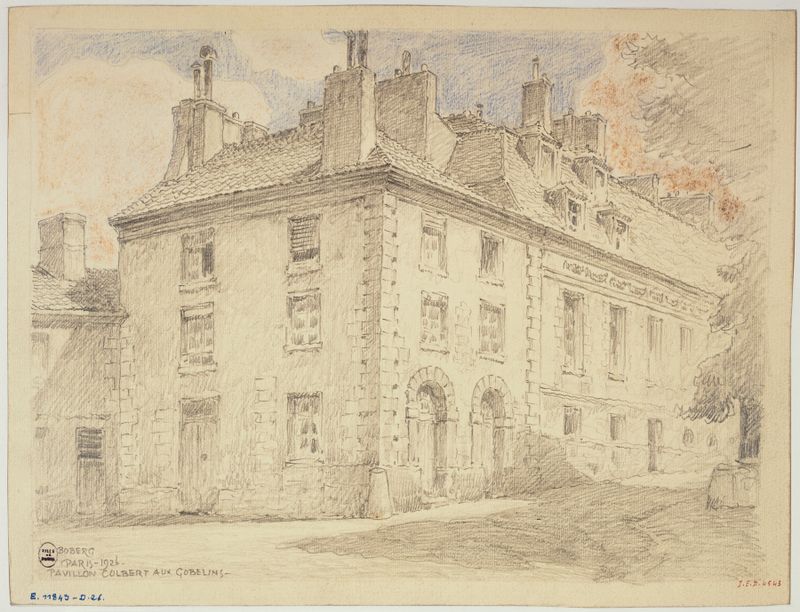
Le pavillon Colbert aux Gobelins
Ferdinand Boberg
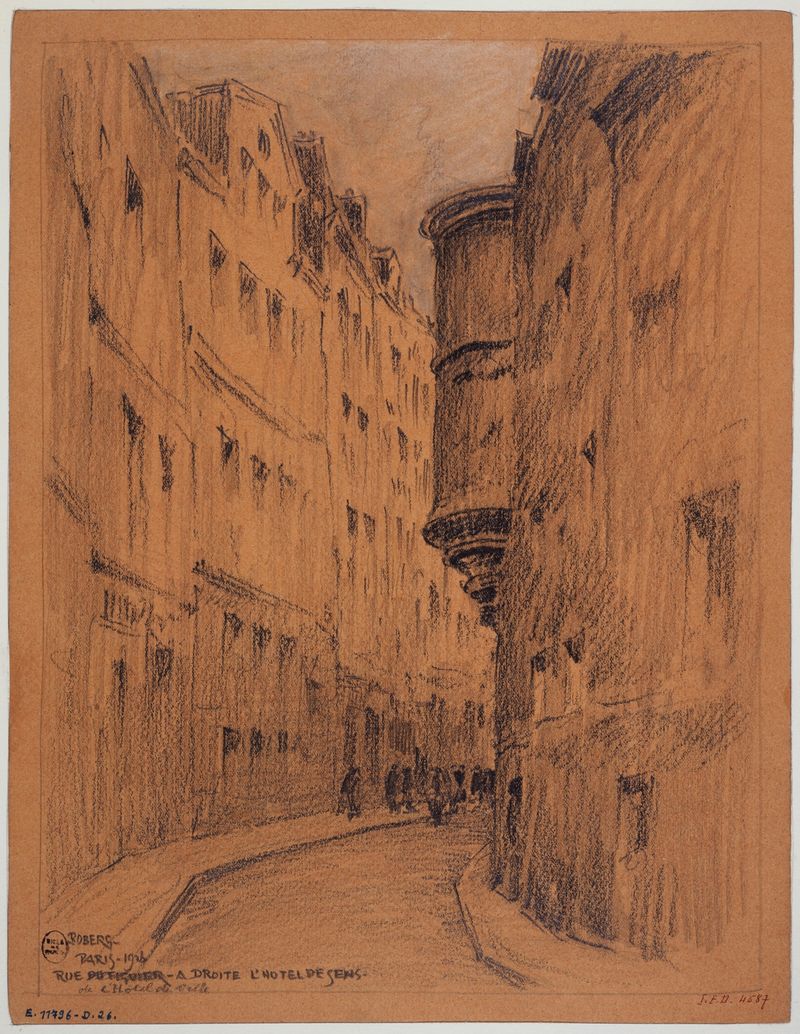
Rue de l’Hôtel de Ville; l’hôtel de Sens
Ferdinand Boberg
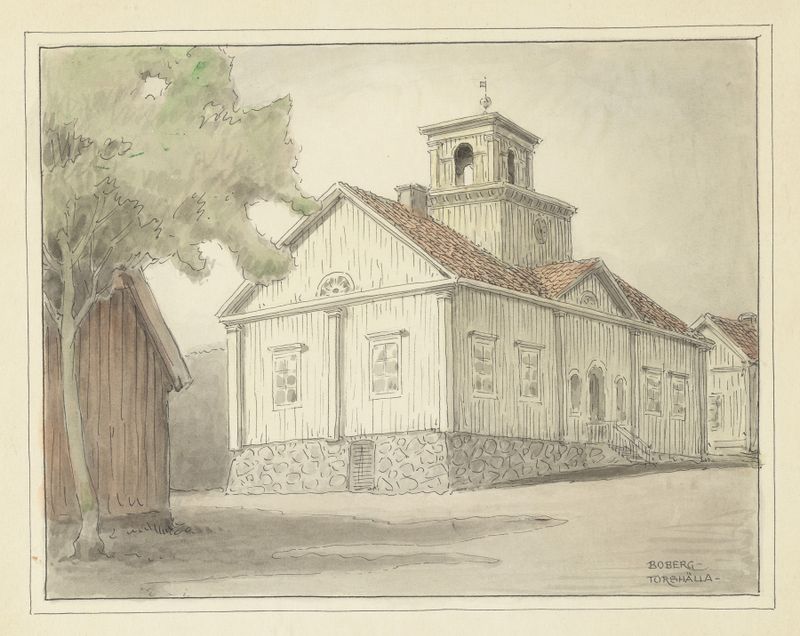
Torshälla
Ferdinand Boberg
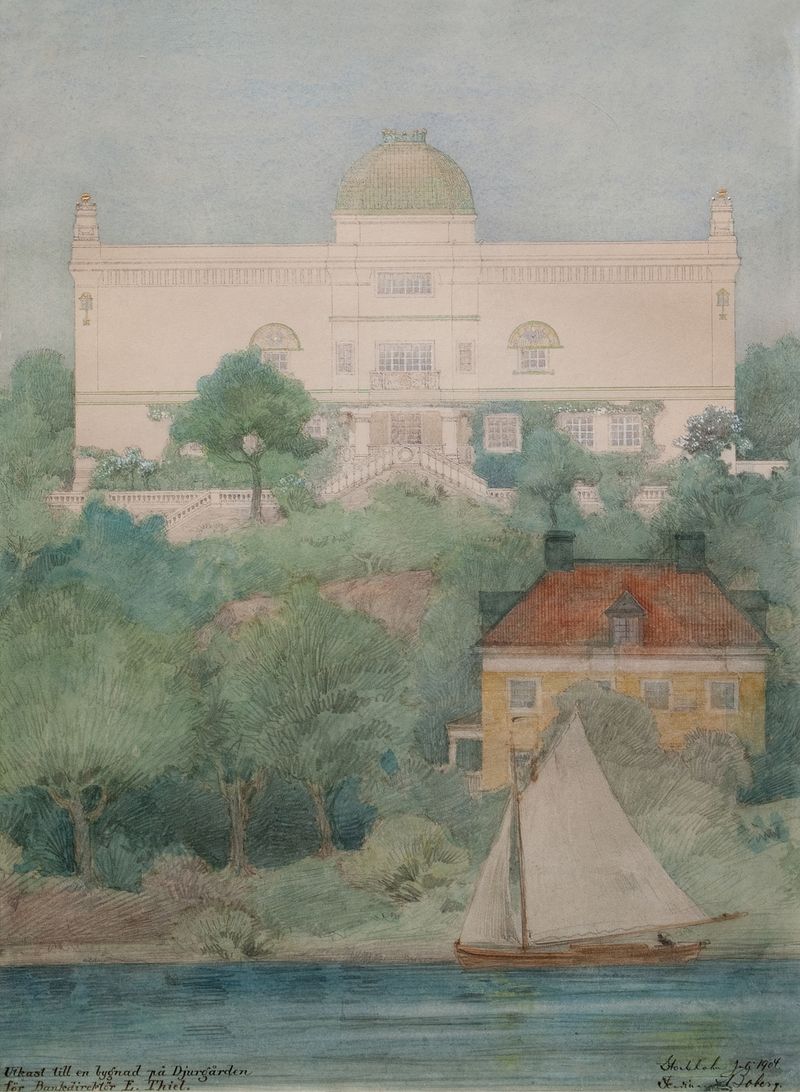
Sketch for a building for Thiel’s Gallery
Ferdinand Boberg
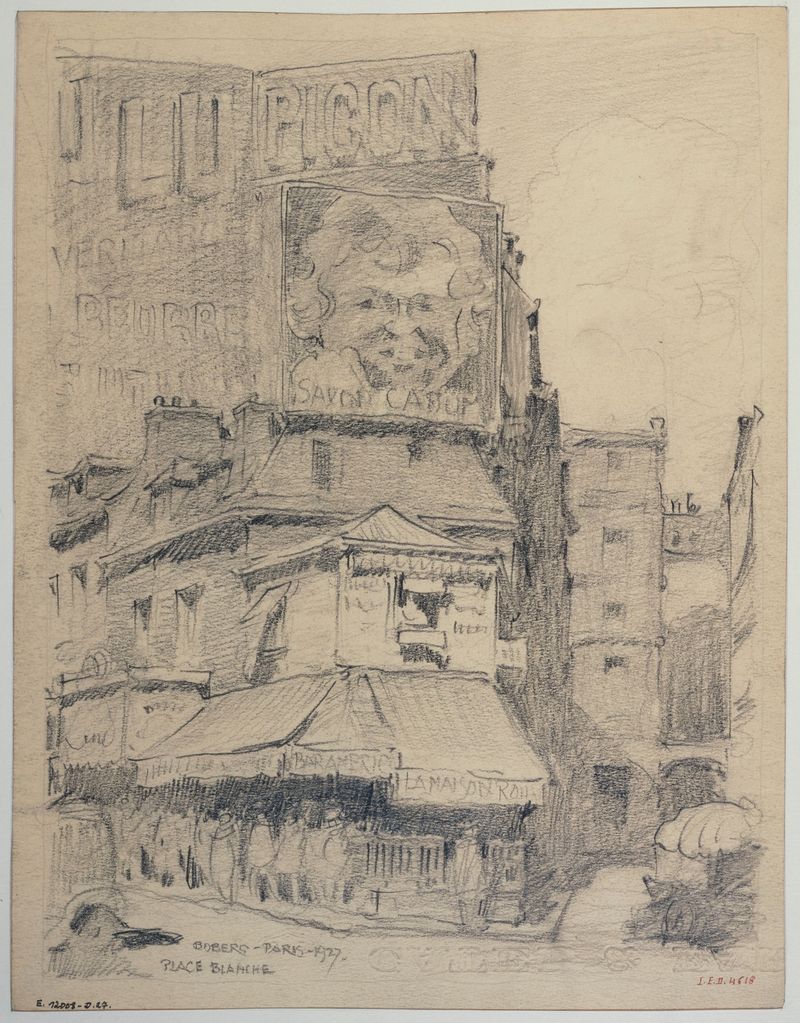
La place Blanche
Ferdinand Boberg





