Bathing Nymphs and Child — History & Facts
What if beauty was never meant to be finished? In Bathing Nymphs and Child, Jean-Baptiste-Camille Corot invites us to ponder the bittersweet nature of fleeting moments, suspended between tranquility and solitude. Look to the center where soft, pastel hues blend seamlessly, washing over the figures who bask in the serenity of the scene. The nymphs, ethereal and graceful, are depicted with fluid brushstrokes that evoke a sense of movement, their forms almost dissolving into the lush surroundings. Notice how the dappled sunlight plays off their skin, illuminating their delicate features while shadows linger just beyond, hinting at a world beyond this idyllic moment.
This juxtaposition of light and dark pulls the viewer into an intimate embrace with the artwork. Beyond the surface beauty lies an undertone of loneliness. The nymphs, though surrounded by nature's embrace, seem to exist in a realm apart from one another, glancing away as if in anticipation of something—or someone—missing. The child, small and vulnerable, stands on the periphery, a poignant reminder of innocence that heightens the emotional depth, suggesting that even in beauty, isolation can seep through.
It raises questions about connection and the longing for companionship, making this scene resonate on a more profound level. Created between 1855 and 1860, this piece emerged during a period of artistic transition in France. Corot was moving toward a more modern aesthetic while still influenced by classical themes. At this time, the art world was grappling with the tension between academic standards and burgeoning impressionistic styles, with Corot himself navigating this evolution as he explored the interplay of light, nature, and human emotion.
More Artworks by Jean-Baptiste-Camille Corot
Browse all →
View of Genoa
Jean-Baptiste-Camille Corot
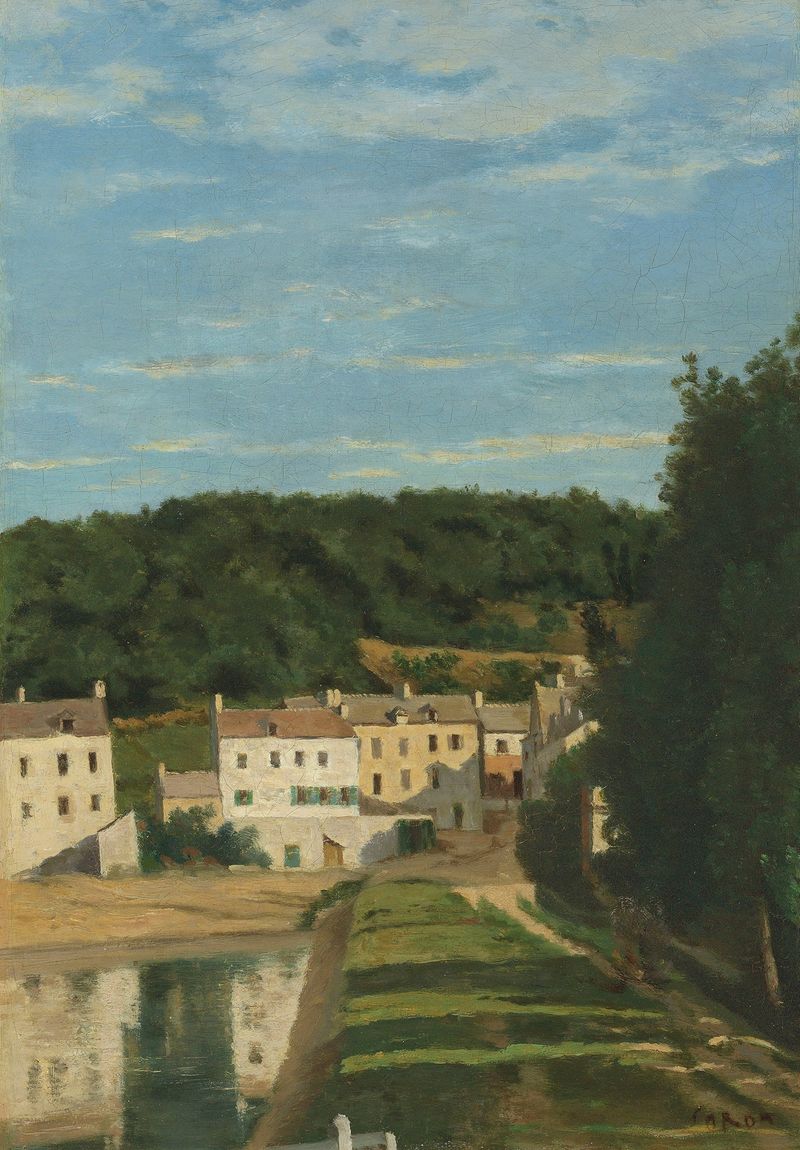
Les Maisons Cabassud À Ville D’avray
Jean-Baptiste-Camille Corot

La solitude. Souvenir de Vigen (Limousin)
Jean-Baptiste-Camille Corot
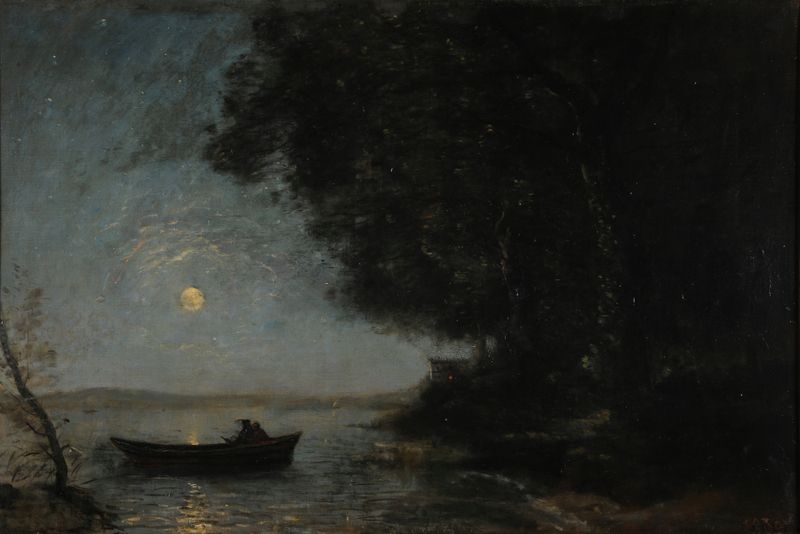
Le lac ; effet de nuit
Jean-Baptiste-Camille Corot
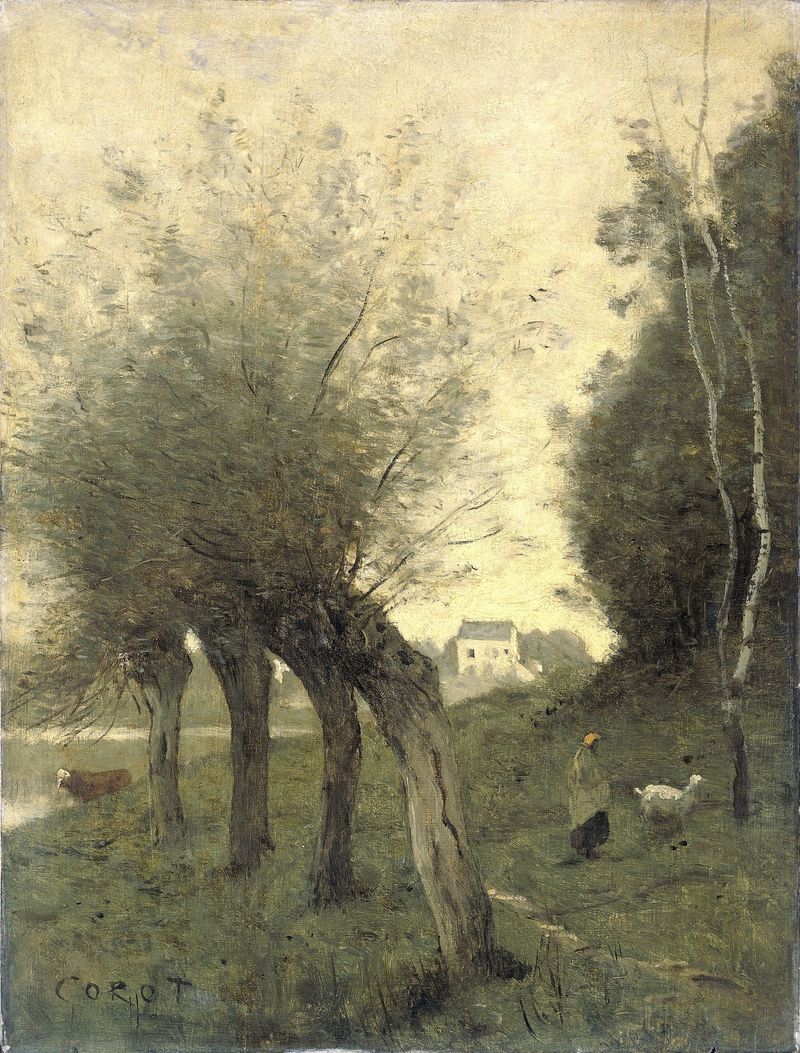
Landscape with Pollard Willows
Jean-Baptiste-Camille Corot
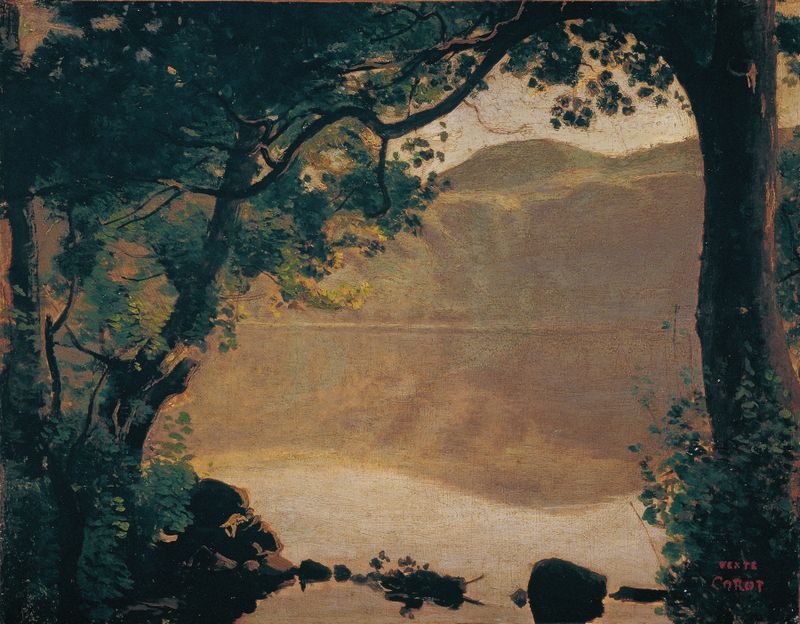
Der Nemisee
Jean-Baptiste-Camille Corot
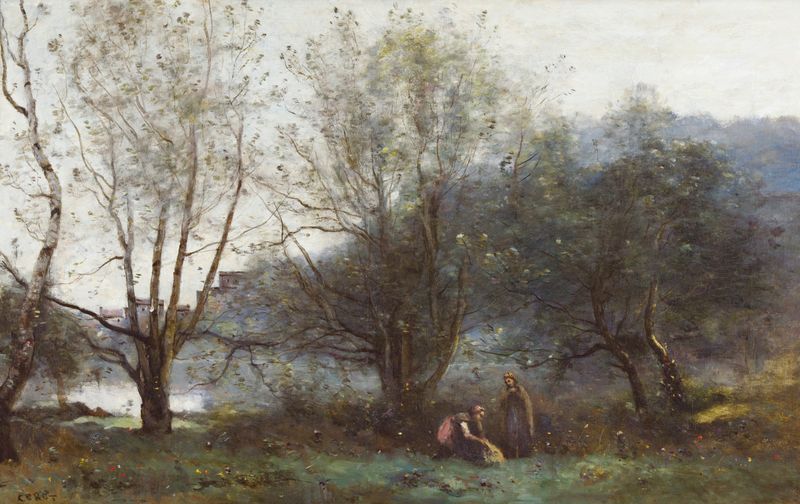
Les Étangs De Ville D’avray
Jean-Baptiste-Camille Corot
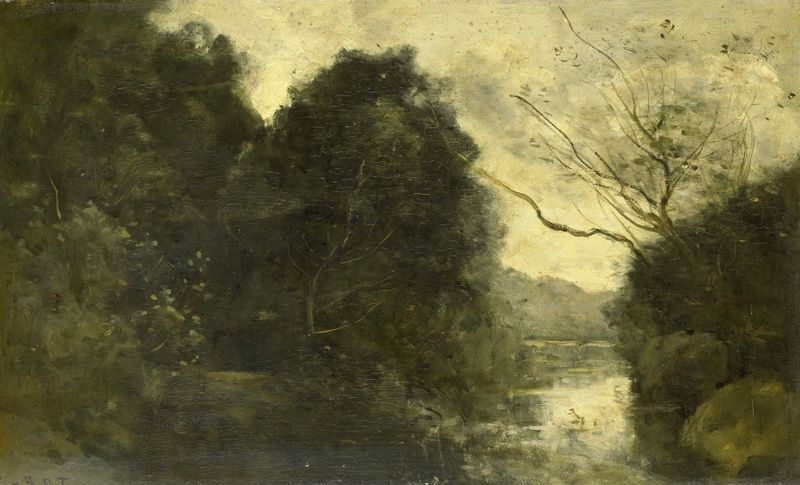
Pond in the Woods
Jean-Baptiste-Camille Corot
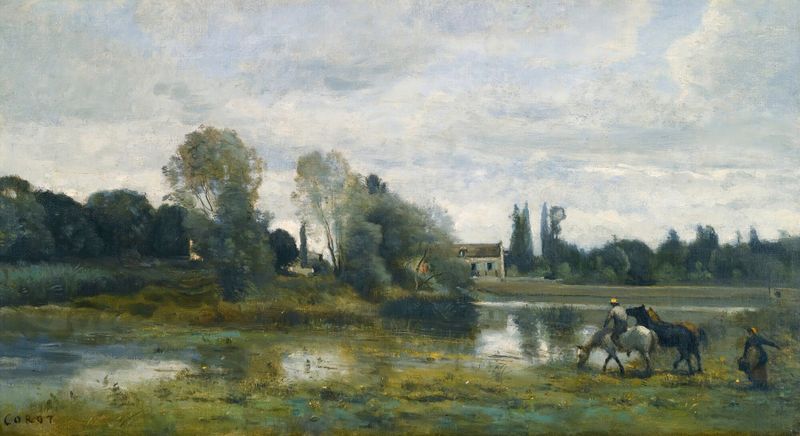
Ville D’avray; L’abreuvoir Des Chevaux
Jean-Baptiste-Camille Corot
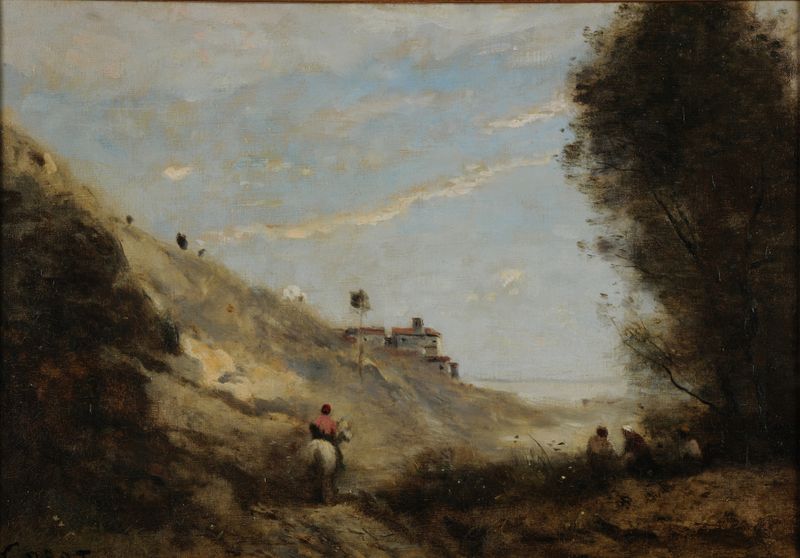
Le vallon au cavalier
Jean-Baptiste-Camille Corot