
Bathing Room of the Palace on the Water. — History & Facts
The eye is drawn first to the open doorway, where a shaft of golden light spills into the shadowed bathing room, promising opulence just out of reach. Aleksander Gryglewski’s Bathing Room of the Palace on the Water invites the viewer to linger in a world of polished marble, gilded frames, and mythological reliefs, each detail rendered with a precision that borders on the obsessive. The checkered floor leads you deeper, past the plush red velvet chairs and the ornate vases that stand sentinel by the walls.
Every surface gleams, the light catching on the clock and candlesticks atop a delicate white console, while the sculpted figures on the walls seem to animate the space with their silent stories. The composition is a careful play of enclosure and invitation: doors ajar, rooms within rooms, a palace’s secrets glimpsed but never fully revealed. Painted in 1875, this work belongs to a tradition of interior portraiture that flourished in the nineteenth century, when artists and patrons alike celebrated the grandeur of aristocratic life and the artistry of architecture itself. Such paintings were often commissioned to commemorate the splendor of a particular estate or to document the taste of its owners, serving as both record and aspiration.
Gryglewski’s meticulous attention to the interplay of light and surface, and his reverence for classical motifs, places him firmly within this lineage, even as his work now resides in the National Museum in Warsaw. History has kept few traces of the painting’s early journey, but its presence today offers a window into a vanished world—one that rewards the patient gaze with ever more layers of craft and intrigue.
More Artworks by Aleksander Gryglewski

Cloisters of the Jagiellonian Library in Kraków
Aleksander Gryglewski
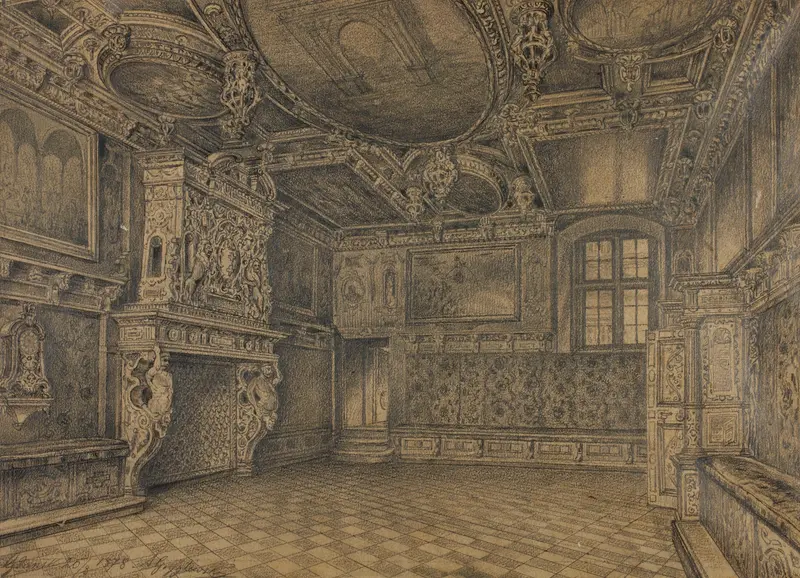
Red Hall at the Town Hall in Gdansk
Aleksander Gryglewski
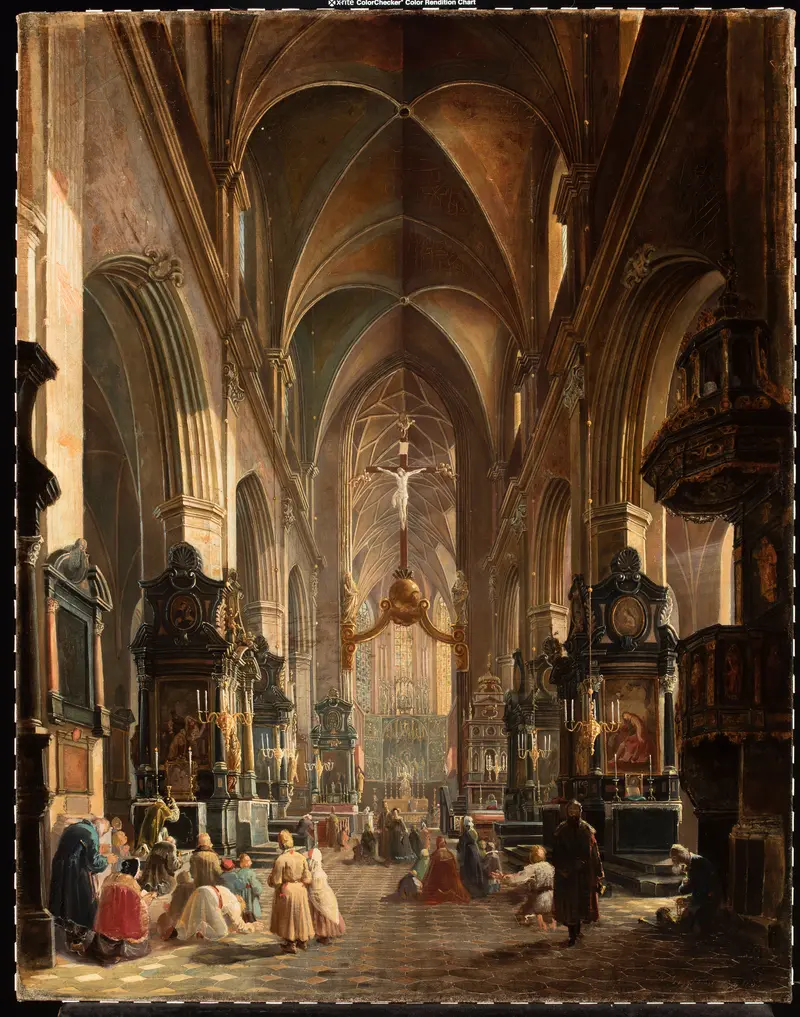
Interior of the Church of Virgin Mary in Kraków
Aleksander Gryglewski
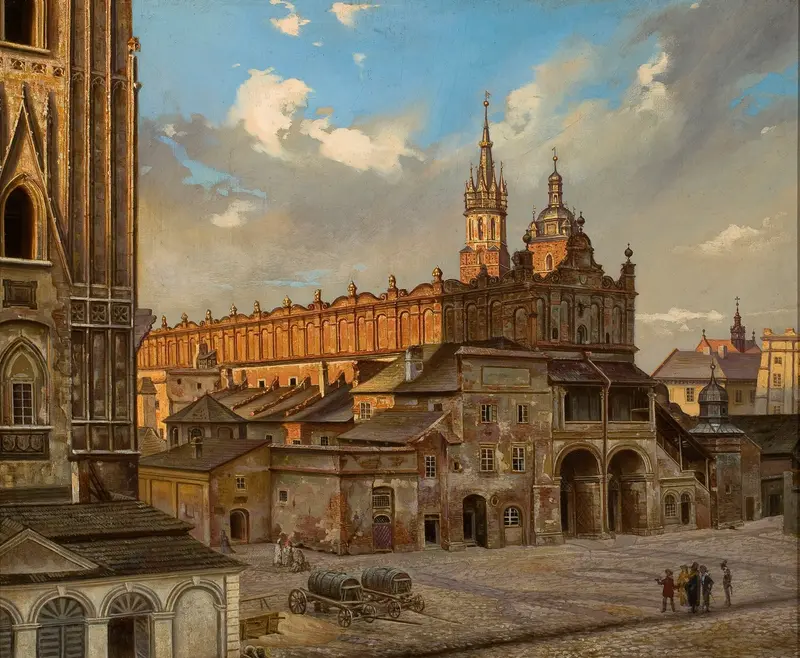
Sukiennice (Cloth Hall) in Kraków
Aleksander Gryglewski
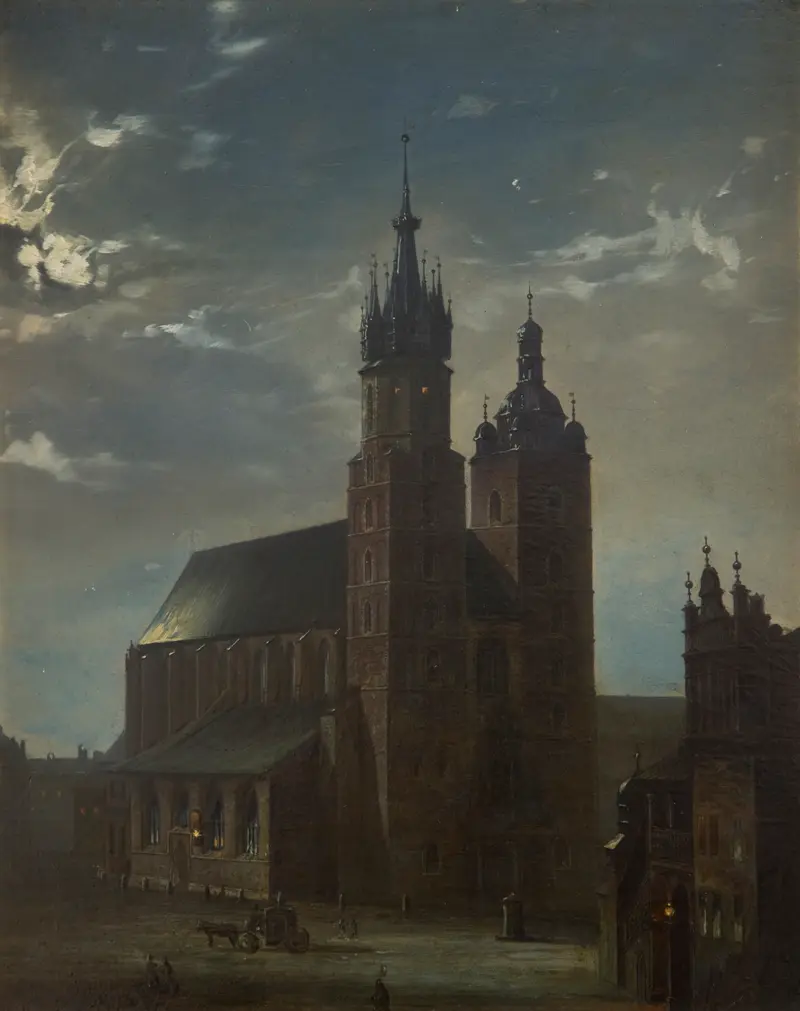
St Mary’s Church in Krakow
Aleksander Gryglewski
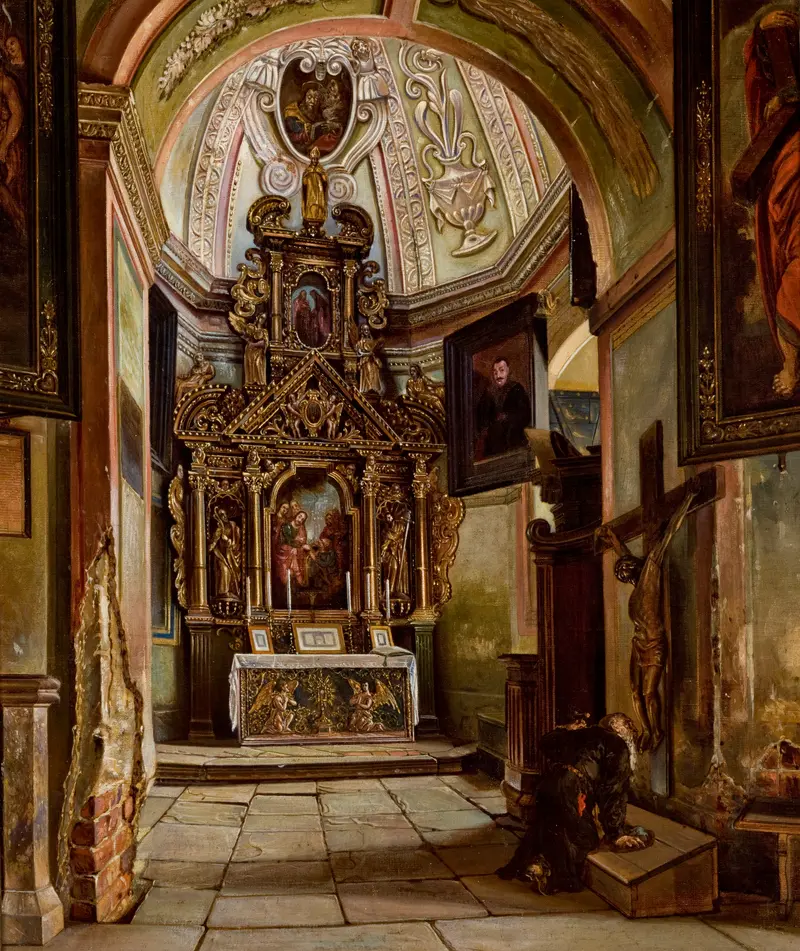
Interior of a Chapel at the Parish Church in Krosno
Aleksander Gryglewski
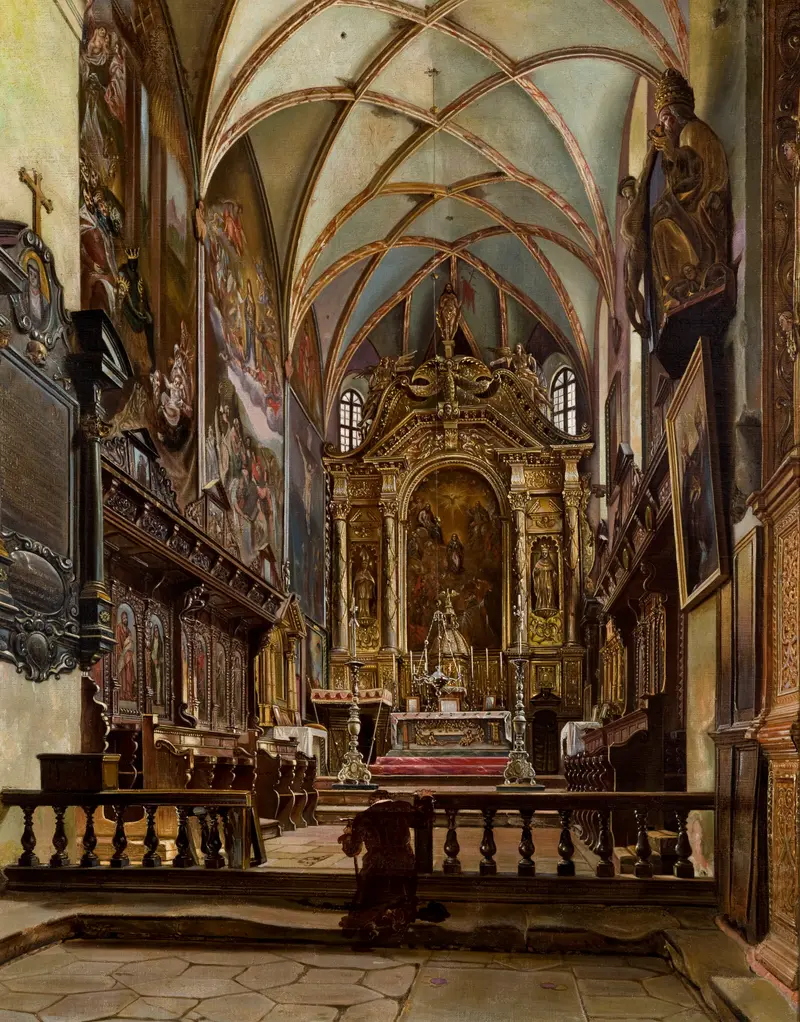
Interior of the Parish Church in Krosno
Aleksander Gryglewski

Interior of Saint Mary’s Basilica in Kraków
Aleksander Gryglewski

Old town hall at the Wolnica square in Kazimierz, Kraków
Aleksander Gryglewski
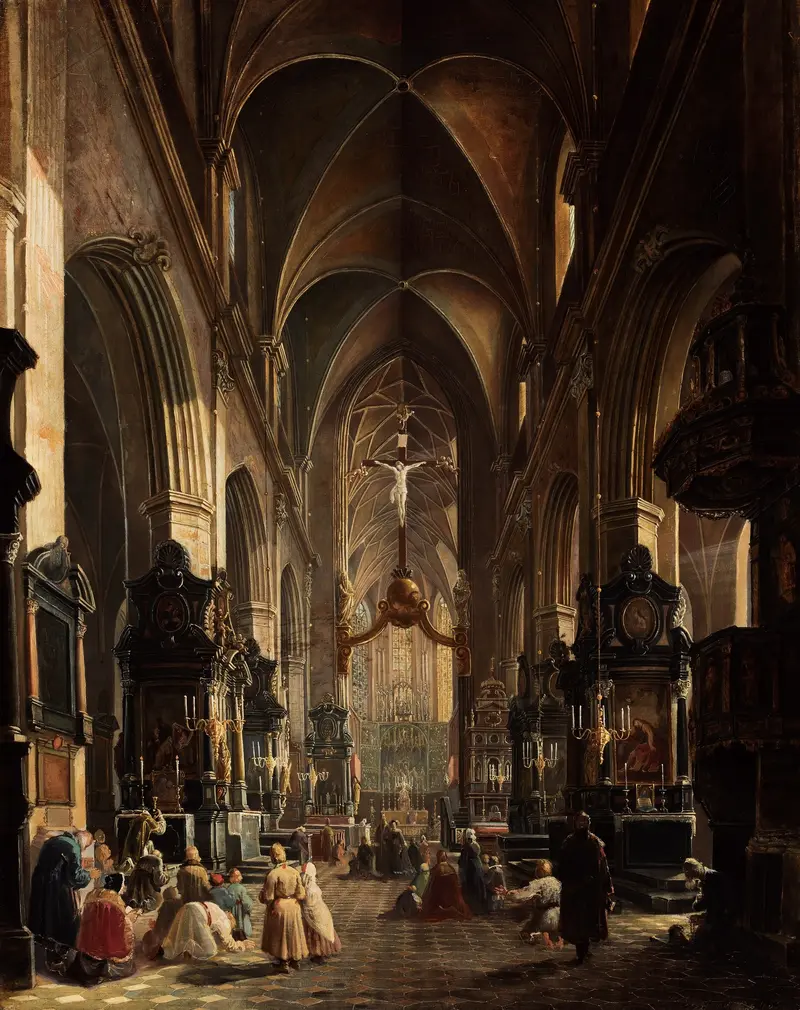
Interior of the St. Mary's Church in Kraków.
Aleksander Gryglewski





