
Baths of Trajan (Sette Sale, Villa Brancaccio, Rome) — History & Facts
In the serene embrace of history, Baths of Trajan invites its viewers to wander through the echoes of ecstasy and grandeur. Each stroke resonates with the pulse of ancient life, urging us to pause and reflect on the marvels of artistry that transcend time. Look to the left at the soft, dappled light filtering through the arches, illuminating the faded mosaics under a veil of dust. The intricate details of the ancient structures draw the eye—each brick and column a testament to the architectural mastery of a bygone era.
The palette of warm ochres and deep blues creates a harmonious balance, inviting viewers to experience the interplay between light and shadow, life and memory. Yet, beneath this tranquil beauty lies a complex narrative of loss and nostalgia. The splendor of the ruins speaks to the fleeting nature of glory and the ecstasy of what once was, provoking a meditation on the impermanence of human achievement. The languid postures of figures within the scene serve as a reminder of the languid joys that were once celebrated here, now replaced by a spectral silence that echoes through time. In 1882, Haseltine, a prominent American landscape painter, worked in Rome, where he was drawn to the remnants of ancient civilization as a source of inspiration.
Amidst a burgeoning interest in plein air painting, he sought to capture the interplay of natural light and historical architecture, reflecting the romantic ideals of his contemporaries. The work emerges as both a celebration and a requiem for the past, encapsulating a fleeting moment of beauty amid the ruins of time.
More Artworks by William Stanley Haseltine
Browse all →
Mill Dam in Traunstein
William Stanley Haseltine
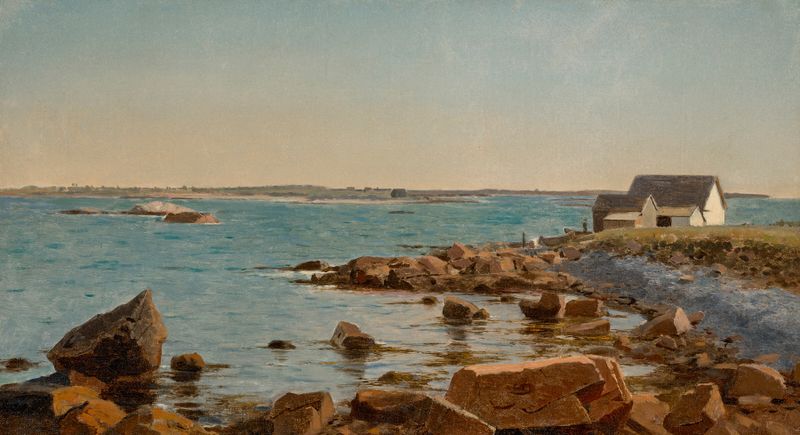
Nahant Coast
William Stanley Haseltine
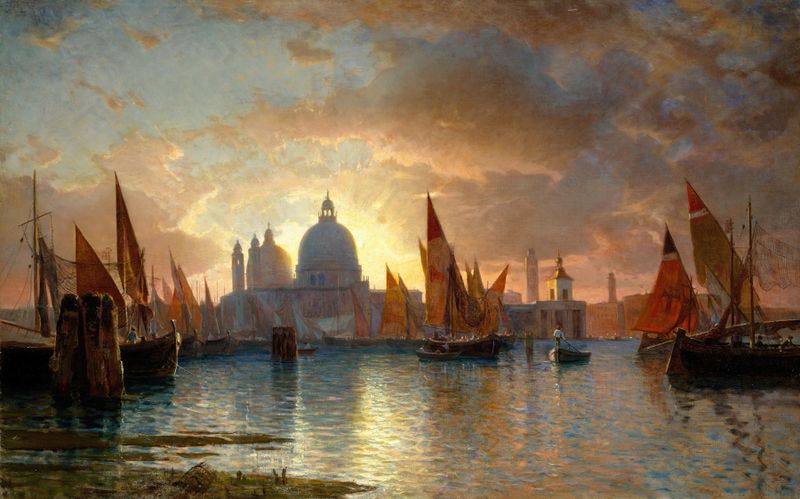
Santa Maria della Salute, Sunset
William Stanley Haseltine
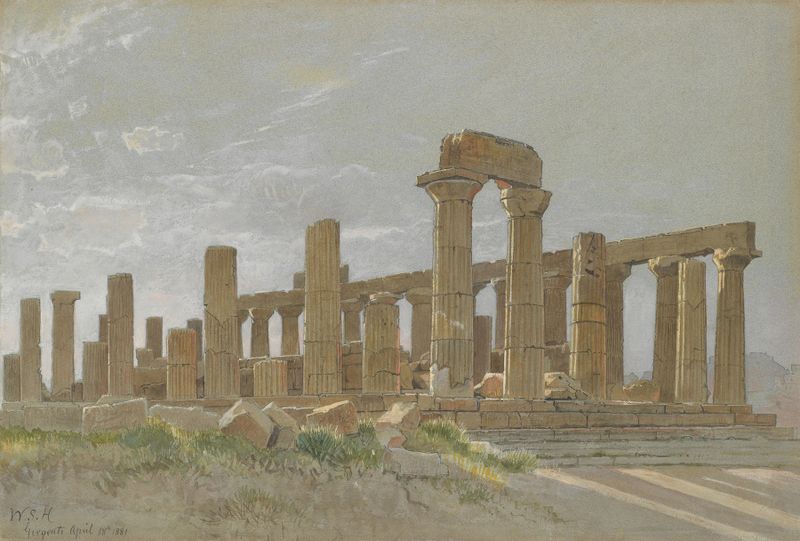
Girgenti (The Temple of Juno Lacinia at Agrigentum)
William Stanley Haseltine

Italian Hills
William Stanley Haseltine
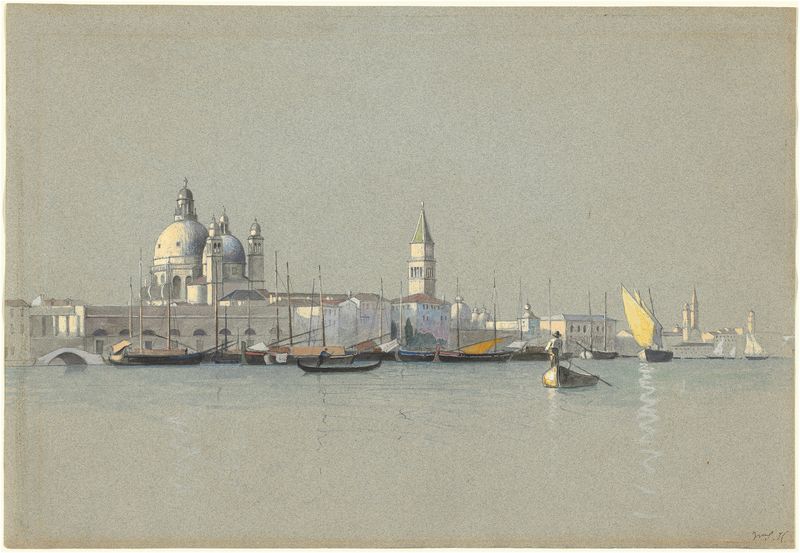
View across the Giudecca Canal toward the Salute and the Campanile of San Marco
William Stanley Haseltine
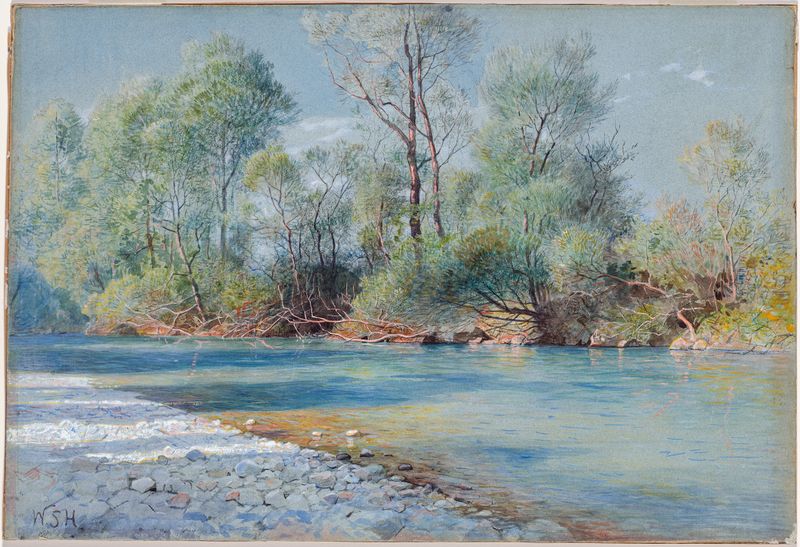
Traunstein River on the Road to Empfig, Bavaria
William Stanley Haseltine

Coast of Capri
William Stanley Haseltine
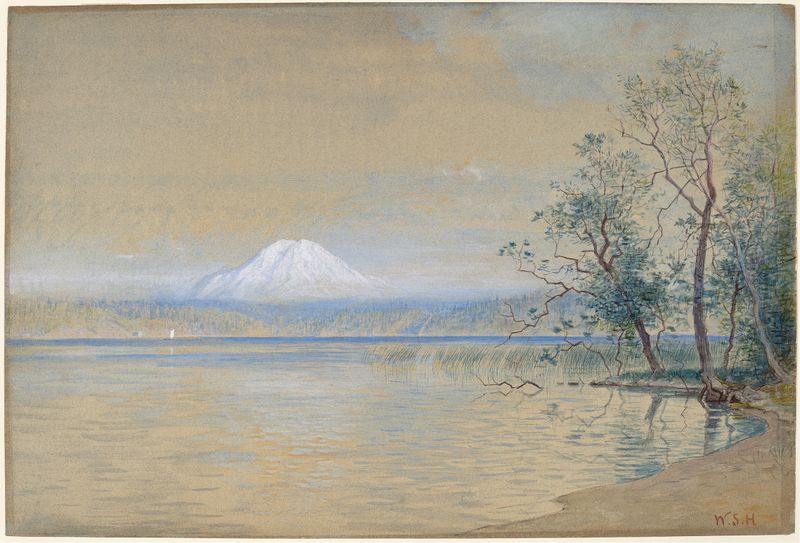
Mount Tacoma
William Stanley Haseltine
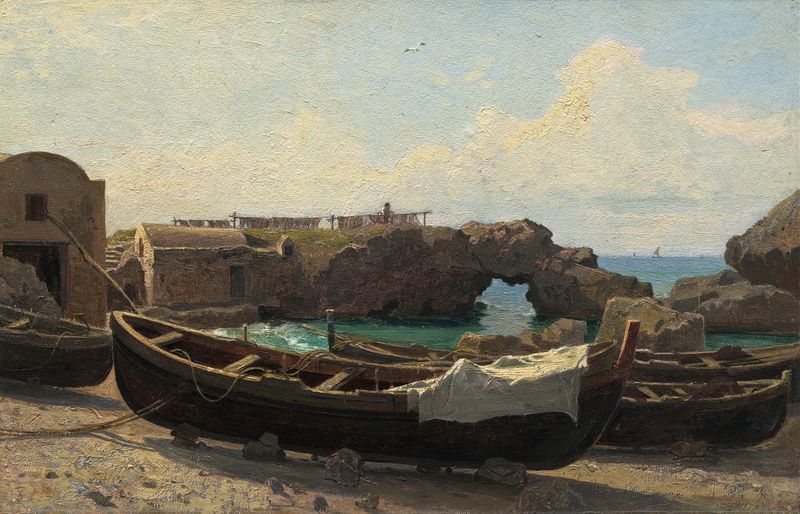
Marina Piccola, Capri
William Stanley Haseltine





