
Coast of Capri — History & Facts
What if silence could speak through light? In Coast of Capri, the gentle lapping of waves and the warm kiss of the sun on the cliffs weave a narrative of destiny and tranquility. Look to the left at the rugged coastline, where vibrant greens and soft blues converge, drawing your gaze to the horizon. Notice how the delicate brushstrokes in the sky—pastel pinks and yellows—reveal the artist's skill in capturing the fleeting moments of dawn. The interplay of light and shadow creates a sense of depth, inviting you to explore both the foreground and the distant hills that cradle this idyllic scene. Beneath its serene beauty, the painting encapsulates a tension between nature and man’s presence.
The distant sailboat, almost imperceptible, hints at exploration and adventure, suggesting that life’s journey is shaped by the landscapes we traverse. The stillness of the water mirrors a reflective state, hinting at choices yet to be made, while the cliffs stand resolutely, whispering stories of the past and the weight of time. In 1873, Haseltine painted Coast of Capri during his stay in Italy, a period marked by his deepening connection to the natural world and plein air painting. This era in art saw a burgeoning fascination with capturing the essence of place and light, as artists sought to express emotion through vivid landscapes.
The tranquility and beauty of Capri became a source of inspiration, mirroring the artist’s own journey toward embracing nature’s profound influence on his work.
More Artworks by William Stanley Haseltine
Browse all →
Mill Dam in Traunstein
William Stanley Haseltine
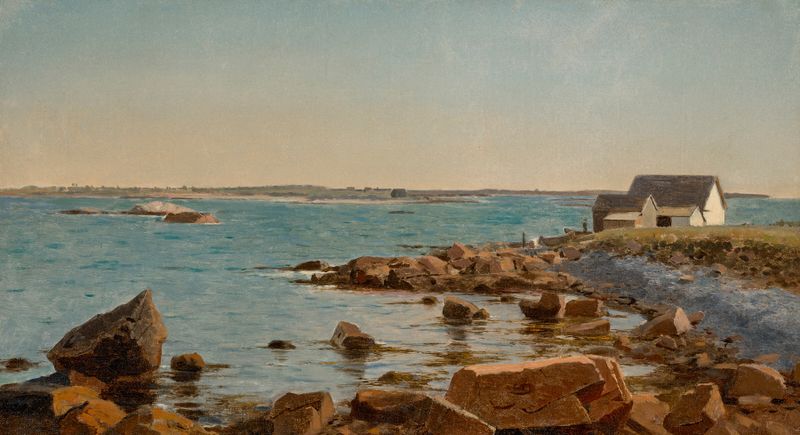
Nahant Coast
William Stanley Haseltine
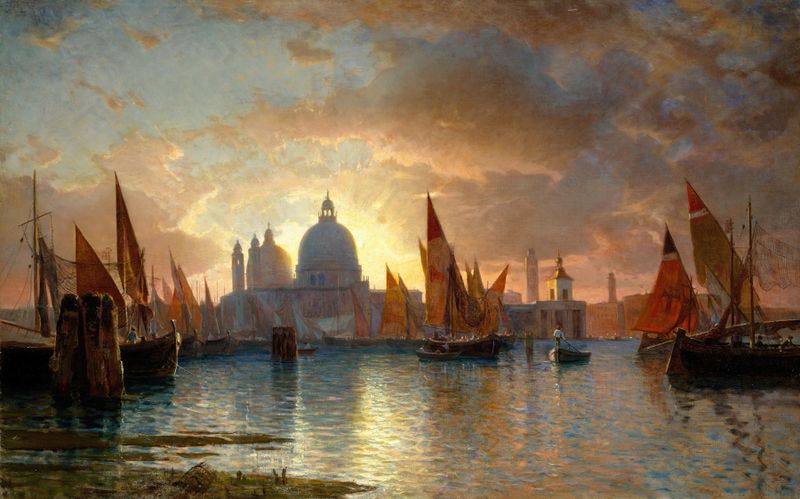
Santa Maria della Salute, Sunset
William Stanley Haseltine
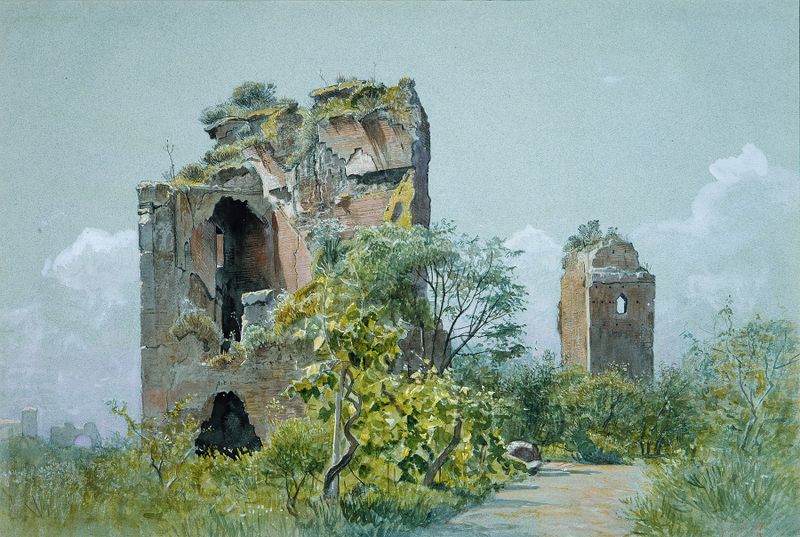
Baths of Trajan (Sette Sale, Villa Brancaccio, Rome)
William Stanley Haseltine
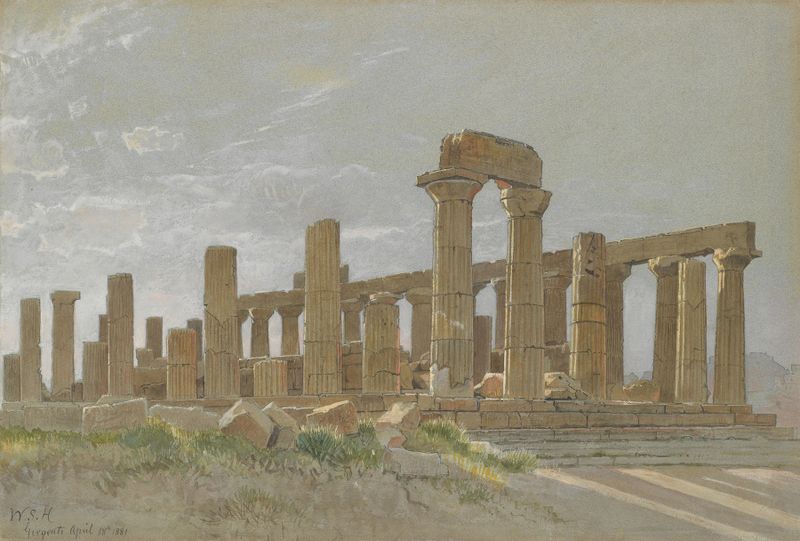
Girgenti (The Temple of Juno Lacinia at Agrigentum)
William Stanley Haseltine

Italian Hills
William Stanley Haseltine
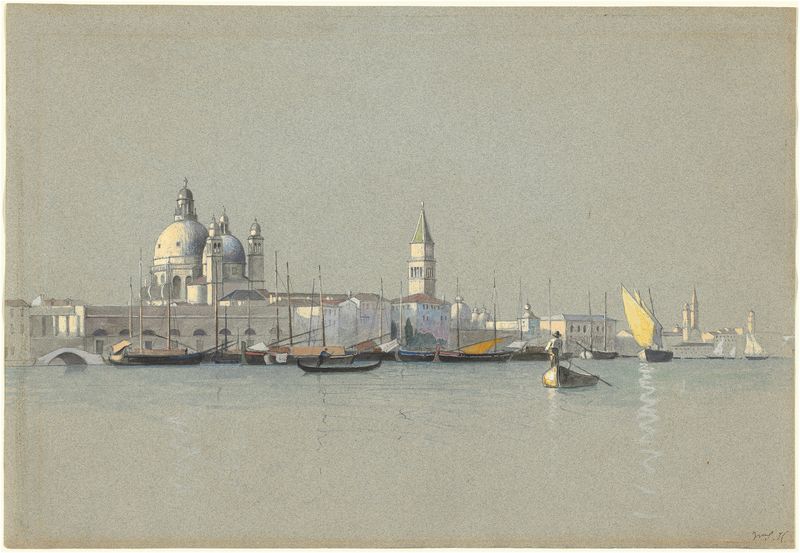
View across the Giudecca Canal toward the Salute and the Campanile of San Marco
William Stanley Haseltine
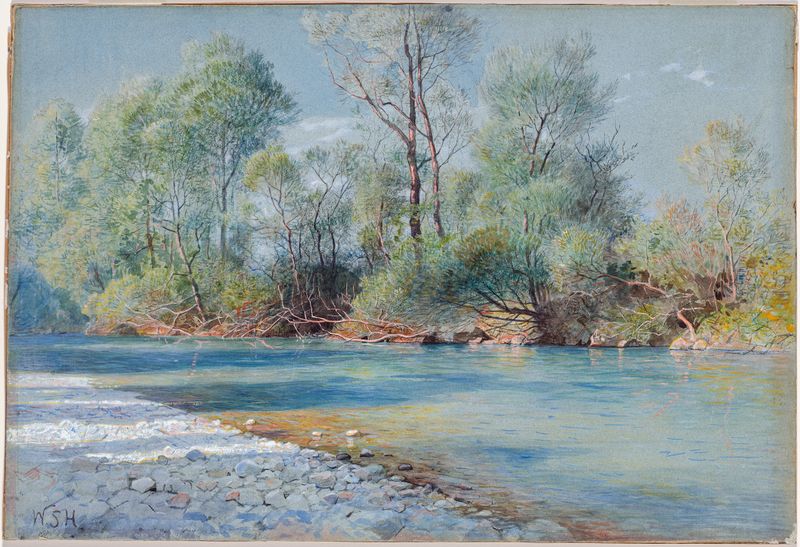
Traunstein River on the Road to Empfig, Bavaria
William Stanley Haseltine
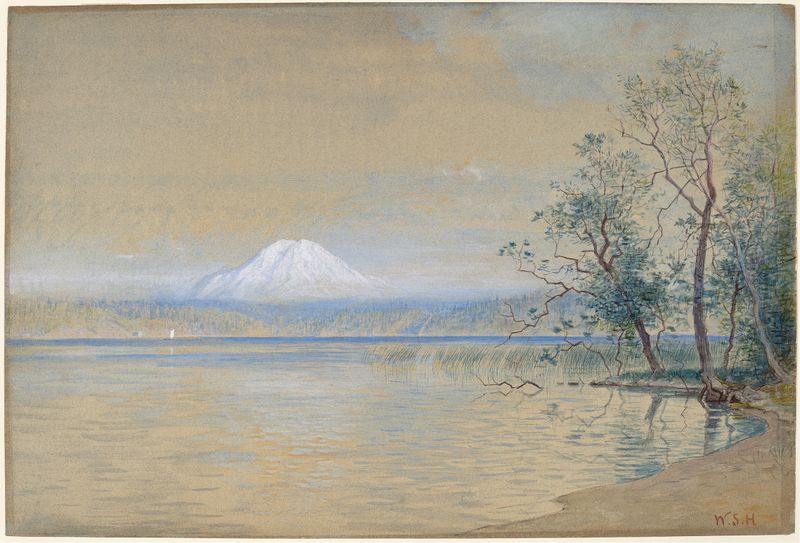
Mount Tacoma
William Stanley Haseltine
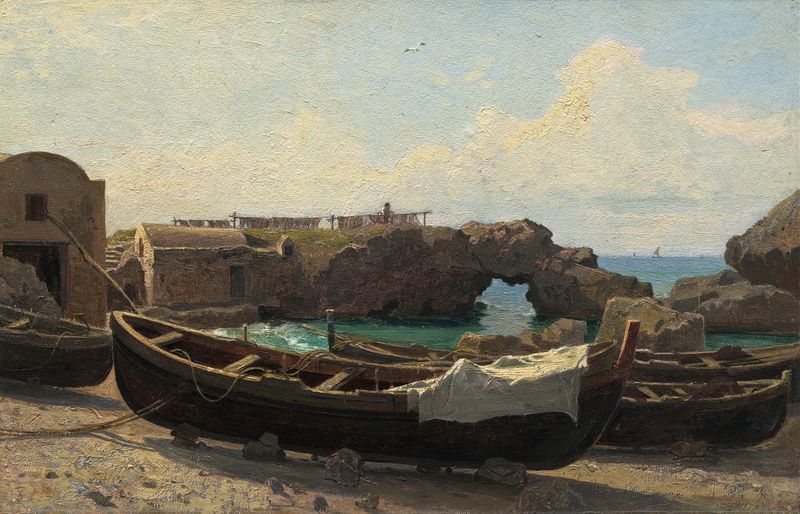
Marina Piccola, Capri
William Stanley Haseltine





