
Traunstein River on the Road to Empfig, Bavaria — History & Facts
When did color learn to lie? In Traunstein River on the Road to Empfig, Bavaria, the hues of blue and green whisper stories of hope amid nature's embrace. The vivid interplay of light invites viewers to ponder the narratives hidden within the landscape. Look to the left at the gracefully winding river, its surface mirroring the sky’s gentle azure. The brushwork captures an almost ethereal quality, with dappled sunlight dancing across the water, drawing the eye along its serpentine path.
Notice how the vibrant greens of the foliage contrast with the soft blues and the muted earth tones, creating a harmony suggestive of tranquility and anticipation. Each stroke seems deliberate, echoing the artist's intention to evoke not just a place, but a feeling of serenity in the viewer. Beyond its picturesque facade, the painting reveals deeper emotional currents. The interplay of light and shadow suggests the constant dance between hope and uncertainty, as the river symbolizes both a journey and a destination.
The careful layering of colors hints at the complexity of life itself, where moments of joy coexist with the specter of doubt. Here, nature becomes a canvas of human experience, echoing timeless themes of resilience against the backdrop of beauty. During the years between 1893 and 1896, Haseltine worked in a period marked by a growing appreciation for plein air painting and a renewed interest in landscapes. He found inspiration in the serene Bavarian countryside, a world rife with picturesque vistas that challenged the conventions of the time.
This work reflects his commitment to capturing the sublime qualities of the natural world, as he navigated both personal and professional transitions in a vibrant art community.
More Artworks by William Stanley Haseltine
Browse all →
Mill Dam in Traunstein
William Stanley Haseltine
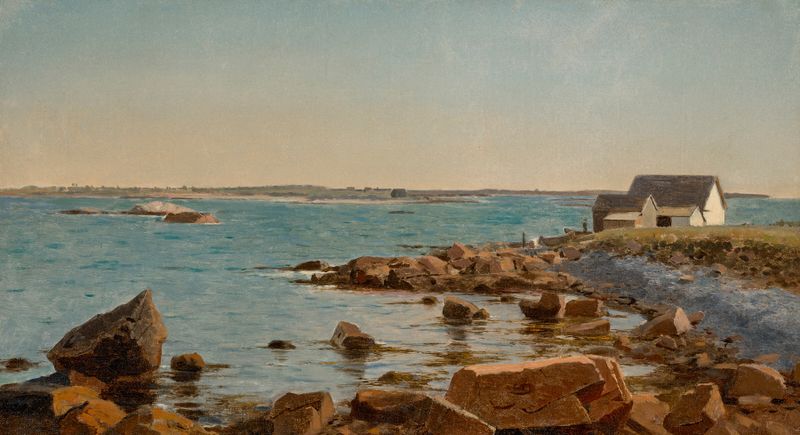
Nahant Coast
William Stanley Haseltine
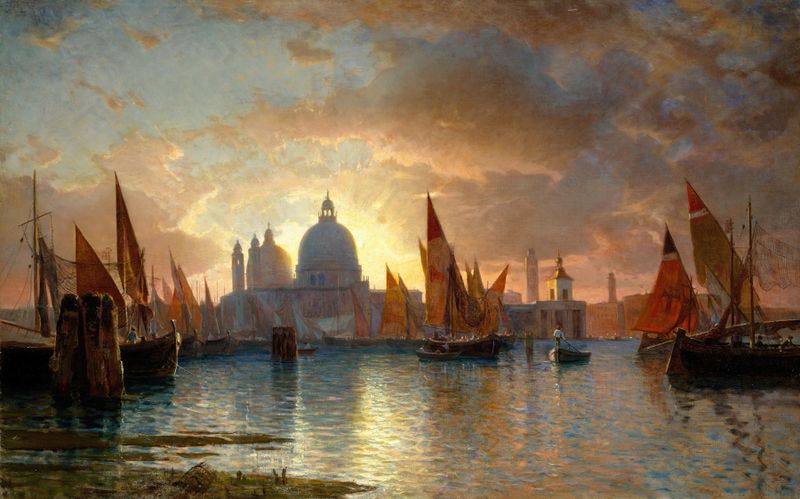
Santa Maria della Salute, Sunset
William Stanley Haseltine
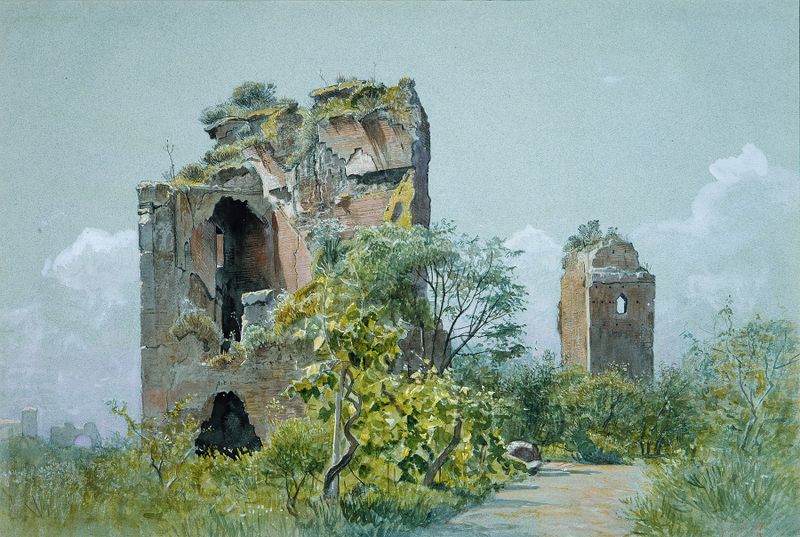
Baths of Trajan (Sette Sale, Villa Brancaccio, Rome)
William Stanley Haseltine
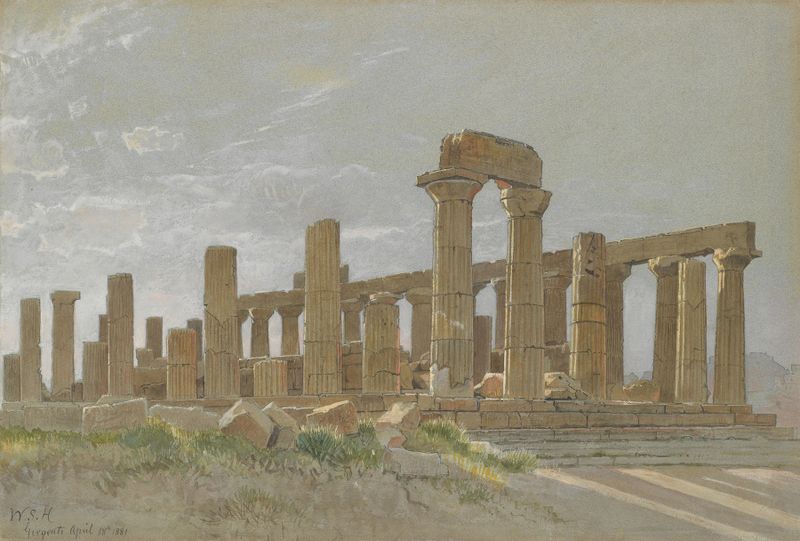
Girgenti (The Temple of Juno Lacinia at Agrigentum)
William Stanley Haseltine

Italian Hills
William Stanley Haseltine
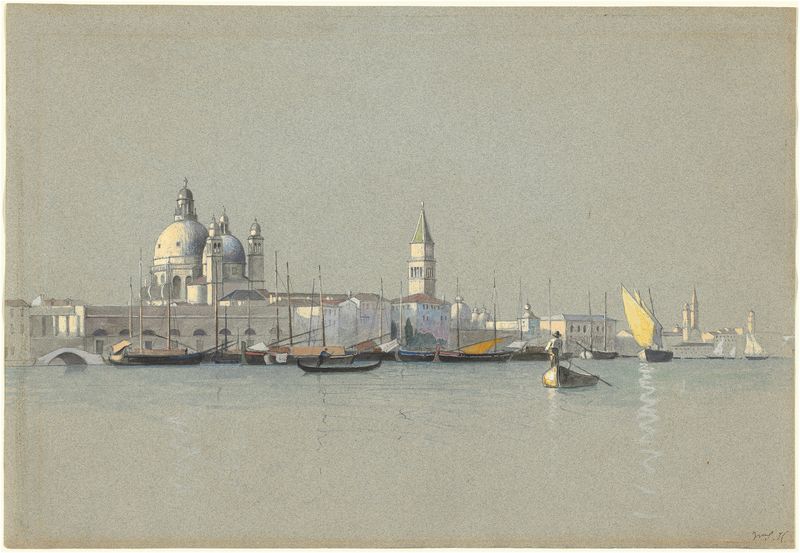
View across the Giudecca Canal toward the Salute and the Campanile of San Marco
William Stanley Haseltine

Coast of Capri
William Stanley Haseltine
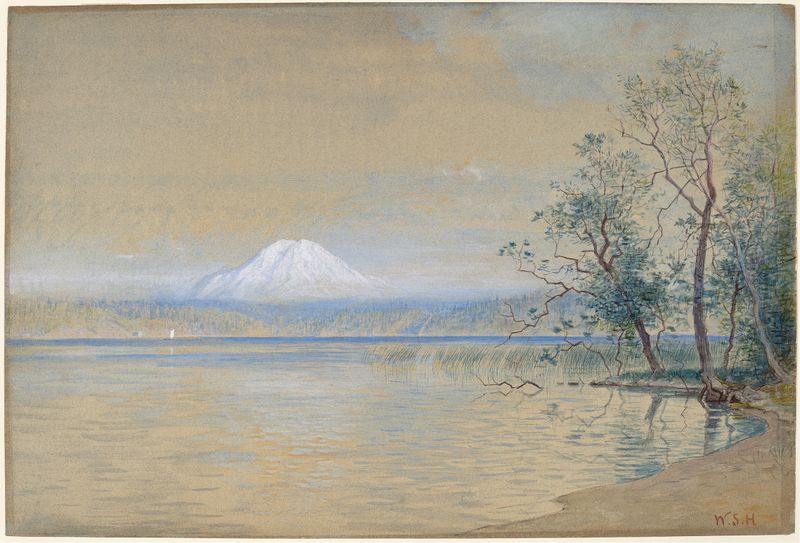
Mount Tacoma
William Stanley Haseltine
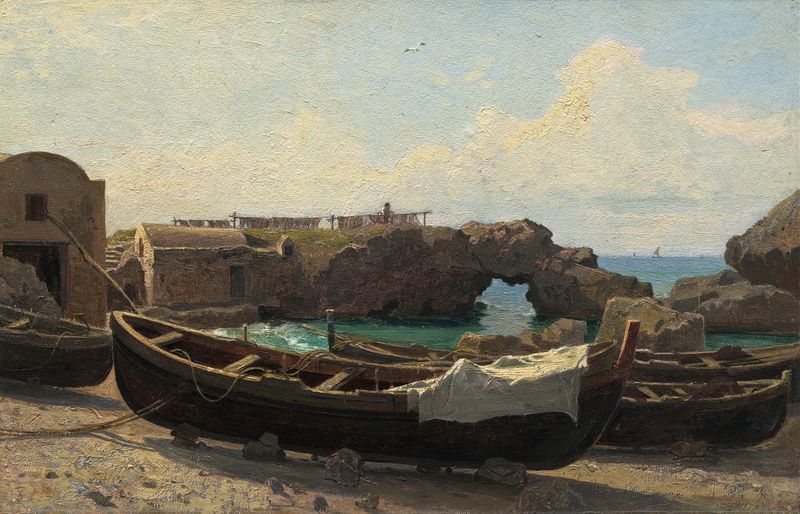
Marina Piccola, Capri
William Stanley Haseltine





