
Santa Maria della Salute, Sunset — History & Facts
What if silence could speak through light? In Santa Maria della Salute, Sunset, the luminous scene captures not only the essence of a tranquil evening but also the undercurrents of longing and betrayal that linger in the air. Focus on the brilliant hues of orange and gold that bathe the majestic dome of the basilica, drawing the eye with their warm embrace. The reflection on the water's surface creates a symphony of light, subtly merging with the silhouetted boats floating serenely nearby. Notice how Haseltine expertly balances the composition, leading our gaze toward the grand structure at the center, while the surrounding elements evoke a sense of both harmony and unease. As the sun dips below the horizon, there’s a poignant juxtaposition of beauty and melancholy.
The soft colors convey a fleeting moment of serenity, yet the stillness of the scene hints at deeper emotional scars. The absence of human figures amplifies feelings of solitude, suggesting perhaps a moment of betrayal, as if the very light of day betrays the darkness of hidden thoughts. William Stanley Haseltine created this work between 1870 and 1885, likely during a period of introspection and artistic exploration. Living in Italy at the time, he was influenced by the Romantic movement, which emphasized emotion and individual experience.
The socio-political landscape was shifting, and artists were beginning to grapple with new themes of identity and connection, reflecting the complexities of their own lives through the lens of nature and architecture.
More Artworks by William Stanley Haseltine
Browse all →
Mill Dam in Traunstein
William Stanley Haseltine
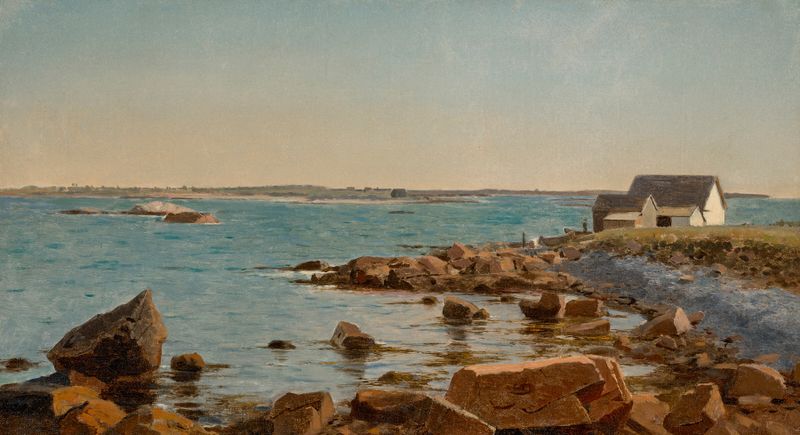
Nahant Coast
William Stanley Haseltine
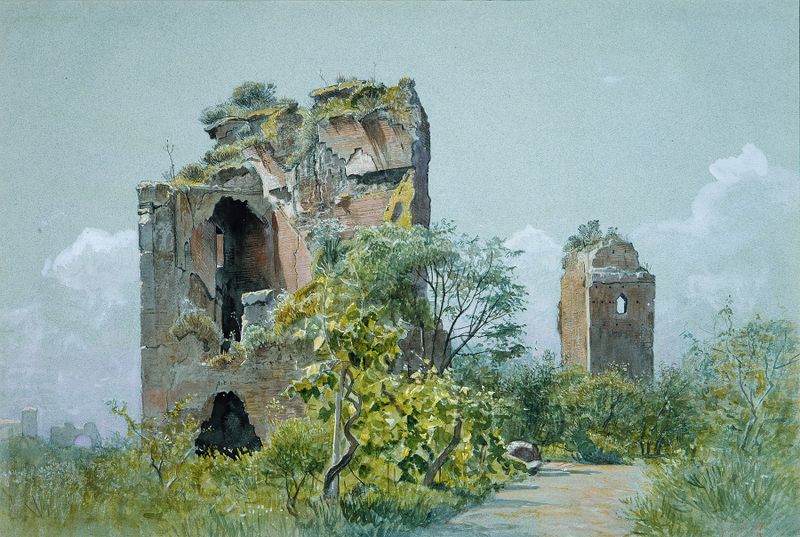
Baths of Trajan (Sette Sale, Villa Brancaccio, Rome)
William Stanley Haseltine
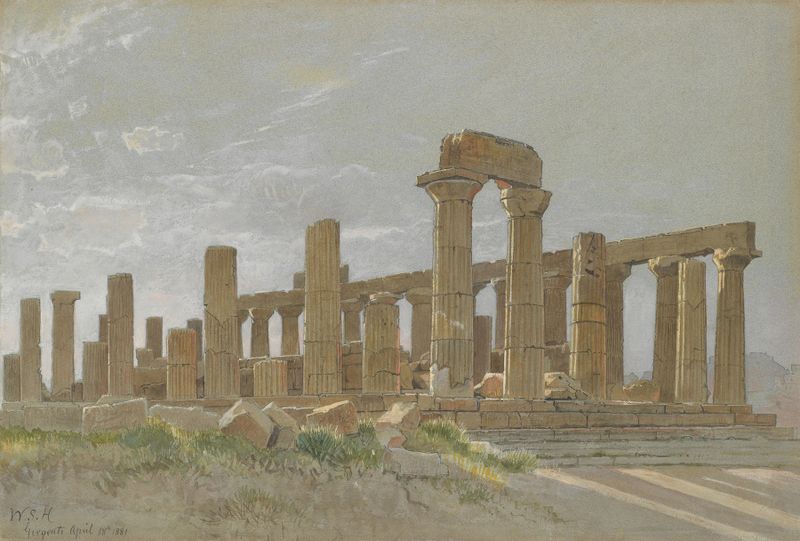
Girgenti (The Temple of Juno Lacinia at Agrigentum)
William Stanley Haseltine

Italian Hills
William Stanley Haseltine
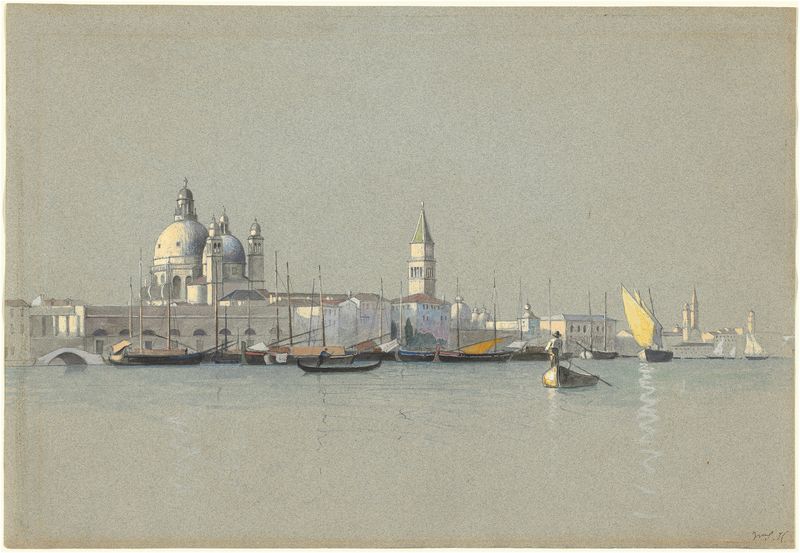
View across the Giudecca Canal toward the Salute and the Campanile of San Marco
William Stanley Haseltine
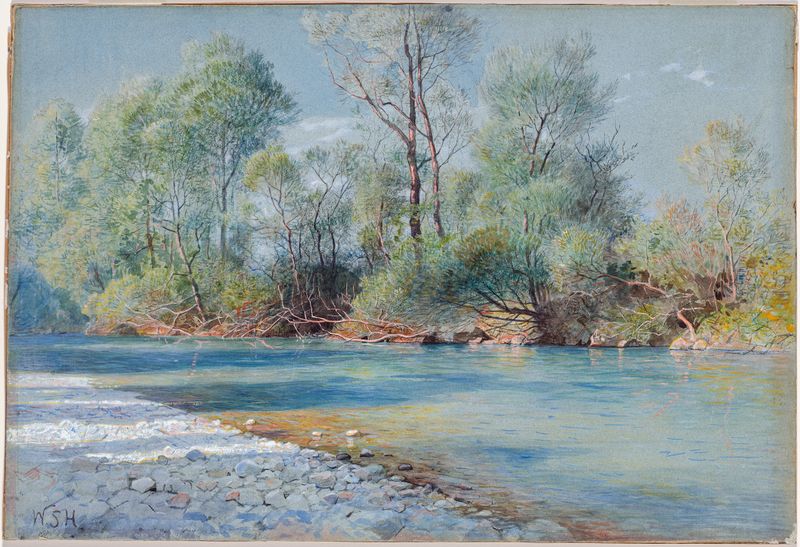
Traunstein River on the Road to Empfig, Bavaria
William Stanley Haseltine

Coast of Capri
William Stanley Haseltine
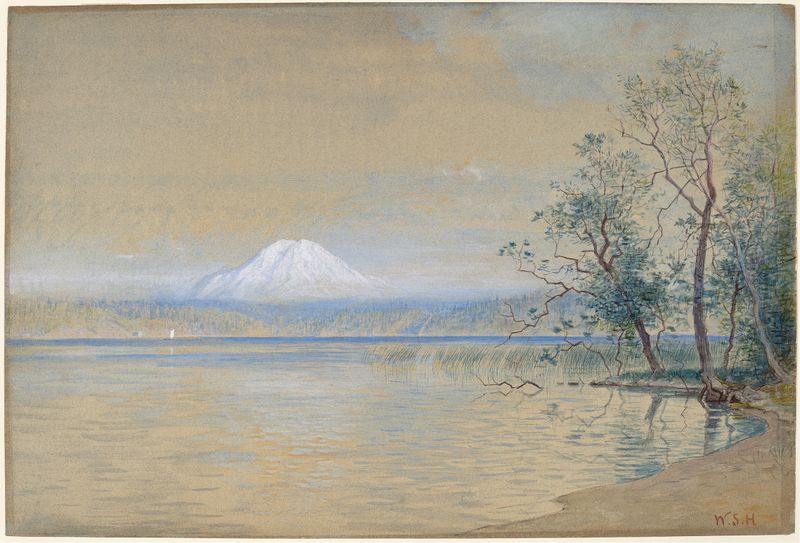
Mount Tacoma
William Stanley Haseltine
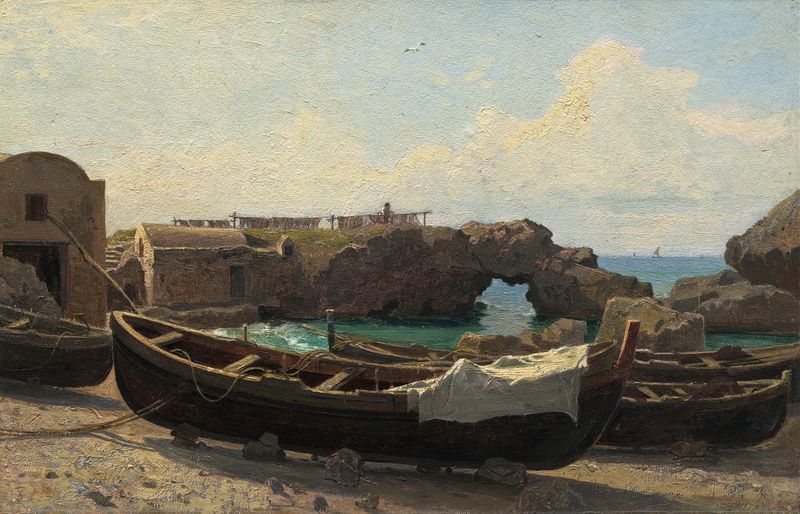
Marina Piccola, Capri
William Stanley Haseltine





