
Girgenti (The Temple of Juno Lacinia at Agrigentum) — History & Facts
What if silence could speak through light? In Girgenti, a serene landscape unfolds, where the echoes of time linger in the air, captured in a moment of quiet reflection. Look to the left at the majestic ruins of the Temple of Juno, their weathered stones bathed in the warm glow of the afternoon sun. This play of light highlights the delicate interplay between shadow and form, allowing the viewer to feel the weight of history. Notice how the vibrant blues and greens of the surrounding landscape contrast with the starkness of the ancient structure, creating a dialogue that bridges the past and present. The painting reveals deeper meanings through its subtle details.
The crumbling columns, though seemingly lifeless, evoke a sense of nostalgia, as if they hold the memories of countless stories whispered among their stones. The lush foliage encircling the temple symbolizes nature's resilience, thriving despite the passage of time. Together, these elements create a haunting juxtaposition of decay and vitality, inviting contemplation on the impermanence of human endeavors. William Stanley Haseltine painted Girgenti in 1881 while living in the United States, having established his reputation as a prominent landscape artist.
During this period, he was deeply influenced by the European travels that shaped his artistic vision. The fascination with classical ruins in the wake of the Grand Tour reflected a broader cultural movement, as artists sought to connect with the roots of Western civilization through their work.
More Artworks by William Stanley Haseltine
Browse all →
Mill Dam in Traunstein
William Stanley Haseltine
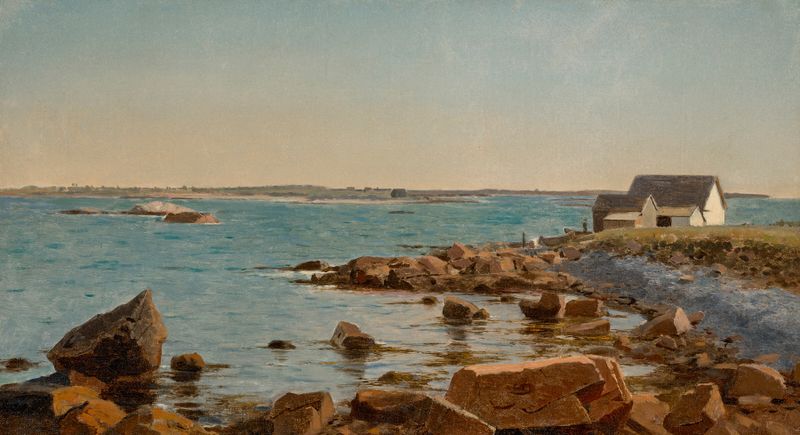
Nahant Coast
William Stanley Haseltine
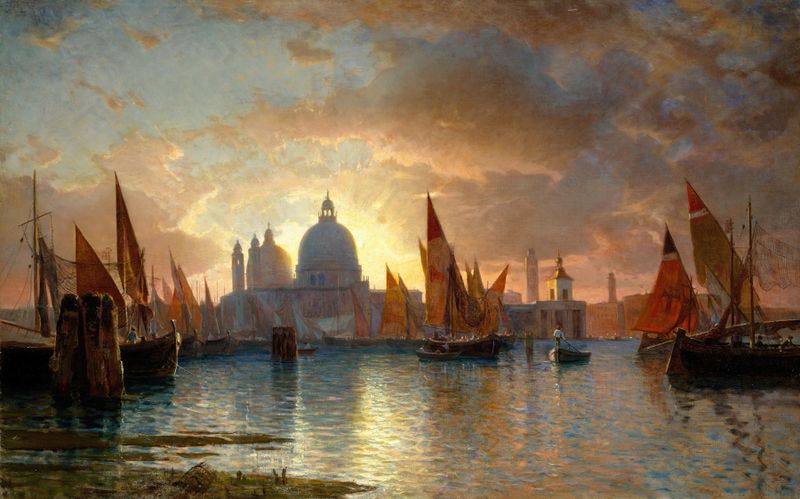
Santa Maria della Salute, Sunset
William Stanley Haseltine
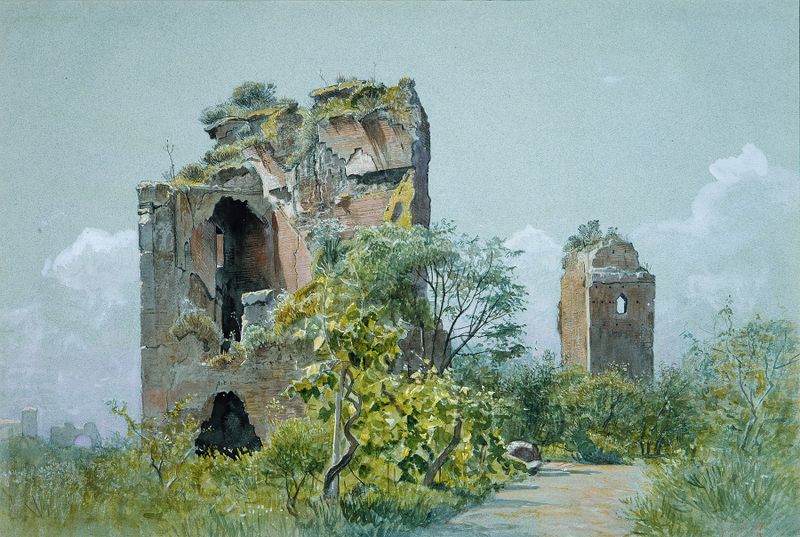
Baths of Trajan (Sette Sale, Villa Brancaccio, Rome)
William Stanley Haseltine

Italian Hills
William Stanley Haseltine
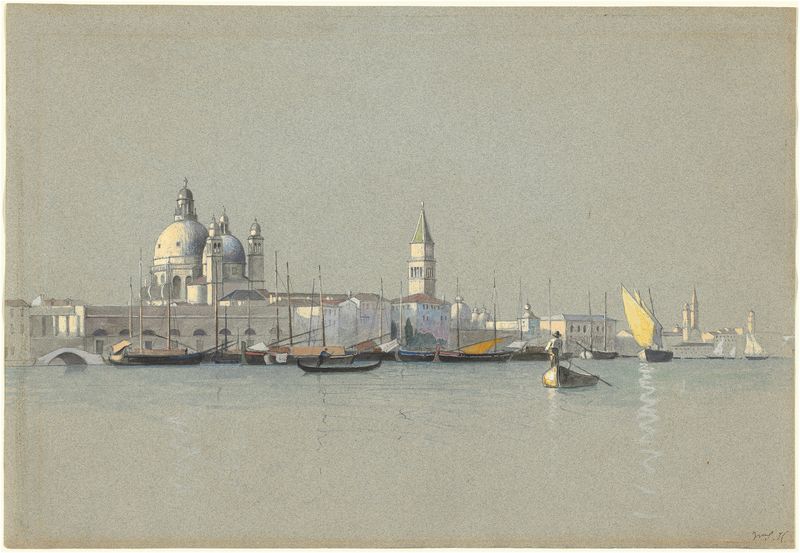
View across the Giudecca Canal toward the Salute and the Campanile of San Marco
William Stanley Haseltine
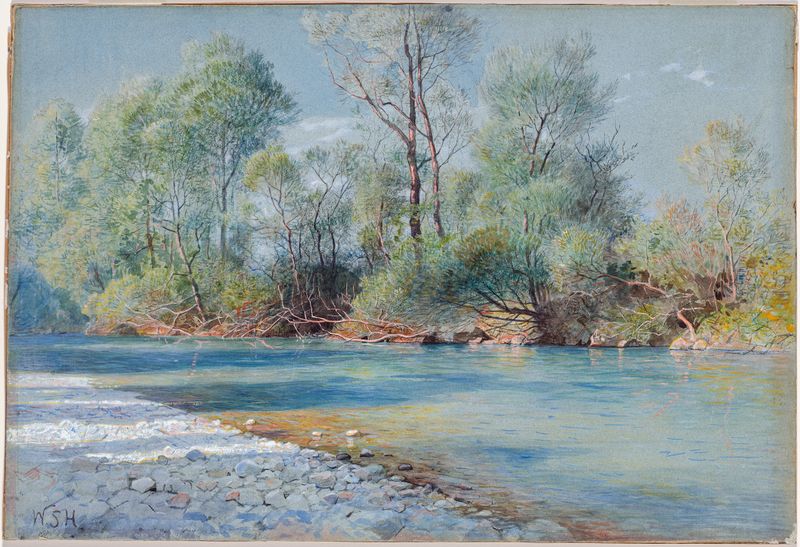
Traunstein River on the Road to Empfig, Bavaria
William Stanley Haseltine

Coast of Capri
William Stanley Haseltine
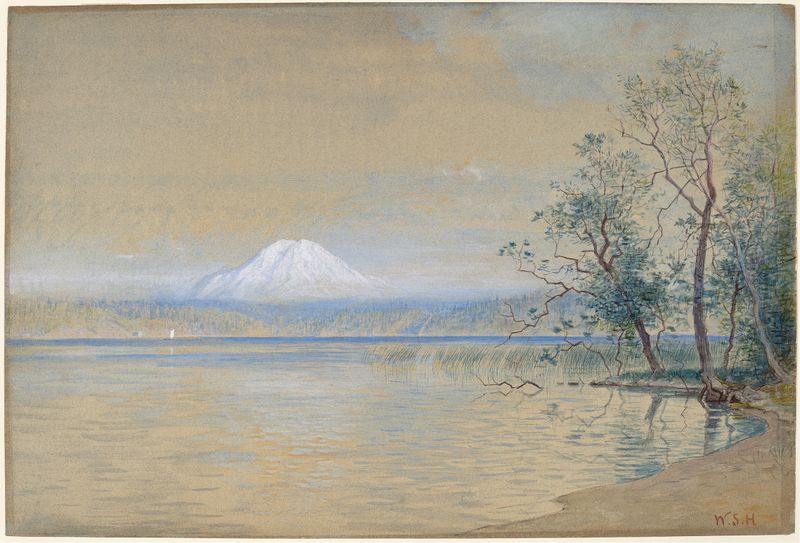
Mount Tacoma
William Stanley Haseltine
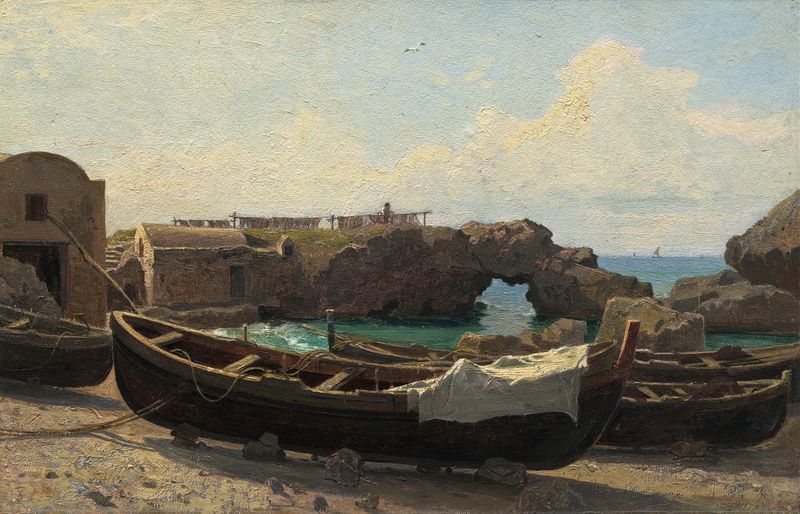
Marina Piccola, Capri
William Stanley Haseltine





