
Battle Scene with Church at left — History & Facts
The clash of steel and the cries of warriors fill the air, a cacophony of chaos against the backdrop of a looming church. Dark clouds gather overhead, casting a somber shadow over the battleground where valor and violence intertwine. Figures in the throes of combat are caught in dynamic poses, as if suspended in the tense moment just before resolution. Look to the left, where the church stands resolute, its steeple piercing the tumultuous sky.
Notice the contrast between the vibrant reds and ochres of the soldiers’ attire and the muted grays of the architecture. The light, though scarce, bathes the scene in a faint glow, highlighting the muscles tensed in battle, while the smoke swirls upward, creating an ethereal haze that encircles the fighters. This careful composition draws the viewer's eye seamlessly across the canvas, illustrating not just a conflict but an underlying narrative of turmoil and transformation. Amidst the violence, the church represents a sanctuary, a silent witness to the human struggle unfolding below.
The juxtaposition of the sacred and the savage elicits contemplation about the nature of conflict—how battles can drive societies into evolution, yet leave scars that linger long after swords are sheathed. Small details, like a fallen soldier cradling a locket, inject a poignant reminder of love lost amid war’s devastation, emphasizing the personal toll of such grand narratives. In the late 18th century, while the political landscape of Europe was ravaged by revolutions and upheaval, Dirk Langendijk painted Battle Scene with Church at left as a reflection of his time. Creating this piece between 1790 and 1800 in the Netherlands, he was influenced by the neoclassical movement emerging in response to Baroque excess.
Art was evolving—challenging the viewer to confront the realities of life, conflict, and the complex tapestry of human emotion that binds them.
More Artworks by Dirk Langendijk
Browse all →

More Historical Art
Browse all →
The Night Watch Militia Company of District II under the Command of Captain Frans Banninck Cocq
Rembrandt van Rijn
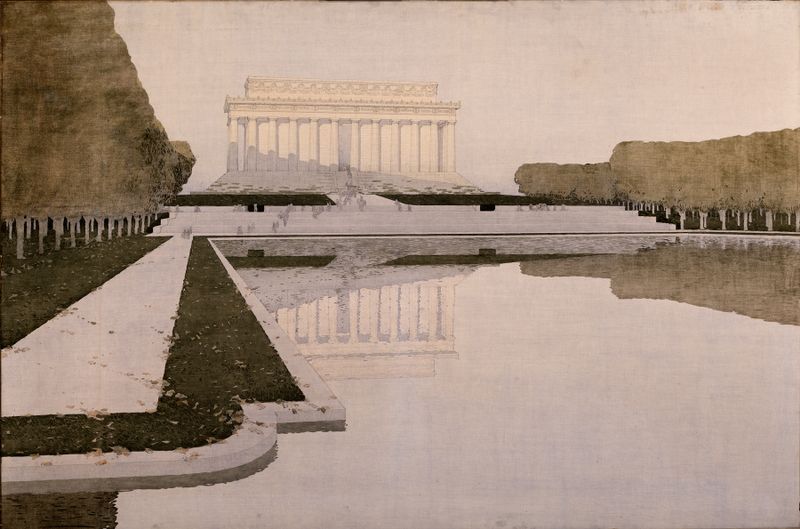
Lincoln Memorial
Henry Bacon
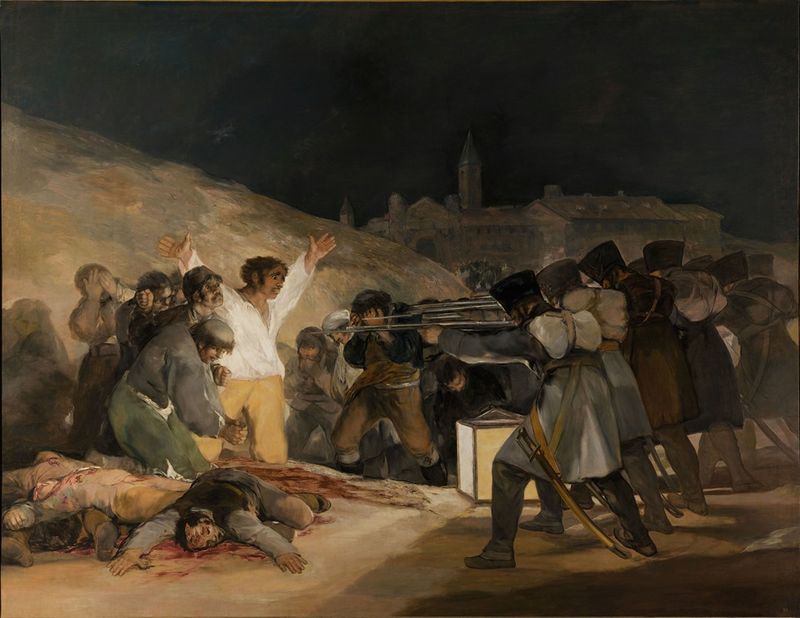
The Third of May 1808
Francisco de Goya

Isaac and Rebecca, Known as ‘The Jewish Bride’
Rembrandt van Rijn
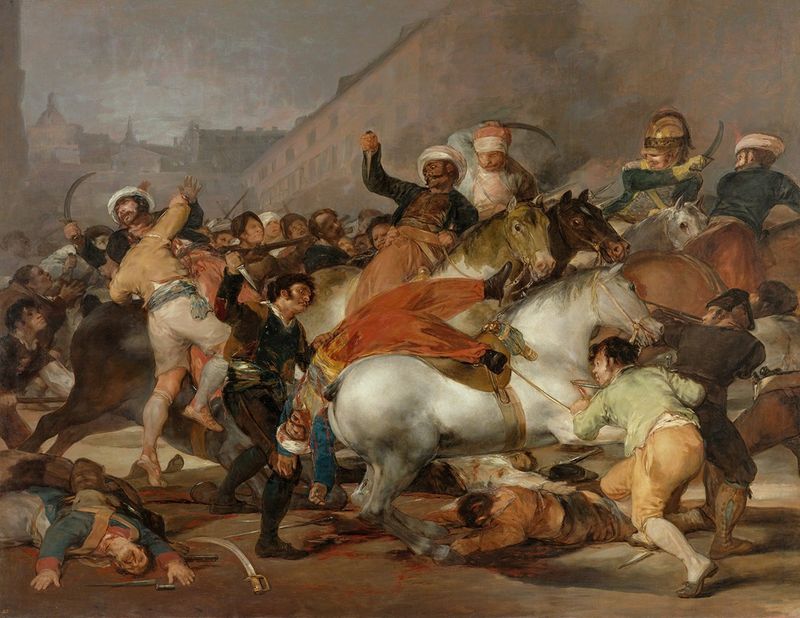
The Charge of the Mamelukes (1814)
Francisco de Goya

De vier ruiters van de apocalyps
Albrecht Dürer