
Baumstamm als Brunnentrog — History & Facts
In Baumstamm als Brunnentrog, the viewer is invited to hold onto fleeting moments of hope and connection amidst nature's cycles. Look to the center of the canvas, where the gnarled wood of a tree trunk transforms into a rustic trough. The artist employs rich earthy tones to evoke a sense of warmth, with sunlight dappling the surface through a canopy of leaves overhead. The interplay of shadows and light creates a rhythm that draws the eye across the composition, mimicking the natural flow of water as it seeks refuge in the hollow. Within this serene portrayal lies a deeper narrative.
The juxtaposition of the sturdy tree trunk, representing resilience, against the flowing water suggests a harmonious relationship between permanence and change. Each detail, from the intricate textures of the bark to the subtle reflection of surrounding foliage in the water, encapsulates a moment in time, gently urging the viewer to reflect on their own connections to the world around them. Hans Thoma painted Baumstamm als Brunnentrog in 1861, during a period of personal introspection and exploration of nature. At this time, he was heavily influenced by the Romantic movement, which celebrated the beauty of the natural world.
The artist's focus on capturing the simplicity and profundity of everyday life resonated with the growing interest in landscape painting, marking a significant phase in his artistic journey.
More Artworks by Hans Thoma
Browse all →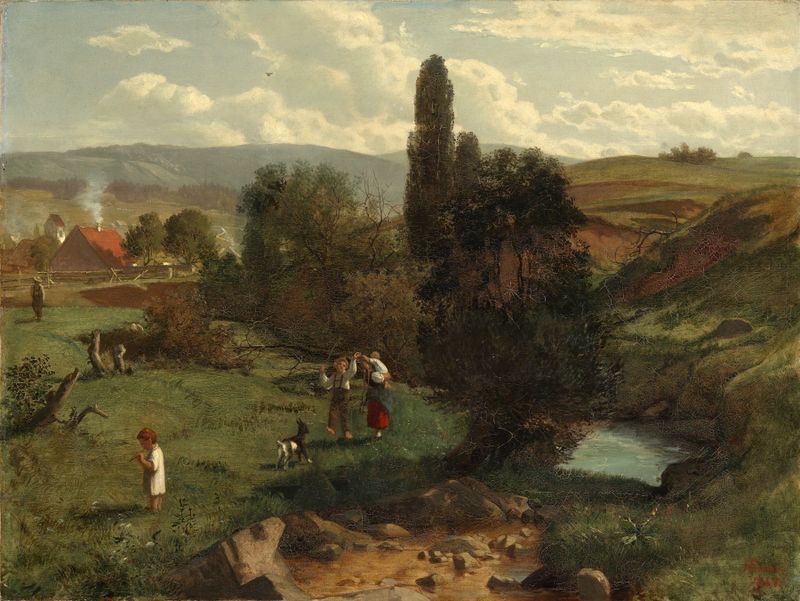
Schwarzwaldlandschaft
Hans Thoma
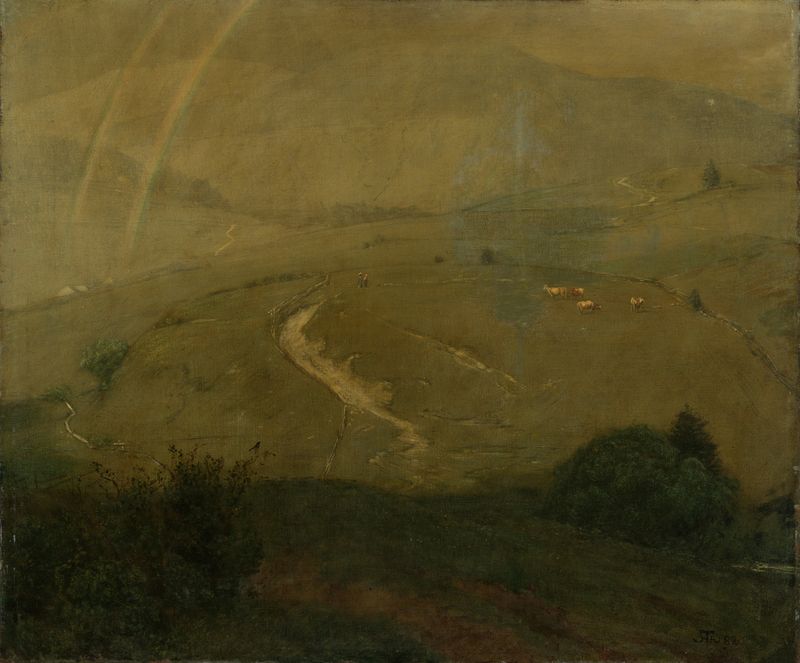
Regen im Schwarzwald
Hans Thoma
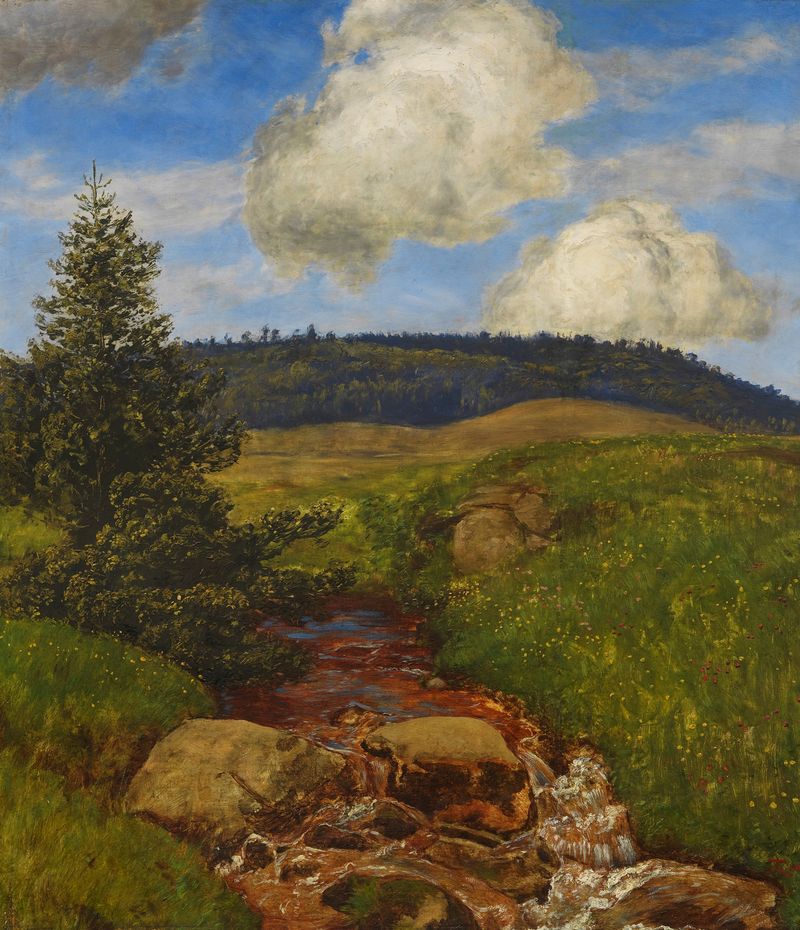
Schwarzwaldbach
Hans Thoma
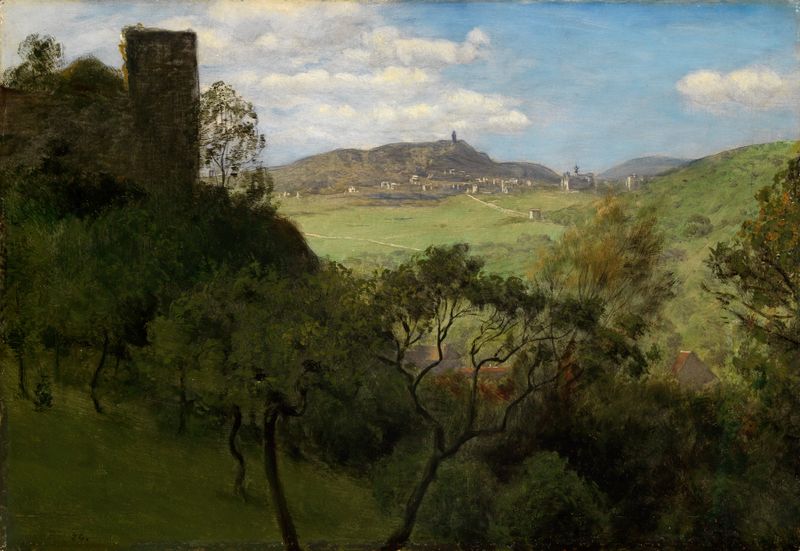
Blick auf Falkenstein im Taunus
Hans Thoma
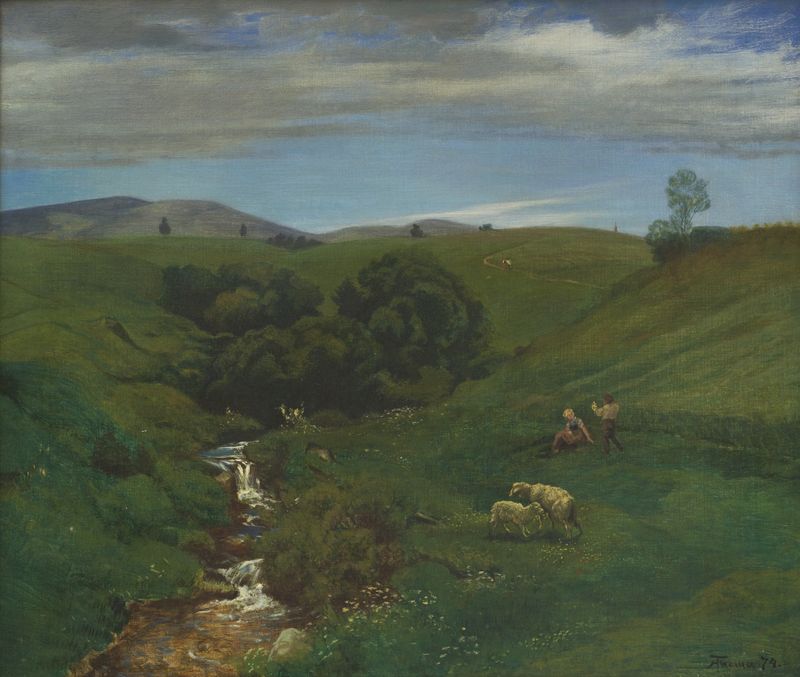
Black Forest Meadow near Bernau
Hans Thoma
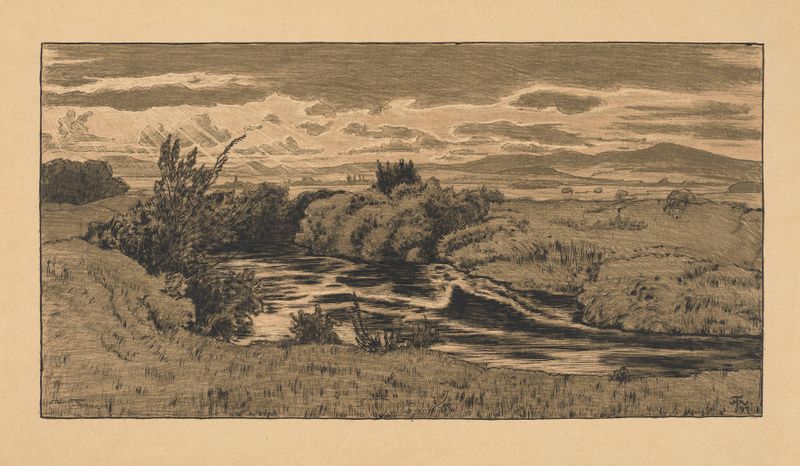
Evening by the Nidda River
Hans Thoma
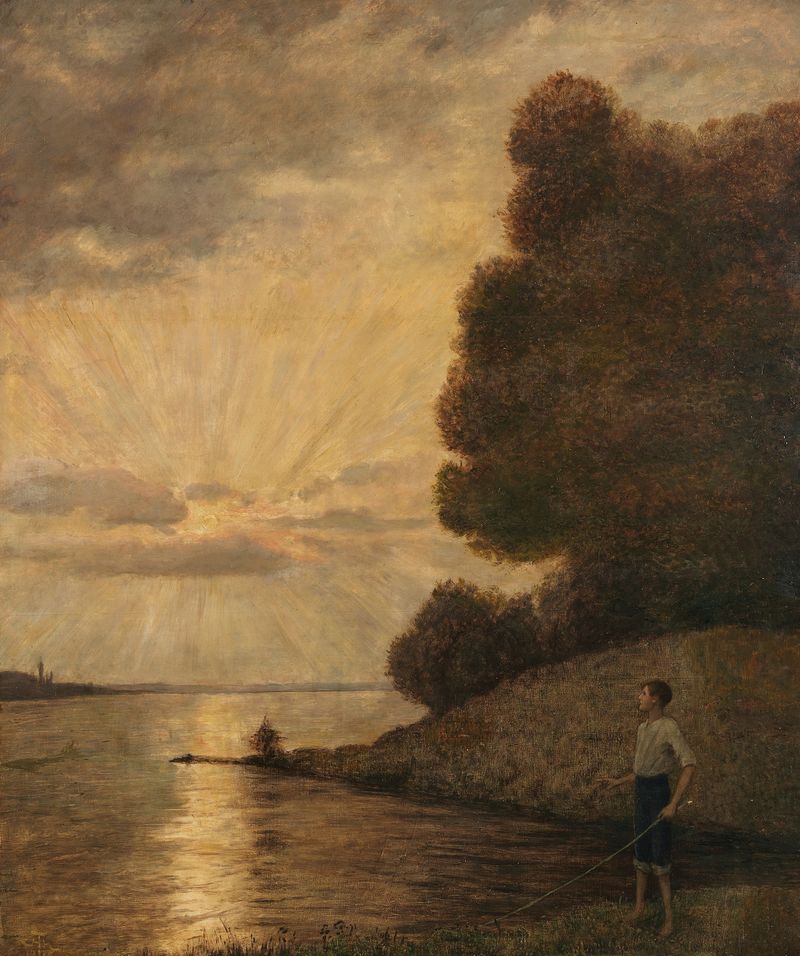
Sonnenuntergang am Oberrhein
Hans Thoma
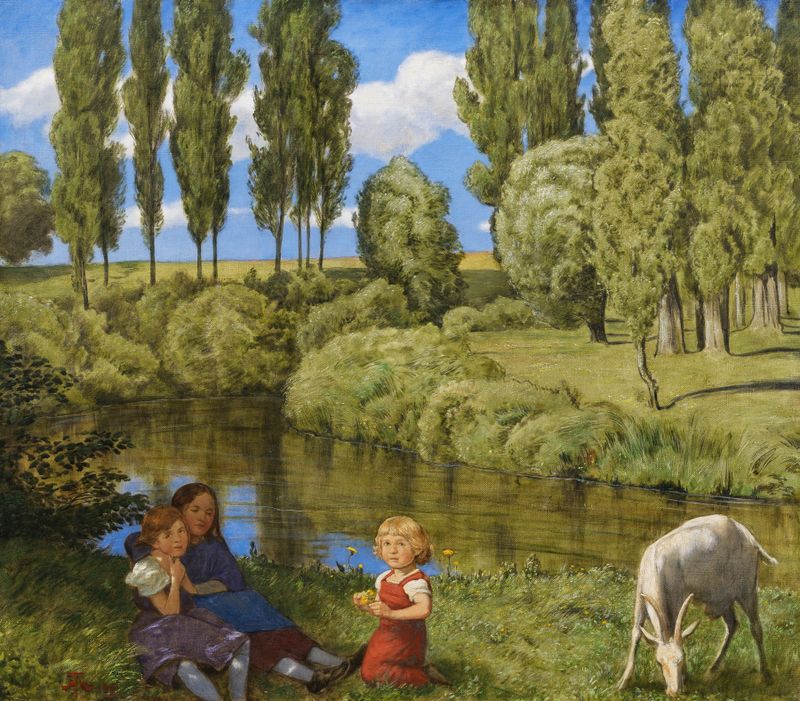
Am Stillen Bach
Hans Thoma
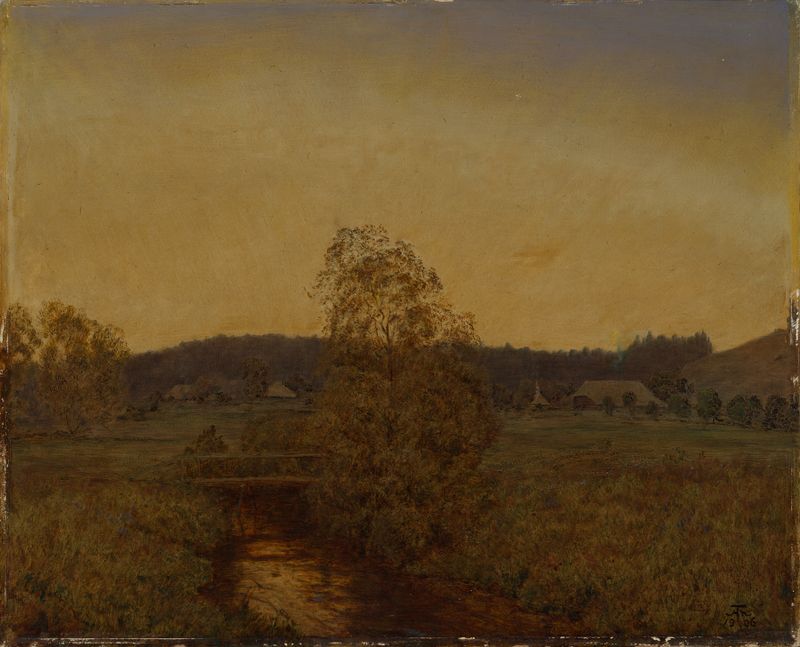
Der Abendstern
Hans Thoma
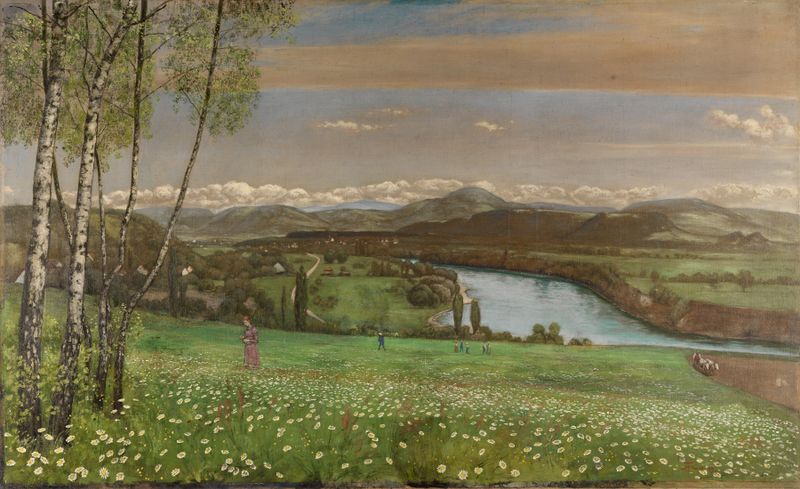
Das Rheintal bei Säckingen
Hans Thoma





