
Beach at Ösbyholm — History & Facts
When did color learn to lie? The vibrant hues of blues and greens whisper of joy, yet beneath the surface lies an aching sense of loss, quietly pulsating through the visual landscape. Look to the left of the canvas, where the soft, sunlit shoreline meets the cool, restless water. Notice how the brushstrokes dance across the painting, each stroke holding a memory of the moment captured. The horizon stretches out, inviting the viewer's gaze to wander, while the interplay of light and shadow evokes a delicate balance between tranquility and turmoil.
The artist’s palette, rich with colors, reveals a mastery that draws us into a serene yet complex world. Delve deeper into the painting's emotional core, where the juxtaposition of the idyllic beach against the turbulent sky speaks to the duality of human experience. The gentle waves, caught in a fleeting moment of stillness, reflect both calm and unrest. Look closely, and you may sense the absence of figures, hinting at a longing for connection or the aftermath of a once-vibrant gathering, now left behind.
This emptiness, woven through the vibrancy, amplifies the profound sense of loss that permeates the scene. Created during a period of personal reflection, this work emerged when the artist was navigating the nuances of life within the shifting currents of the late 19th century. Living in Sweden, Bergh was influenced by the burgeoning Impressionist movement and the desire to capture fleeting moments of beauty, yet he also grappled with the complexities of human emotion that colored his interpretations of the world around him. In Beach at Ösbyholm, he encapsulates both the tranquility of nature and the haunting silence of absence.
More Artworks by Richard Bergh
Browse all →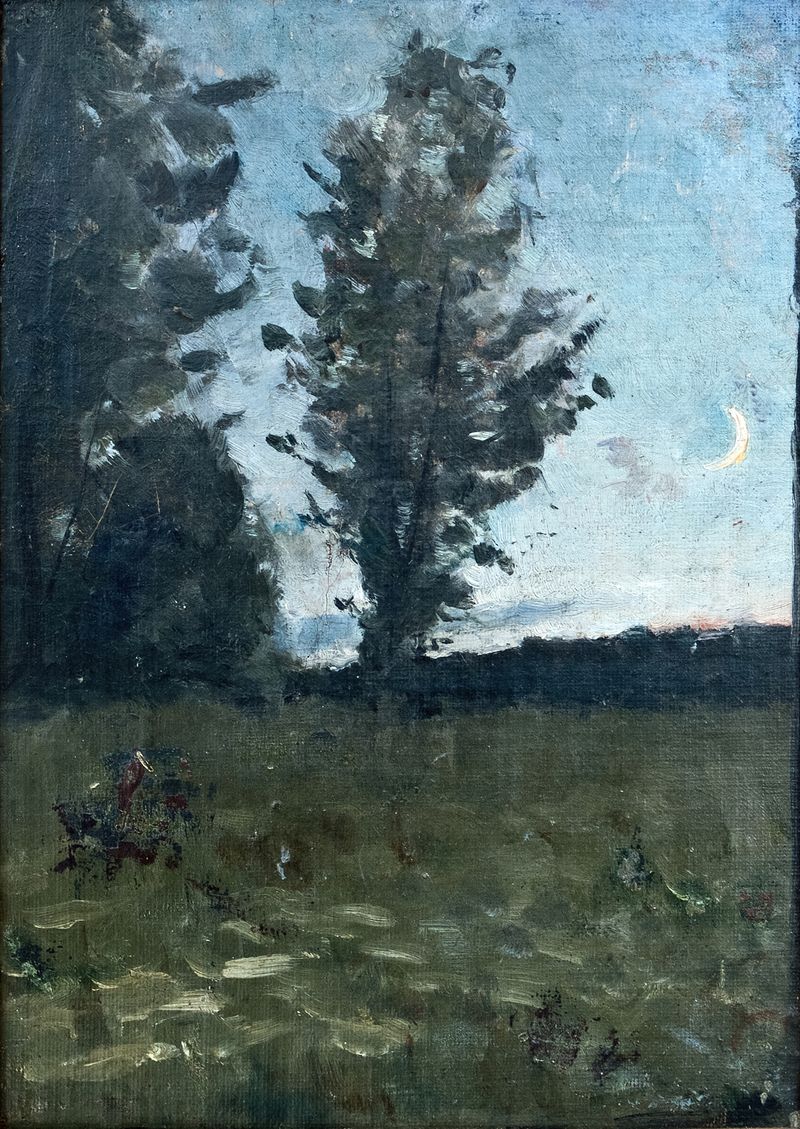
Moonlit Landscape
Richard Bergh
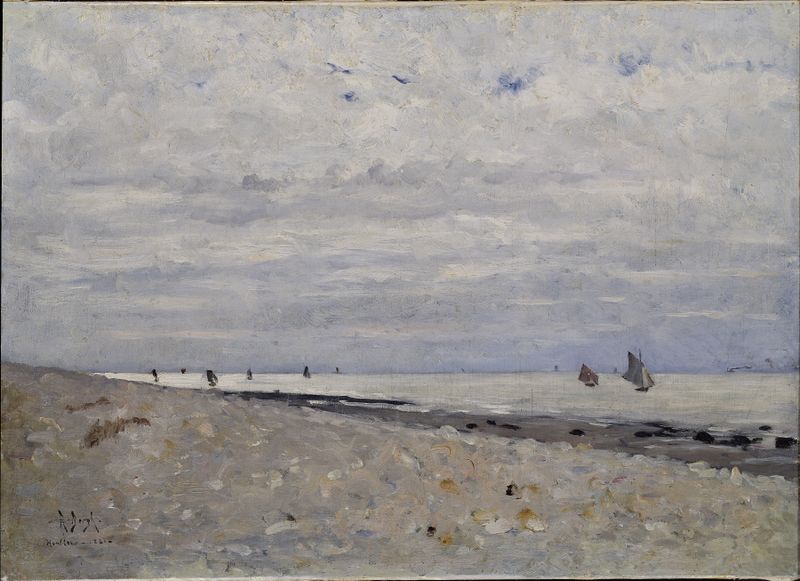
Sea Landscape off Honfleur
Richard Bergh

Park Landscape, Tyresö
Richard Bergh
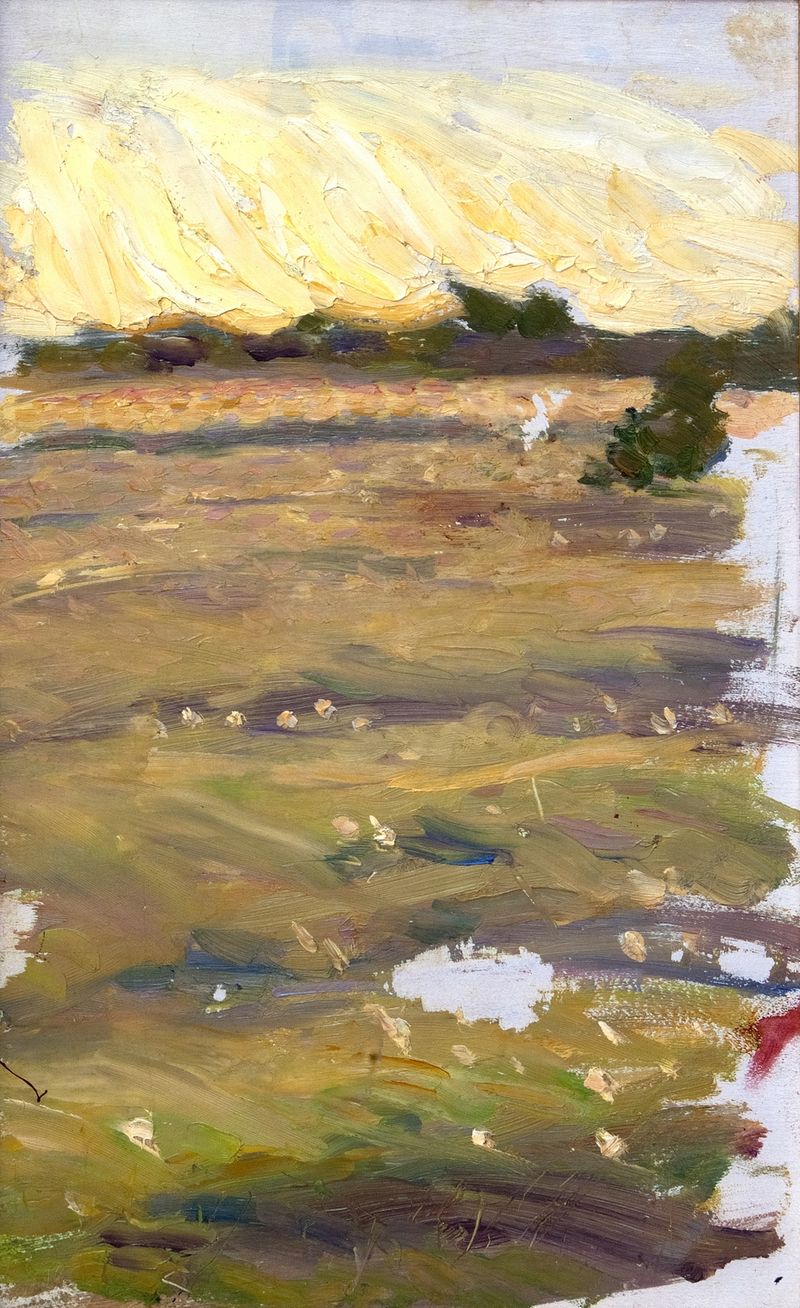
Sketch for The Knight and the Maiden
Richard Bergh

Landscape from Halland
Richard Bergh
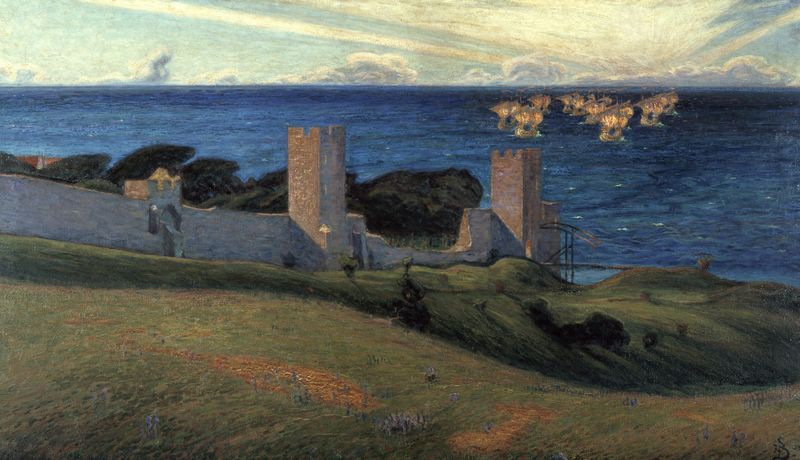
Vision. Scene from Visby
Richard Bergh

The Verger’s House at Tyresö
Richard Bergh
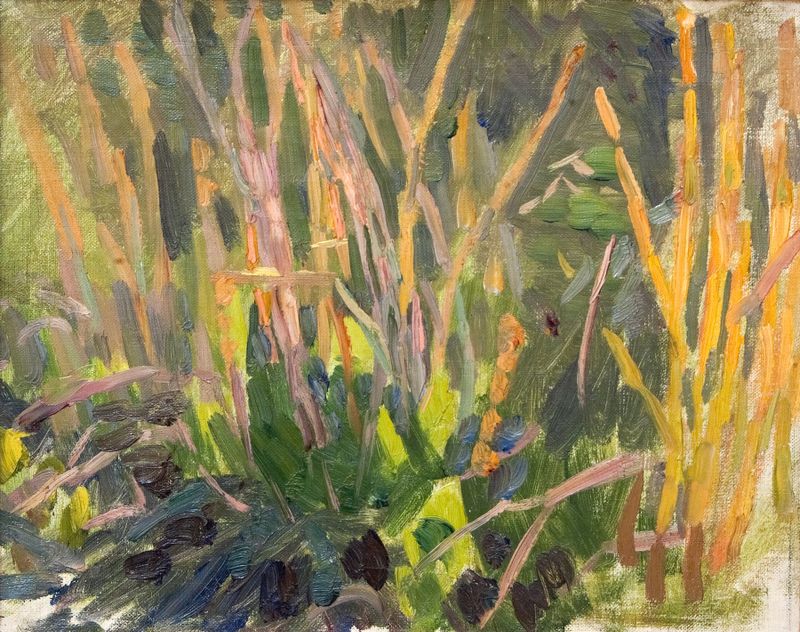
Sketch for The Knight and the Maiden (Dandelions)
Richard Bergh
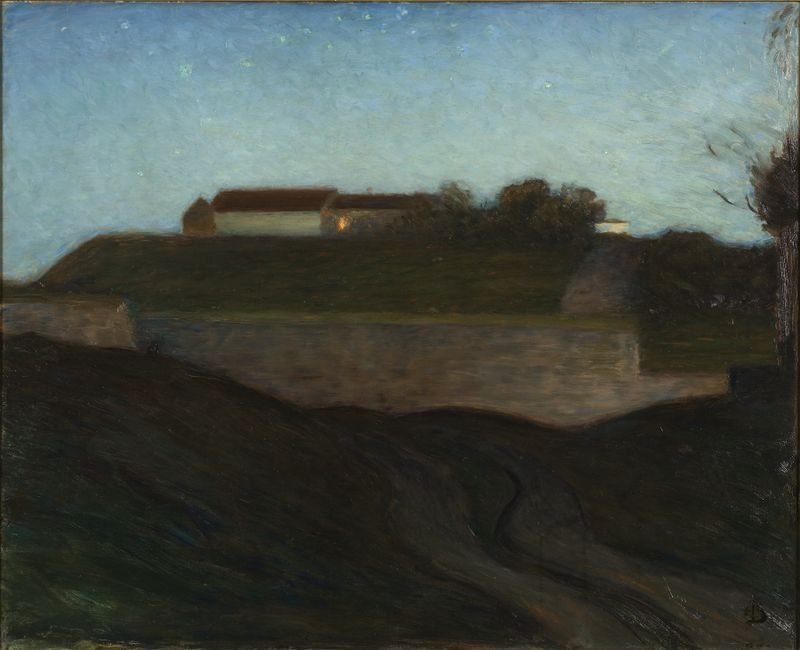
The Fortress of Varberg
Richard Bergh
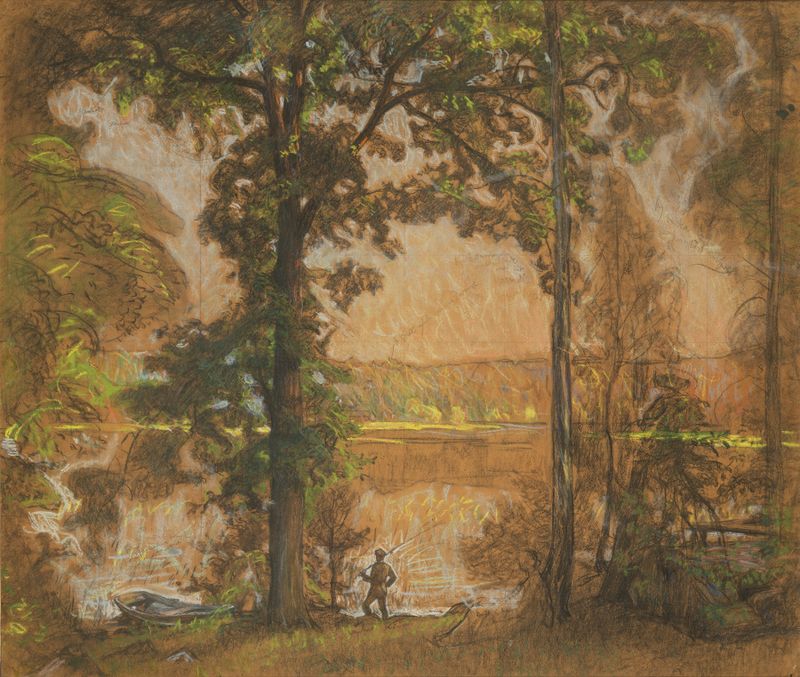
Landscape Tyresö
Richard Bergh





