Beautiful winter day — History & Facts
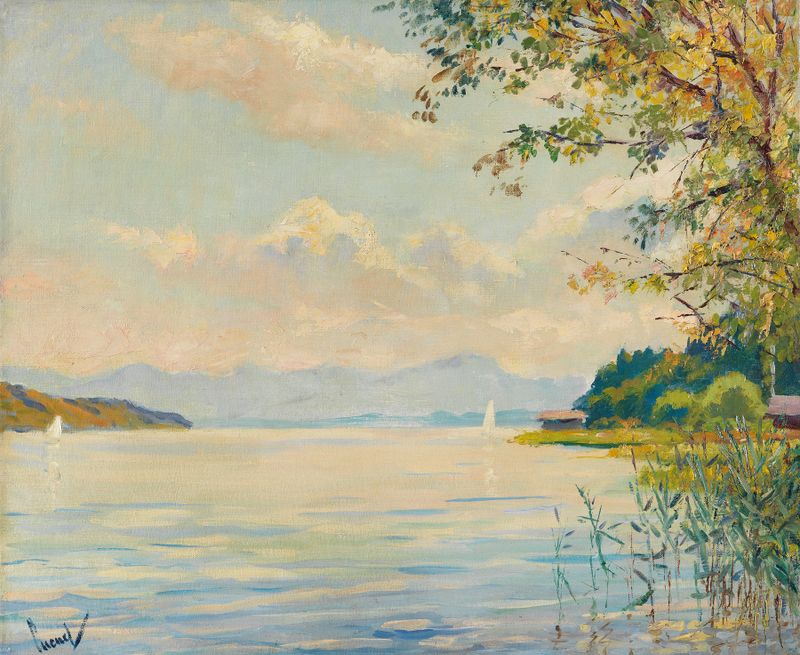
In a world where fragility dances on the edge of permanence, Beautiful Winter Day captures a moment suspended in time, where the soft chill of winter whispers to the soul. Look to the center of the canvas, where delicate figures clad in winter attire meander through a serene landscape. Notice how Cucuel employs a palette of soft whites and muted blues to evoke the tranquility of snow-laden branches. The sunlight breaks through the clouds, casting gentle shadows that mimic the fleeting nature of the season.
Every brushstroke conjures an atmosphere that balances between warmth and cold, inviting viewers into a space of quiet reflection. Hidden within the layers of this artwork lie emotional tensions that transcend mere beauty. The figures, though engaged in their own moments, seem detached, embodying a sense of isolation that winter often brings. The contrast between the brightness of the snow and the muted tones of their attire suggests a delicate balance between joy and melancholy, prompting contemplation of life's impermanence.
Each detail, from the frost-kissed trees to the soft footprints in the snow, reinforces the theme of fragility, reminding us of the transient nature of these winter days. Edward Cucuel painted Beautiful Winter Day in 1920 while residing in Germany. At this time, he was emerging as a prominent figure in the art world, influenced by Impressionism and focusing on themes that captured light and atmosphere. The post-war period found many artists searching for beauty amidst chaos, and this piece reflects Cucuel’s desire to encapsulate a serene moment, anchoring a sense of peace in a world undergoing profound change.