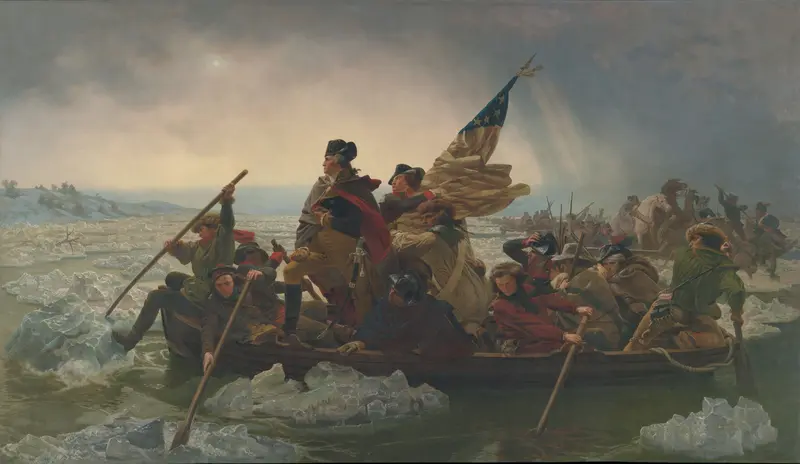
Beddgelert — History & Facts
Few legends have left such a lasting mark on the Welsh landscape as the tale of Gelert, the faithful hound of Prince Llywelyn the Great. The story, immortalized in Beddgelert by John Linnell, is so deeply woven into local tradition that the village of Beddgelert in Snowdonia claims to hold the dog's grave. Linnell’s painting stands out as one of the rare 19th-century treatments of this narrative, capturing the moment of tragic misunderstanding that has haunted visitors and storytellers alike for generations. The canvas freezes the instant after Llywelyn, believing his dog Gelert had killed his infant son, discovers the child alive and a slain wolf nearby.
Linnell paints the prince in a moment of horror and regret, his sword still drawn, as the loyal hound lies lifeless at his feet. The prince’s posture—half-collapsed, reaching toward Gelert—speaks of irreparable loss, while the child’s cradle and the wolf’s bloodied body tell the story without words. The drama of Linnell’s chiaroscuro, with its sharp contrasts of light and shadow, recalls the emotional intensity found in Edwin Landseer’s animal paintings, yet Linnell’s focus is on human error and remorse rather than animal heroism. The precise origins and early history of Beddgelert remain uncertain, as neither its date nor its first owner are securely documented.
What is clear is that it belongs to a period when John Linnell was exploring rural and legendary British subjects, often working in dialogue with the Romantic movement. The painting has appeared in several exhibitions dedicated to British narrative art, and its attribution to Linnell is widely accepted by scholars, though some have noted stylistic similarities to his pupil Samuel Palmer. Today, Beddgelert is recognized as a moving example of Linnell’s ability to blend folklore with the emotional realism that defined his mature work.
More Artworks by John Linnell

A View Near Hampstead
John Linnell
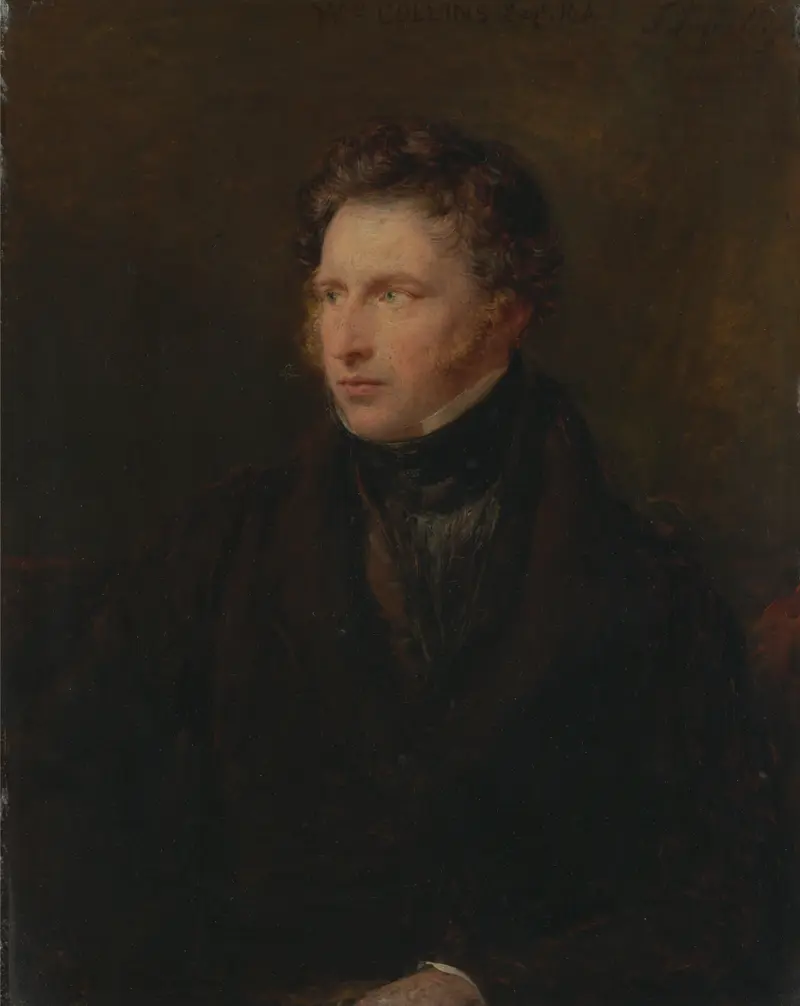
William Collins, R.A.
John Linnell
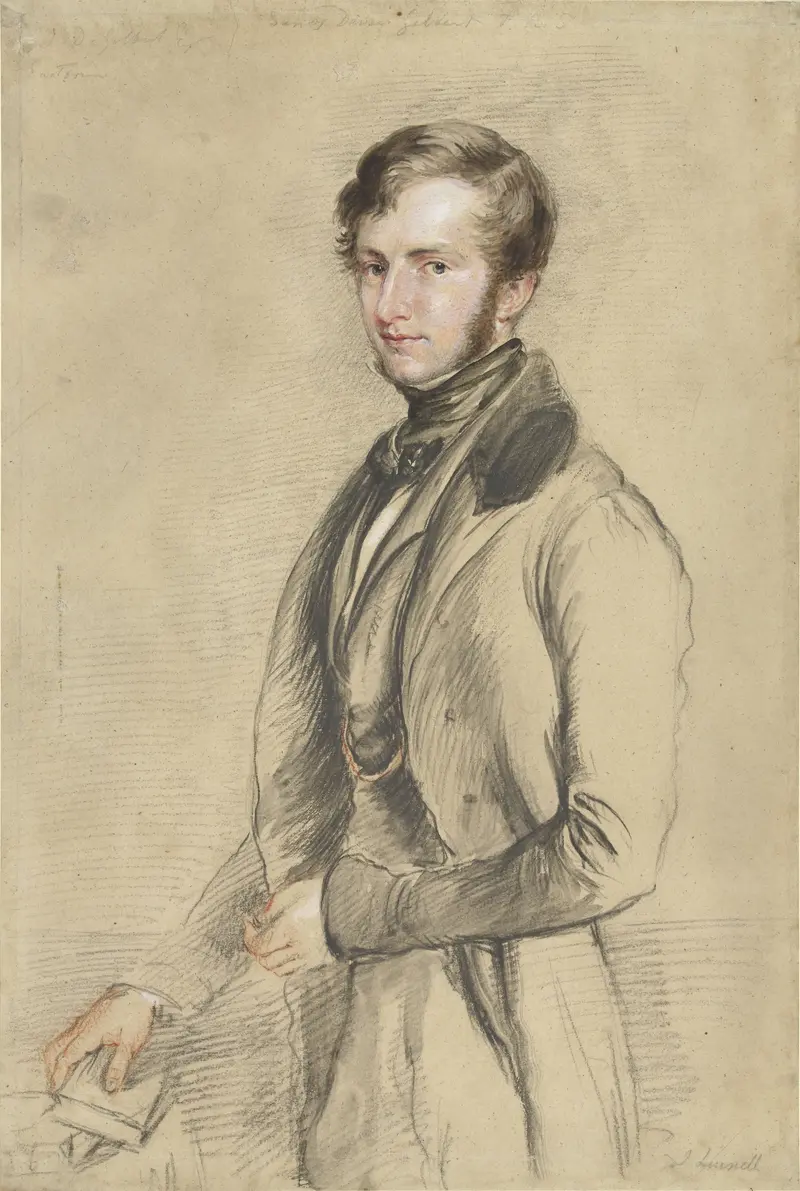
Portrait of John Davies Gilbert
John Linnell
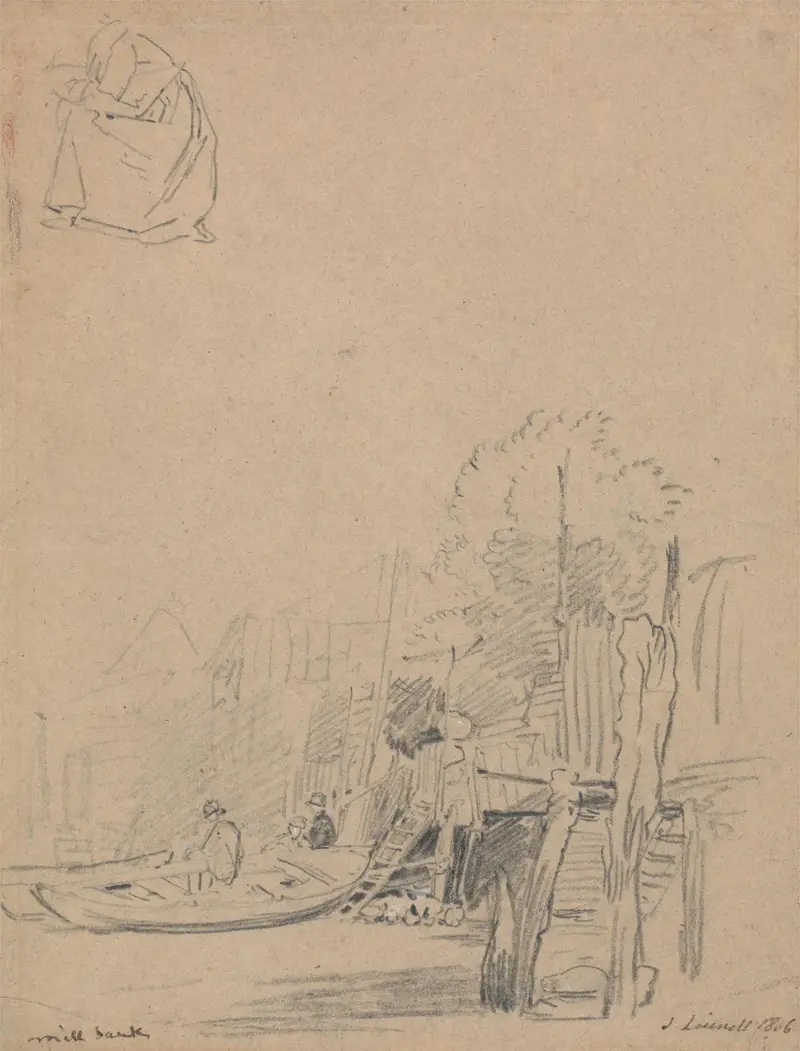
Millbank
John Linnell
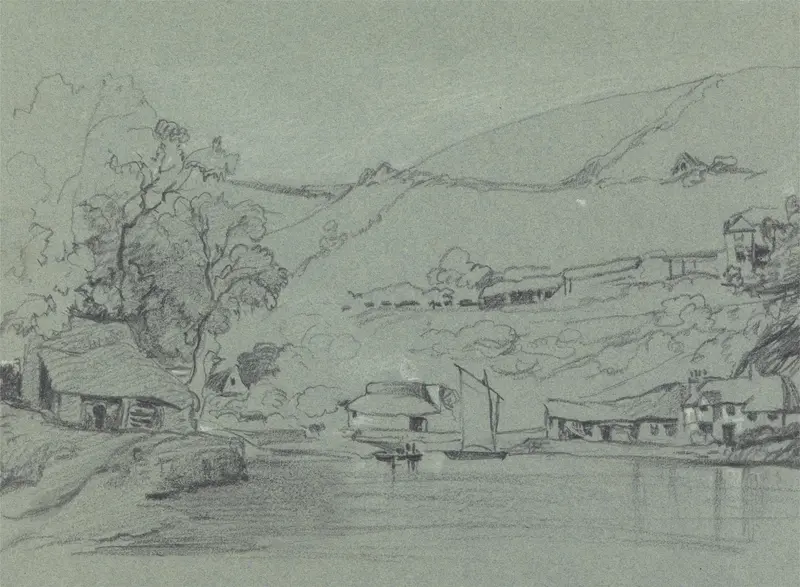
Scene in Kent
John Linnell
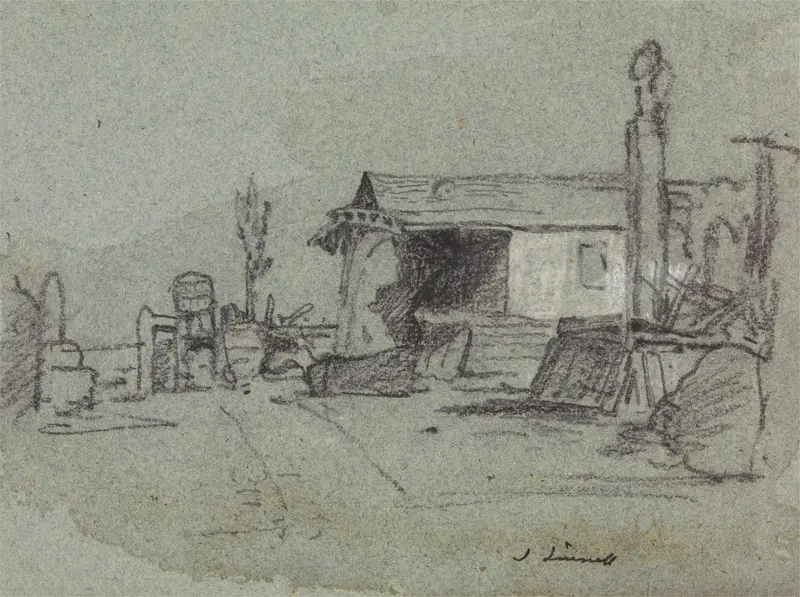
A Scene in the Edgware Road, London
John Linnell
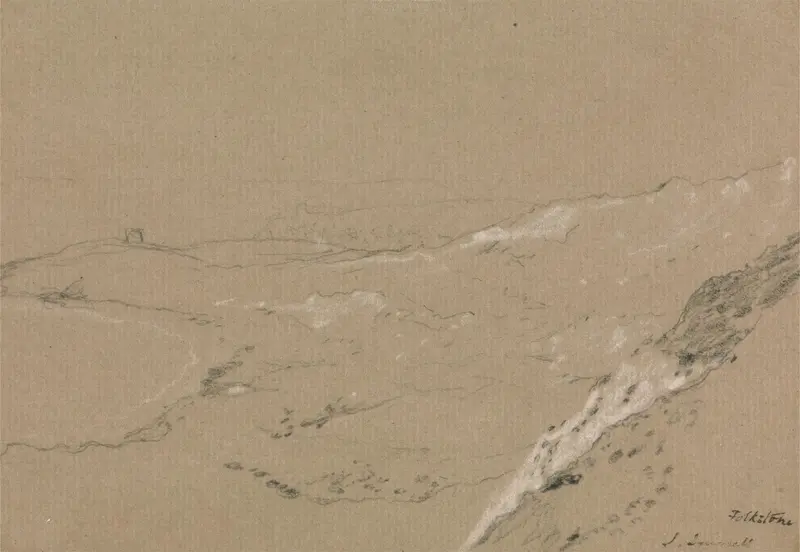
Folkestone
John Linnell
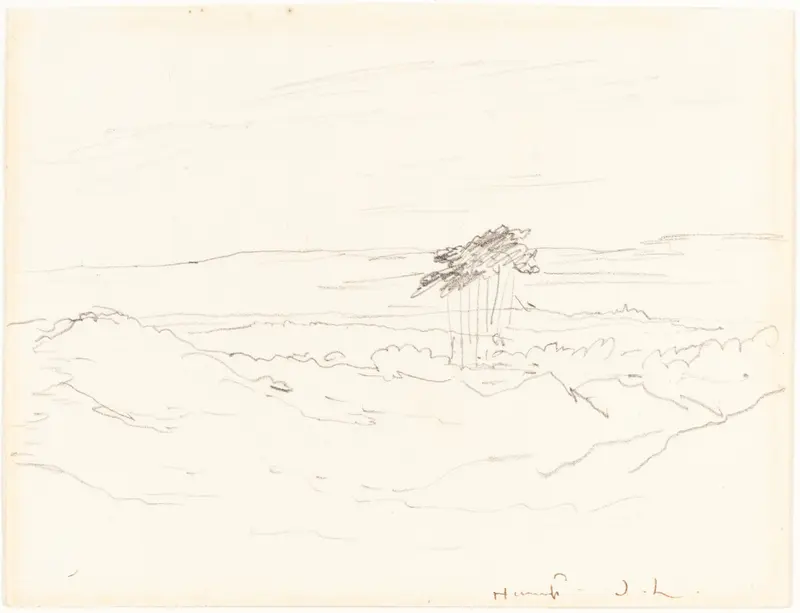
Hampstead Heath
John Linnell
Henry Stephen Fox-Strangways, 3rd Earl Of Ilchester
John Linnell
View at Mr. Sheppard’s, The Ridge, Gloucestershire
John Linnell