
Beeld met Christuskind met rijksappel — History & Facts
What secret hides in the quiet of the canvas? In Beeld met Christuskind met rijksappel, the ethereal presence of the divine invites contemplation, drawing the viewer into a sacred dialogue that transcends time. Focus first on the serene expression of the Christ Child, cradled tenderly in the arms of a figure whose gaze is filled with both love and reverence. Notice how the lush, muted colors contrast with the vibrancy of the rich apple, symbolizing both temptation and divine promise. The gentle light that bathes the figures adds a luminosity, creating an almost otherworldly aura that beckons you to ponder the weight of their interaction. The delicate interplay of gesture and symbolism speaks volumes.
The positioning of the apple—not merely a fruit but a profound emblem of knowledge and redemption—invites us to explore themes of innocence lost and regained. The background elements, subtle yet suggestive, serve to ground the divine moment in a world that hovers on the brink of spiritual awakening, hinting at the complexities of faith and human frailty. Created between 1509 and 1549, this piece reflects Cranach's mastery during the Northern Renaissance, a time marked by religious upheaval and a burgeoning focus on individual spirituality. Cranach, deeply embedded in the court of Saxony, was not only a painter but also a pivotal figure in the Reformation, translating complex theological concepts into visual language for all to grasp, thus enriching the dialogue between art and faith.
More Artworks by Lucas Cranach (I)
Browse all →
Oordeel van Paris
Lucas Cranach (I)
Portret van Martin Luther als Augustijner monnik
Lucas Cranach (I)
Verzoeking van Antonius met aanval door demonen
Lucas Cranach (I)

Christus en de Samaritaanse vrouw
Lucas Cranach (I)

Duits toernooi met twee edelmannen als ridders te paard
Lucas Cranach (I)
Reliekhouder met de verzoeking van Adam en Eva
Lucas Cranach (I)

Intocht van Christus in Jerusalem
Lucas Cranach (I)
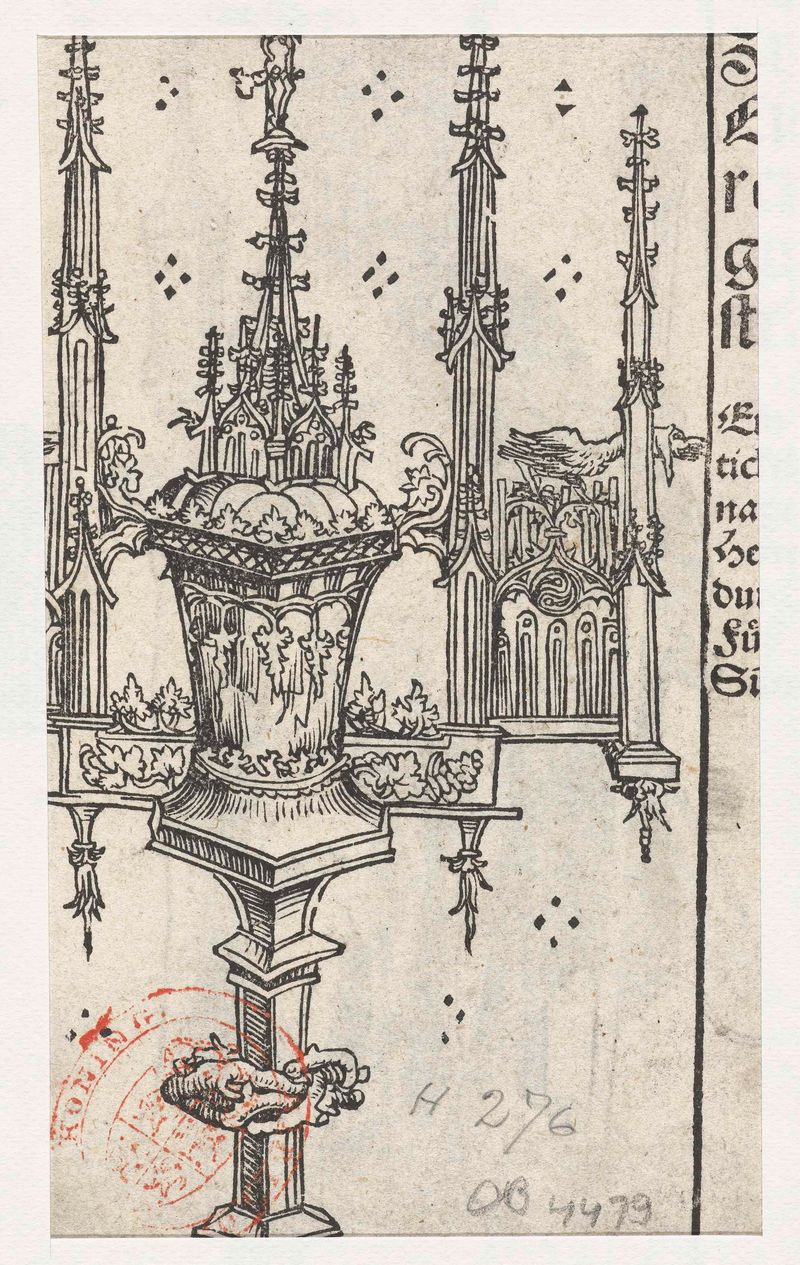
Monstrans met vogel (pelikaan)
Lucas Cranach (I)
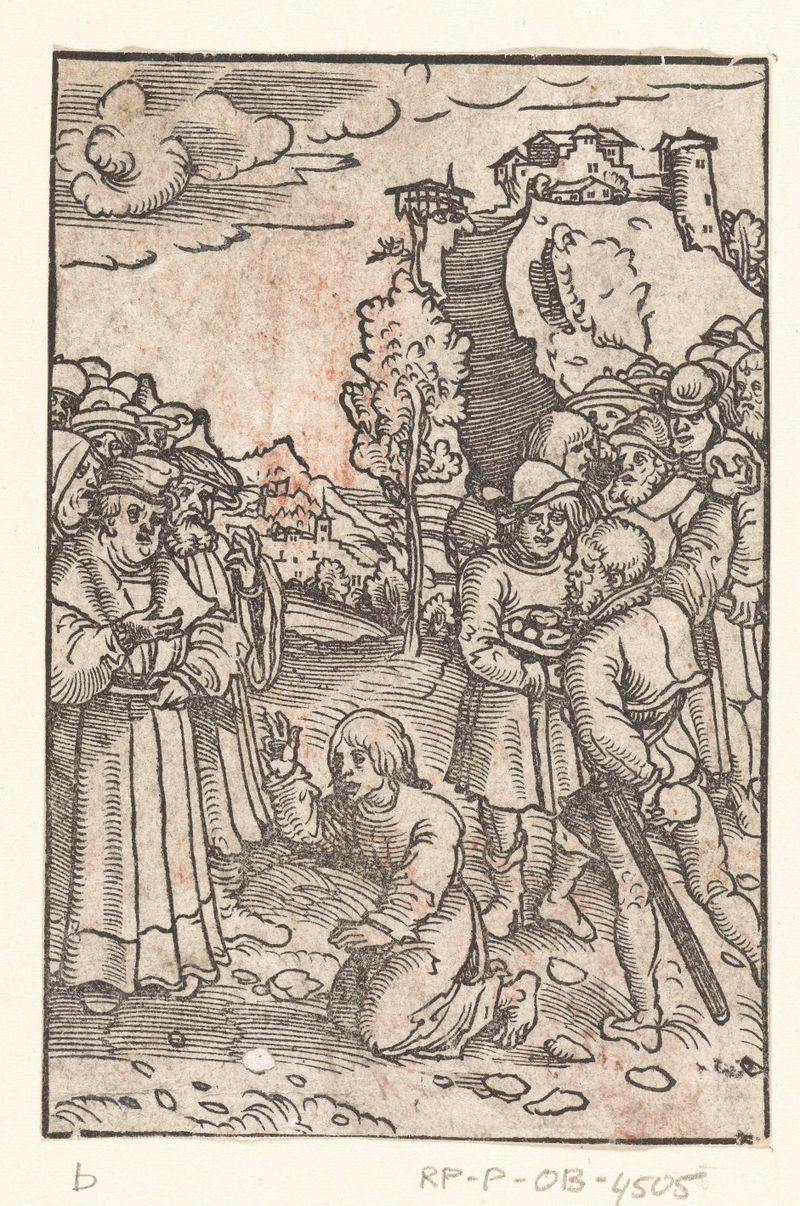
Steniging van Stefanus
Lucas Cranach (I)
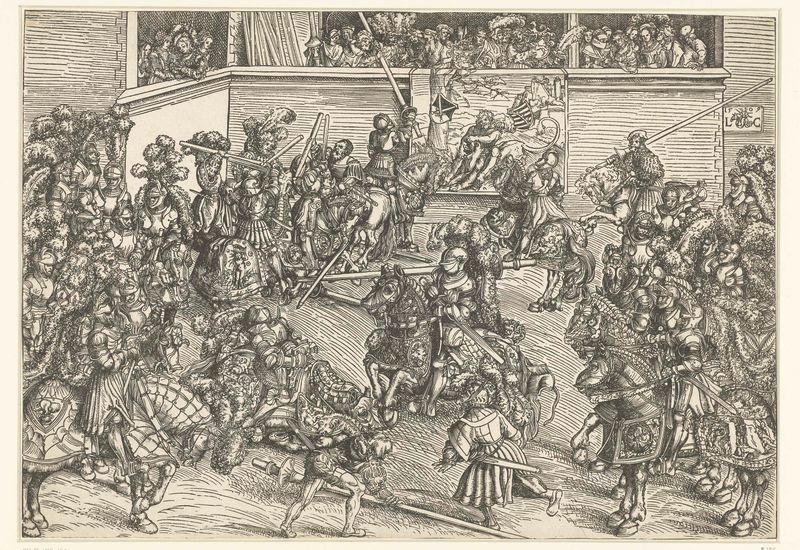
Toernooi van het keurvorstelijk hof van Saksen met wandtapijt Simson doodt de leeuw
Lucas Cranach (I)
More Religious Art
Browse all →
The Return of the Prodigal Son
Rembrandt van Rijn

The Garden of Earthly Delights
El Bosco

Count Orgaz’ funeral
El Greco

The Hundred Guilder Print: the central piece with Christ preaching, the plate arched
Rembrandt van Rijn

The Descent from the Cross
Rogier van der Weyden

The return of the prodigal son
Rembrandt van Rijn