
Beeld van heilige Valentijn als bisschop — History & Facts
When did color learn to lie? In the serenity of sacred spaces, hues can deceive, masking the depth of longing that underlies devotion. Look closely at the figure before you—the bishop stands resolute, a rich crimson robe cascading over his form, capturing the light as if it were alive. Direct your gaze to the gilded mitre atop his head, its intricate details shimmering like whispered prayers. Notice the way the soft, almost ethereal light bathes his face, illuminating the deep lines that suggest both wisdom and sorrow, contrasting against the dark background that envelops him. Delve deeper into the painting's subtleties: the bishop's expression, a complex blend of serenity and yearning, invites contemplation.
Consider the delicate hands—one cradling a book, the other gesturing almost imperceptibly, as if reaching out to the viewer. This tension between presence and absence resonates, hinting at a deeper connection beyond the visible, evoking a longing for understanding, faith, or perhaps community. Created in the early 16th century, this work emerged during a time when Cranach navigated the evolving landscape of the Reformation, where art was both a reflection of spiritual devotion and a commentary on societal change. Painted in Wittenberg, amidst the fervor of new ideas, the artist endeavored to marry realism with spiritual significance, embodying the essence of his time while also speaking to universal human experiences.
More Artworks by Lucas Cranach (I)
Browse all →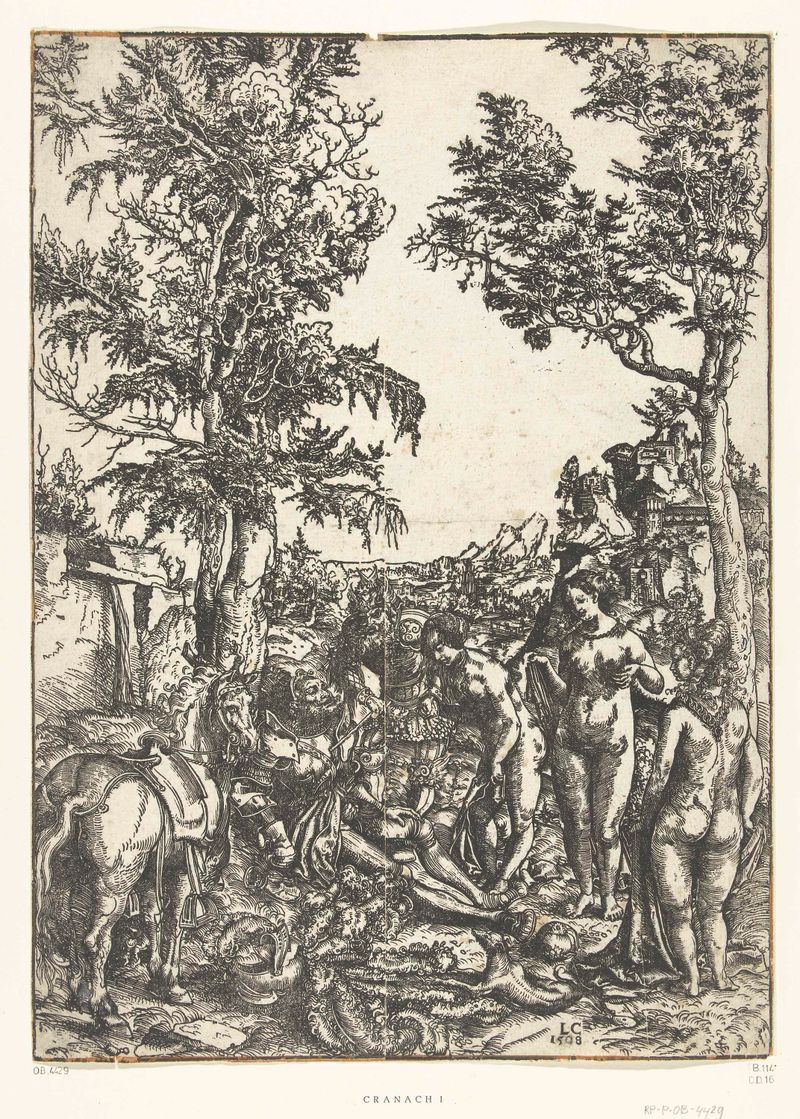
Oordeel van Paris
Lucas Cranach (I)
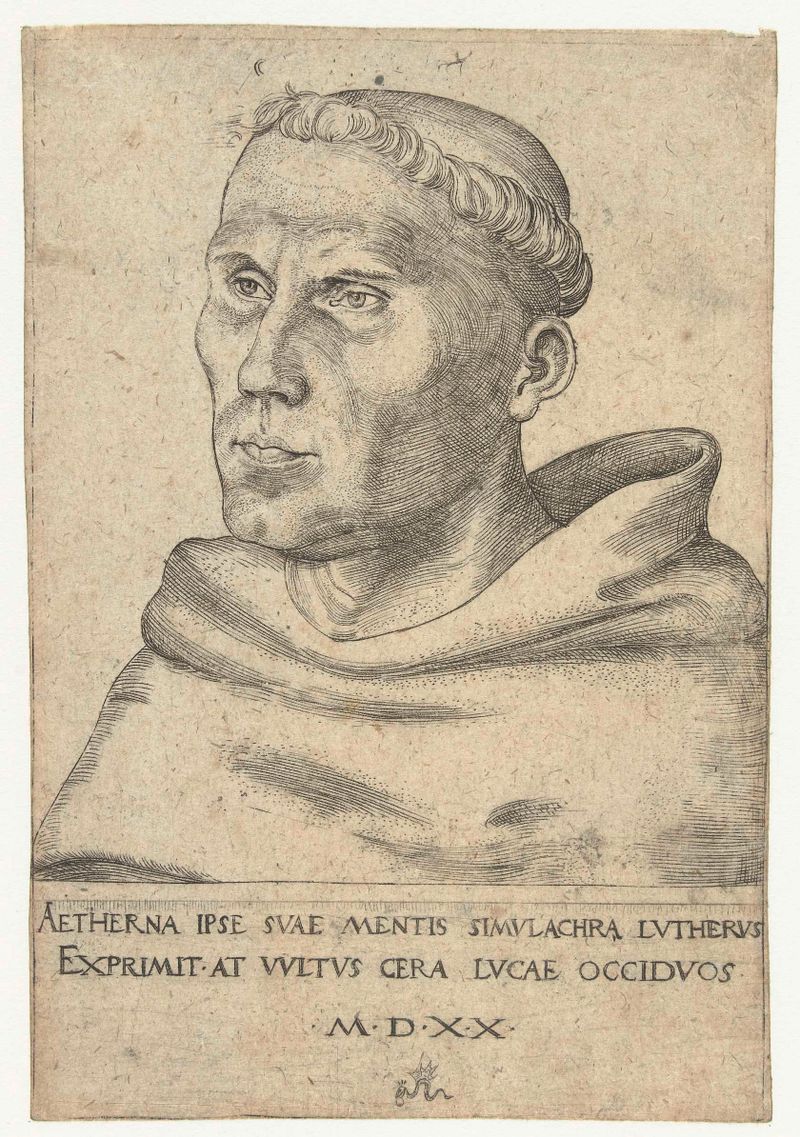
Portret van Martin Luther als Augustijner monnik
Lucas Cranach (I)
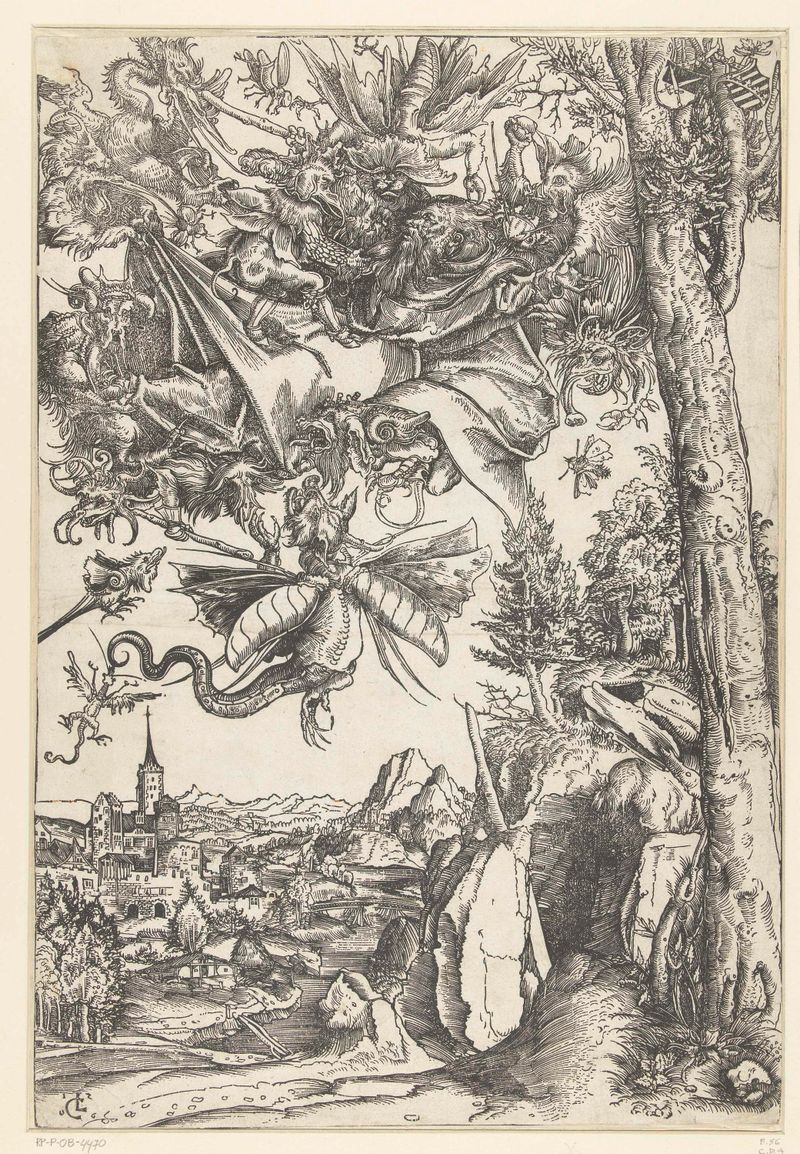
Verzoeking van Antonius met aanval door demonen
Lucas Cranach (I)

Christus en de Samaritaanse vrouw
Lucas Cranach (I)

Duits toernooi met twee edelmannen als ridders te paard
Lucas Cranach (I)
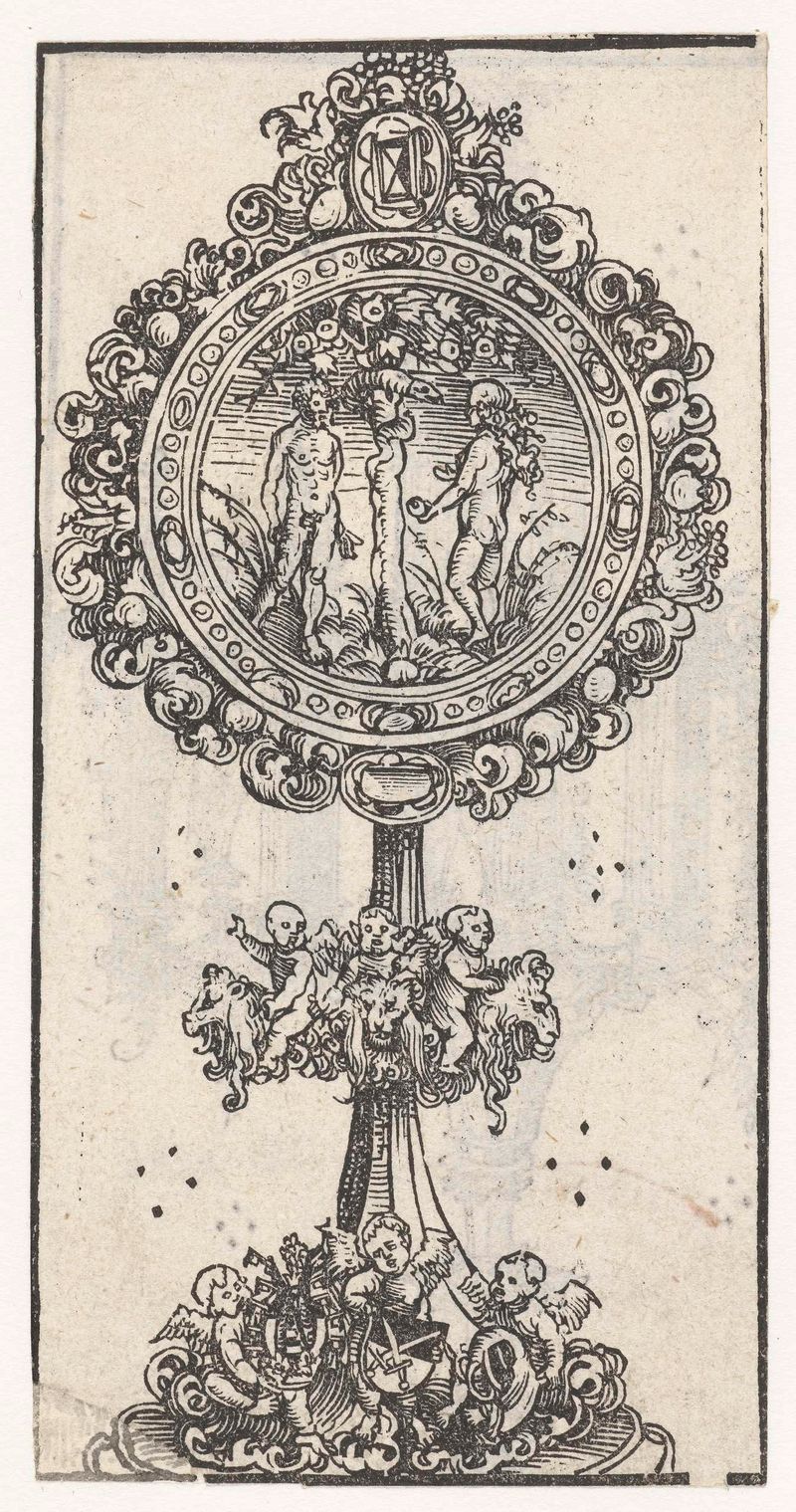
Reliekhouder met de verzoeking van Adam en Eva
Lucas Cranach (I)

Intocht van Christus in Jerusalem
Lucas Cranach (I)
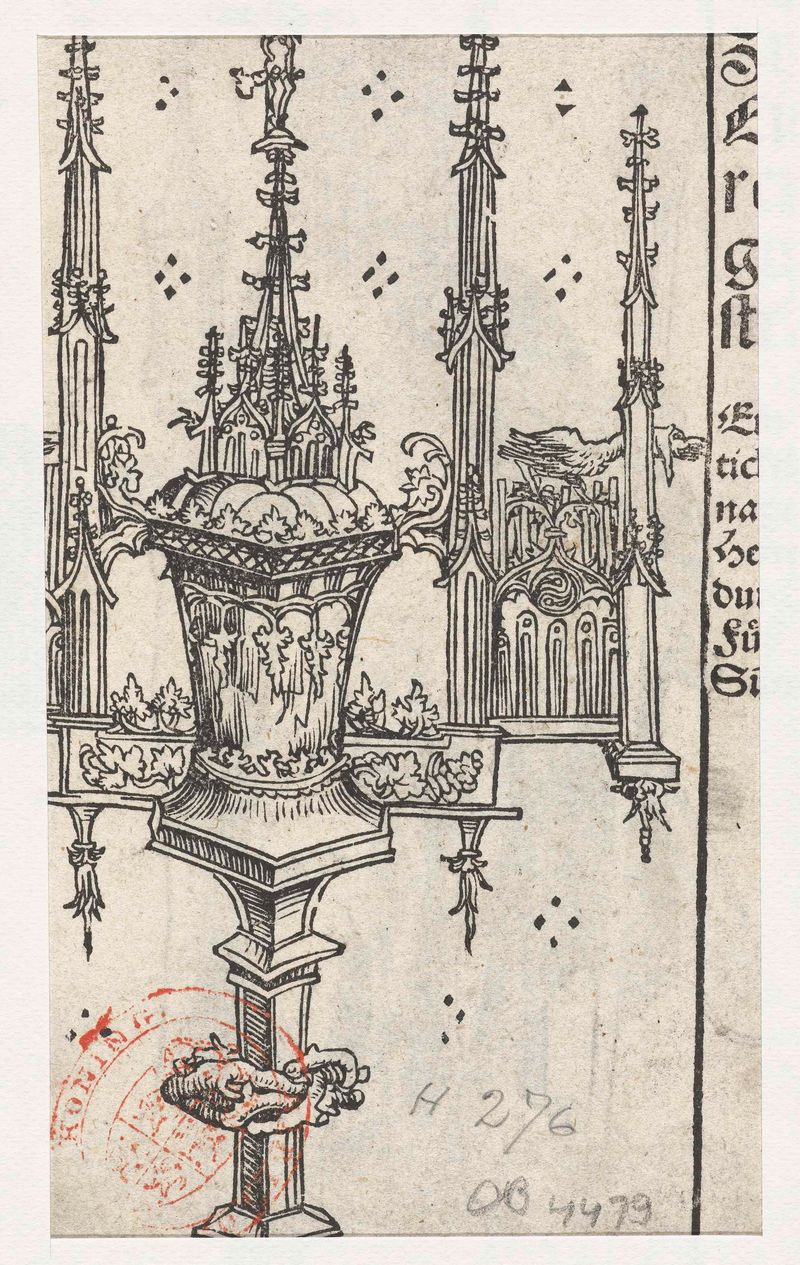
Monstrans met vogel (pelikaan)
Lucas Cranach (I)
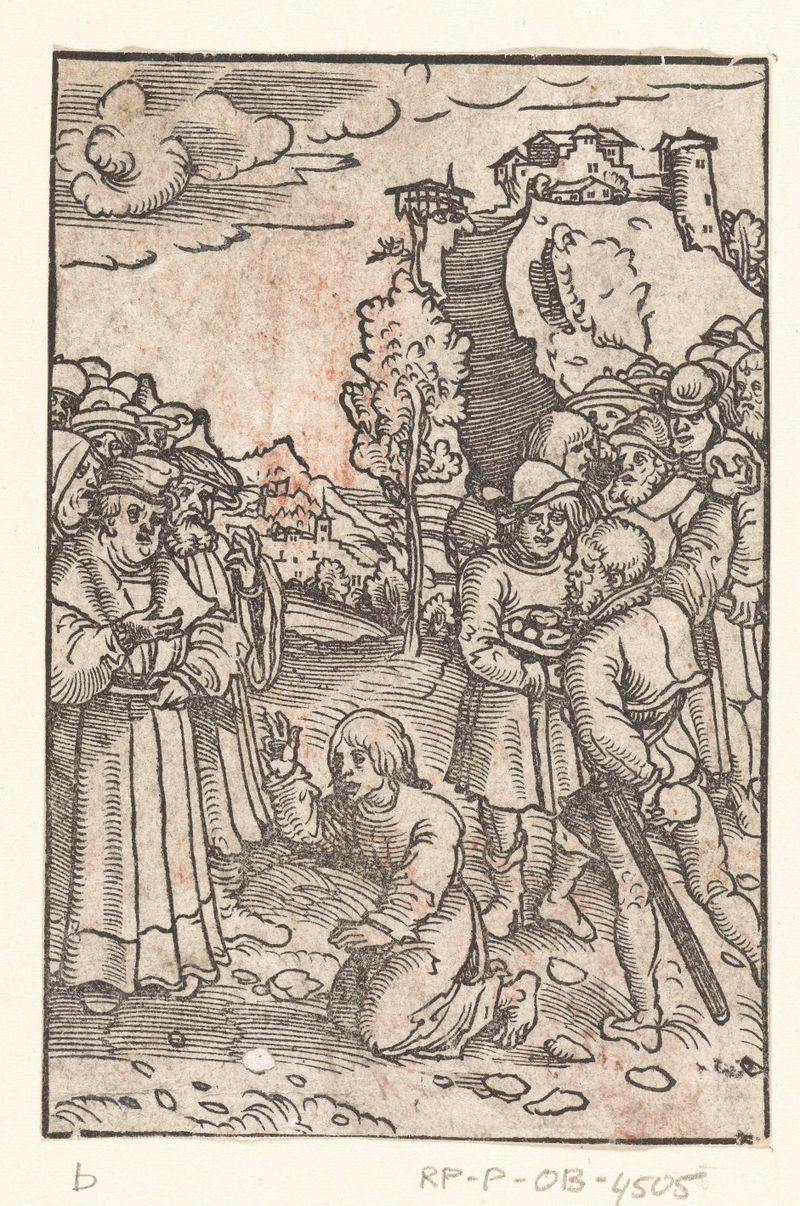
Steniging van Stefanus
Lucas Cranach (I)
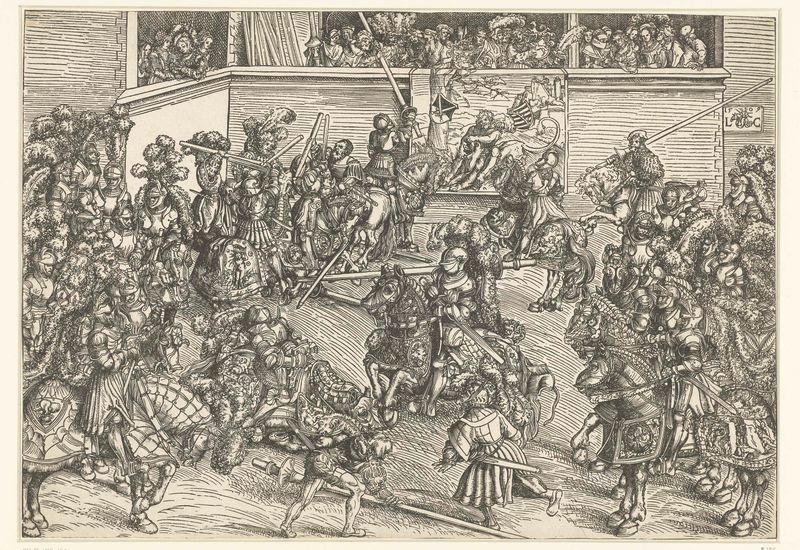
Toernooi van het keurvorstelijk hof van Saksen met wandtapijt Simson doodt de leeuw
Lucas Cranach (I)
More Religious Art
Browse all →
The Return of the Prodigal Son
Rembrandt van Rijn

The Garden of Earthly Delights
El Bosco

Count Orgaz’ funeral
El Greco

The Hundred Guilder Print: the central piece with Christ preaching, the plate arched
Rembrandt van Rijn

The Descent from the Cross
Rogier van der Weyden

The return of the prodigal son
Rembrandt van Rijn