
Beeld van Johannes de Doper met lam en boek — History & Facts
What if beauty was never meant to be finished? In the delicate balance between form and meaning, Beeld van Johannes de Doper met lam en boek invites us to ponder the nature of existence itself, anchored in the vibrant tableau of faith and artistry. Look to the left, where St. John the Baptist stands, his serene countenance and luminous halo drawing the gaze. Notice how the rich, jewel-toned robes drape gracefully over his figure, contrasting with the soft, lambent lamb at his feet.
The intricately painted book, with its illuminated pages, balances the composition, inviting contemplation. Cranach’s meticulous attention to detail and color imbues the scene with an ethereal quality, where every brushstroke seems to pulse with life and intention. Within this work lies a tension between divinity and humanity. The lamb, a symbol of sacrifice, not only anchors the painting in Christian iconography but also whispers of innocence amid the gravity of fate.
The gentle expression on St. John’s face suggests a deep understanding of the path ahead, contrasting with the vibrancy of his attire, which hints at the fleeting nature of beauty and life. The setting, rich and comforting, creates an illusion of peace yet subtly conveys the weight of impending sacrifice. Created during the height of the Renaissance around 1509-1549, the artist was immersed in a transformative period for European art.
Lucas Cranach, working in Wittenberg, was both a court painter and an innovator in the Northern Renaissance style. This work reflects the era's embrace of humanist themes, where spirituality and individual expression began to intertwine, marking a shift that would define the future of art.
More Artworks by Lucas Cranach (I)
Browse all →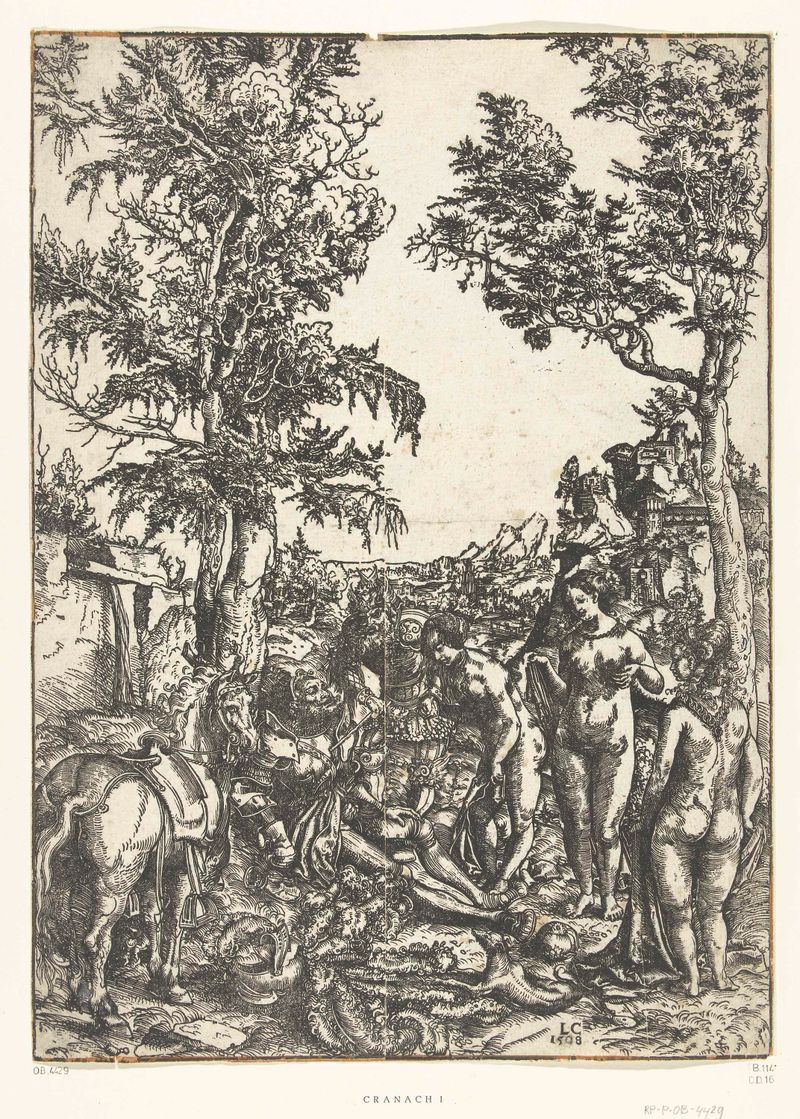
Oordeel van Paris
Lucas Cranach (I)
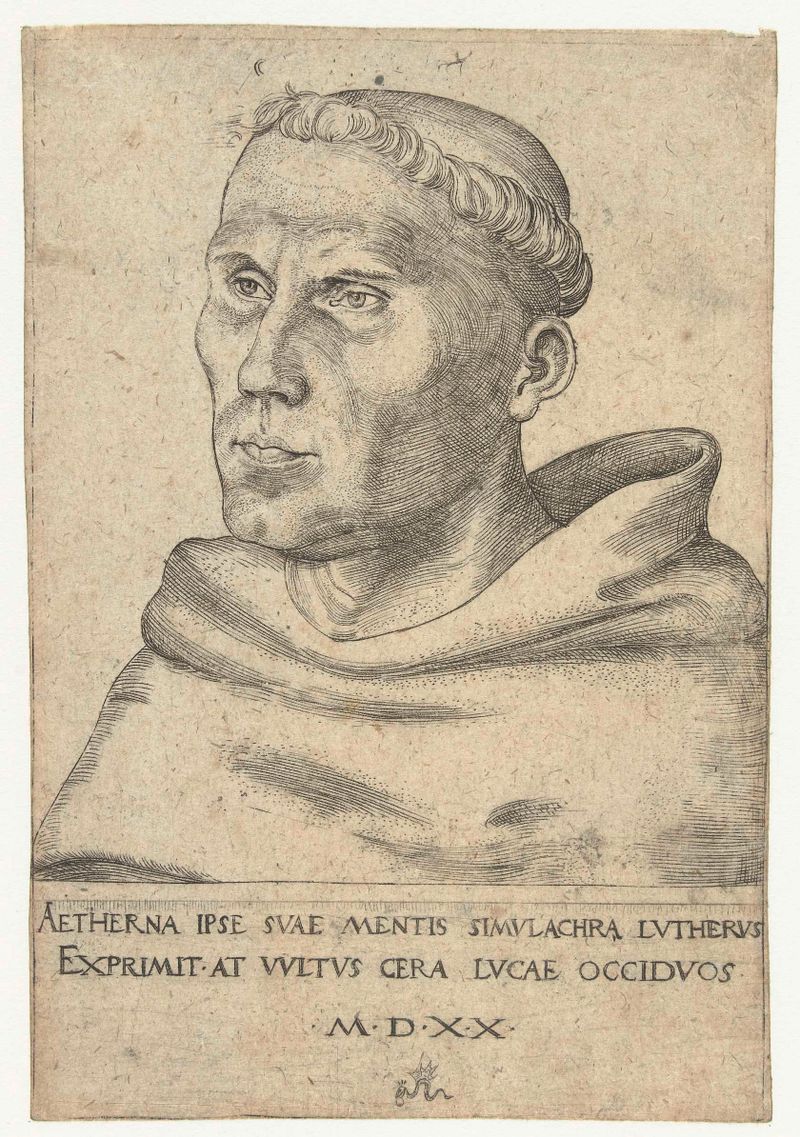
Portret van Martin Luther als Augustijner monnik
Lucas Cranach (I)
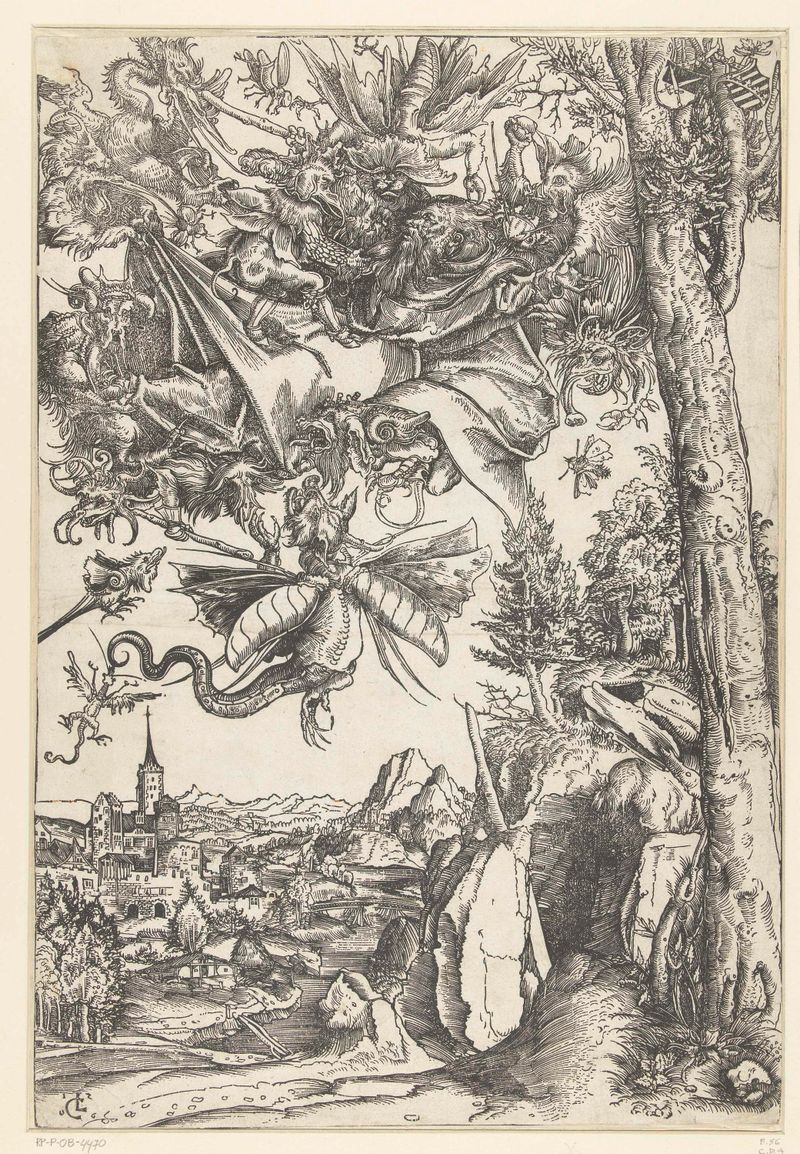
Verzoeking van Antonius met aanval door demonen
Lucas Cranach (I)

Christus en de Samaritaanse vrouw
Lucas Cranach (I)

Duits toernooi met twee edelmannen als ridders te paard
Lucas Cranach (I)
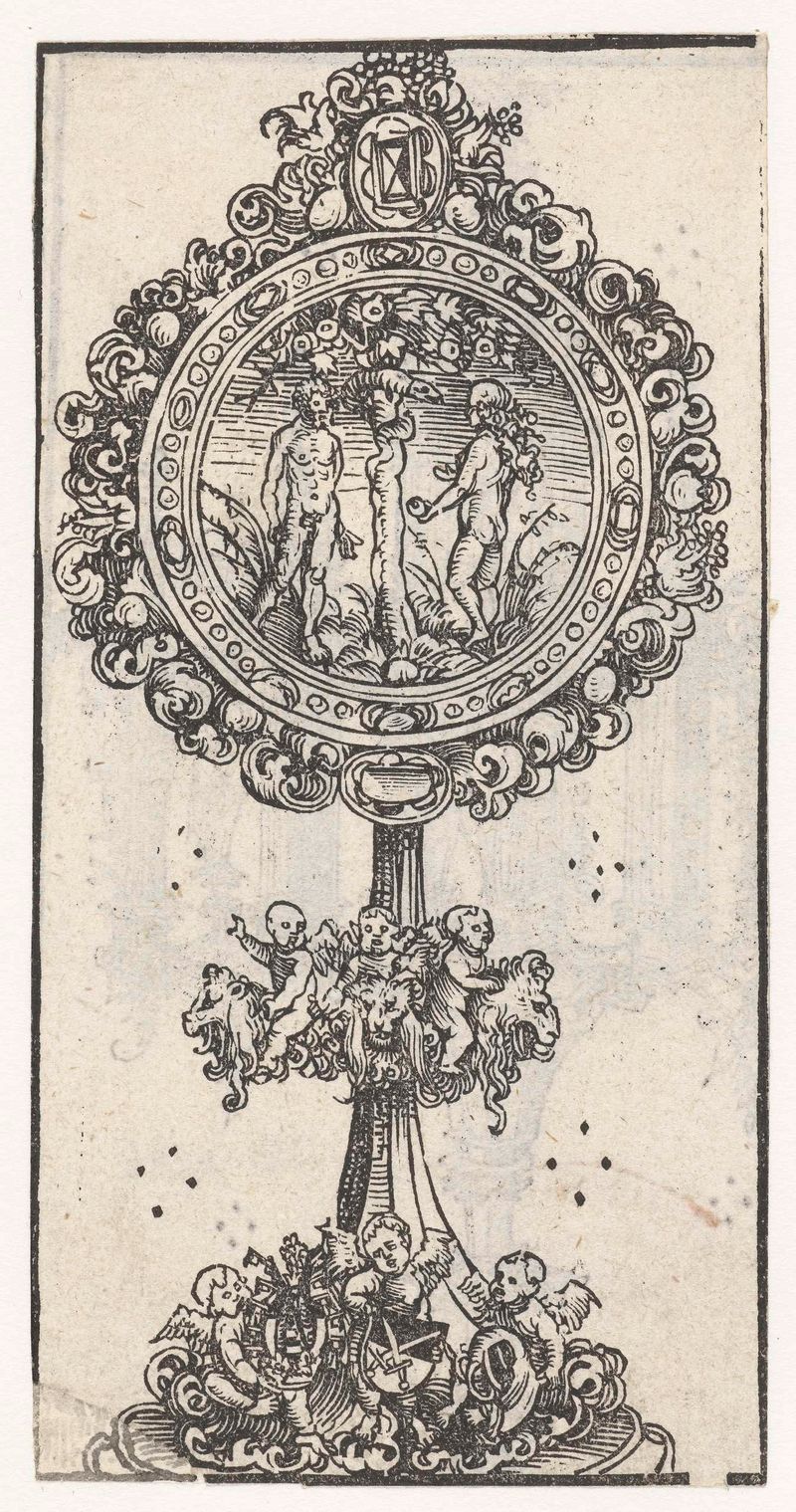
Reliekhouder met de verzoeking van Adam en Eva
Lucas Cranach (I)

Intocht van Christus in Jerusalem
Lucas Cranach (I)
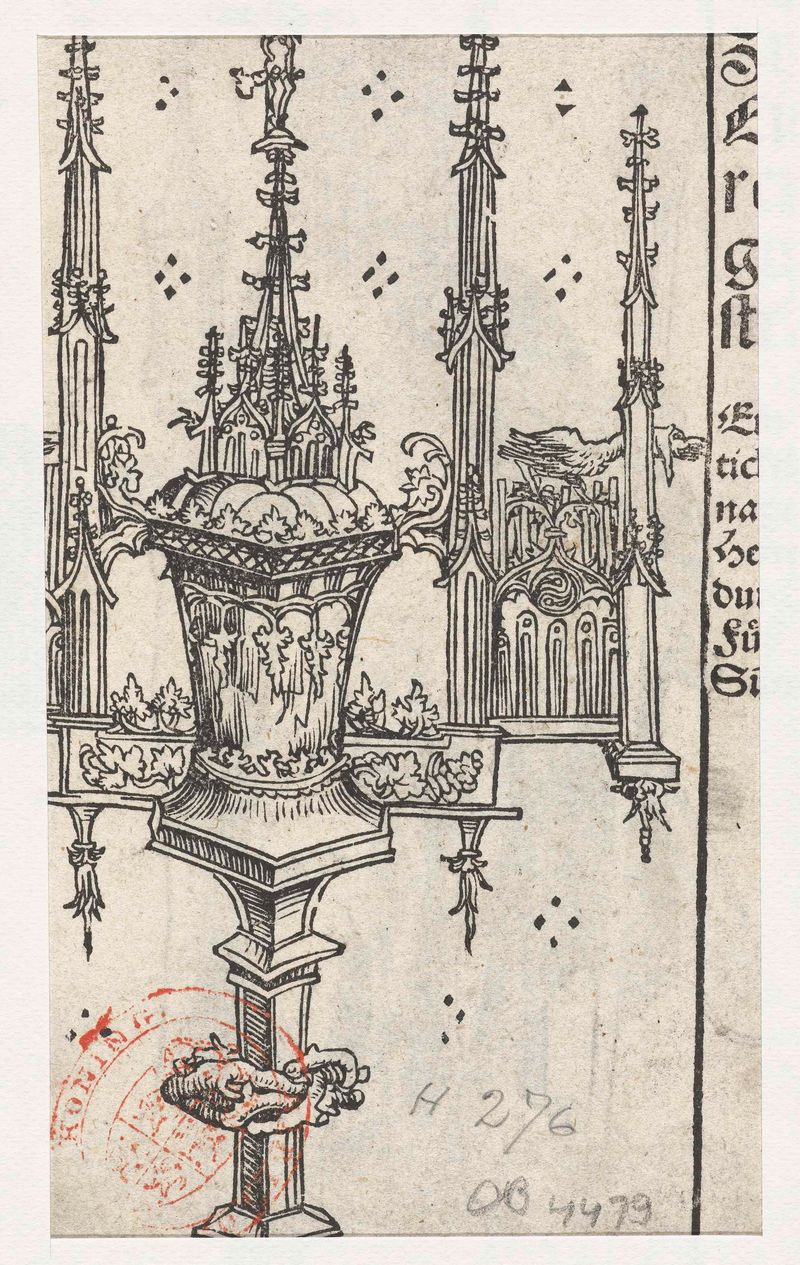
Monstrans met vogel (pelikaan)
Lucas Cranach (I)
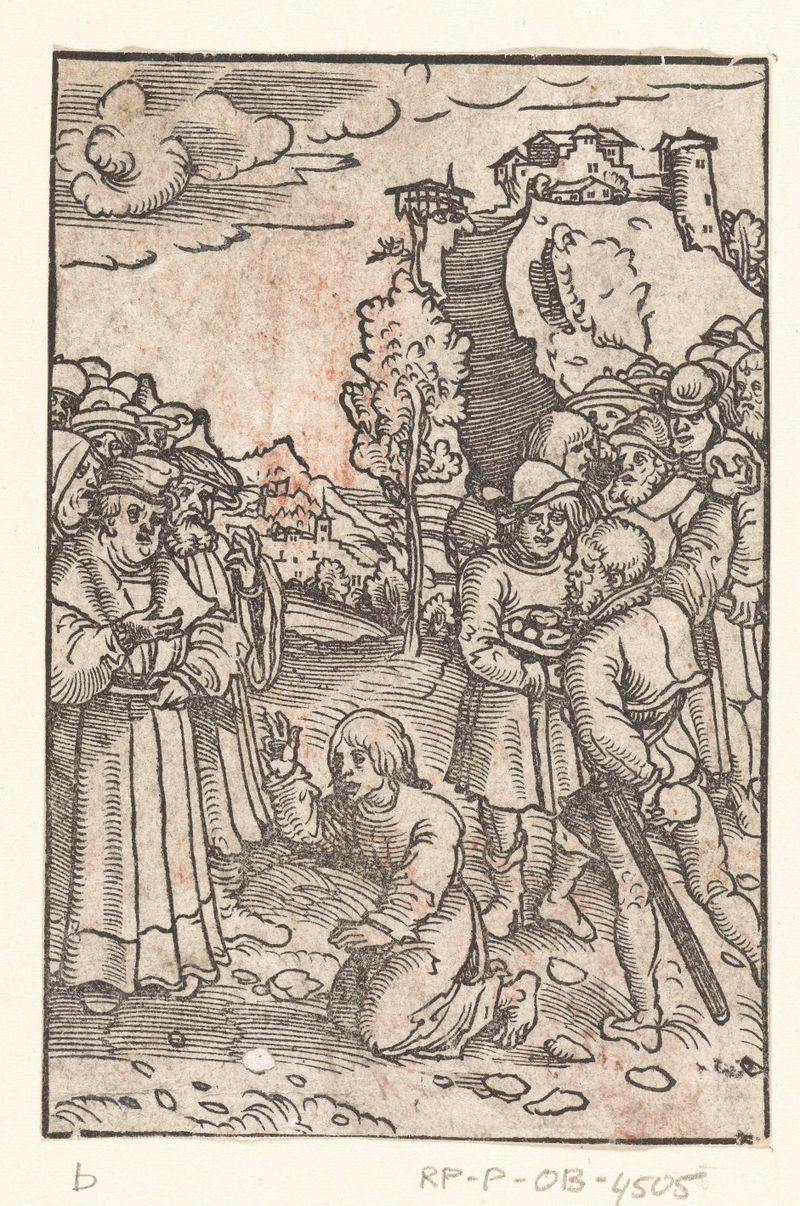
Steniging van Stefanus
Lucas Cranach (I)
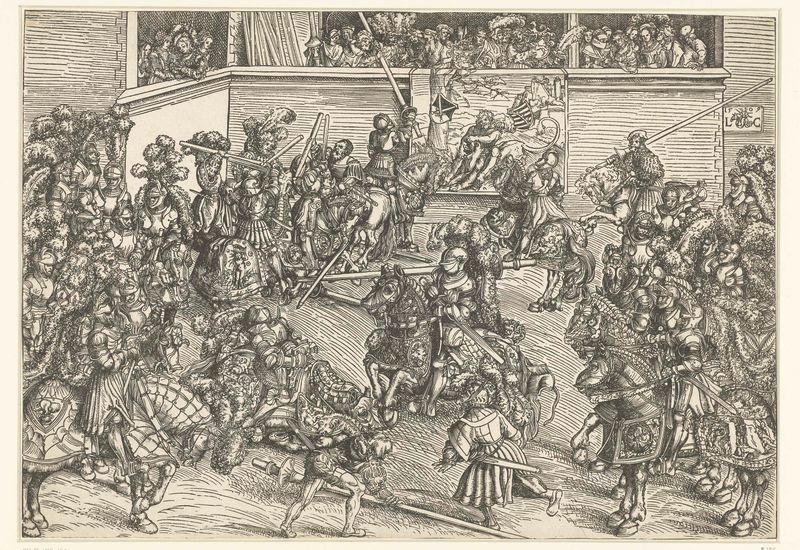
Toernooi van het keurvorstelijk hof van Saksen met wandtapijt Simson doodt de leeuw
Lucas Cranach (I)
More Religious Art
Browse all →
The Return of the Prodigal Son
Rembrandt van Rijn

The Garden of Earthly Delights
El Bosco

Count Orgaz’ funeral
El Greco

The Hundred Guilder Print: the central piece with Christ preaching, the plate arched
Rembrandt van Rijn

The Descent from the Cross
Rogier van der Weyden

The return of the prodigal son
Rembrandt van Rijn