
Discover insights about this artwork
Beethovenfries; Die feindlichen Gewalten (Tafel 1, Stirnwand) — History & Facts
Beethovenfries; Die feindlichen Gewalten features a large mural filled with dynamic figures and intricate patterns. At the center, you can see a powerful representation of the forces opposing humanity, depicted as a chaotic struggle. The colors are rich and vibrant, with golds, reds, and deep blues creating a dramatic atmosphere.
Klimt's signature style shines through in the decorative elements and flowing lines that connect the figures together. Take a moment to examine the details of the figures, which include both human and symbolic elements. Each character expresses different emotions, from despair to defiance, showcasing the complexity of the struggle. The use of gold leaf and intricate patterns adds depth and texture, inviting viewers to explore every corner of the piece.
Klimt's unique approach to form and color makes this work visually striking and engaging. Gustav Klimt created this work as part of a larger mural for the Beethovenfries, which was displayed at the 1902 Vienna Secession exhibition. He was a key figure in the Art Nouveau movement, known for his decorative style and exploration of themes like love, death, and the human experience. This particular piece reflects Klimt's fascination with the tensions between humanity and the forces that threaten it.
One interesting fact is that the mural was inspired by Beethoven's Ninth Symphony, which celebrates the triumph of joy over despair.
More Artworks by Gustav Klimt
The kiss
Gustav Klimt
Portrait of Adele Bloch-Bauer I
Gustav Klimt
Judith II (Salome)
Gustav Klimt
Woman with fan
Gustav Klimt
The kiss (lovers)
Gustav Klimt
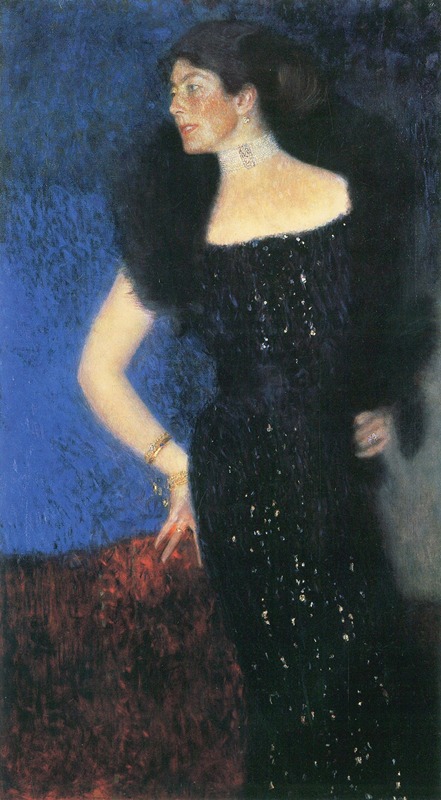
Portrait of Rose von Rosthorn-Friedmann
Gustav Klimt
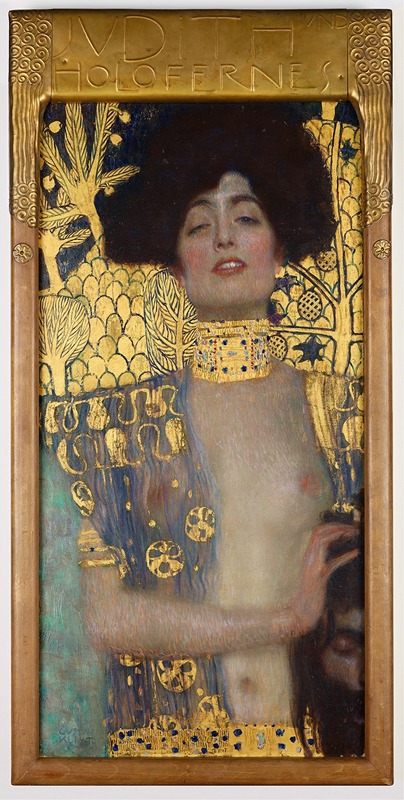
Judith
Gustav Klimt
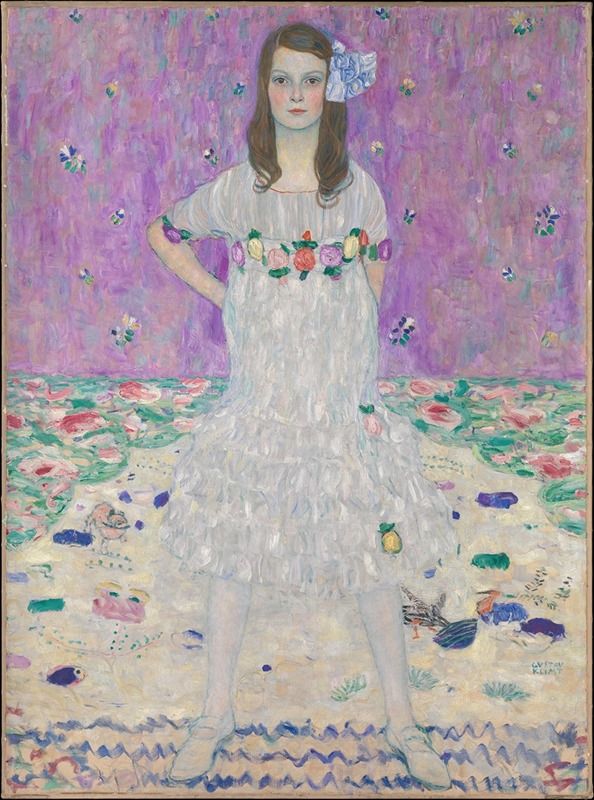
Mäda Primavesi
Gustav Klimt
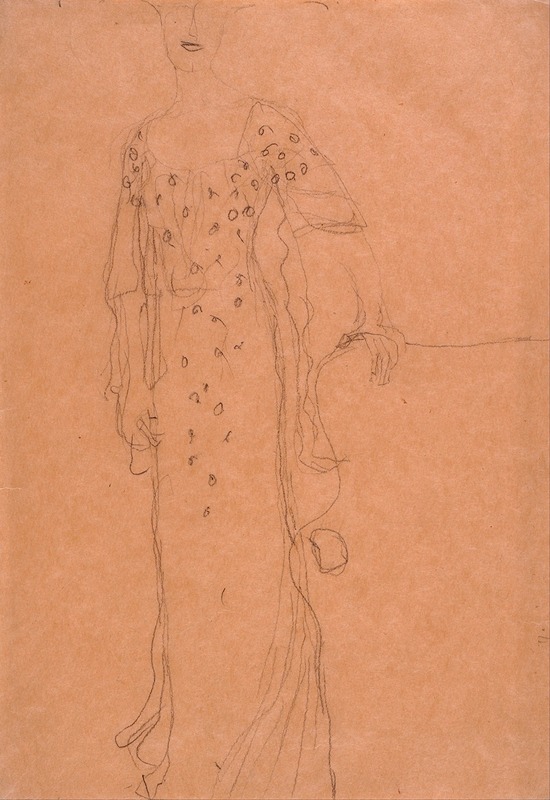
Study for Portrait of Adele Bloch-Bauer I
Gustav Klimt
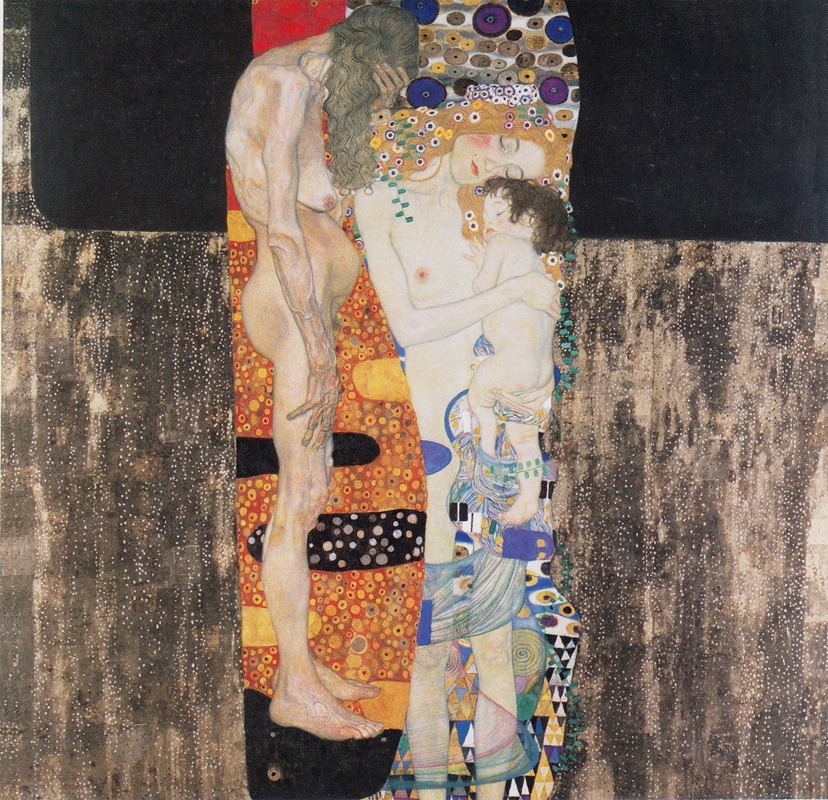
The Three Ages of the Woman
Gustav Klimt
More Allegory Art
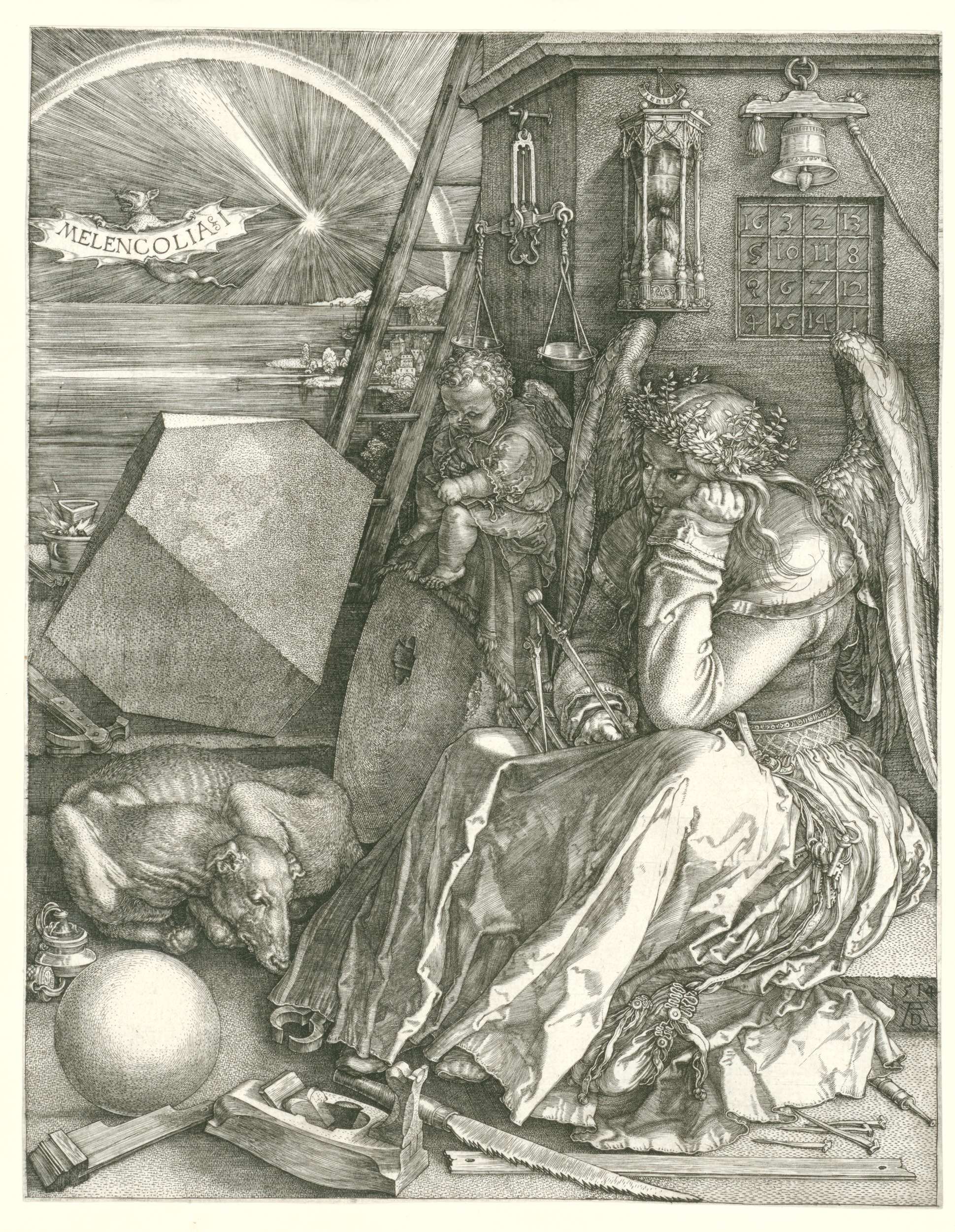
Melancholia
Albrecht Dürer
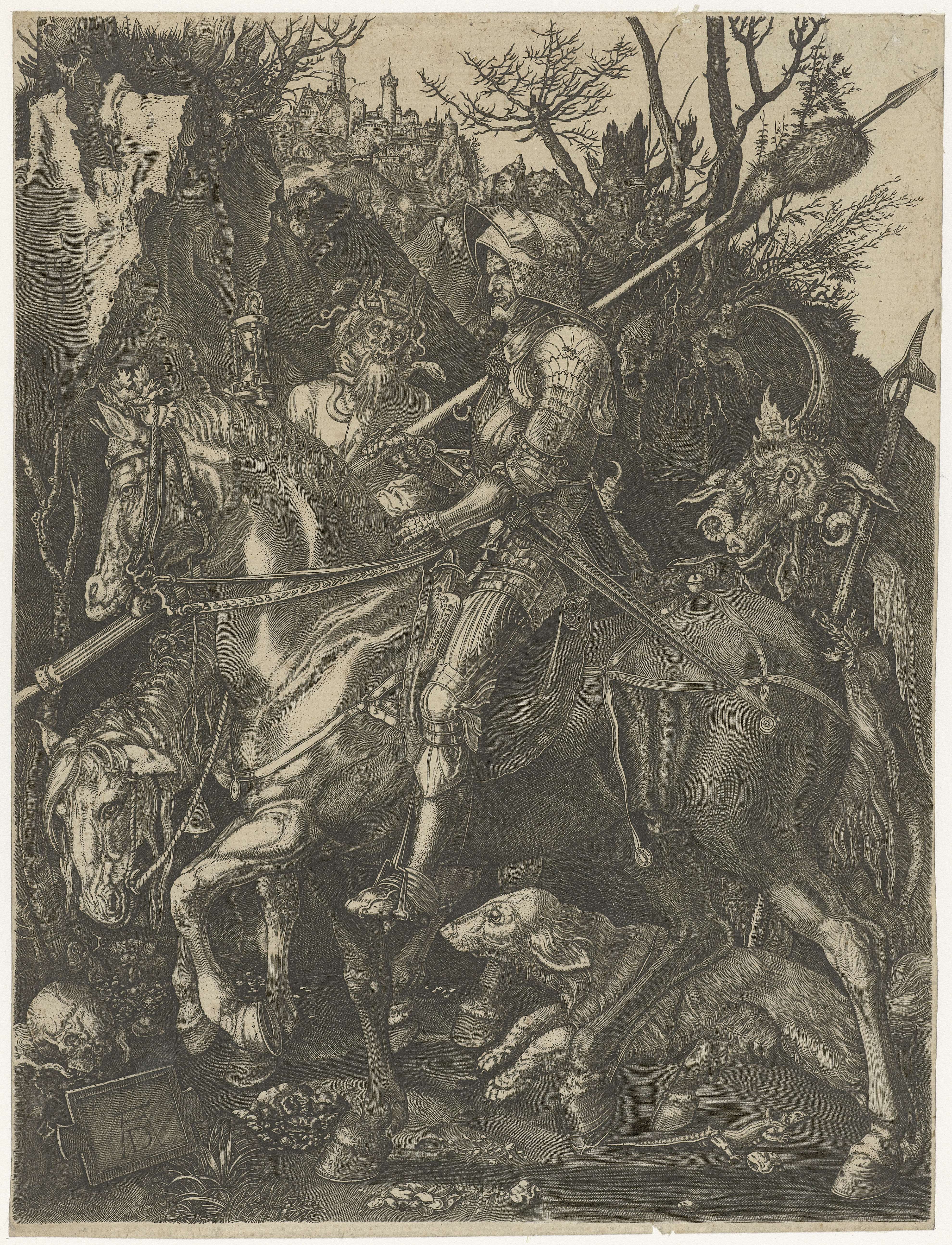
Ridder, Dood en Duivel
Unknown Artist
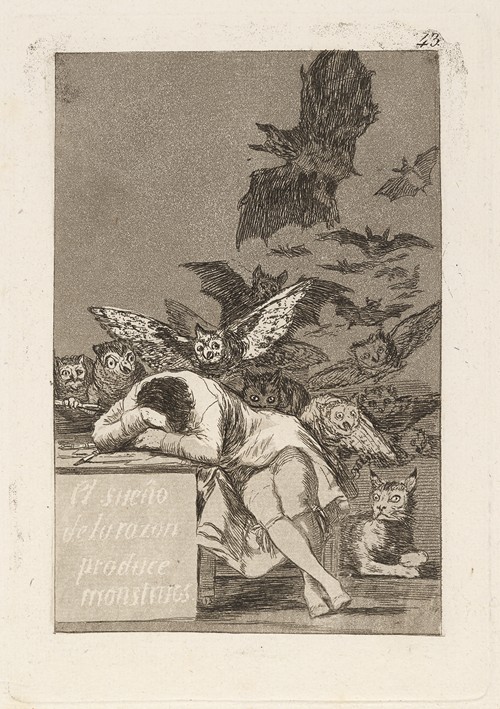
El sueño de la razon produce monstruos. (The sleep of reason produces monsters.)
Francisco de Goya
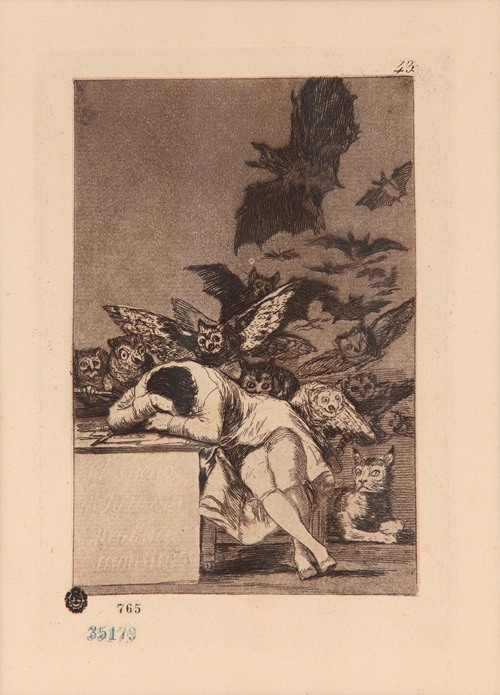
El sueño de la razon produce moustruos (Serie Caprichos)
Francisco de Goya
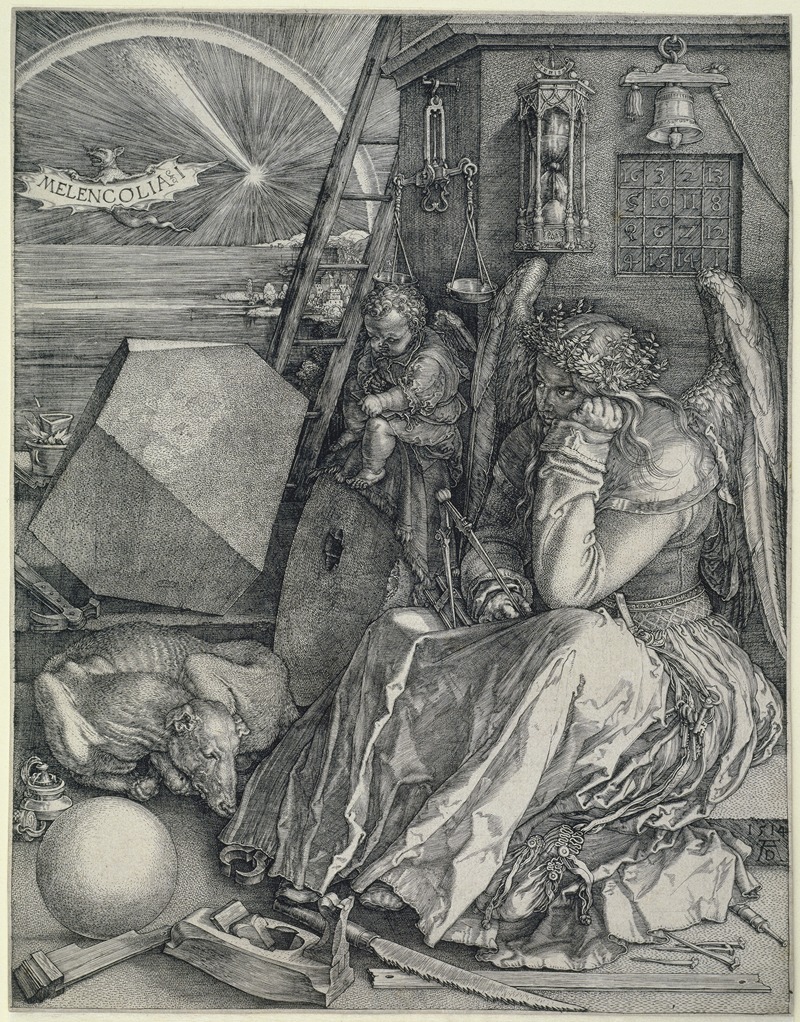
Melencolia I (The Melancholy)
Albrecht Dürer
The Three Ages of the Woman
Gustav Klimt