
Discover insights about this artwork
Beethovenfries; ‘Die Sehnsucht nach Glück findet Stillung in der Poesie’ (Tafel 7, rechte Langwand) — History & Facts
Beethovenfries features a grand scene filled with figures representing different aspects of life and art. The colors are rich and vibrant, with golds and deep blues dominating the palette. You can see a large, central figure that embodies the spirit of music, surrounded by other figures that express longing and aspiration.
This artwork conveys a sense of movement and emotion through its flowing lines and intricate details. If you look closely, you will notice how Klimt uses patterns and decorative elements to enhance the visual impact of the figures. The faces of the characters are expressive, showing a range of emotions that invite viewers to connect with their stories. Klimt's signature use of gold leaf can be seen, adding a luxurious quality to the work.
The overall composition creates a harmonious balance between figures and background, drawing the eye across the entire piece. Gustav Klimt created this work during the early 20th century, a time when he was a leading figure in the Art Nouveau movement. He was known for his unique style that combined symbolism with decorative art. An interesting fact about Beethovenfries is that it was originally part of a larger exhibition dedicated to Beethoven, showcasing Klimt's admiration for the composer.
Today, this artwork is celebrated for its intricate details and emotional depth, making it a highlight of Klimt's career.
More Artworks by Gustav Klimt
The kiss
Gustav Klimt
Portrait of Adele Bloch-Bauer I
Gustav Klimt
Judith II (Salome)
Gustav Klimt
Woman with fan
Gustav Klimt
The kiss (lovers)
Gustav Klimt
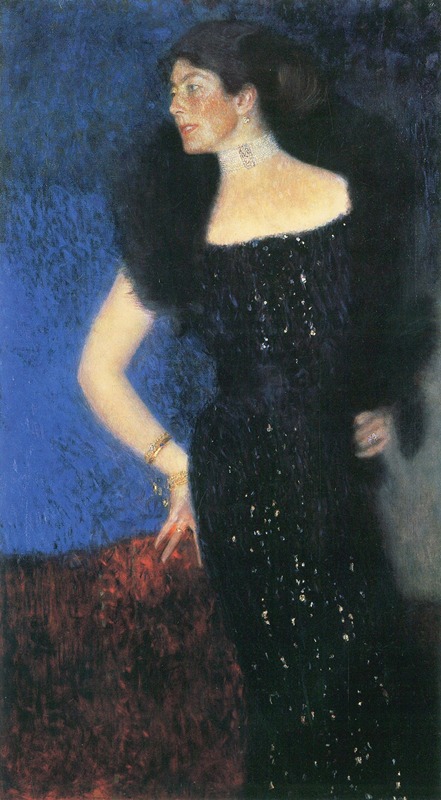
Portrait of Rose von Rosthorn-Friedmann
Gustav Klimt
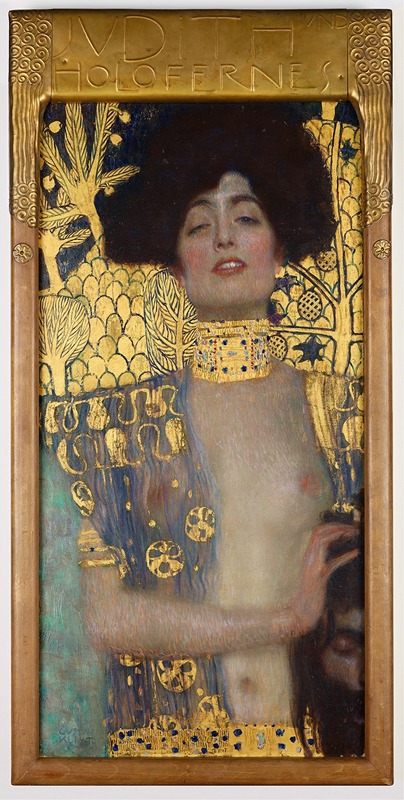
Judith
Gustav Klimt
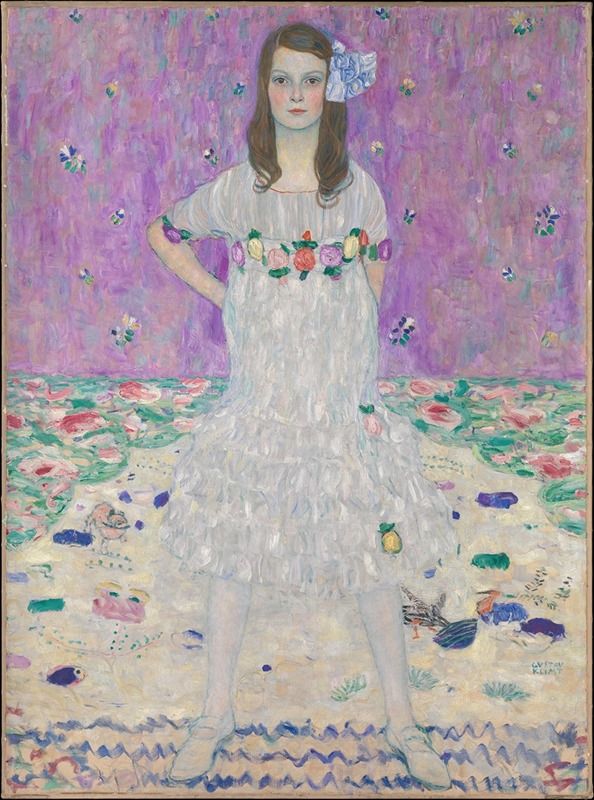
Mäda Primavesi
Gustav Klimt
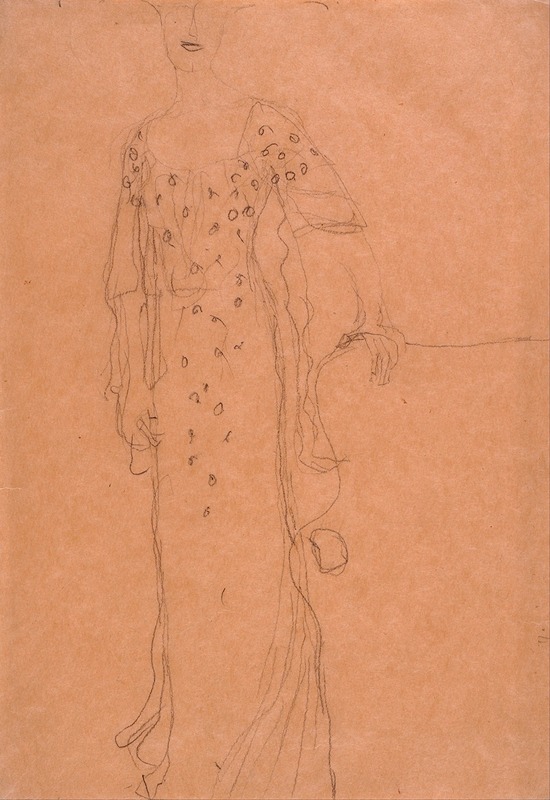
Study for Portrait of Adele Bloch-Bauer I
Gustav Klimt
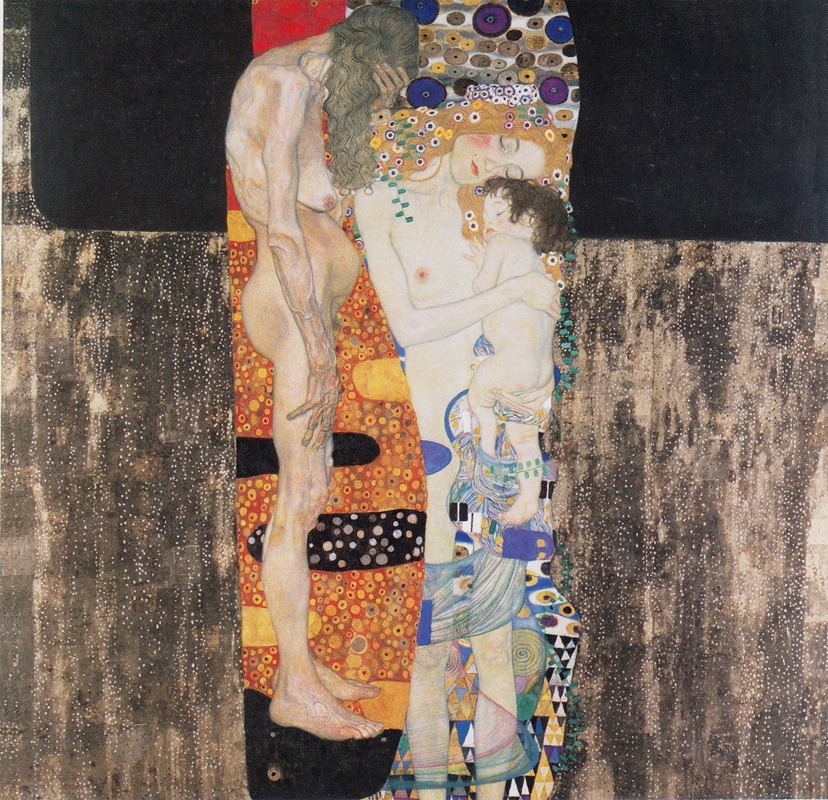
The Three Ages of the Woman
Gustav Klimt
More Allegory Art
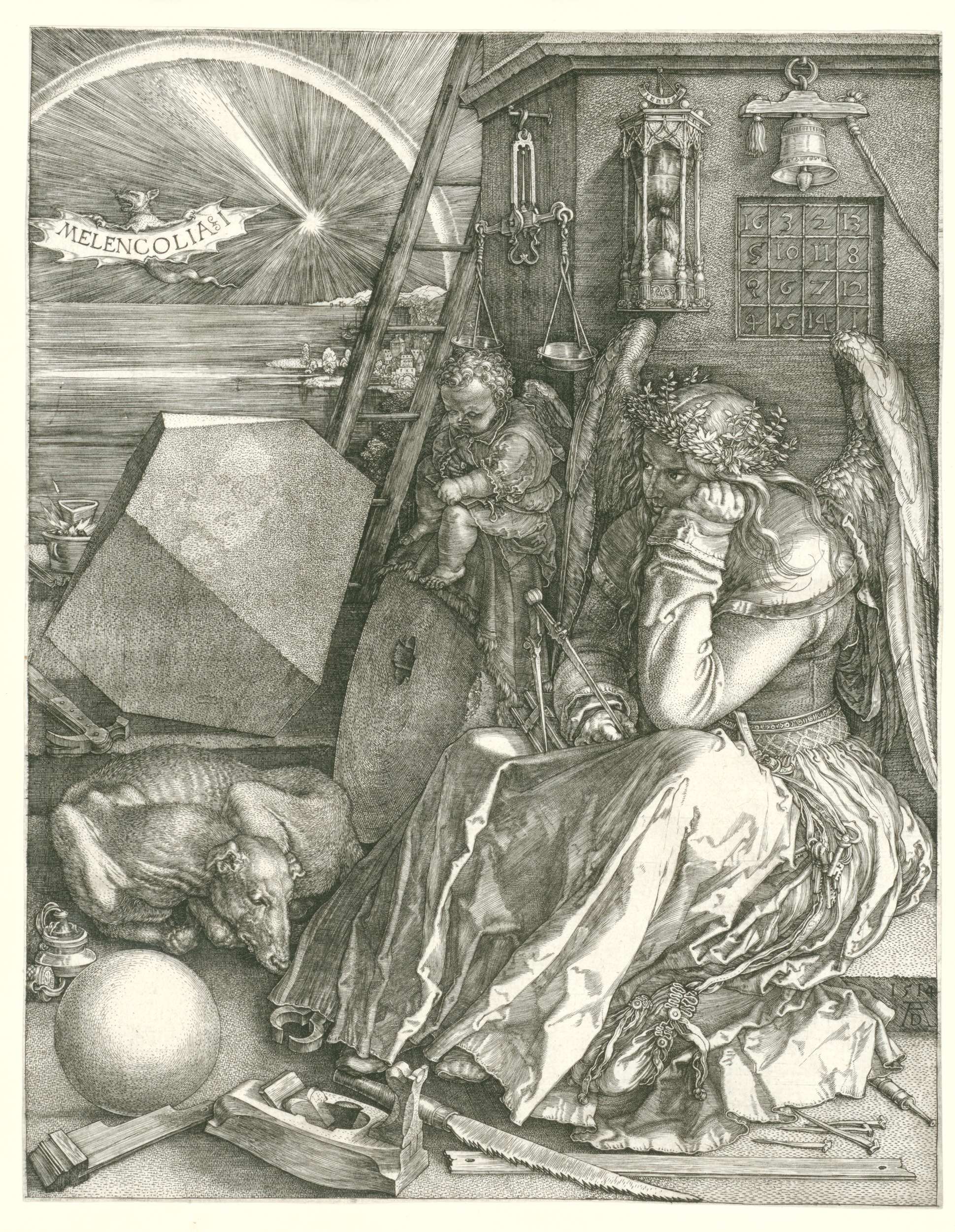
Melancholia
Albrecht Dürer
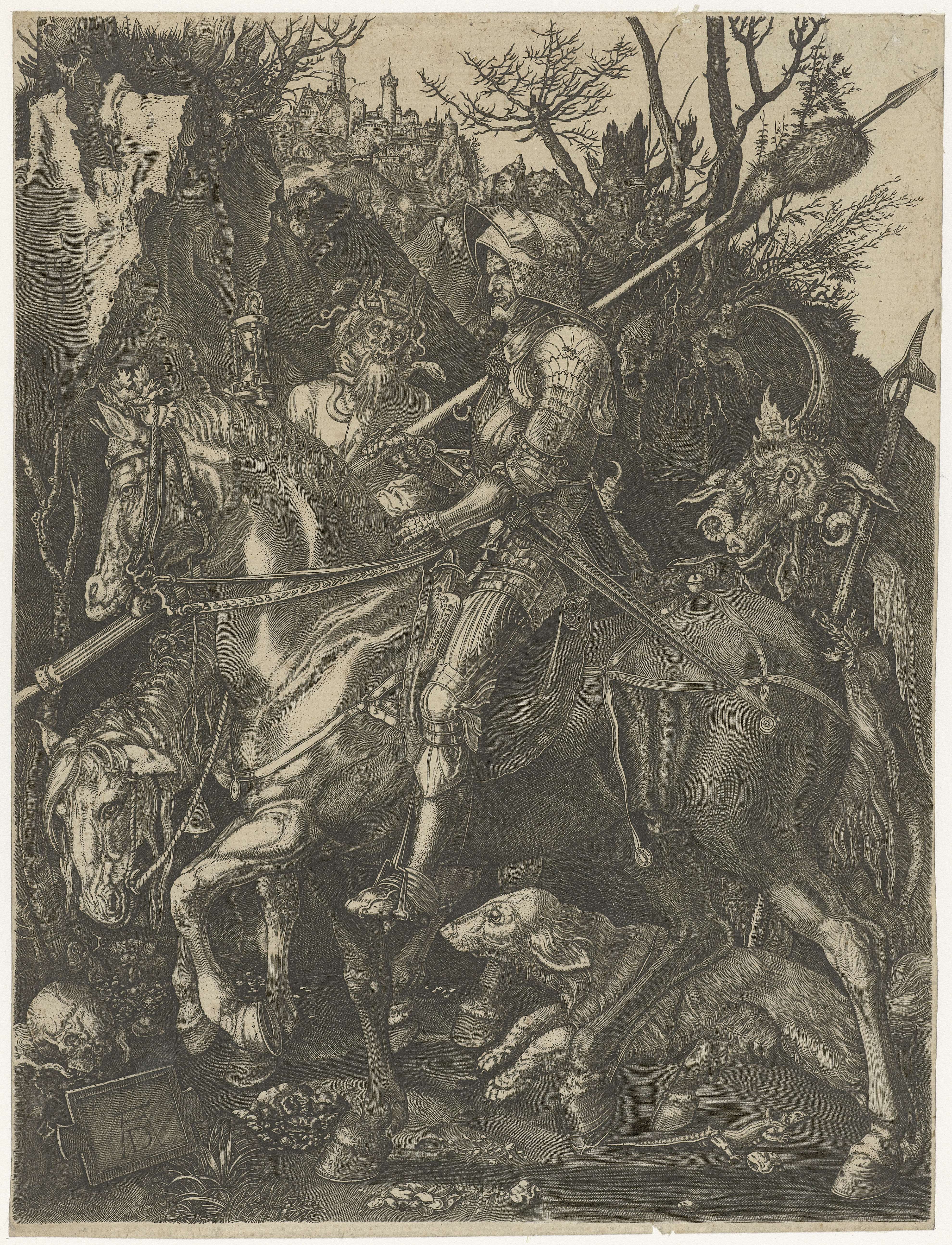
Ridder, Dood en Duivel
Unknown Artist
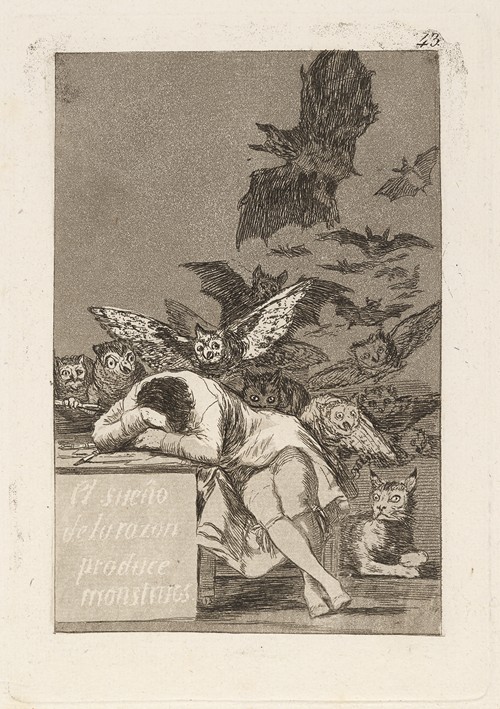
El sueño de la razon produce monstruos. (The sleep of reason produces monsters.)
Francisco de Goya
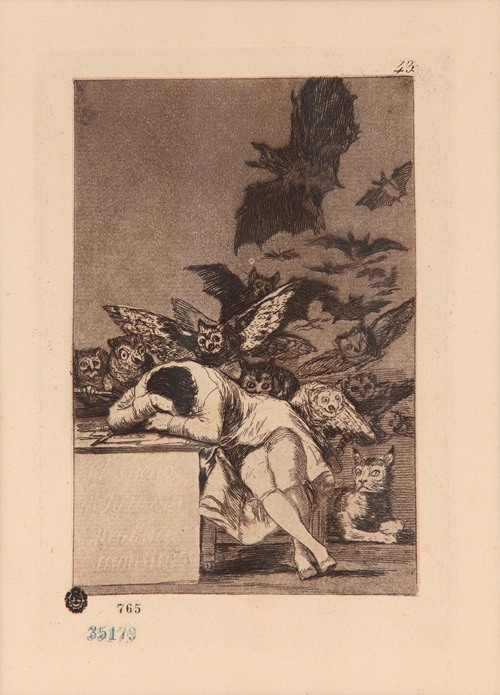
El sueño de la razon produce moustruos (Serie Caprichos)
Francisco de Goya
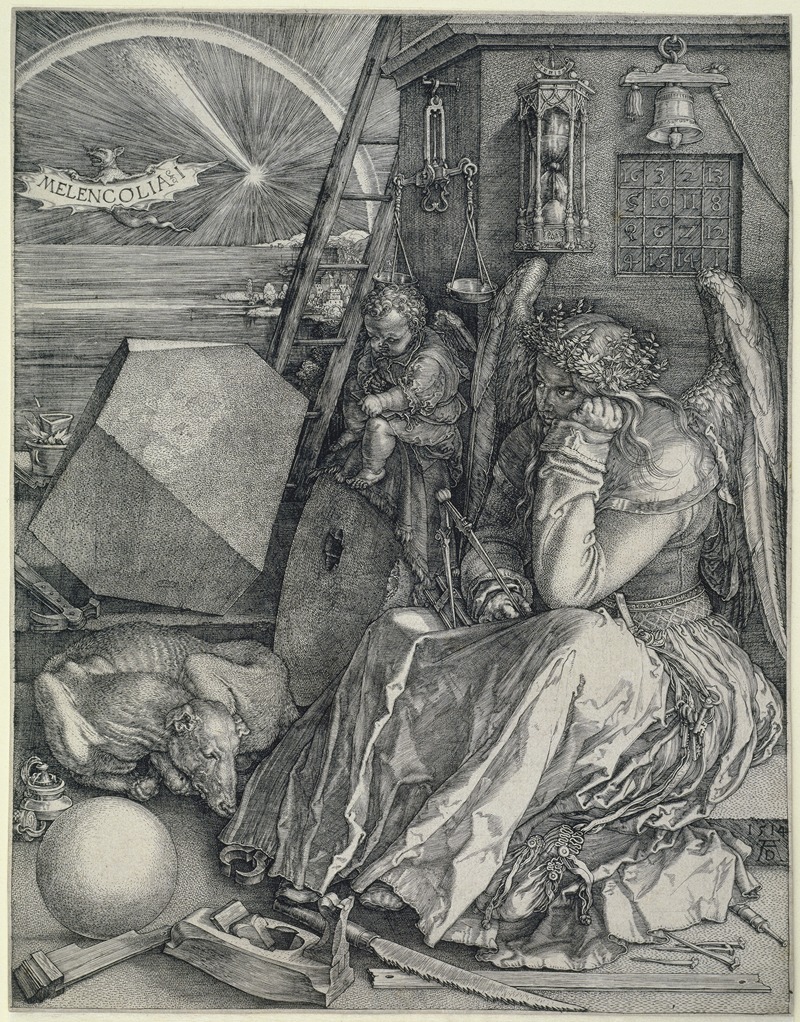
Melencolia I (The Melancholy)
Albrecht Dürer
The Three Ages of the Woman
Gustav Klimt