
Before the Storm — History & Facts
What secret hides in the quiet of the canvas? In the fragile balance of beauty and impending chaos, one can sense the delicate tension that permeates the scene. Look to the center for the soft, tentative brushstrokes that form a serene landscape, filled with gentle hills and a brooding sky. The muted greens and grays are interrupted by the vivid hints of oranges and pinks at the horizon, suggesting an unseen sunset about to burst forth. The composition draws the eye upward, toward the ominous clouds that loom above, heavy with the promise of a storm.
The interplay of light and shadow creates a palpable anticipation, inviting viewers to ponder what lies ahead. As one gazes deeper, elements of fragility emerge, contrasted against the looming threat of the storms. The delicate foliage, almost transparent, gestures toward a vulnerability that speaks to the impermanence of beauty. These details echo the human experience, capturing a moment where calm gives way to turmoil, where life balances on the knife-edge of change.
The artwork invites reflection on how tranquility is often a precursor to chaos, a theme resonating within the heart of existence. Zolo Palugyay painted this piece in 1927 during a time of significant personal and artistic exploration in his life. Working in Hungary, he was influenced by both the traditional styles of his upbringing and the emerging modernist movements that swept across Europe. This period marked a transition in his work, as he began to weave more complex emotional narratives into his landscapes, capturing the duality of beauty and tension that characterizes Before the Storm.
More Artworks by Zolo Palugyay
Browse all →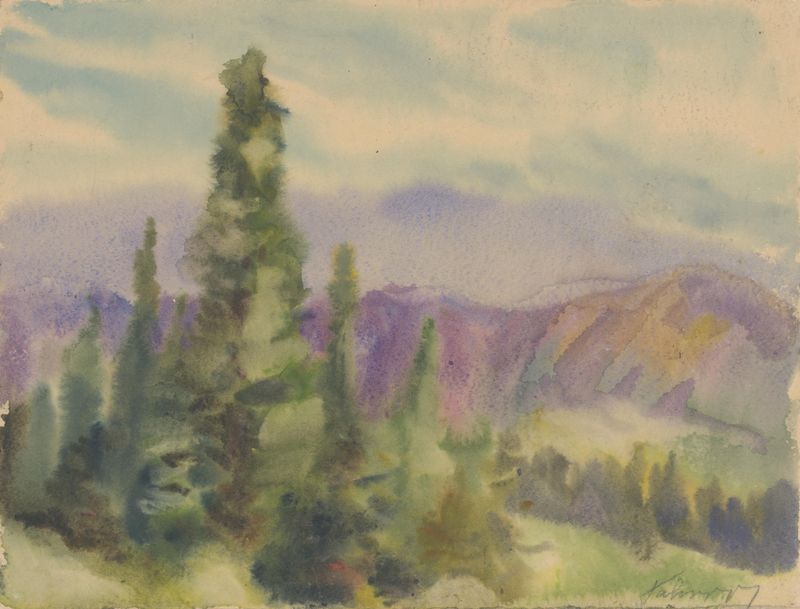
Motif from Liptov Mountains
Zolo Palugyay
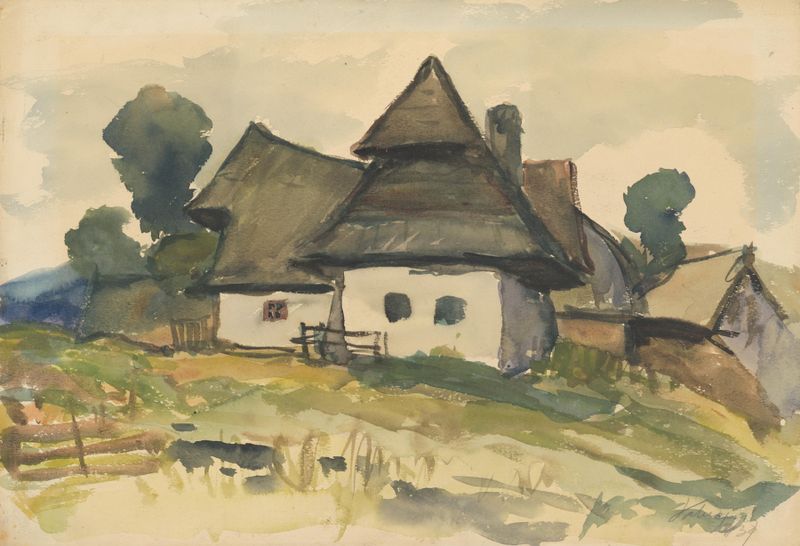
Dedinský motív
Zolo Palugyay
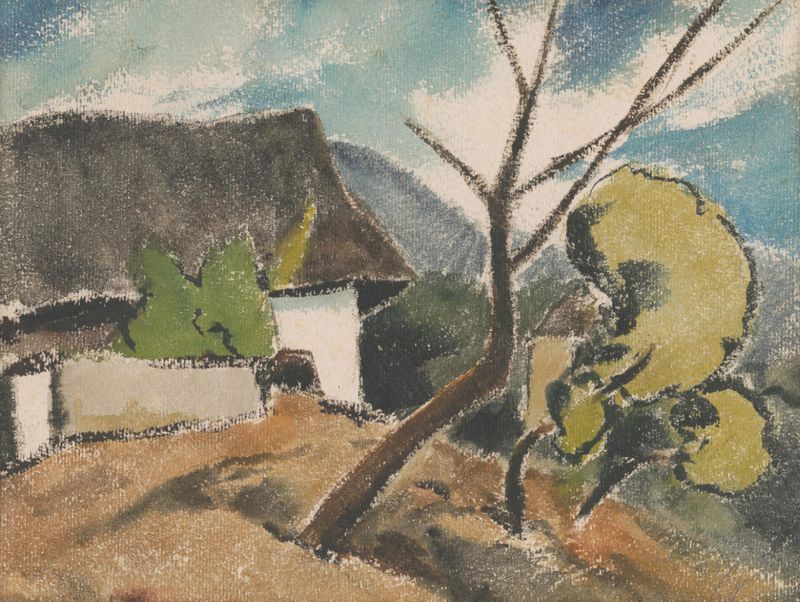
Oravská chalupa
Zolo Palugyay
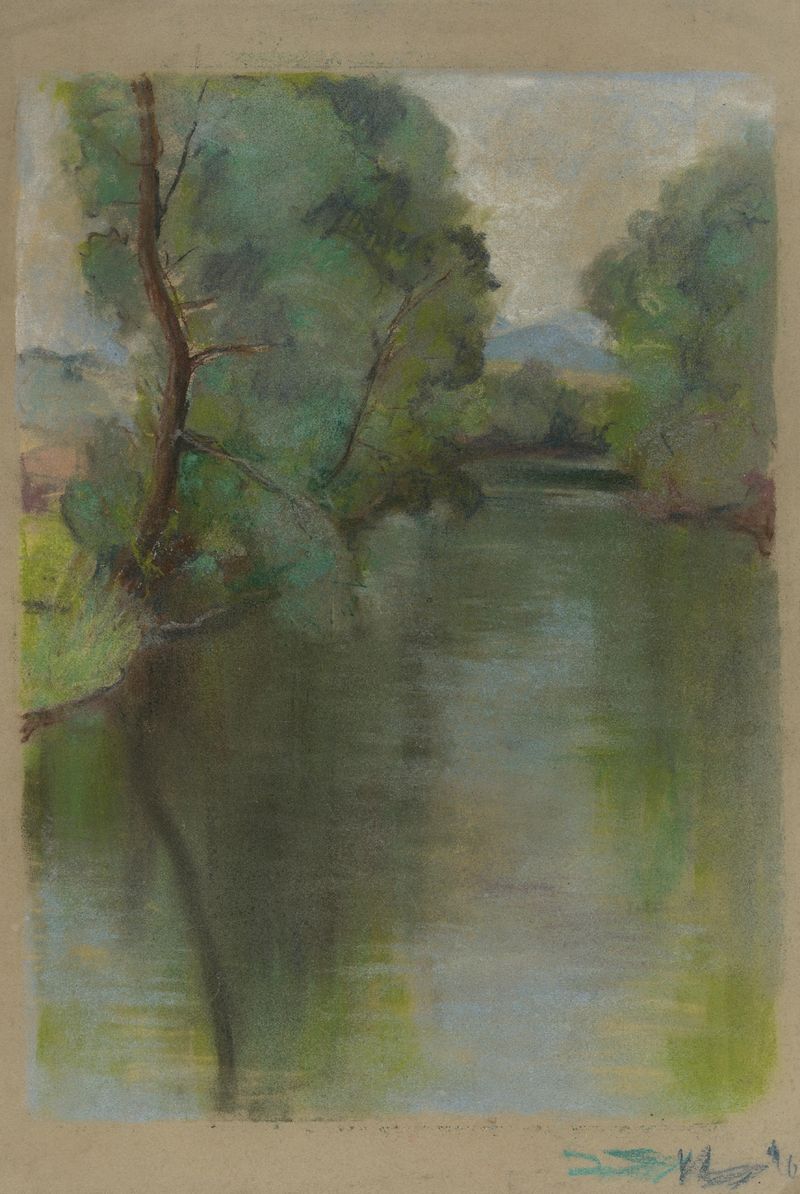
Silent River
Zolo Palugyay
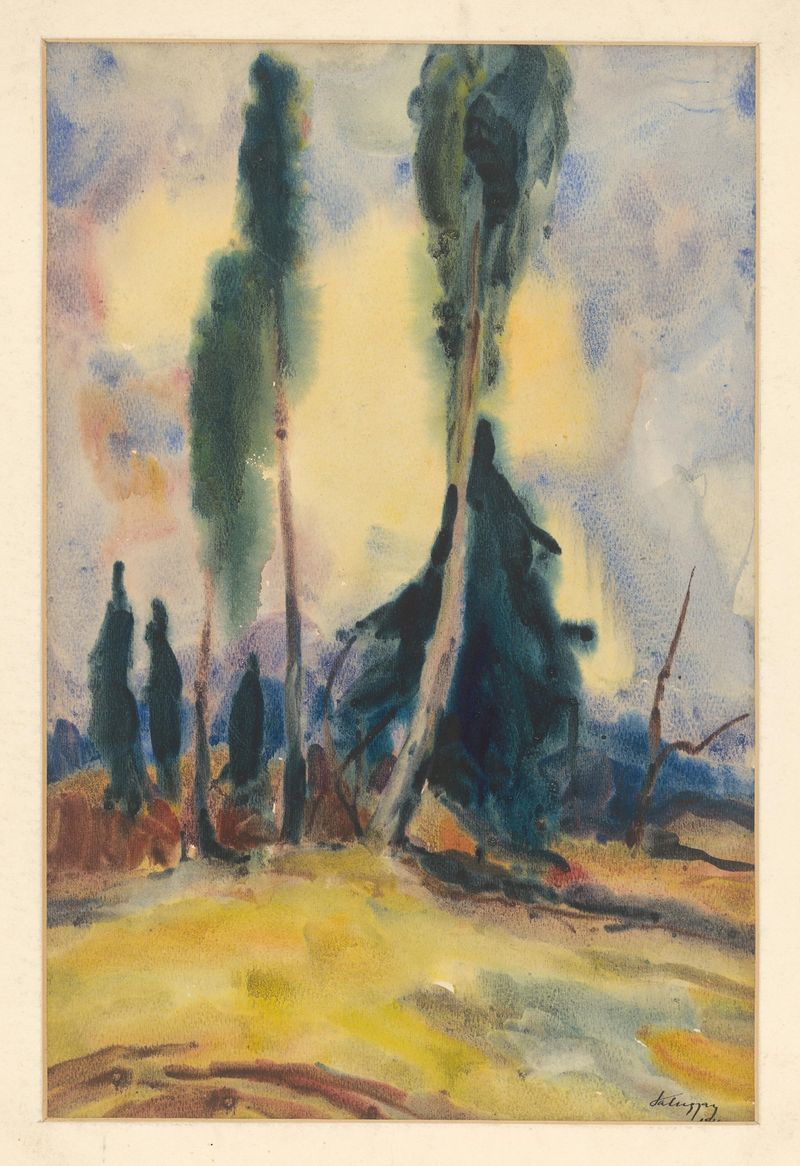
Three Trees on a Plain
Zolo Palugyay
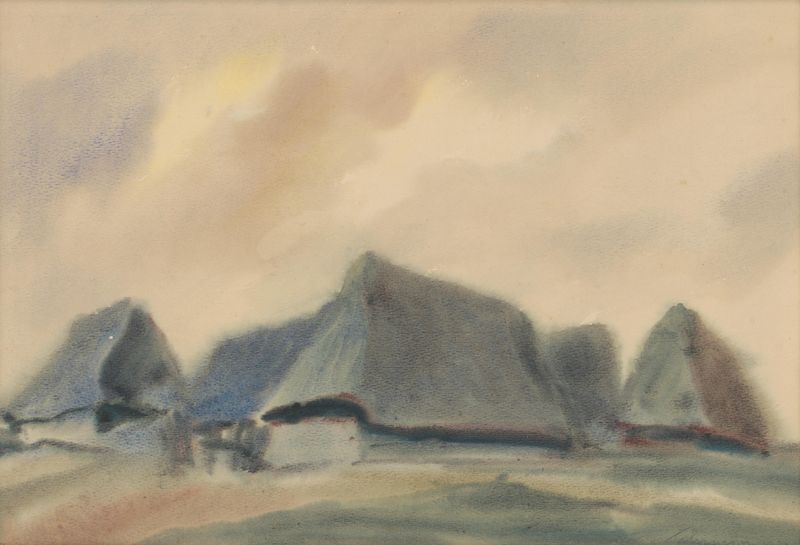
Modré chalupy
Zolo Palugyay
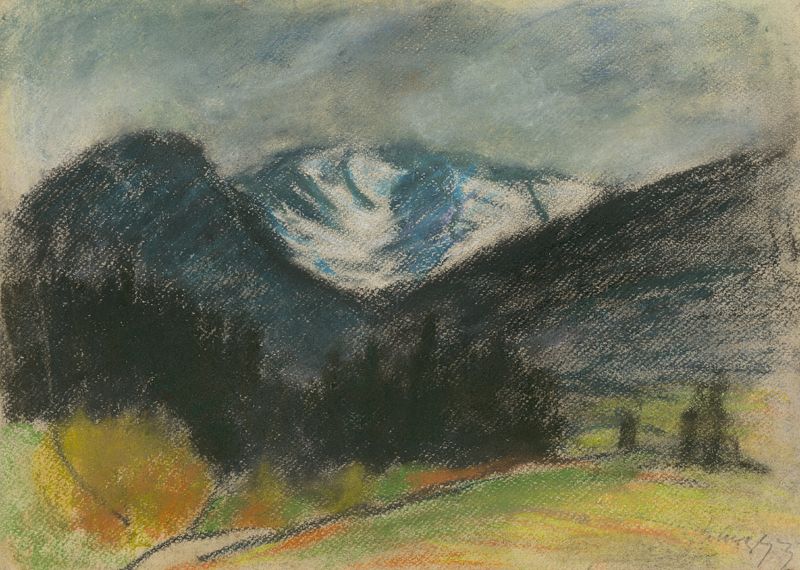
Mountain Landscape with Snowy Peaks
Zolo Palugyay
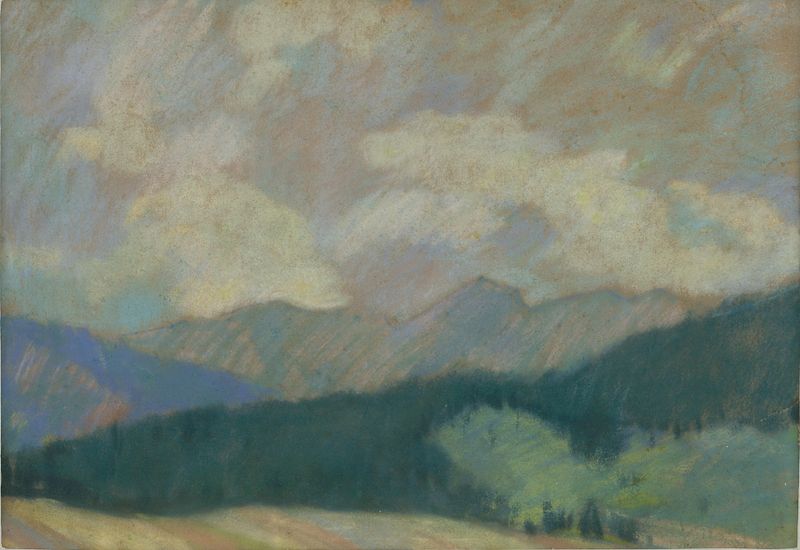
Horská krajina
Zolo Palugyay
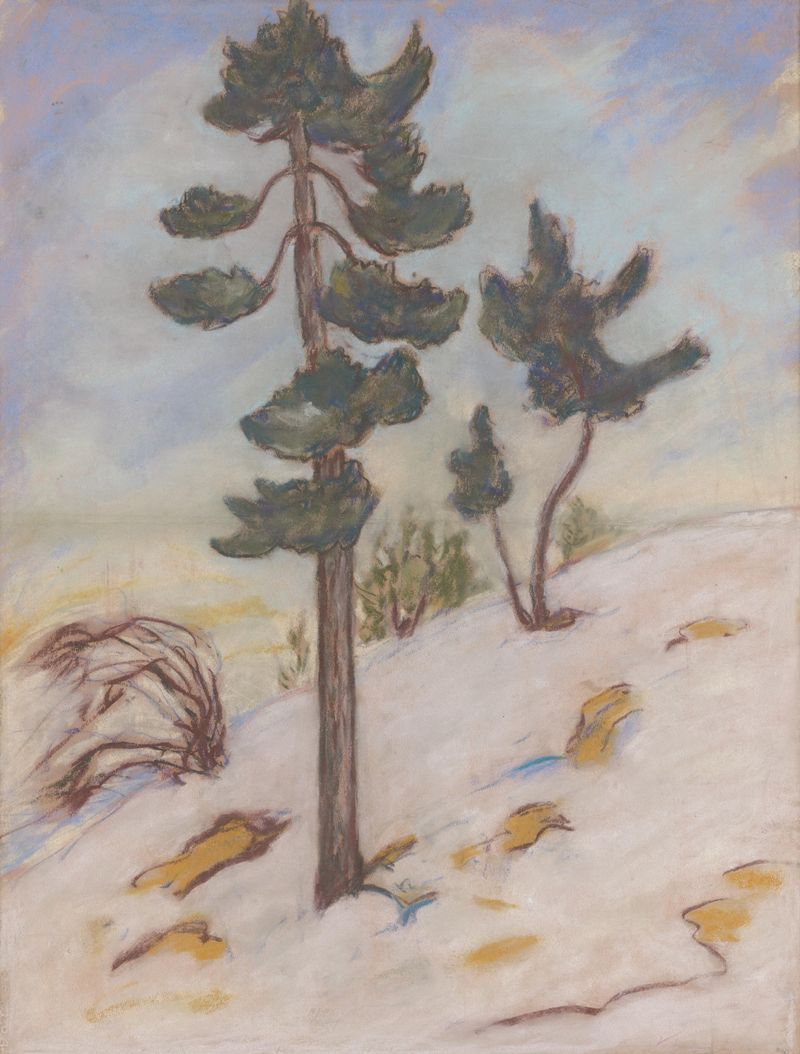
Late Autumn in the High Tatras
Zolo Palugyay
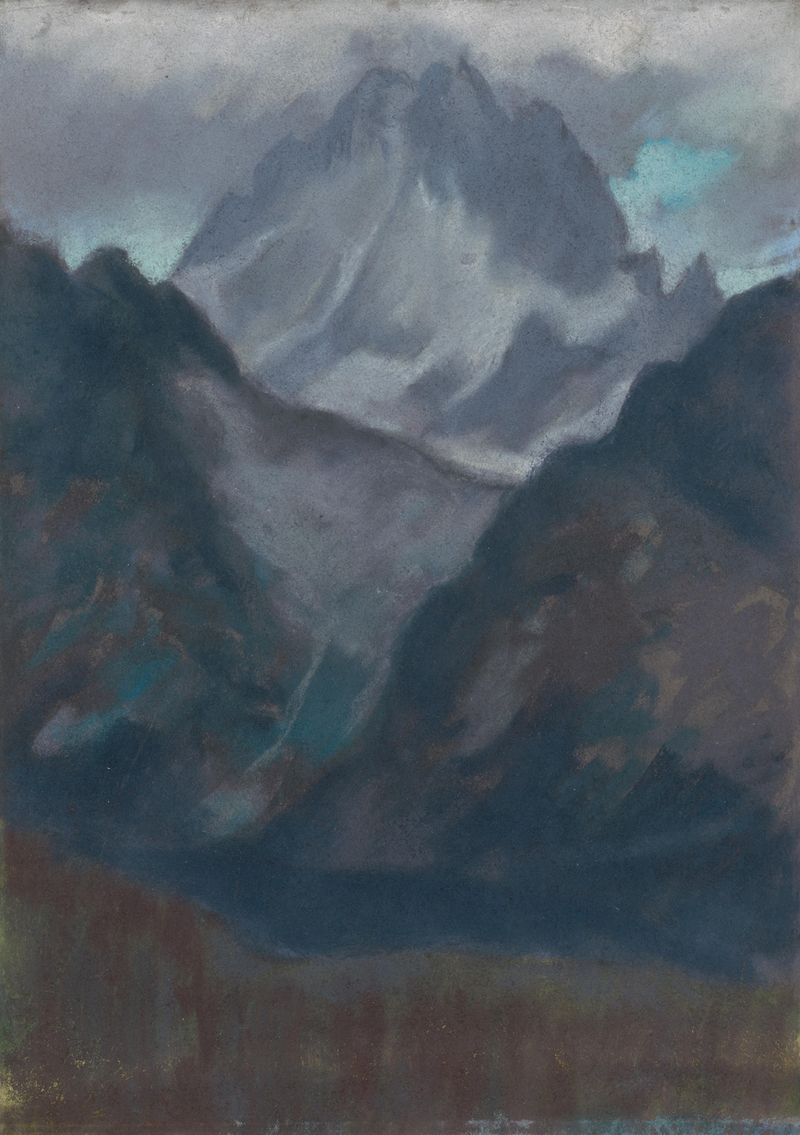
Veľká Vysoká
Zolo Palugyay





