
Beirut. From the journey to Palestine — History & Facts
In the chaotic tapestry of life, obsession often births beauty, revealing deep-seated emotions that connect us to our shared humanity. Look closely at the vibrant strokes that constitute the cityscape; your eyes are drawn immediately to the rhythmic interplay of swirling clouds above Beirut, lending an energetic pulse to the atmosphere. The artist employs a brilliant palette of earthy tones, contrasting with the ethereal blues and whites of the sky, creating a sense of tension between the land and the heavens. Notice how the structures emerge from the chaos, solid yet precarious, as if poised on the brink of transformation.
Each brushstroke carries the weight of the artist’s obsession, imbuing the scene with a sense of urgency and life. Beneath the surface lies a deeper narrative: the juxtaposition of light and shadow reflects not just the geography of Beirut, but also the tumultuous emotions of its people. The buildings, though grounded, seem to reach for the luminous sky, symbolizing a longing for hope amidst uncertainty. The disarray of the streets hints at the struggles faced by those within; yet, simultaneously, there’s an undeniable beauty in this chaos, an obsession with resilience that invites contemplation. In 1901, as Ciągliński painted this piece, he found himself amidst the vibrant cultural shifts of Europe, yet also attuned to the complexities of the Middle East.
His journey to Palestine was more than a mere expedition; it was a quest for understanding, as political tensions simmered in the background. This painting not only captures a moment in time but reflects the artist’s deep engagement with the world around him, marking a pivotal moment in the early exploration of identity through art.
More Artworks by Jan Ciągliński
Browse all →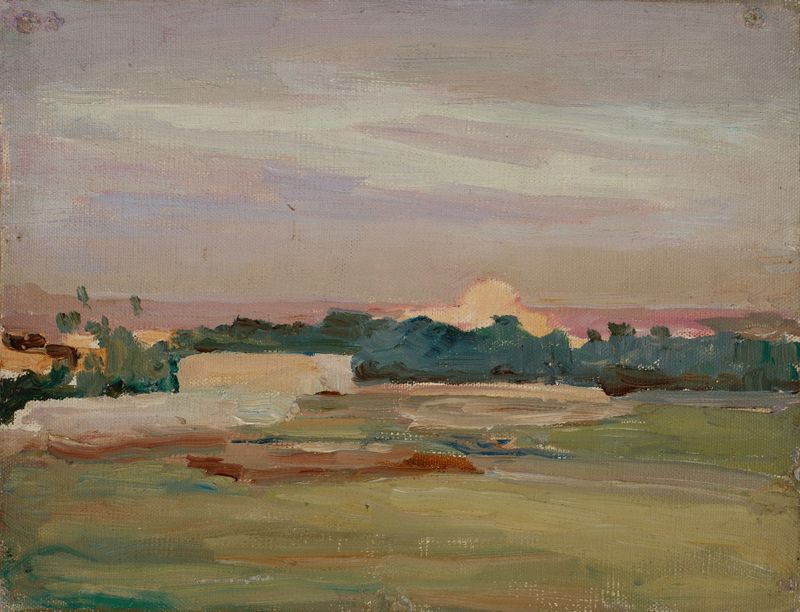
The Sirocco
Jan Ciągliński
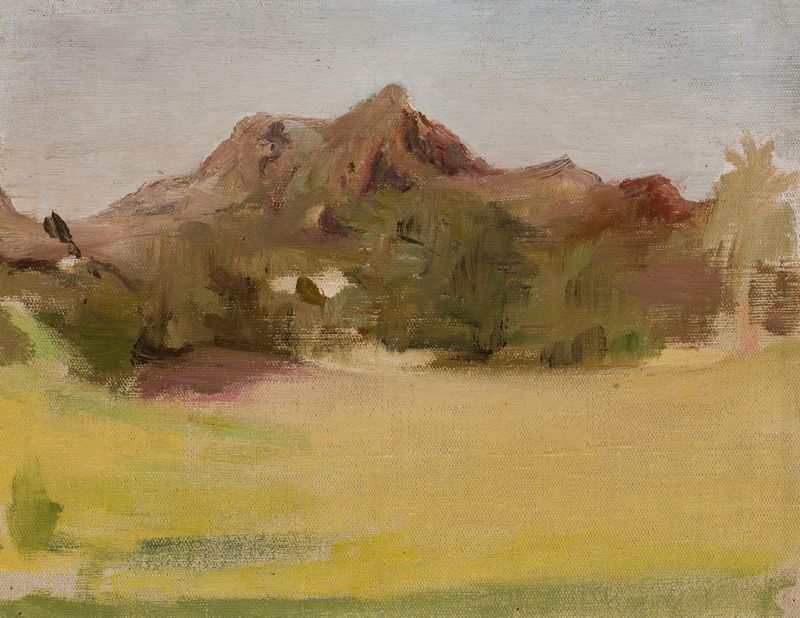
Mountain landscape. From the journey to India
Jan Ciągliński
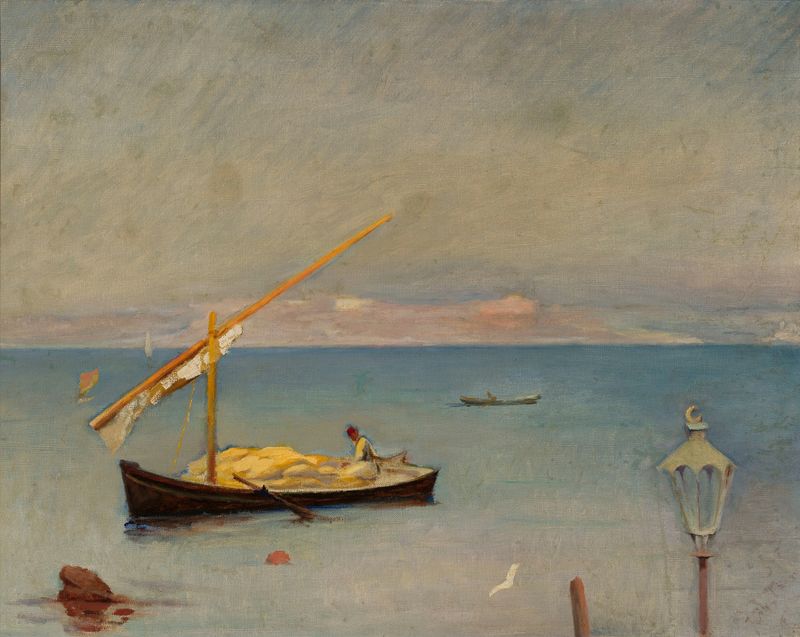
At Bosporus
Jan Ciągliński
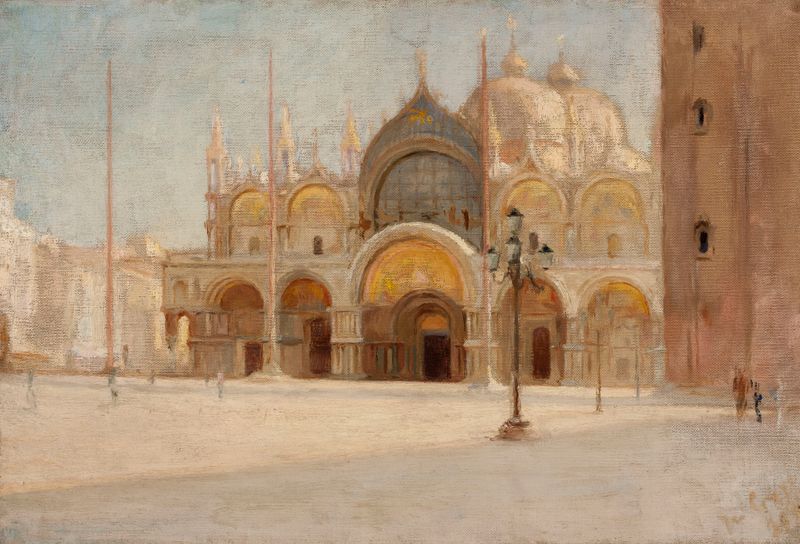
St Mark’s Square in Venice
Jan Ciągliński
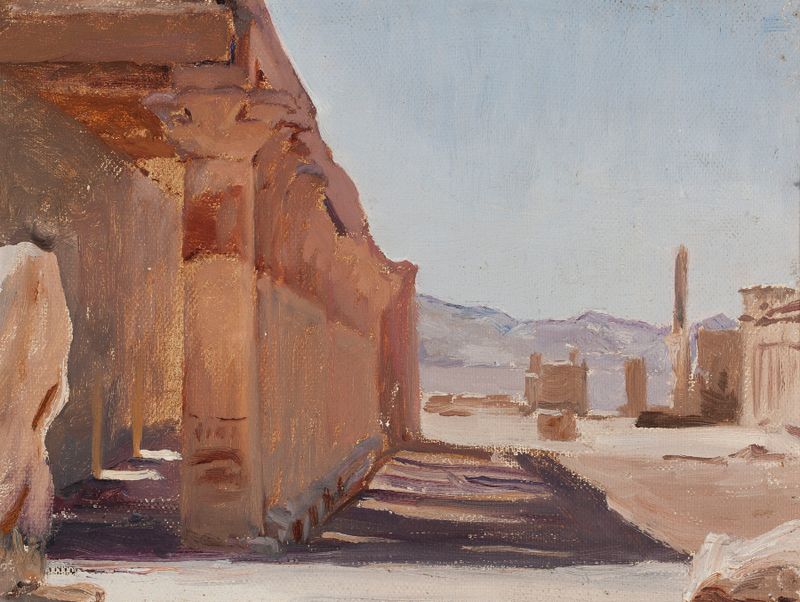
Temple. From the journey to Egypt
Jan Ciągliński
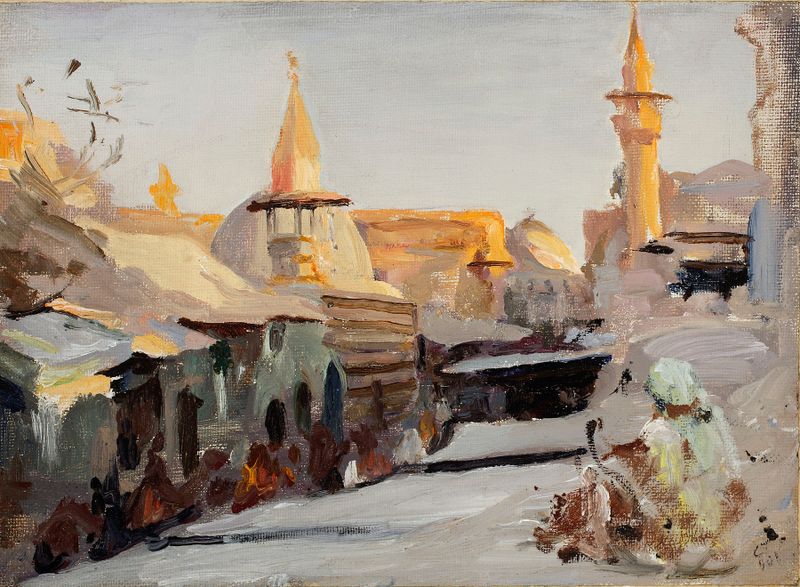
Street in Damascus. From the journey to Palestine
Jan Ciągliński
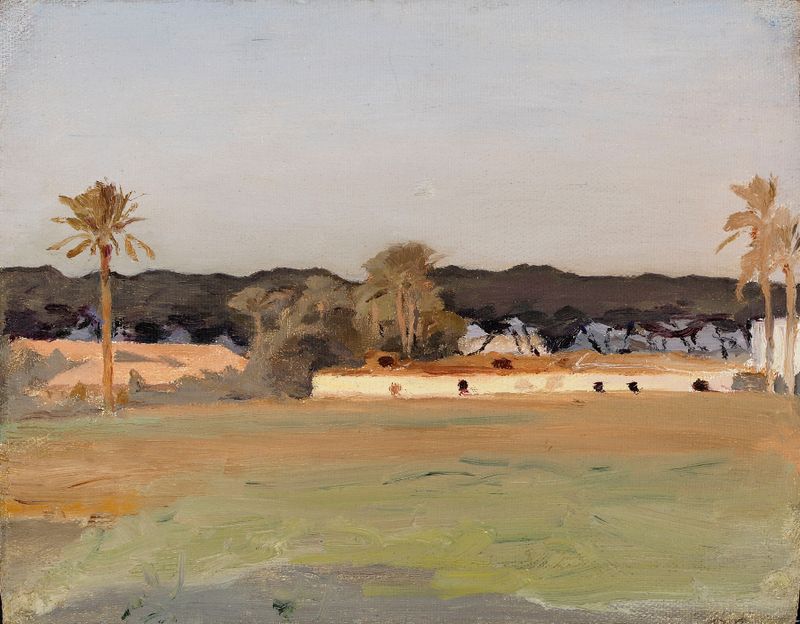
Evening. From the journey to Egypt
Jan Ciągliński
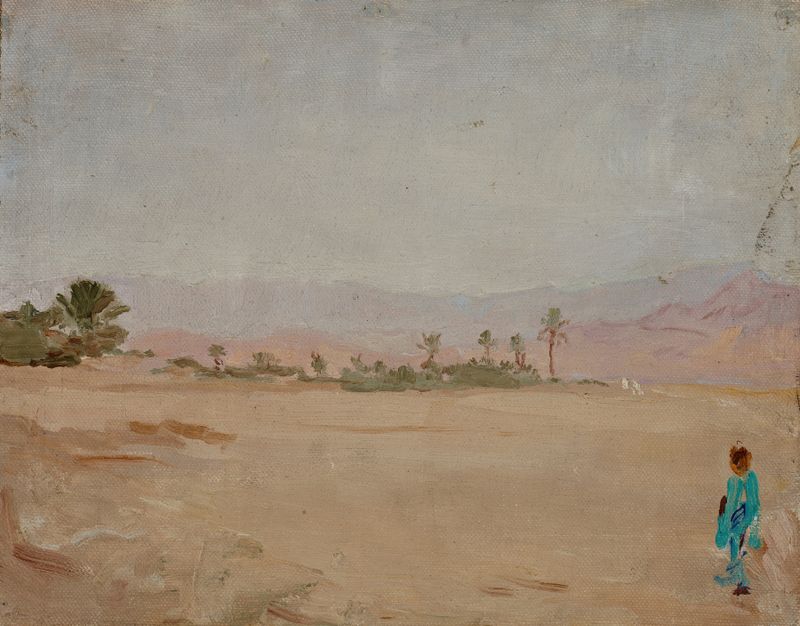
Sahara (Desert)
Jan Ciągliński
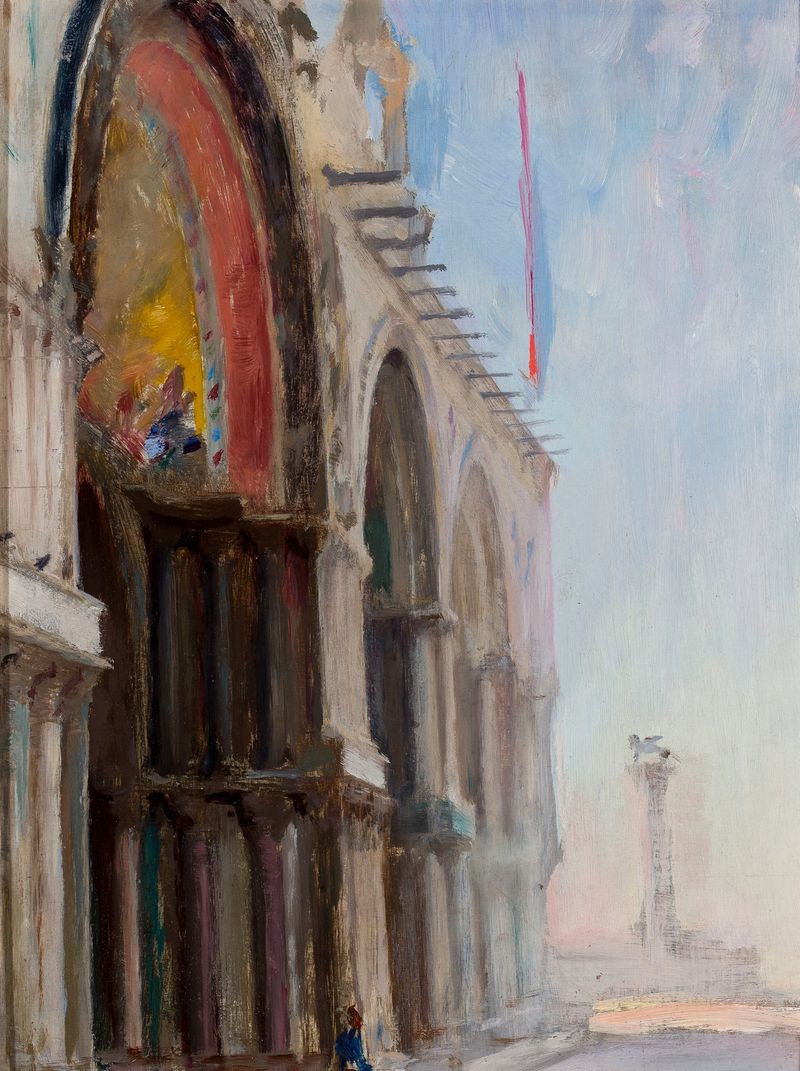
Venice – San Marco. From the journey to Italy
Jan Ciągliński
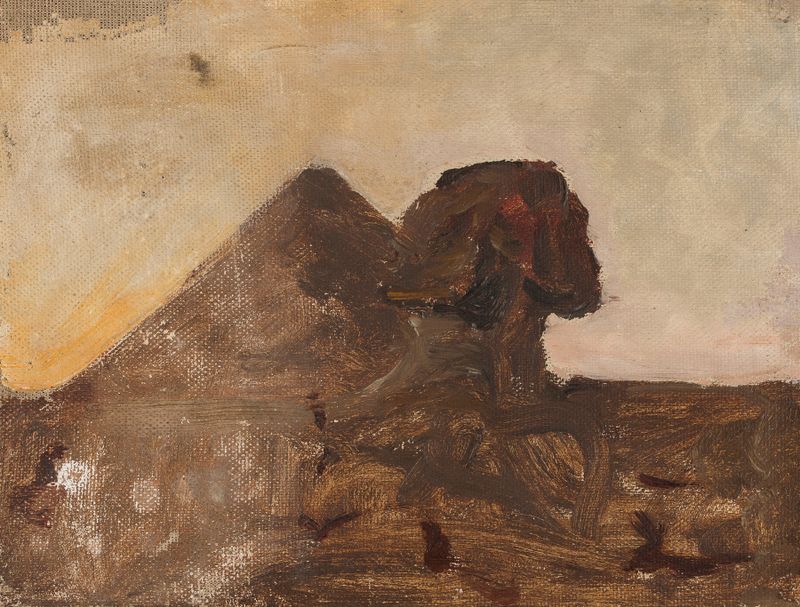
Evening in the desert – Sphinx and pyramid. From the journey to Egypt
Jan Ciągliński





