
Bents Fort — History & Facts
In Bents Fort, the haunting resonance of loss is palpable, echoing the quiet yet profound absence of what once was. Look to the foreground, where the stone walls of the fort stand resolute against the expansive sky. The muted earth tones of the structure merge seamlessly with the surrounding landscape, a testament to both man’s ambition and nature’s indifference. Notice how the light gently caresses the crumbling bricks, illuminating a history etched in every crack and crevice, while shadows loom ominously, hinting at stories long forgotten. Deeper within, a tension emerges between the fort's sturdy presence and the vast emptiness surrounding it.
The barren land speaks of isolation, evoking a sense of solitude and melancholy. This contrast between the fort’s enduring strength and the desolation of its environment captures the fleeting nature of human endeavor and the inevitable march of time, urging the viewer to reflect on what remains after the passage of life. In 1859, Daniel A. Jenks crafted this piece amidst a burgeoning interest in western expansion and the complex narratives of American history.
Living in a nation grappling with its identity, Jenks’s work reflects the era's tumult, as frontier forts symbolized both protection and the encroachment of civilization upon untamed lands. This painting serves not only as a representation of physical space but also as a meditation on the deeper losses intertwined with such ambitions.
More Artworks by Daniel A. Jenks
Browse all →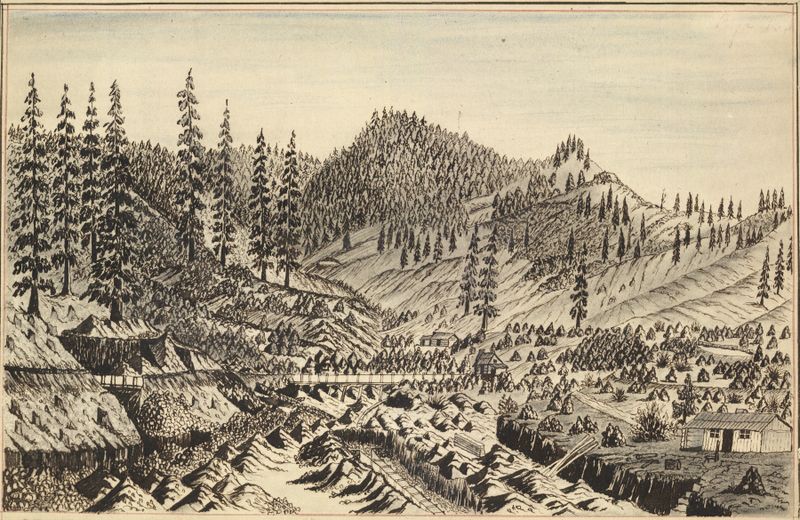
View of the mine at Long Gulch
Daniel A. Jenks
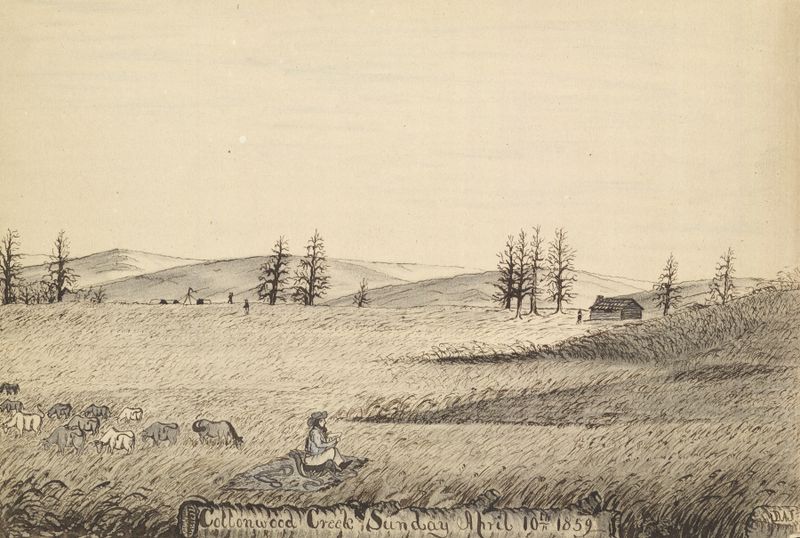
Cottonwood Creek, Sunday April 10th 1859
Daniel A. Jenks
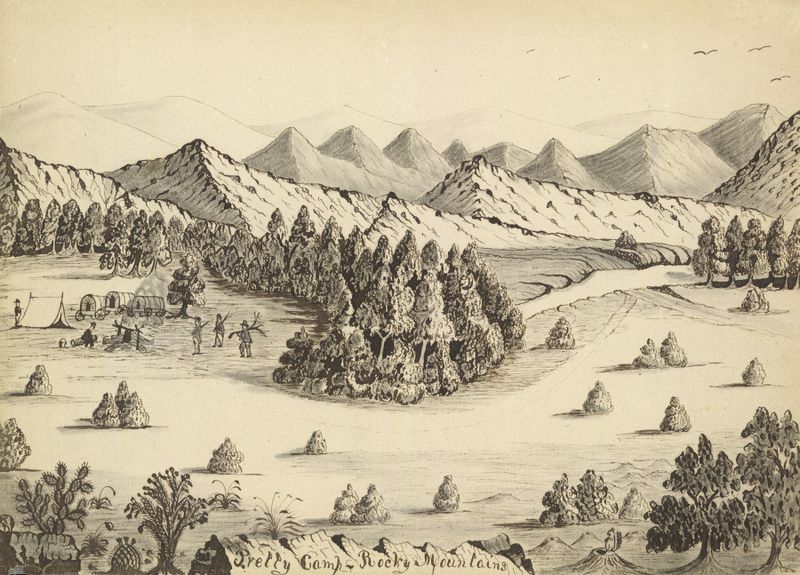
Pretty camp – Rocky Mountains
Daniel A. Jenks
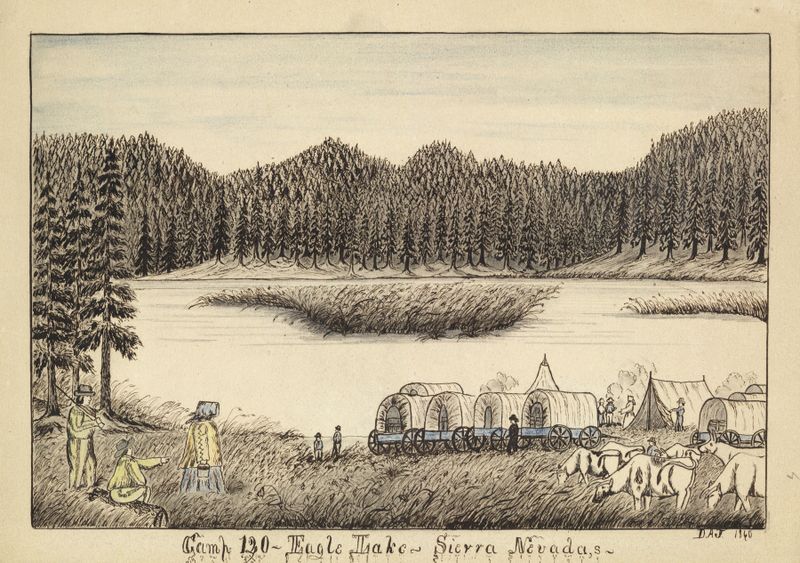
Camp 120, Eagle Lake, Sierra Nevadas
Daniel A. Jenks

Chavis Creek, camp 14th
Daniel A. Jenks
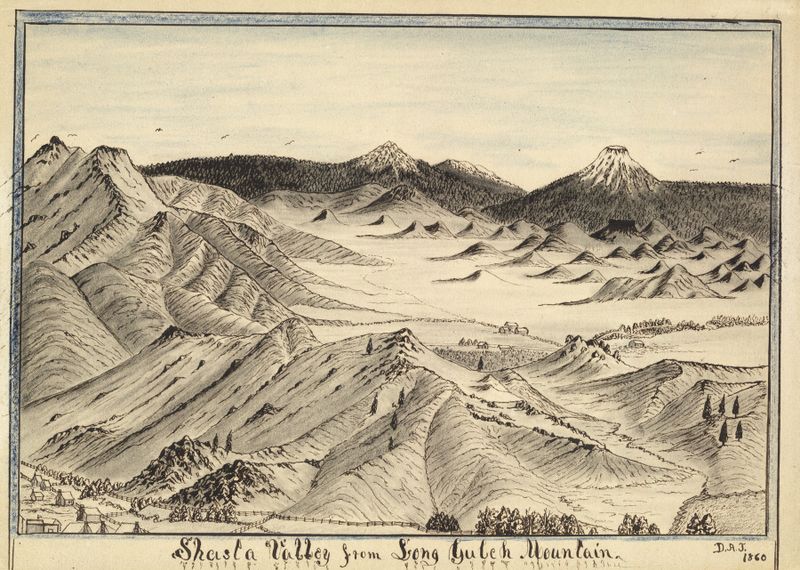
Shasta Valley from Long Gulch Mountain
Daniel A. Jenks
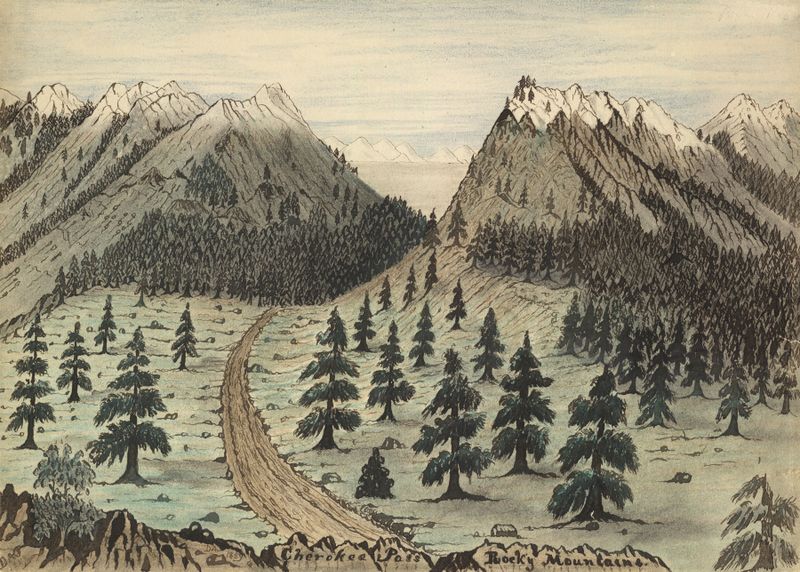
Cherokee Pass, Rocky Mountains
Daniel A. Jenks

Camp 100 – Humbolt River
Daniel A. Jenks
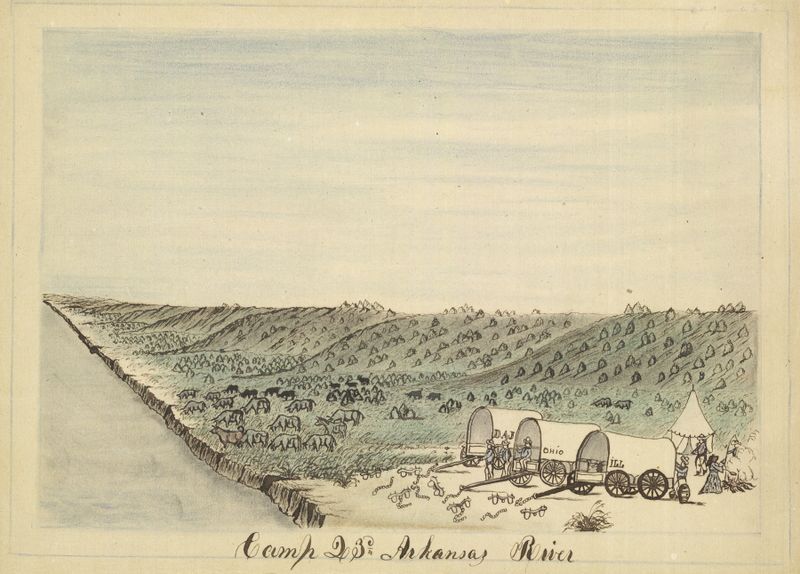
Camp 23rd Arkansas River
Daniel A. Jenks
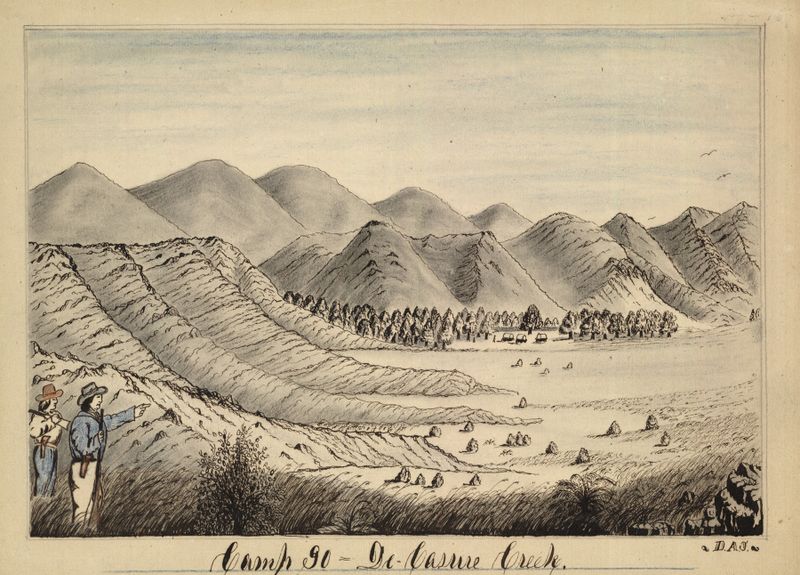
Camp 90, De Casure Creek
Daniel A. Jenks





