
Camp 90, De Casure Creek — History & Facts
Is this a mirror — or a memory? The stillness of the water reflects not just the landscape but whispers of lives once lived, layered in the quiet embrace of nature. Look to the center of the painting where the water mirrors the grove of trees, their leaves dancing lightly in a gentle breeze. Notice how the soft blues and greens blend seamlessly, creating a dreamlike quality that invites contemplation. The strokes are deliberate yet tender, as if the artist sought to capture the very essence of tranquility.
The sharp contrast of the darker tree trunks against the bright expanse of the sky draws your attention upward, beckoning you to trace the path of the clouds drifting lazily overhead. Within the composition lies a juxtaposition of permanence and transience. The sturdy trees stand as sentinels of time, yet the shimmering surface of the water hints at the fleeting nature of memory — how moments can be captured yet remain ever elusive. The interplay of light and shadow reveals a broader theme of reflection, not just in the physical sense, but as a metaphor for introspection and the nature of existence itself. In 1859, during a period of burgeoning American landscape painting, Jenks crafted this piece while exploring the untouched beauty of the natural world.
This era marked an increasing fascination with capturing the sublime in nature as artists sought to express the American spirit. Amidst the backdrop of societal change and the quest for identity, Camp 90, De Casure Creek serves as both an homage to the land and a personal journey through memory and reflection.
More Artworks by Daniel A. Jenks
Browse all →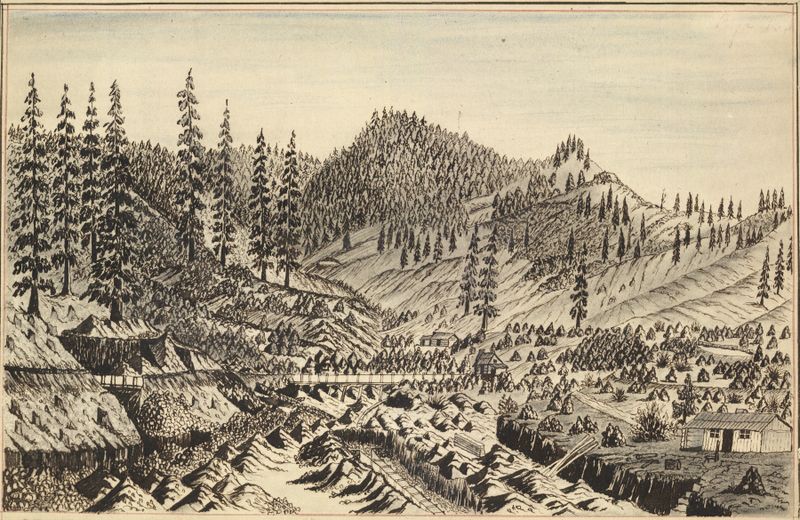
View of the mine at Long Gulch
Daniel A. Jenks
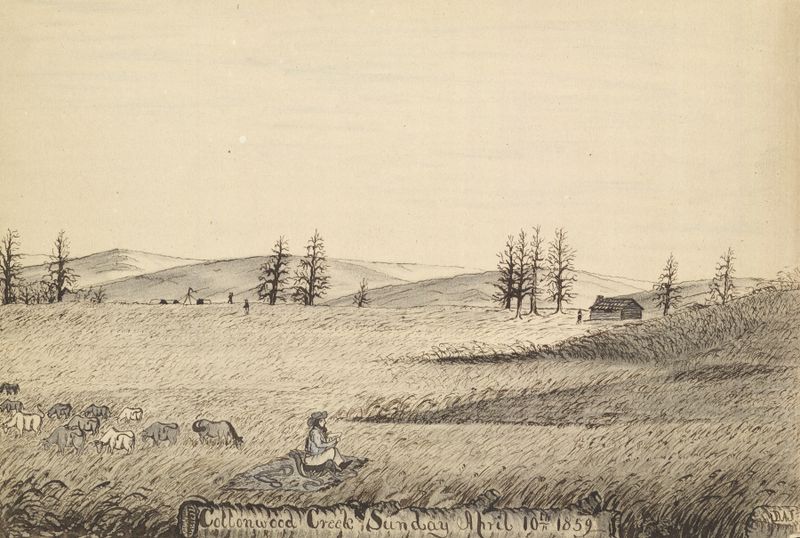
Cottonwood Creek, Sunday April 10th 1859
Daniel A. Jenks
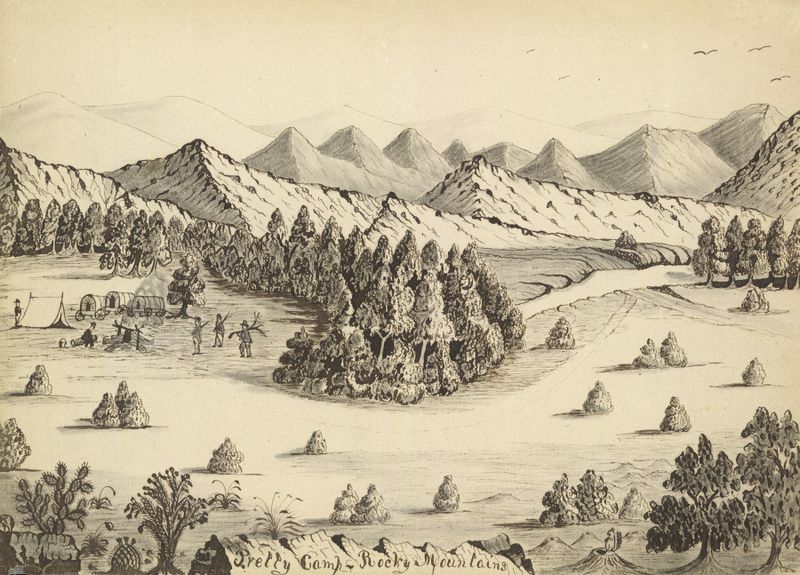
Pretty camp – Rocky Mountains
Daniel A. Jenks
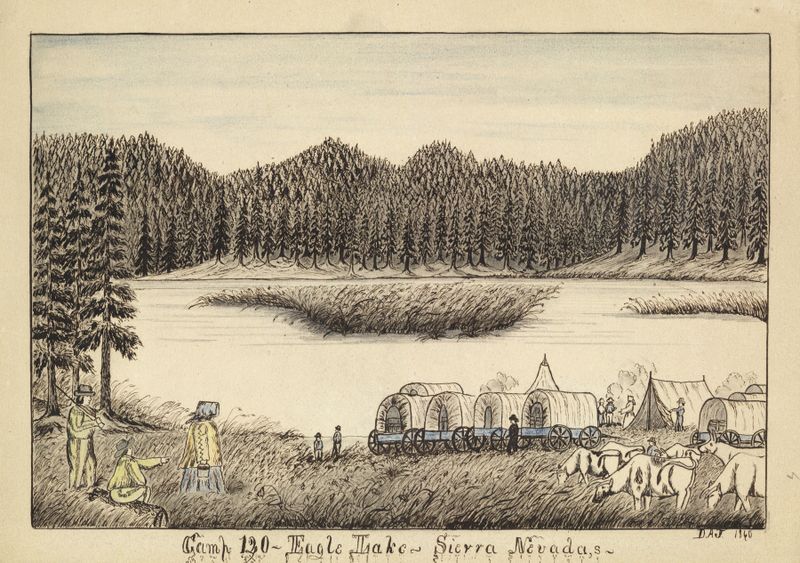
Camp 120, Eagle Lake, Sierra Nevadas
Daniel A. Jenks

Chavis Creek, camp 14th
Daniel A. Jenks
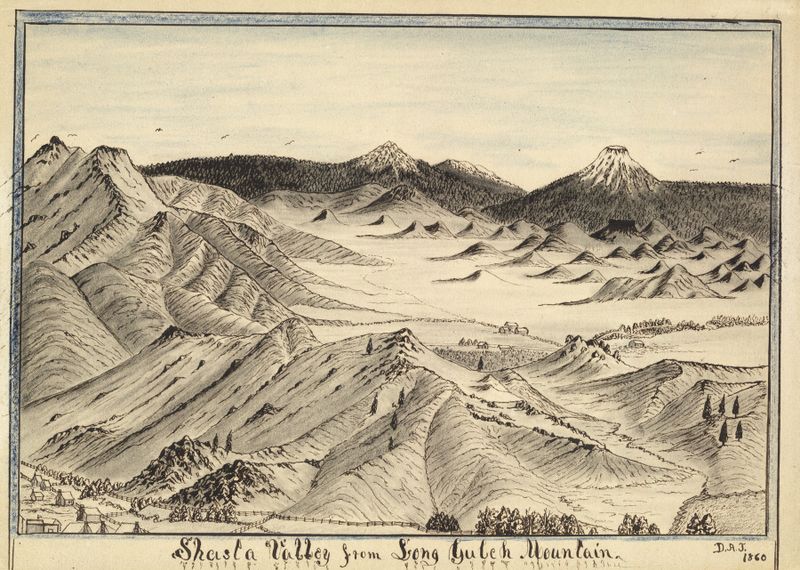
Shasta Valley from Long Gulch Mountain
Daniel A. Jenks
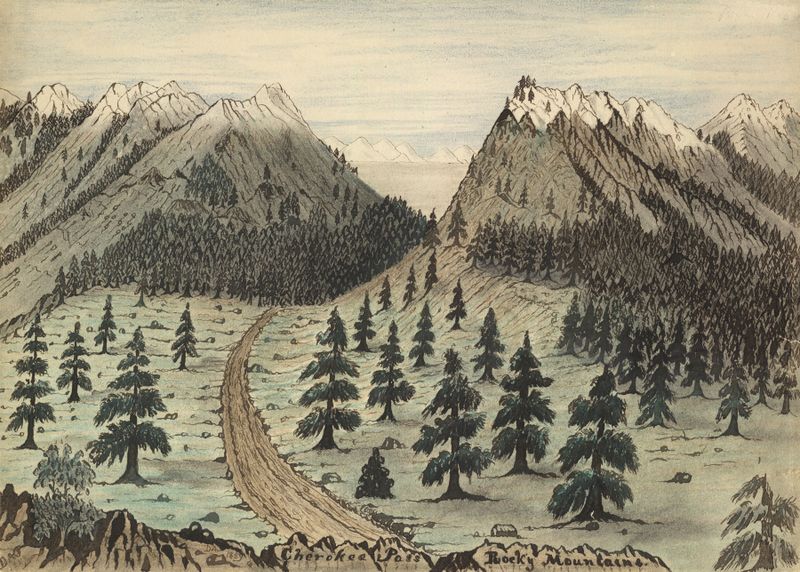
Cherokee Pass, Rocky Mountains
Daniel A. Jenks

Camp 100 – Humbolt River
Daniel A. Jenks
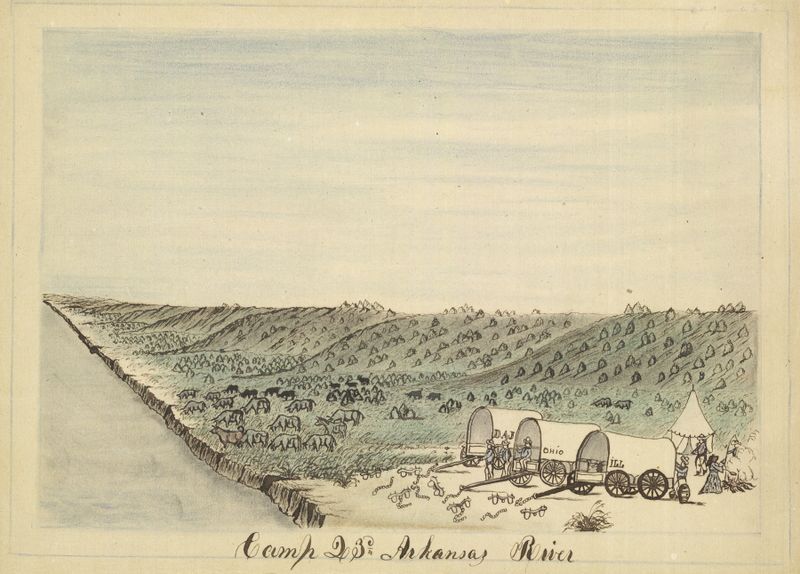
Camp 23rd Arkansas River
Daniel A. Jenks

Humbolt River Valley
Daniel A. Jenks





