
View of the mine at Long Gulch — History & Facts
Can beauty exist without sorrow? In View of the Mine at Long Gulch, a striking juxtaposition of nature's splendor and industrial encroachment unfolds, inviting a reflection on the complexities of progress. Look to the left at the tall profiles of pines rising against the mountainous backdrop. The deep greens of the foliage contrast vividly with the rich, earthen tones of the mining structures nestled at the foot of the hills. Notice how the composition is anchored by the winding river—its gentle movement through the scene suggests the passage of time, while dappled sunlight plays across the surface, creating a shimmering pathway that draws the eye deeper into the landscape. The painting encapsulates a tension between tranquility and turmoil.
The serene natural beauty, with its lush vegetation and distant mountains, stands in stark contrast to the laborious presence of the mine, which, while a symbol of opportunity, also represents the encroachment of human ambition upon untouched land. This duality serves as a poignant reminder of the sacrifices often made in the name of progress, with the delicate balance of nature hanging in the balance. The movement captured in the river and the gentle sway of trees serves as a metaphor for change—both beautiful and painful. At the time View of the Mine at Long Gulch was painted in 1859, Daniel A.
Jenks was operating within a burgeoning America, where the Gold Rush was transforming landscapes and lives. Working amidst both burgeoning nationalism and the emerging Realist movement, Jenks sought to document the changes his environment underwent, capturing not only the industrial exploits but also the inherent beauty of the land that was slowly being reshaped by human hands.
More Artworks by Daniel A. Jenks
Browse all →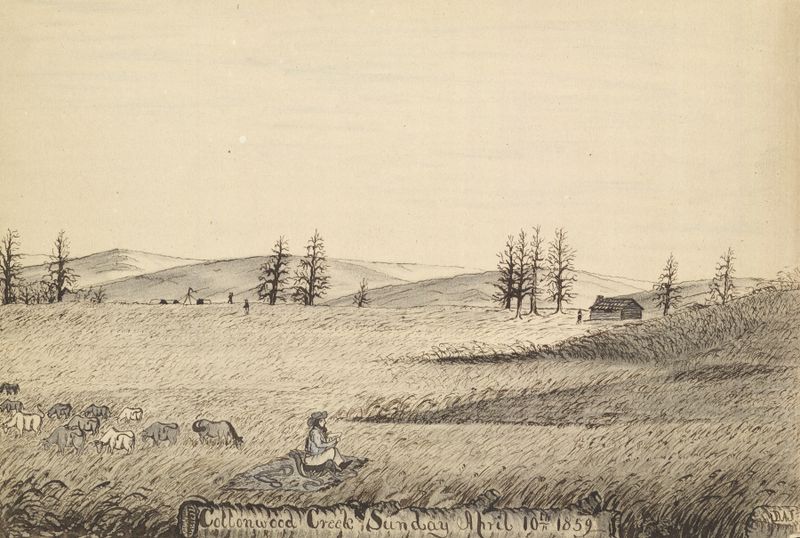
Cottonwood Creek, Sunday April 10th 1859
Daniel A. Jenks
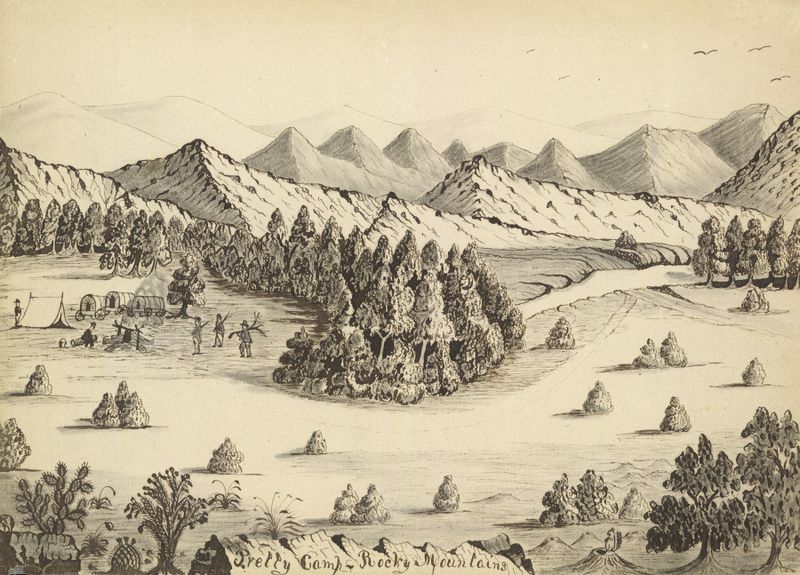
Pretty camp – Rocky Mountains
Daniel A. Jenks
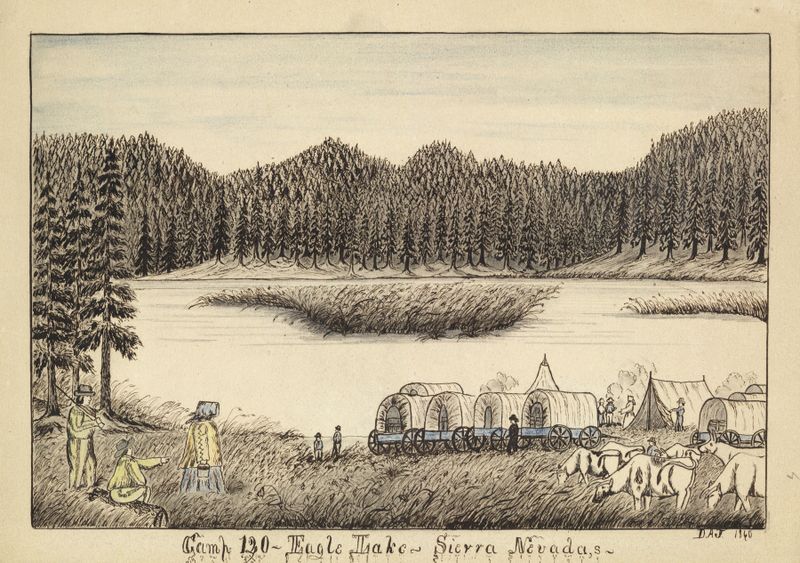
Camp 120, Eagle Lake, Sierra Nevadas
Daniel A. Jenks

Chavis Creek, camp 14th
Daniel A. Jenks
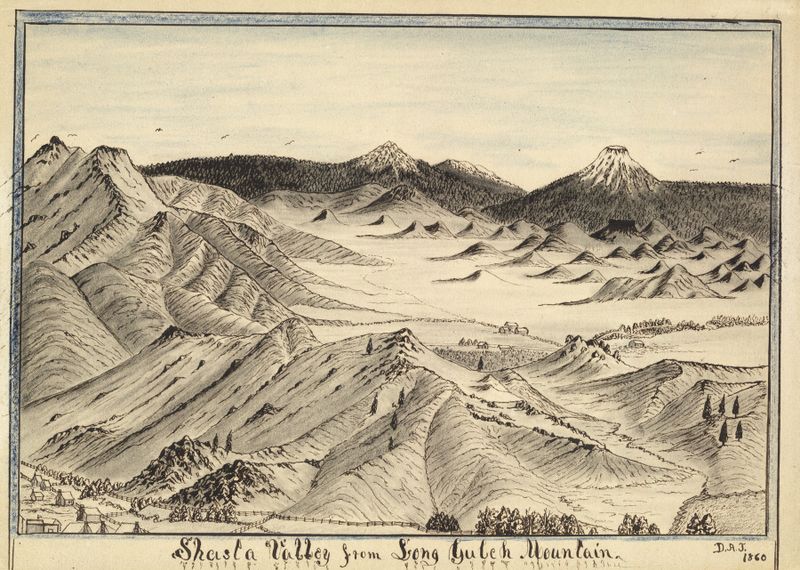
Shasta Valley from Long Gulch Mountain
Daniel A. Jenks
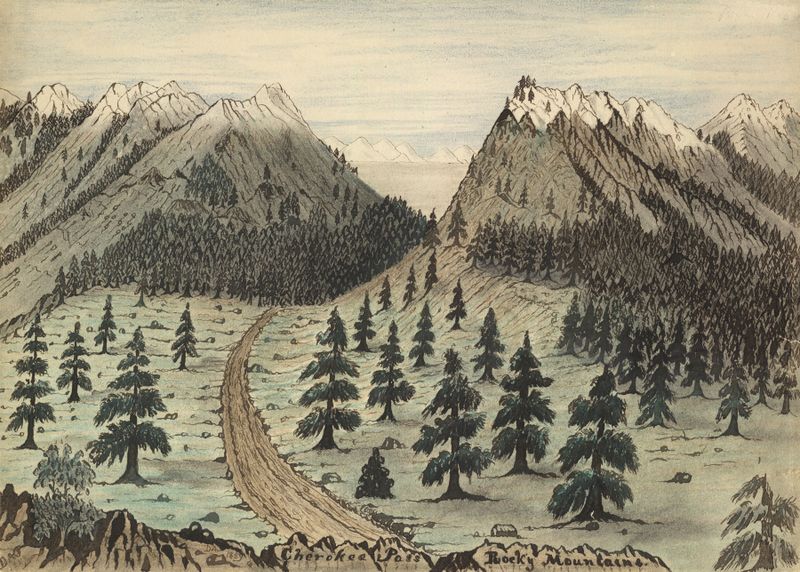
Cherokee Pass, Rocky Mountains
Daniel A. Jenks

Camp 100 – Humbolt River
Daniel A. Jenks
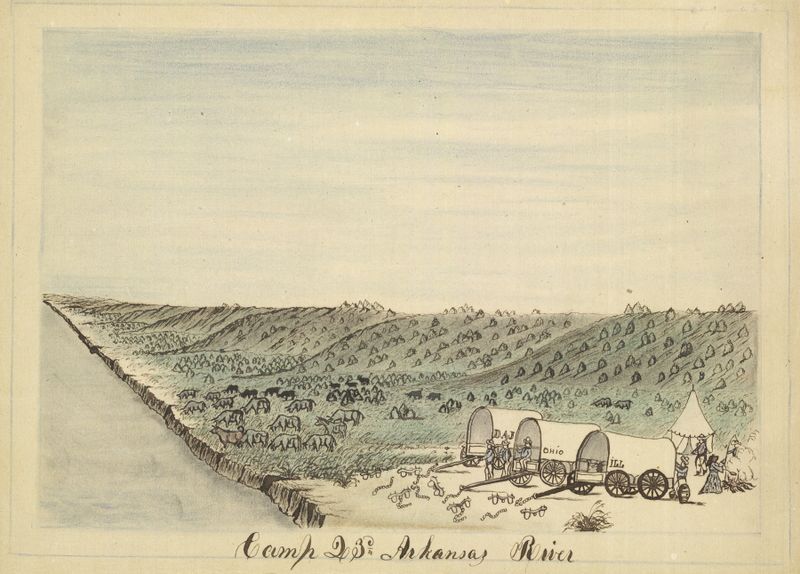
Camp 23rd Arkansas River
Daniel A. Jenks
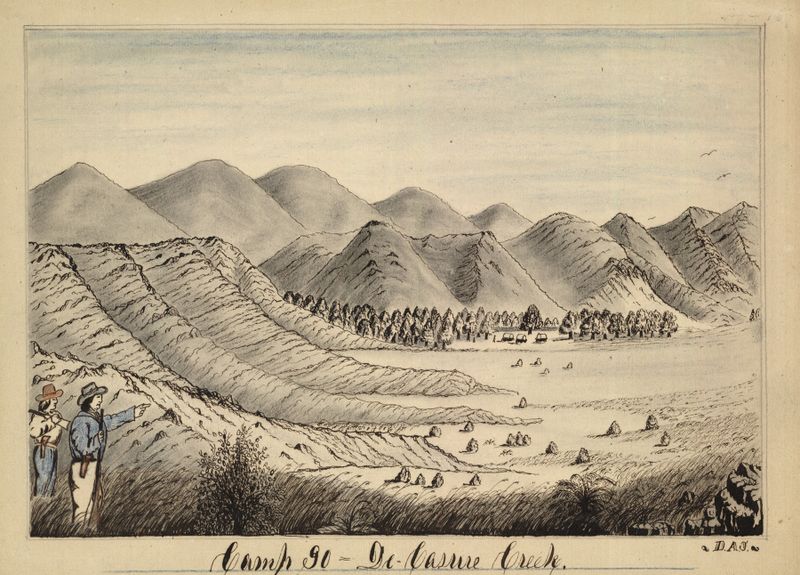
Camp 90, De Casure Creek
Daniel A. Jenks

Humbolt River Valley
Daniel A. Jenks





