
Pretty camp – Rocky Mountains — History & Facts
Could a single brushstroke hold eternity? In Pretty Camp – Rocky Mountains, the artist captures a fleeting moment that stretches beyond the canvas, inviting contemplation of the landscapes we inhabit. Look to the left at the intricate interplay of light and shadow across the mountain peaks. The soft, pastel hues blend seamlessly, while the crisp outlines of the towering ridges emerge, almost trembling in the morning light. Notice how the foreground, filled with verdant greens, contrasts with the majestic blues and grays of the distant mountains—a dialogue between the immediacy of nature and its vast, timeless expanse.
This careful arrangement of color not only grounds the scene but also infuses it with an ethereal quality that draws the eye deeper into the valleys. Hidden within the serene beauty lies a tension between reality and illusion. The delicate brushwork suggests a fleeting atmosphere—evoking the transitory nature of our experiences with the wilderness. Each blade of grass and ripple in the water whispers stories of the past, while the looming mountains serve as an eternal reminder of nature's grandeur.
The juxtaposition of intimate details against monumental scenery embodies the coexistence of the ephemeral and the everlasting, urging viewers to reflect on their own connection to the landscape. In 1859, during a period of exploration and expansion in America, the artist found inspiration in the Rocky Mountains, a region already steeped in myth and adventure. As the nation grappled with its identity, the burgeoning movement of landscape painting offered a means to capture the spirit of the land. Working during this pivotal era, he sought not just to depict a scene but to evoke the profound relationships between people and nature, encapsulated in a moment of beauty.
More Artworks by Daniel A. Jenks
Browse all →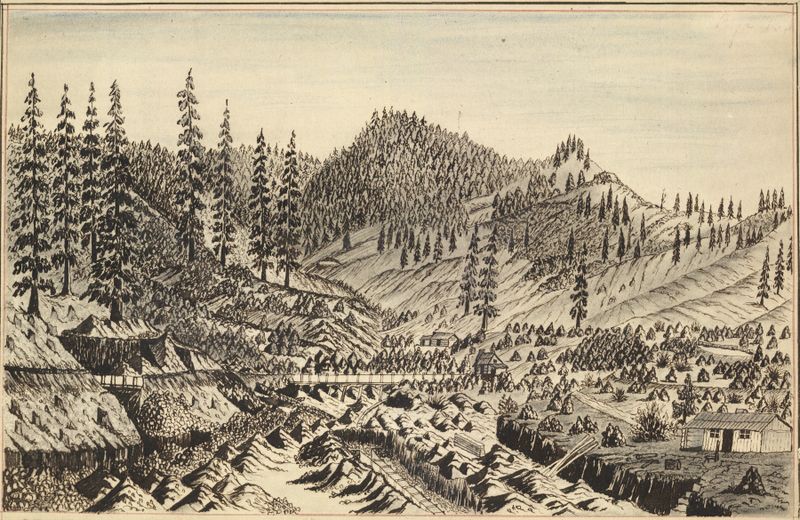
View of the mine at Long Gulch
Daniel A. Jenks
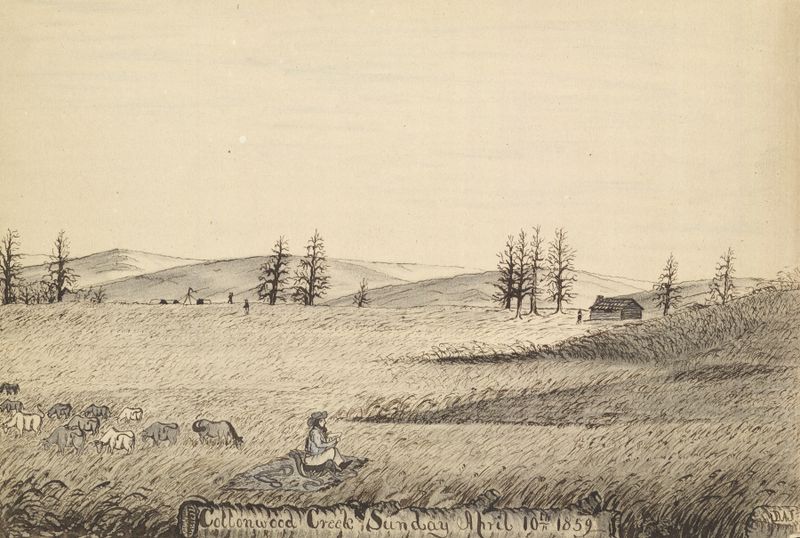
Cottonwood Creek, Sunday April 10th 1859
Daniel A. Jenks
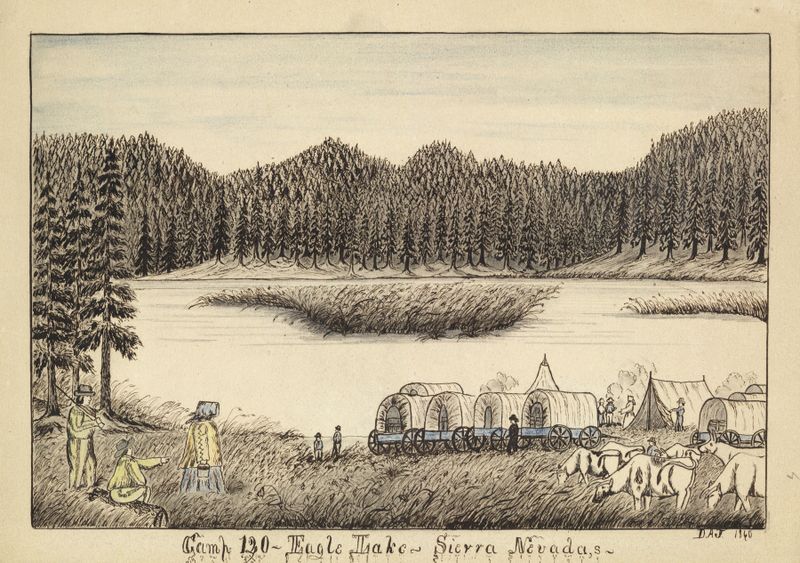
Camp 120, Eagle Lake, Sierra Nevadas
Daniel A. Jenks

Chavis Creek, camp 14th
Daniel A. Jenks
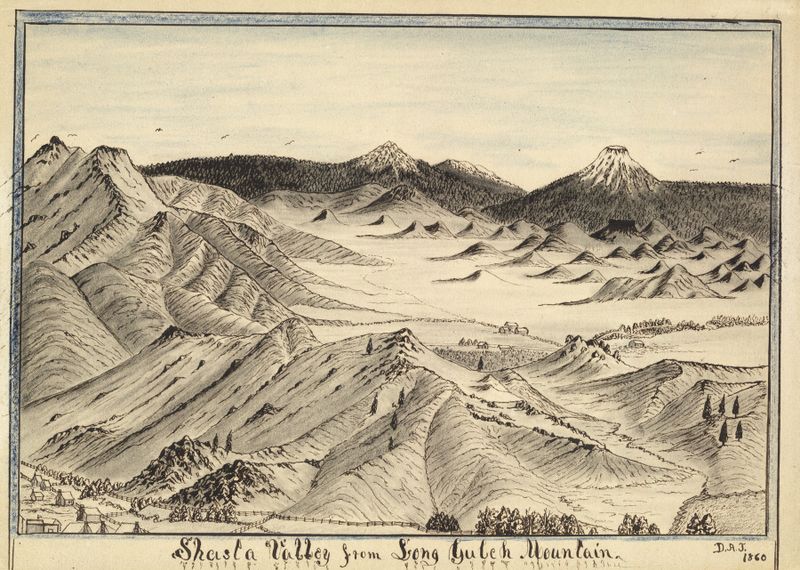
Shasta Valley from Long Gulch Mountain
Daniel A. Jenks
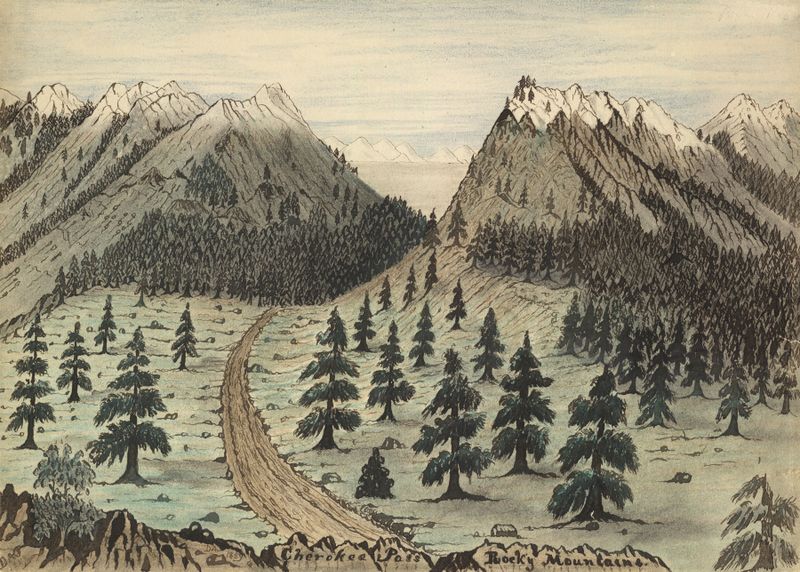
Cherokee Pass, Rocky Mountains
Daniel A. Jenks

Camp 100 – Humbolt River
Daniel A. Jenks
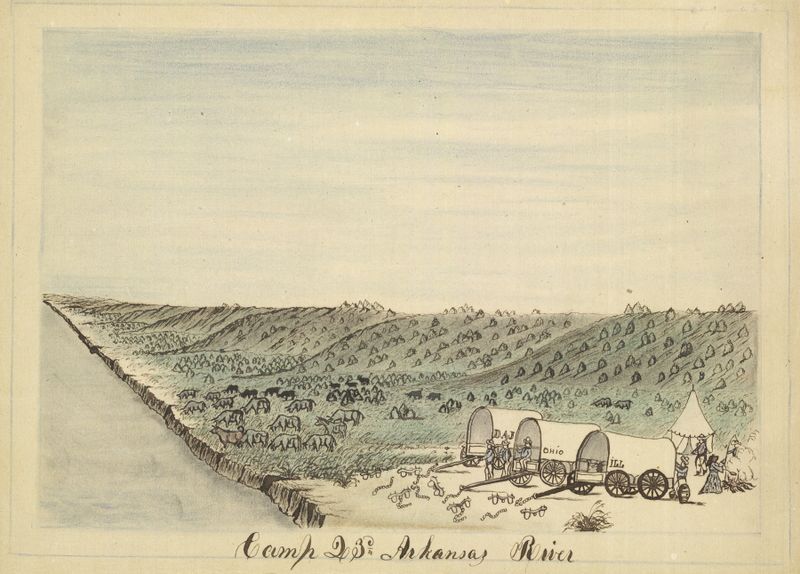
Camp 23rd Arkansas River
Daniel A. Jenks
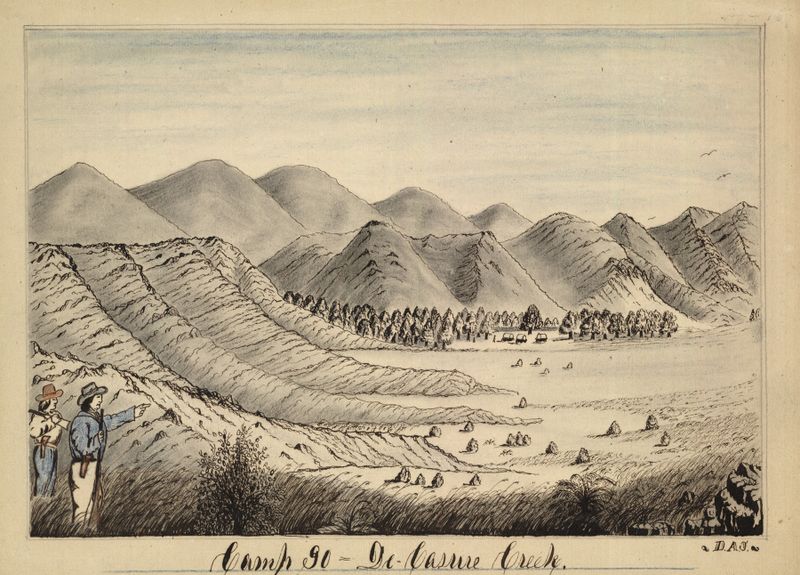
Camp 90, De Casure Creek
Daniel A. Jenks

Humbolt River Valley
Daniel A. Jenks





