
Camp 100 – Humbolt River — History & Facts
Could beauty survive in a century of chaos? This profound question echoes through time, inviting contemplation on the resilience of nature and the human spirit. As you gaze upon the artwork, focus on the vibrant hues of the river that flows gracefully across the canvas. Notice how the soft blues blend seamlessly into gentle greens, creating a tranquil scene that feels alive. The artist's brushwork captures the delicate ripples on the water’s surface, suggesting movement yet retaining a stillness that invites reflection.
Look to the foreground, where the rugged rocks juxtapose the fluidity of the river, grounding the composition with their solid presence. Delve deeper, and you’ll uncover the emotional tensions at play. The river, a symbol of life and continuity, flows through a landscape that bears the scars of chaos—worn rocks and fragmented trees hint at the turmoil that has shaped them. The interplay between the serenity of the water and the rugged terrain elicits a sense of hope amid adversity, a reminder that beauty can persist even in the face of challenges.
The luminous sky above reflects a fleeting moment of peace, suggesting that faith in nature's resilience can inspire our own. Created in 1859, the artwork emerged during a significant period for the artist, who found himself amidst the transformative years of American expansion and conflict. As the nation grappled with the repercussions of its rapid growth, Jenks painted this piece in a time of artistic exploration, influenced by the Romantic movement’s reverence for nature. His work reflects a desire to capture the beauty of the American landscape while navigating the complexities of its turbulent history.
More Artworks by Daniel A. Jenks
Browse all →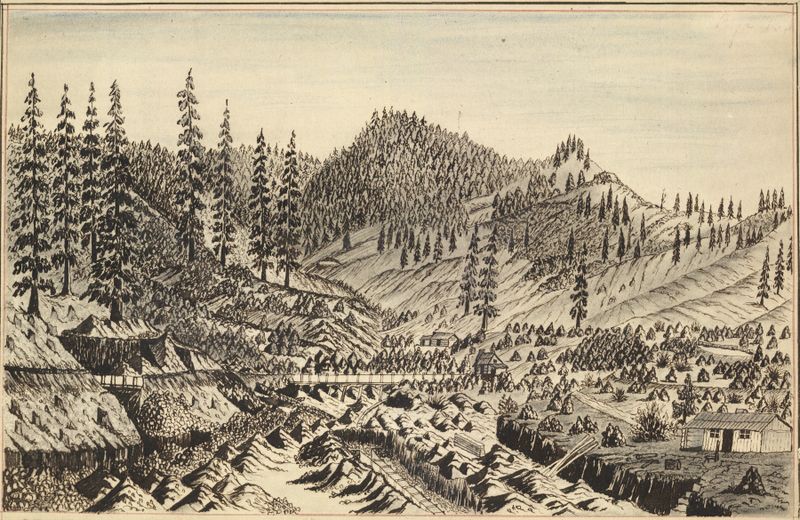
View of the mine at Long Gulch
Daniel A. Jenks
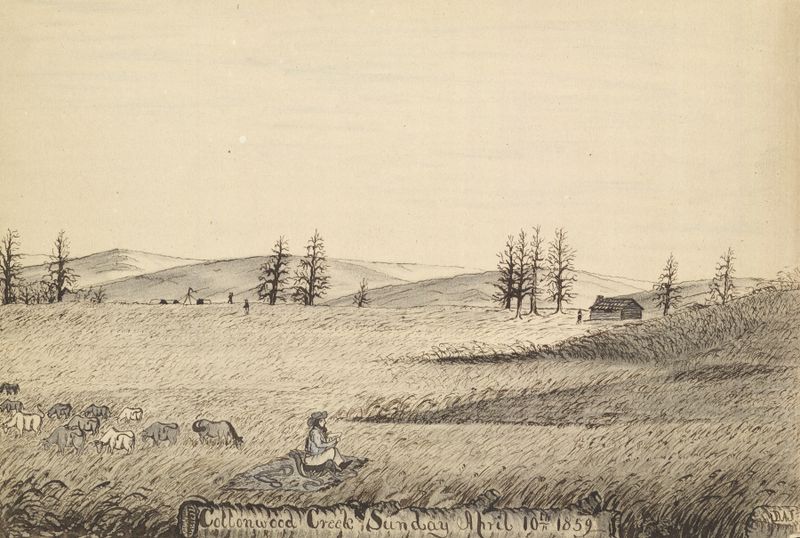
Cottonwood Creek, Sunday April 10th 1859
Daniel A. Jenks
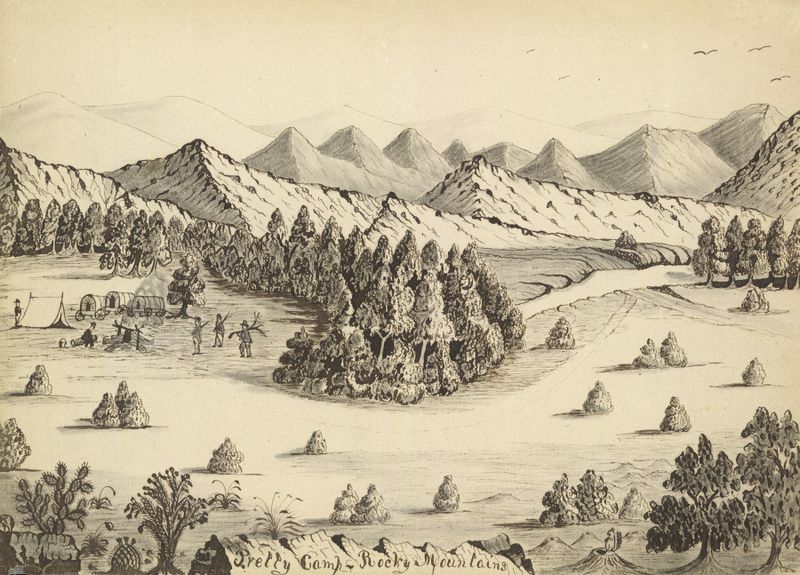
Pretty camp – Rocky Mountains
Daniel A. Jenks
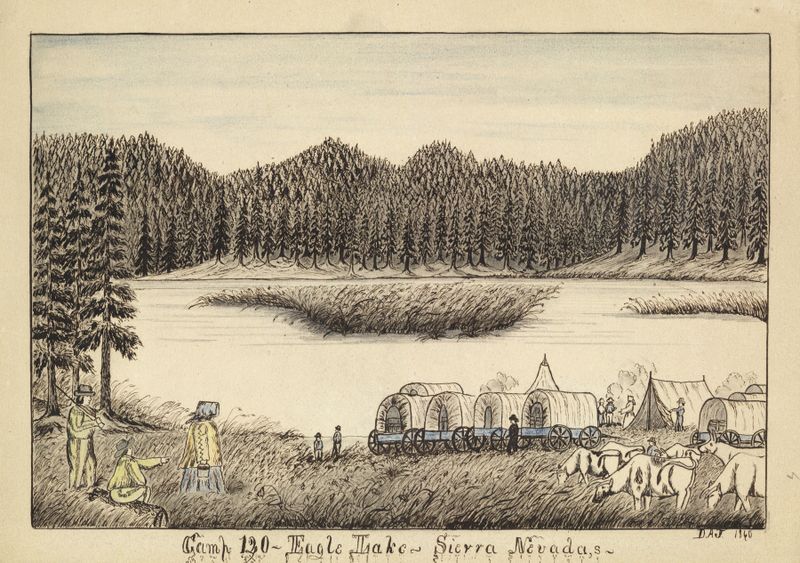
Camp 120, Eagle Lake, Sierra Nevadas
Daniel A. Jenks

Chavis Creek, camp 14th
Daniel A. Jenks
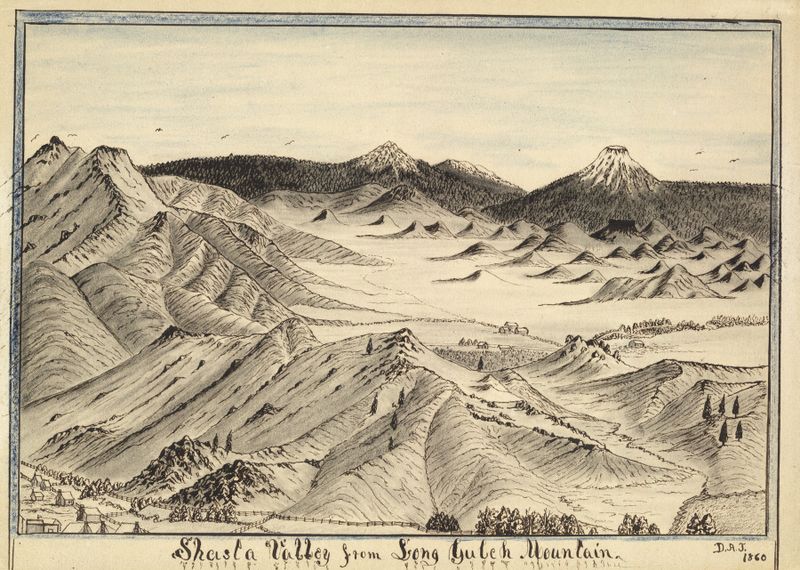
Shasta Valley from Long Gulch Mountain
Daniel A. Jenks
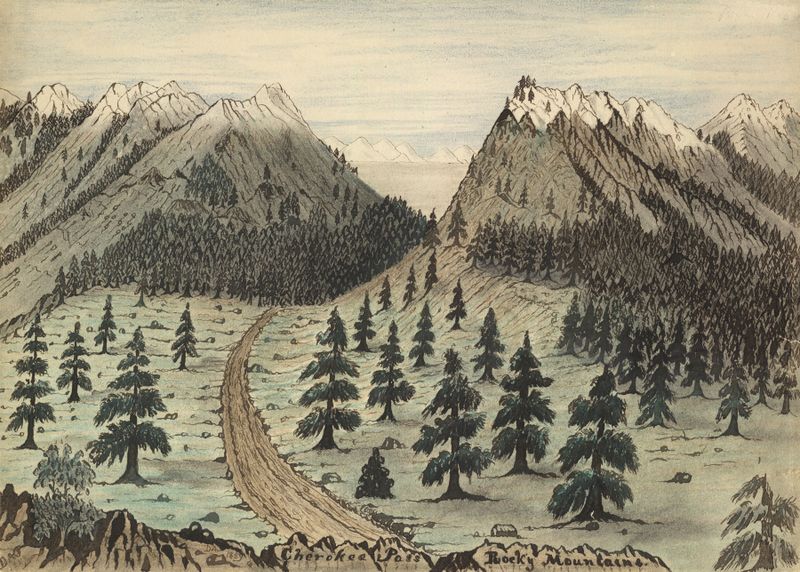
Cherokee Pass, Rocky Mountains
Daniel A. Jenks
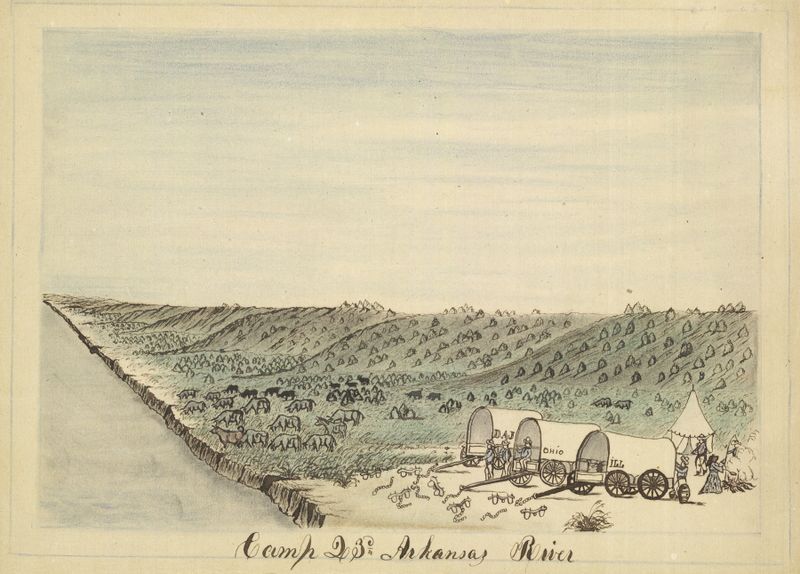
Camp 23rd Arkansas River
Daniel A. Jenks
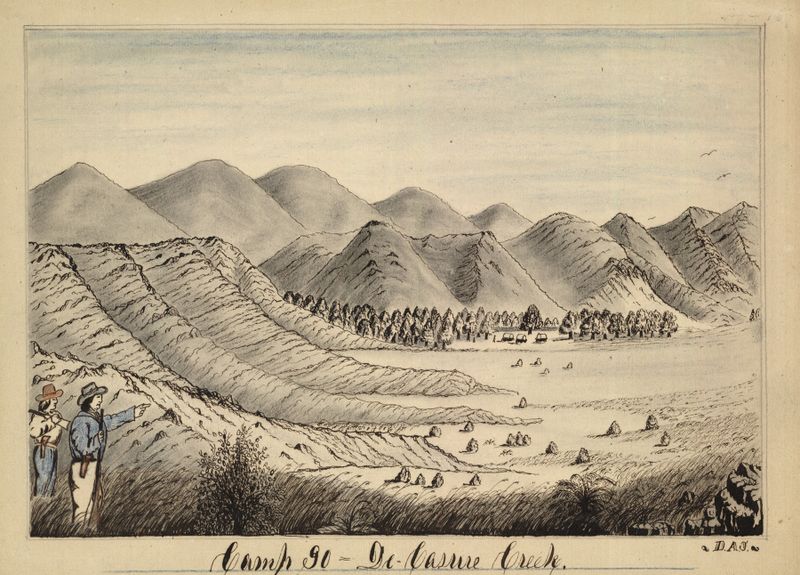
Camp 90, De Casure Creek
Daniel A. Jenks

Humbolt River Valley
Daniel A. Jenks





