
Bergbauernhof — History & Facts
Can beauty exist without sorrow? In the depths of the rural landscape, where fields oscillate between lush green and muted earth tones, the balance between joy and hardship unfolds in a delicate dance. Look to the left at the modest farmhouse, its warm hues a stark contrast to the cool blues of the sky. The house, framed by the rolling hills, brings a sense of harmony, yet the weathered stones hint at tales of labor and resilience. Notice how the light plays across the fields, illuminating patches of crops that bloom with potential but are shadowed by the looming clouds.
Each brushstroke evokes the toil embedded in this pastoral paradise, a testament to the partnership between nature and human endeavor. The artwork conveys hidden tensions through its juxtaposition of serenity and struggle. The distant mountains stand tall, symbolizing obstacles, while the foreground blooms with the beauty of life. The figures, though dwarfed by their surroundings, embody the spirit of determination — they labor amidst nature's grandeur, yet their small presence emphasizes the fragility of existence.
This duality of hope and hardship invites the viewer to reflect on their own experiences of balance in life. In 1920, Oskar Mulley was immersed in the vibrant community of Vienna, a city where modernism flourished against a backdrop of post-war recovery. This period influenced his work, as artists sought new ways to portray the complexities of life. Capturing a rural scene during such transformative times, Mulley’s Bergbauernhof reflects a yearning for stability, resonating with the universal quest for harmony amid the chaos of the world.
More Artworks by Oskar Mulley
Browse all →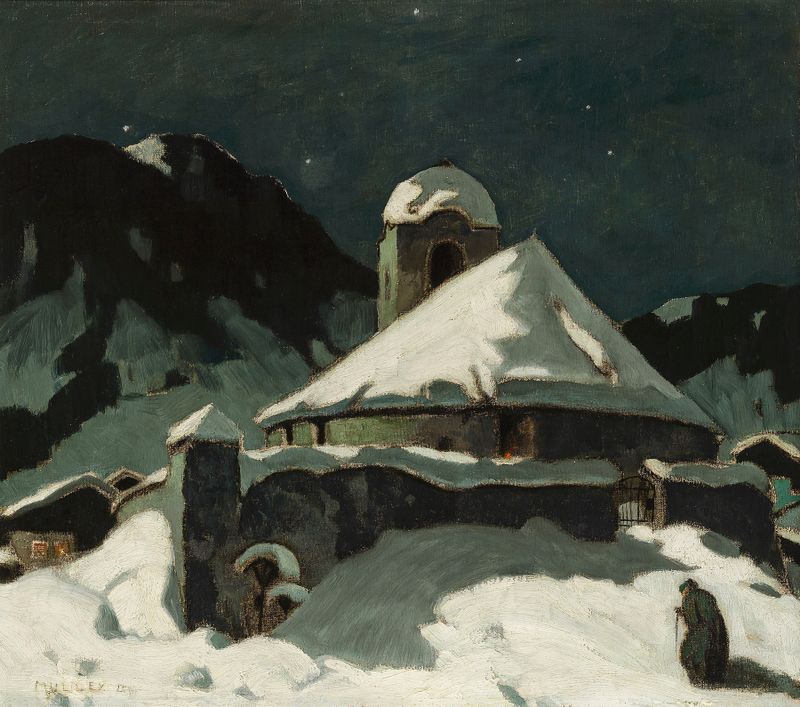
Winternacht im Bergdorf
Oskar Mulley
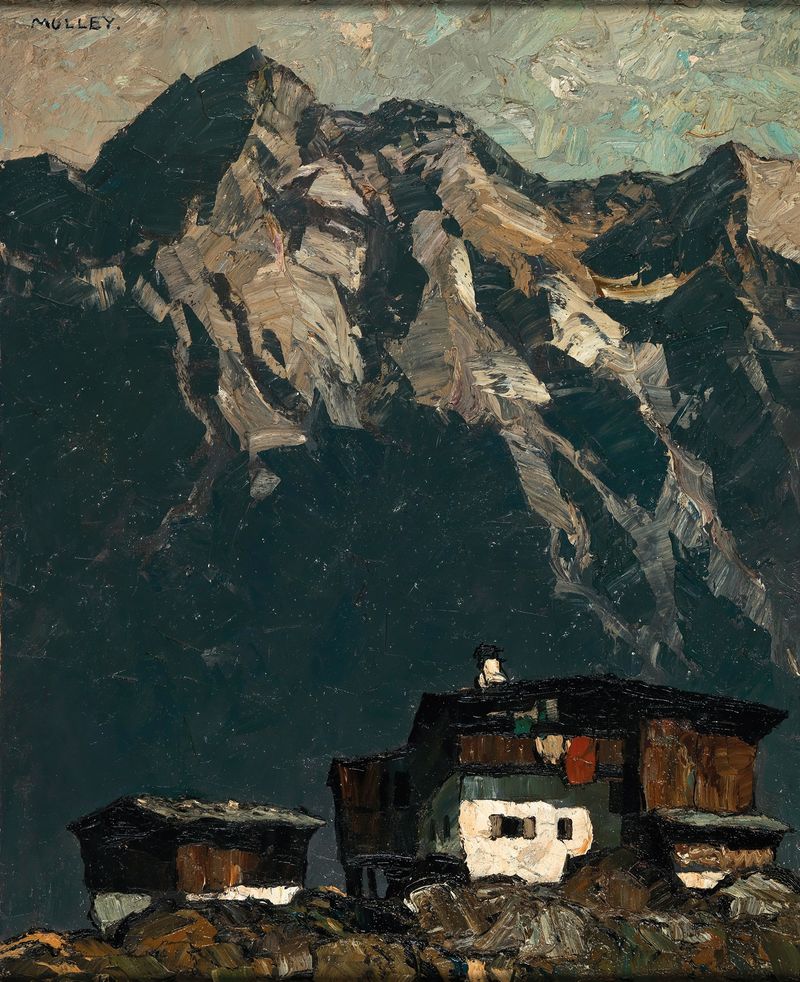
Bauernhof im Hochgebirge
Oskar Mulley
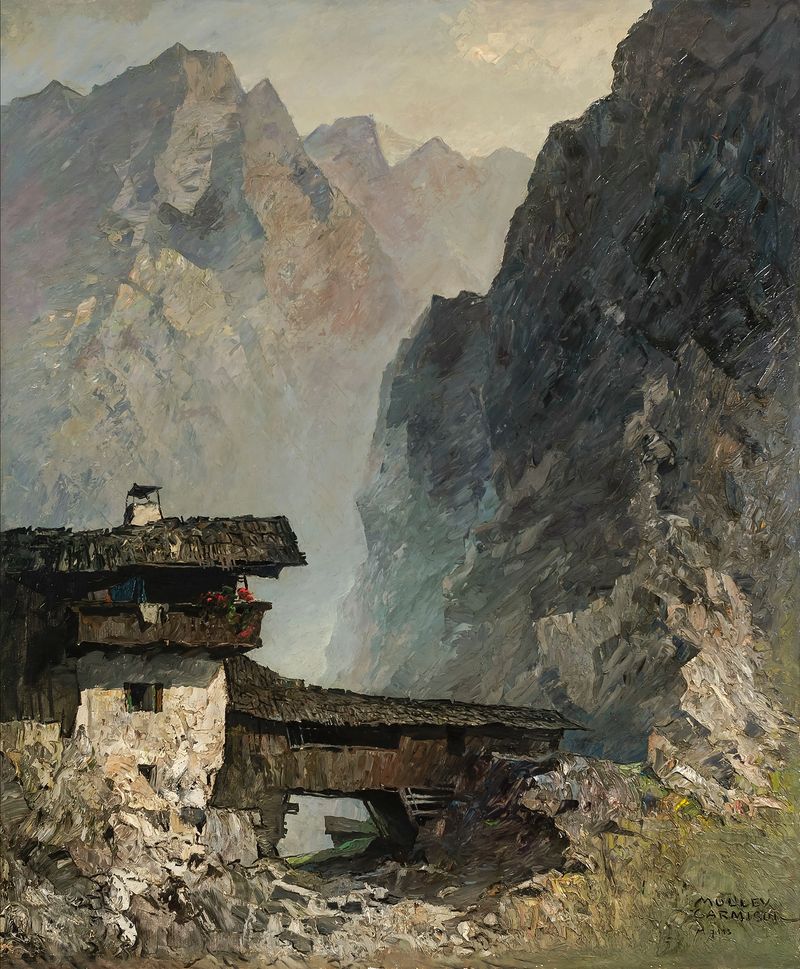
Im Hochtal
Oskar Mulley
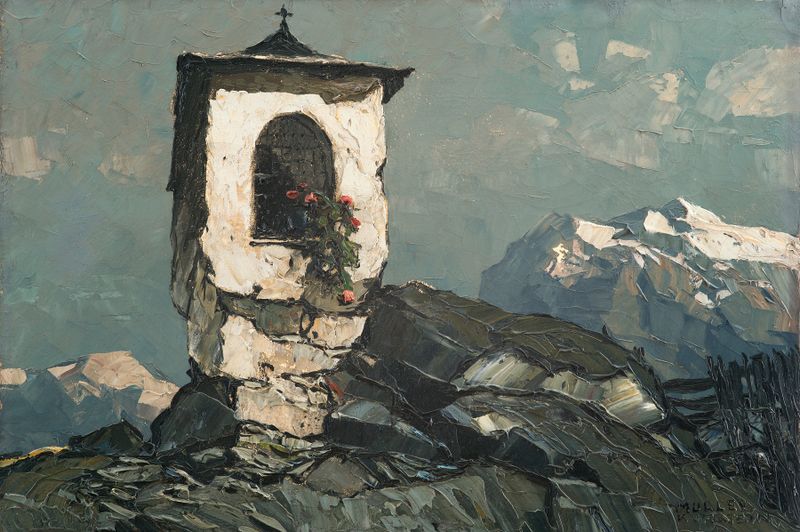
Materl im Hochgebirge
Oskar Mulley
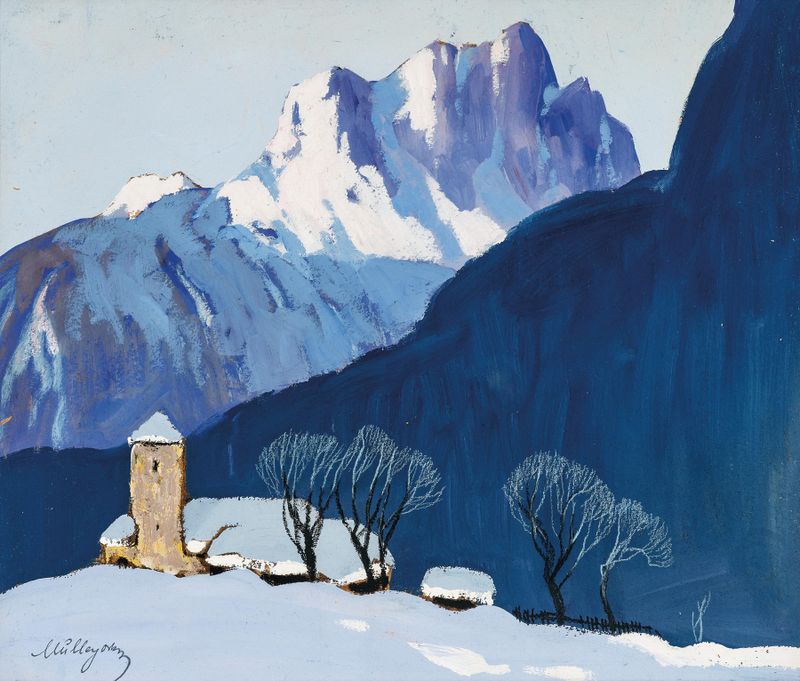
Winterlandschaft vor Bergkulisse
Oskar Mulley
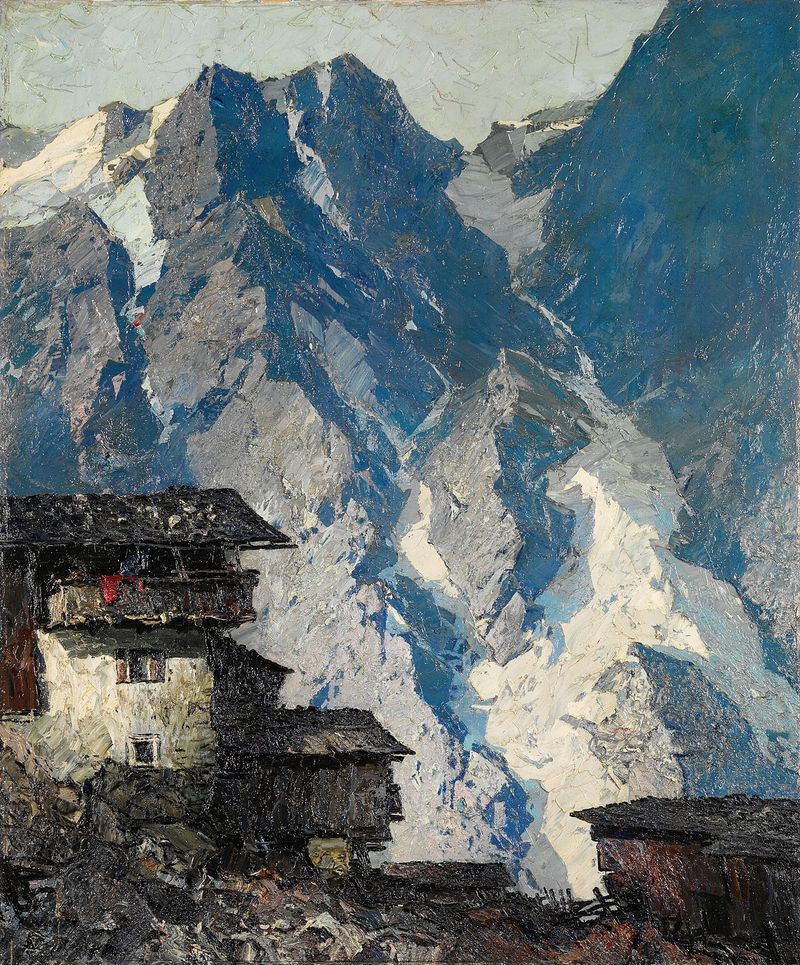
Berghof vor Gletscherlandschaft
Oskar Mulley
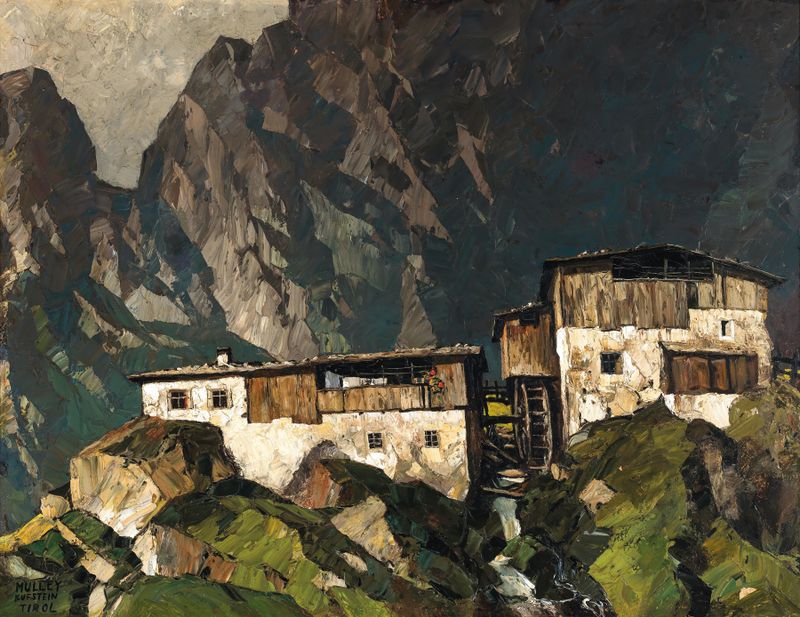
Farmhouse with mill
Oskar Mulley
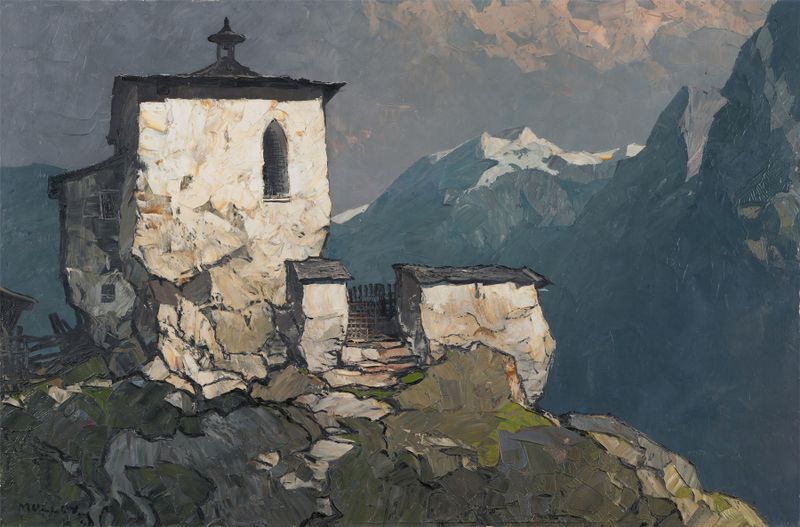
Bergkapelle
Oskar Mulley
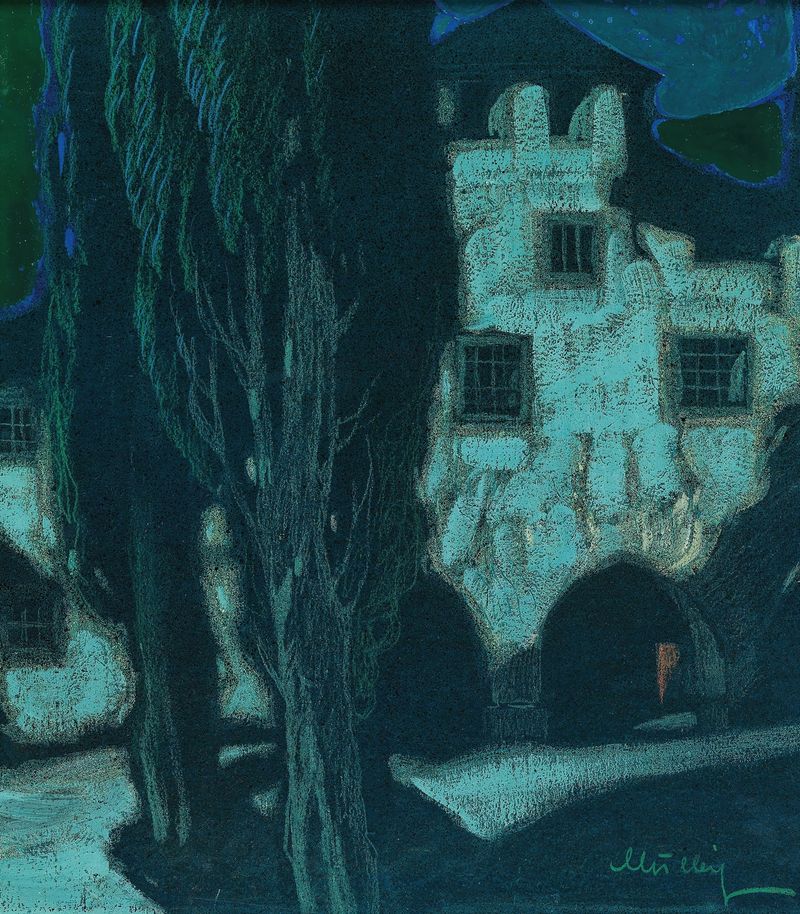
Mondnacht
Oskar Mulley
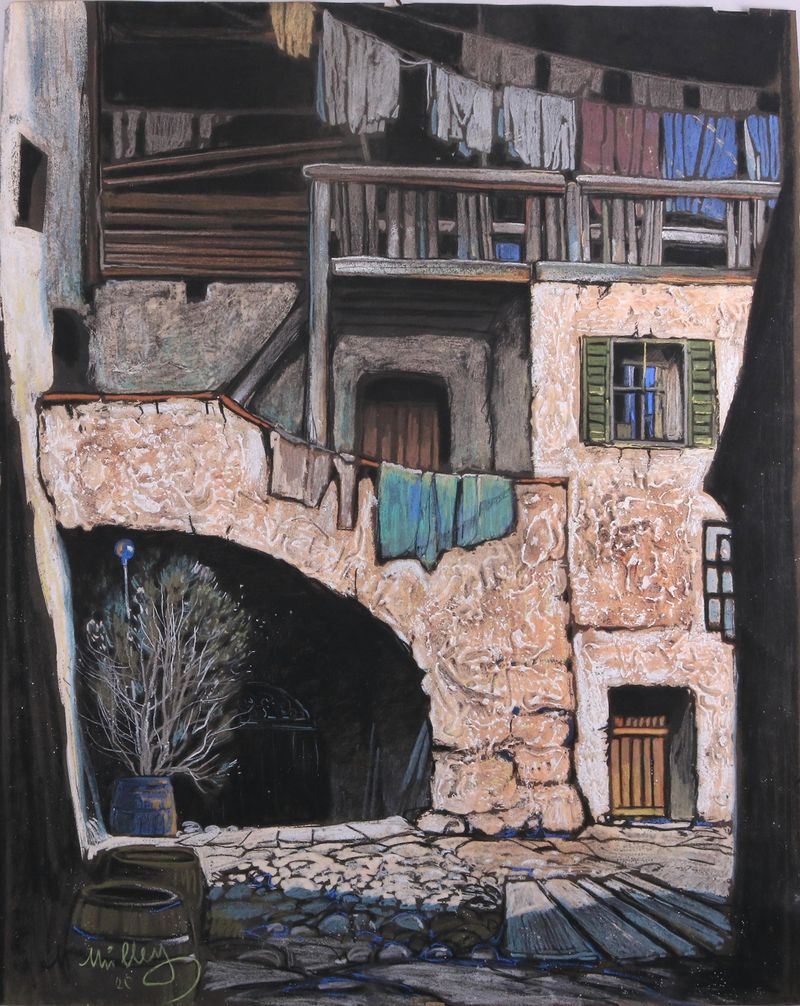
Innenhof
Oskar Mulley





