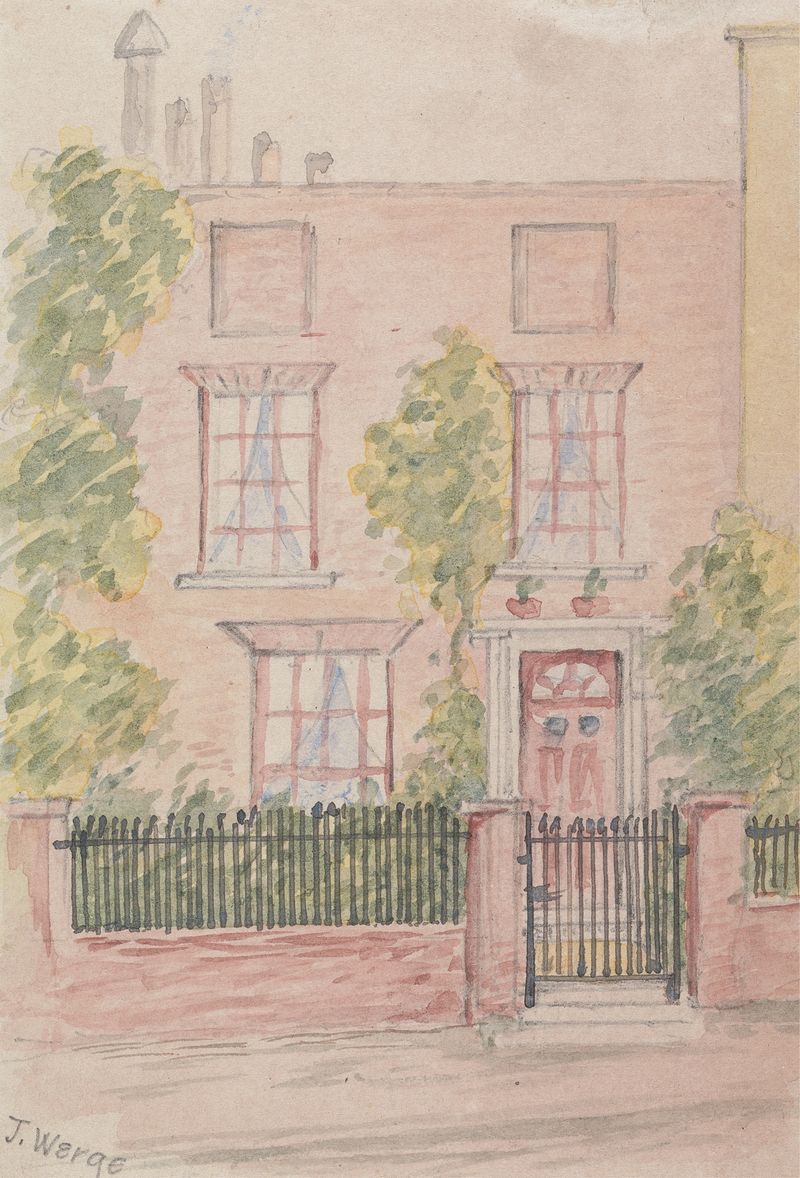
Innenhof — History & Facts
Where does light end, and longing begin? This question echoes through the quiet corners of Oskar Mulley’s Innenhof, a work that invites us to wander through a dreamscape suspended between reality and imagination. First, look to the center of the canvas, where a soft interplay of muted colors guides your gaze. The ochre walls, kissed by the gentle glow of sunlight, create a warm embrace that cradles the empty courtyard. Shadows dance along the cobblestones, hinting at both the passage of time and the absence of presence.
Each brushstroke is intentional, blending abstract forms with tantalizing hints of architectural detail, evoking a sense of nostalgia and reverie. As you explore deeper, notice how the stark contrast between light and shadow mirrors the emotional tensions of solitude and yearning. The empty space, devoid of human figures, speaks volumes — it suggests a longing for connection. The interplay of the natural light filtering through the unseen spaces evokes a sense of hope amidst the stillness, inviting viewers to reflect on their own desires for belonging and intimacy.
Here lies a sanctuary within the mundane, where dreams linger just out of reach. Created in 1920, Innenhof reflects a pivotal moment in Oskar Mulley’s artistic journey. After World War I, the world was rife with displacement and a search for meaning. Working in Germany during this transformative period, Mulley sought to capture the essence of spaces left behind, blending realism with idealism.
His exploration of light and emotion in this piece marks a significant evolution in his style, pushing boundaries beyond mere representation into the realm of the metaphysical.
More Artworks by Oskar Mulley
Browse all →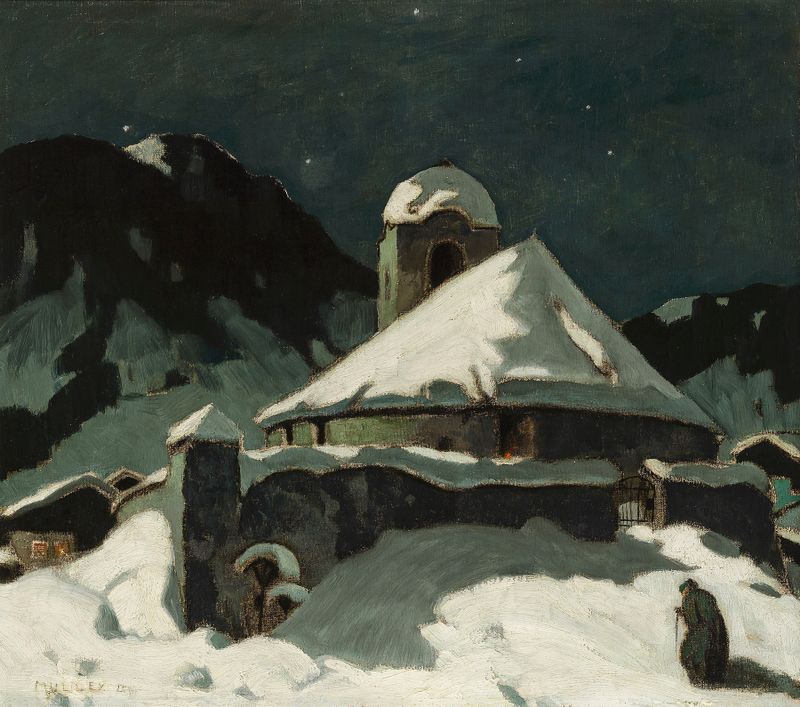
Winternacht im Bergdorf
Oskar Mulley
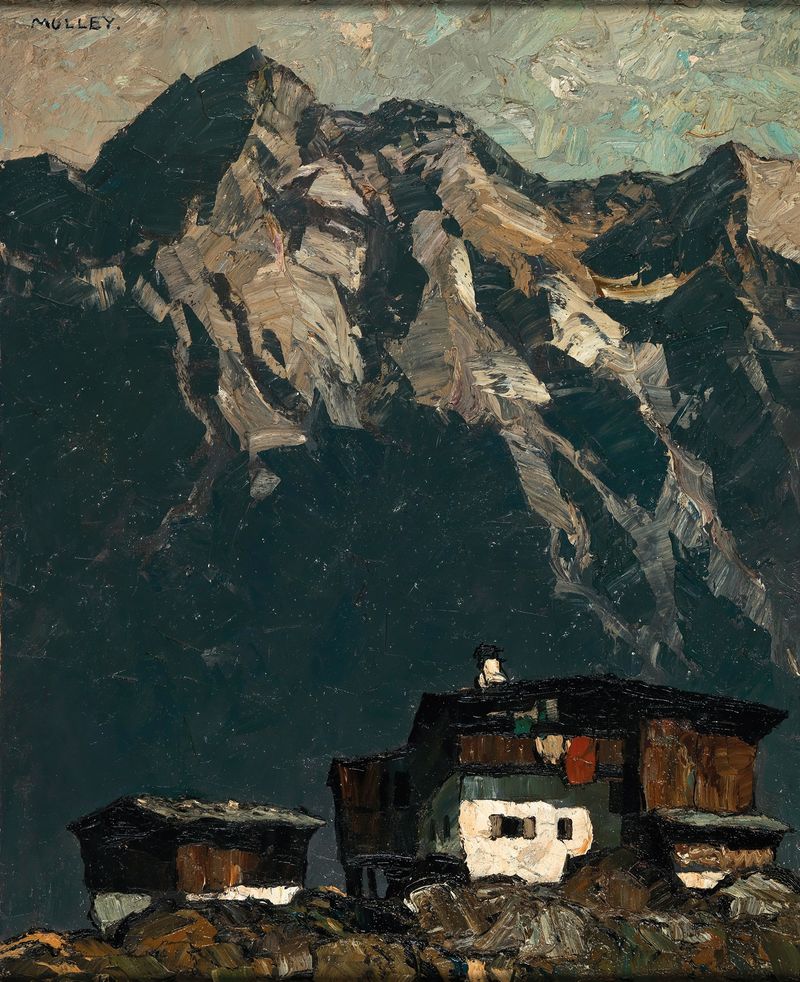
Bauernhof im Hochgebirge
Oskar Mulley
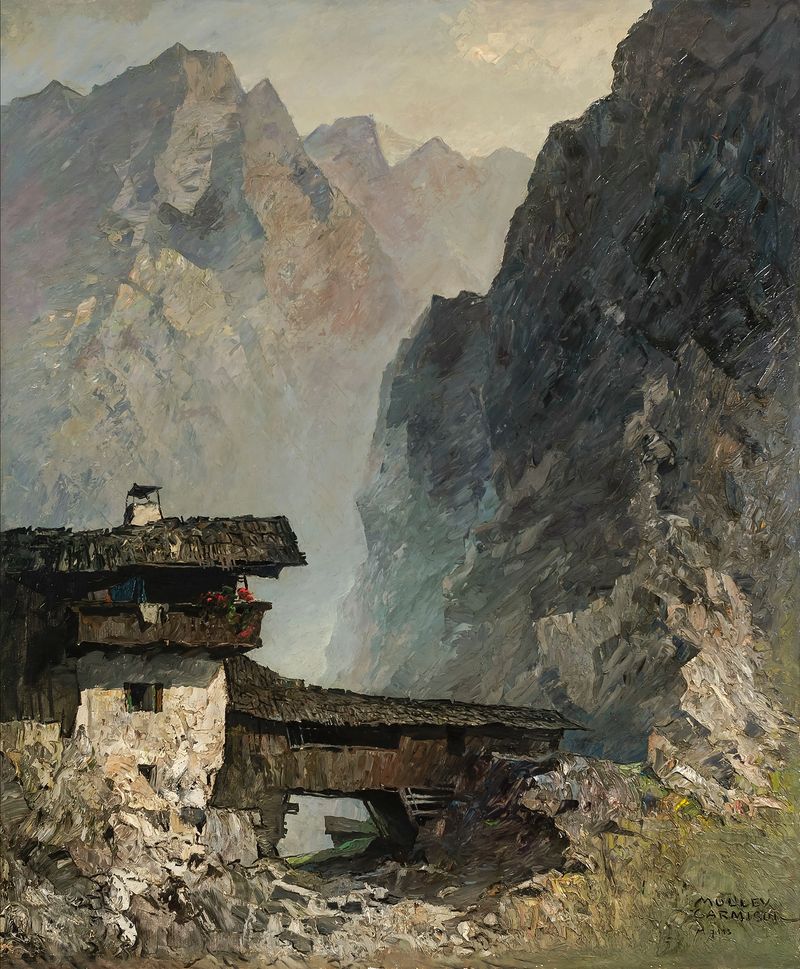
Im Hochtal
Oskar Mulley
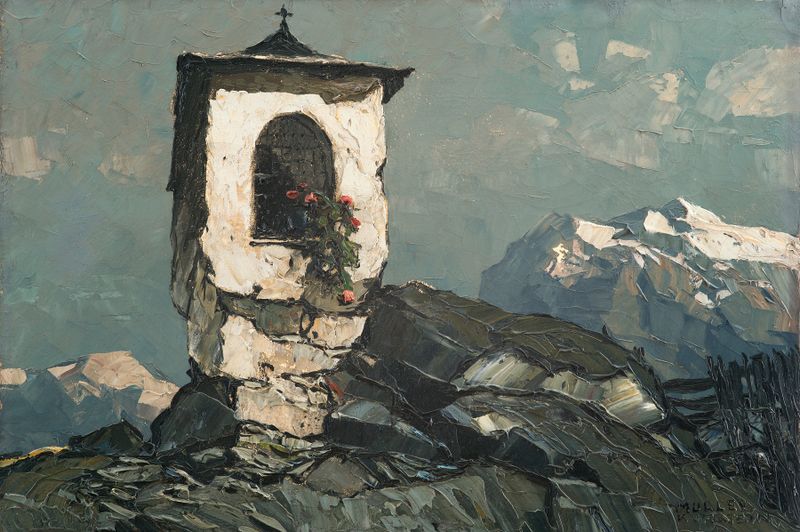
Materl im Hochgebirge
Oskar Mulley
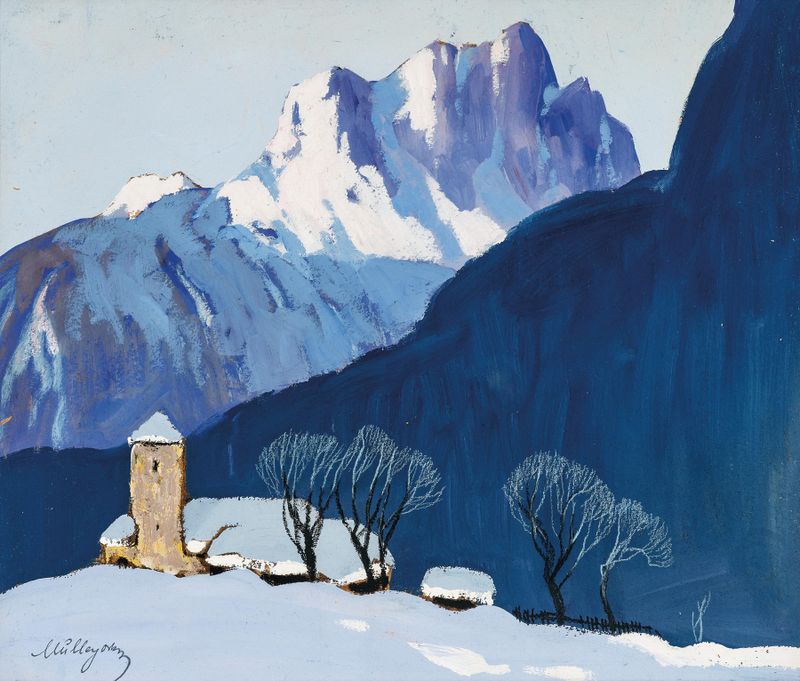
Winterlandschaft vor Bergkulisse
Oskar Mulley
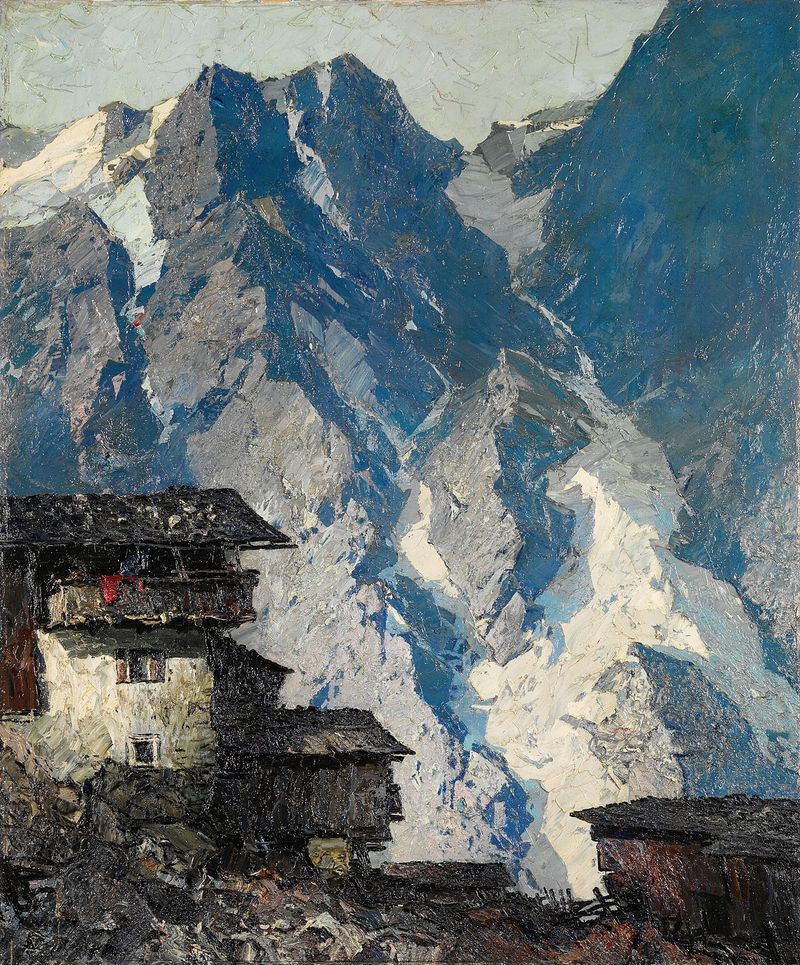
Berghof vor Gletscherlandschaft
Oskar Mulley
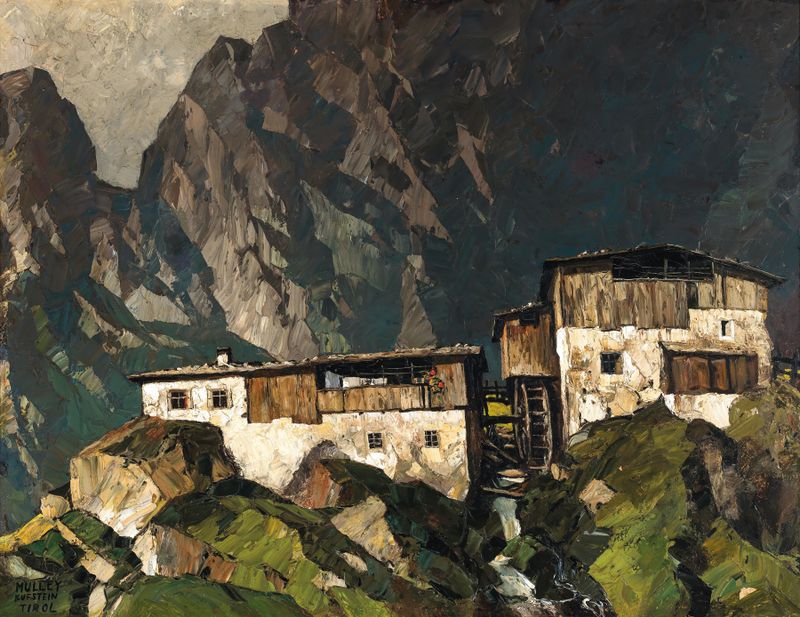
Farmhouse with mill
Oskar Mulley
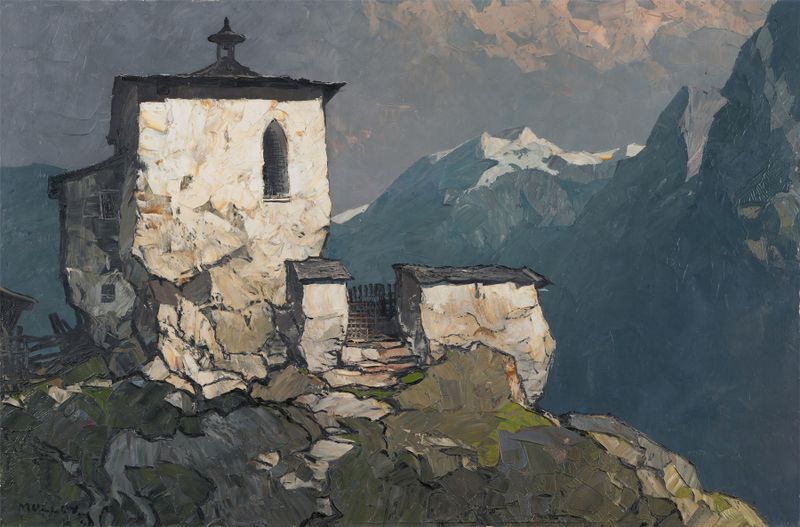
Bergkapelle
Oskar Mulley
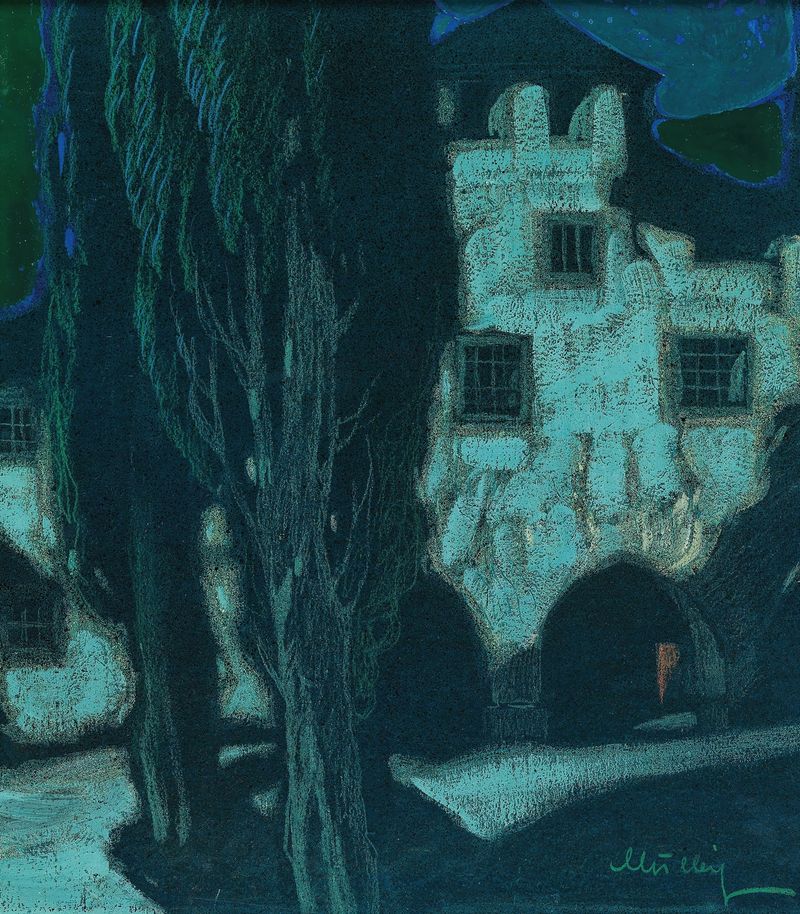
Mondnacht
Oskar Mulley
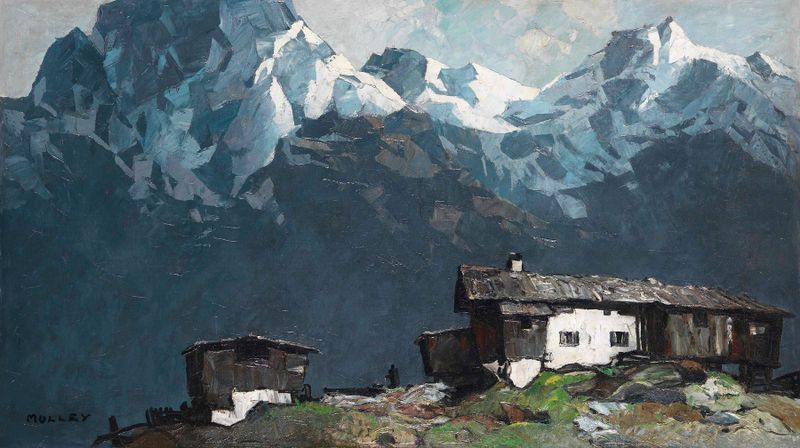
Bergbauernhof
Oskar Mulley