Winternacht im Bergdorf — History & Facts
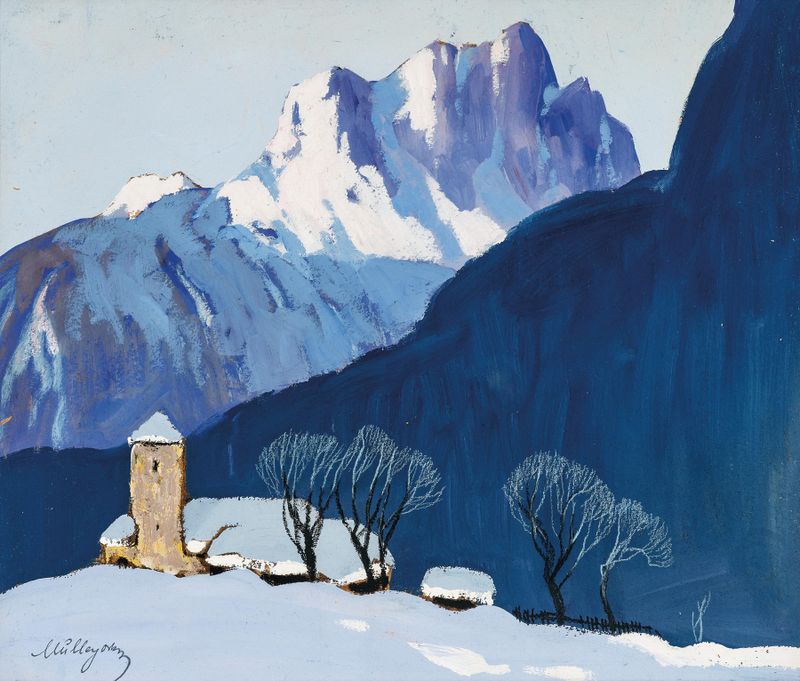
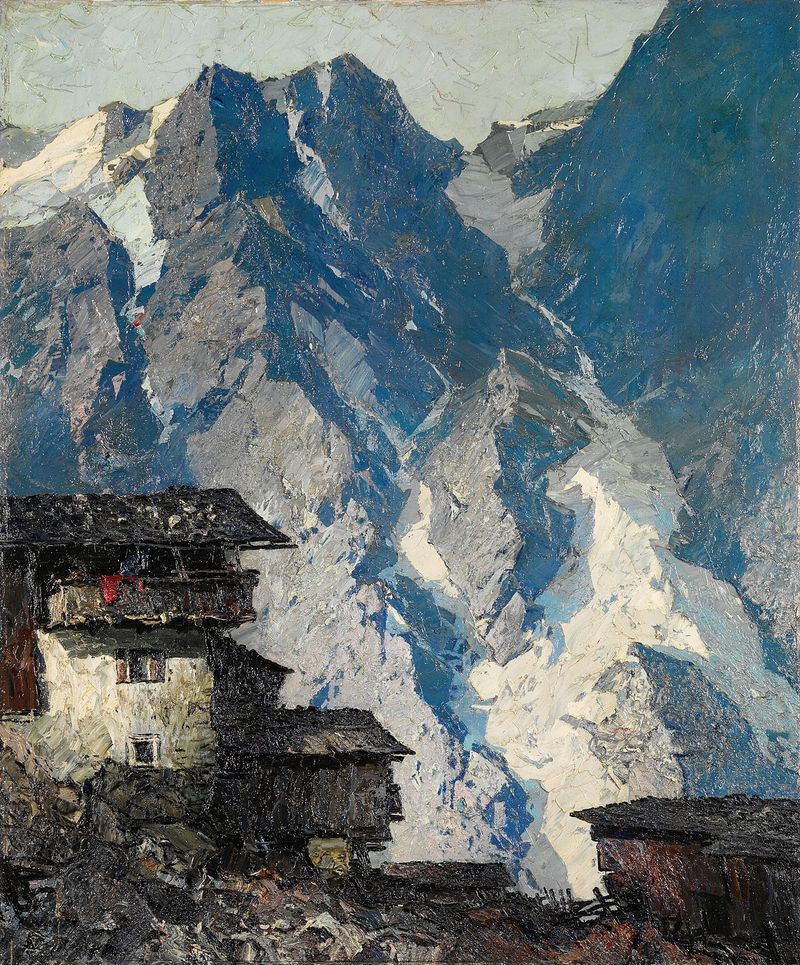
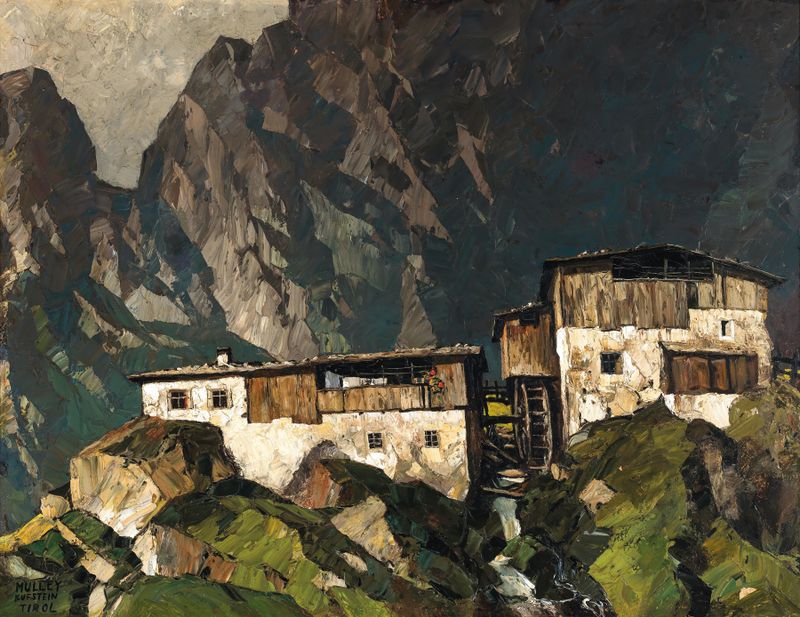
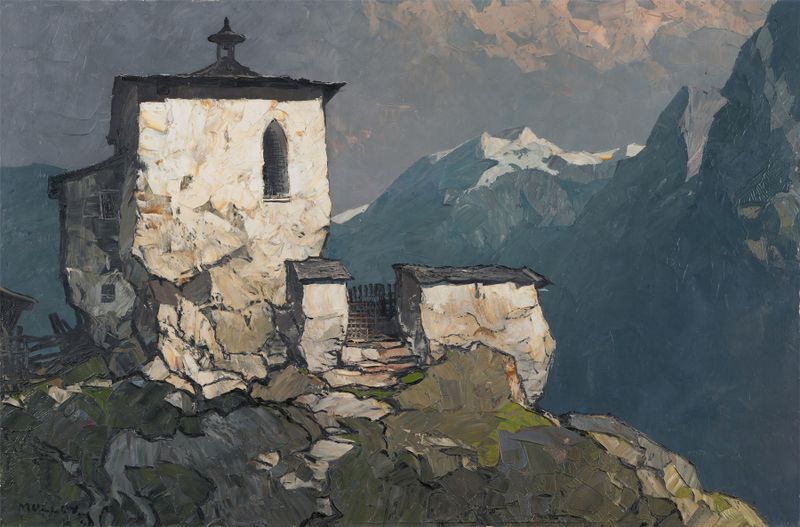
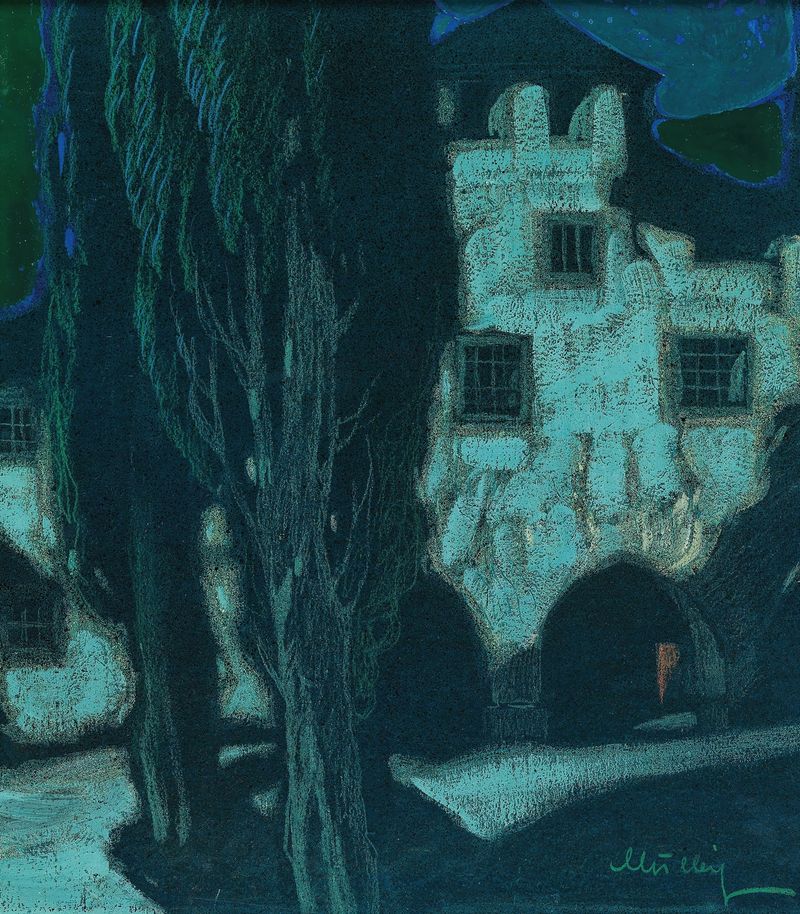
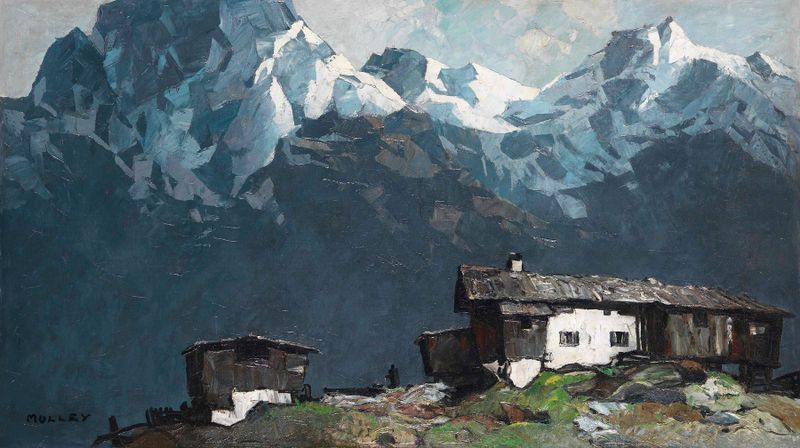
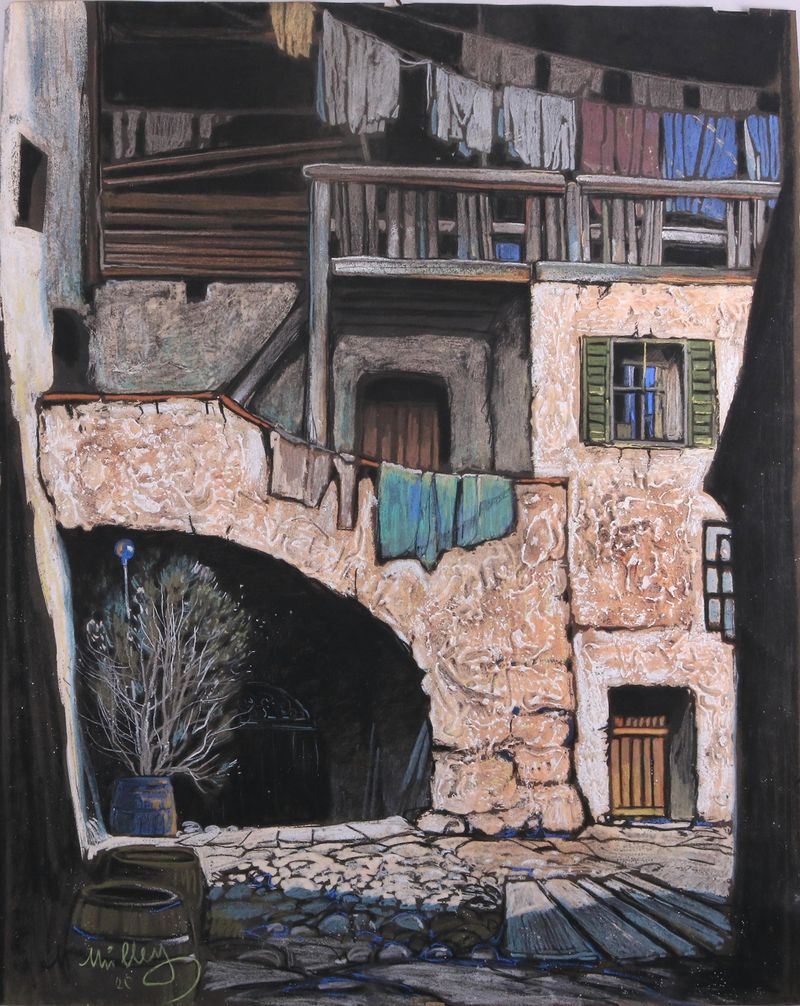
What secret hides in the quiet of the canvas? A moment suspended in time, Winternacht im Bergdorf invites viewers to explore the depths of memory and the gentle embrace of nostalgia. Look to the upper left, where soft snowflakes descend, each one a delicate whisper of winter's breath. The village is nestled below a blanket of white, illuminated by silvery moonlight that casts long shadows across the rooftops. Notice how the muted palette of blues and grays unifies the scene, while hints of warm amber from the windows suggest life within, creating a contrast that pulls the viewer deeper into the heart of the village. Beneath the tranquil surface, the painting harbors emotional tensions that speak to solitude and connection.
The stillness contrasts with the flickering light in the windows, hinting at unseen stories and lives intertwined. Each element—snow, shadows, and light—evokes a longing for warmth and companionship, revealing the dichotomy of isolation in a tightly-knit community. This interplay of absence and presence captures the fragility of memory, urging us to reflect on our own pasts. Oskar Mulley painted Winternacht im Bergdorf in 1925, during a turbulent time in Europe following World War I.
Living in Germany, he sought solace in the natural beauty surrounding him, finding inspiration in the simple yet profound moments of rural life. This era marked a shift in the art world, where artists began to explore themes of introspection and emotional resonance, and Mulley's work embodies that transition with its haunting yet serene depiction of winter life.