
Mondnacht — History & Facts
In the delicate balance of rebirth and sorrow, art reveals the intricate tapestry of human experience. Look to the gentle hues that blend seamlessly into one another, where deep blues mingle with soft golds and silvers. The ethereal quality of the light creates a dreamlike atmosphere, inviting you to linger in its embrace. Notice how the flowing lines of the composition guide your gaze, tracing pathways that evoke both longing and hope.
Each stroke seems to pulsate with life, reflecting the delicate interplay between reality and the ethereal. In the center, a figure emerges, embodying a sense of transformation—a soul caught between the shadows of the past and the promise of the future. The contrasting elements of darkness and light within the painting evoke an emotional tension, suggesting that rebirth often carries traces of former pain. The gentle curvature of the lines evokes a sense of harmony, yet the underlying chaos hints at the struggles inherent in embracing change.
This duality whispers of the cycles of life, reminding us that beauty often arises from our deepest wounds. Created in the serene landscape of Südtirol Überetsch, Mondnacht was painted during a period of introspection for Oskar Mulley in the early 20th century. At a time when the world was grappling with the aftermath of war, artists sought solace in the emotional realms of their work. Mulley, influenced by the Symbolist movement, crafted this piece as an exploration of the human soul's capacity for renewal amidst the trials of existence, a poignant reflection of his own journey through despair and hope.
More Artworks by Oskar Mulley
Browse all →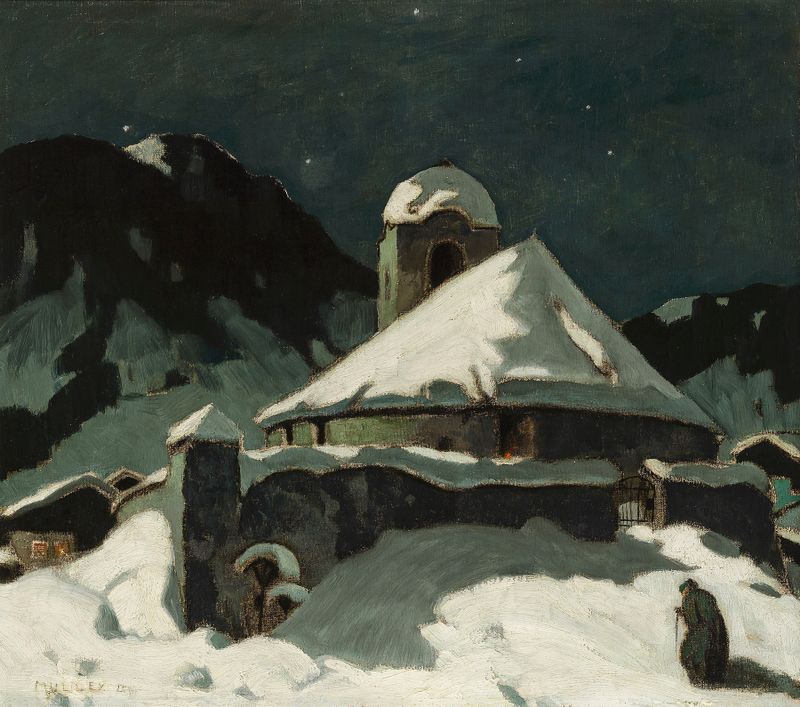
Winternacht im Bergdorf
Oskar Mulley
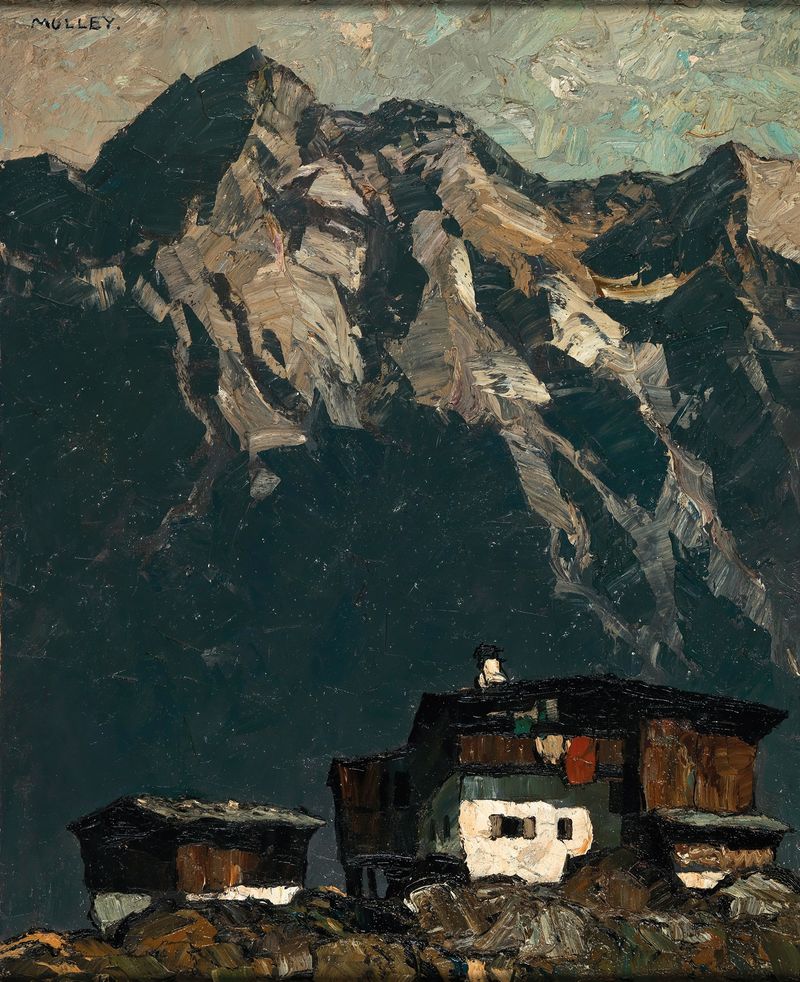
Bauernhof im Hochgebirge
Oskar Mulley
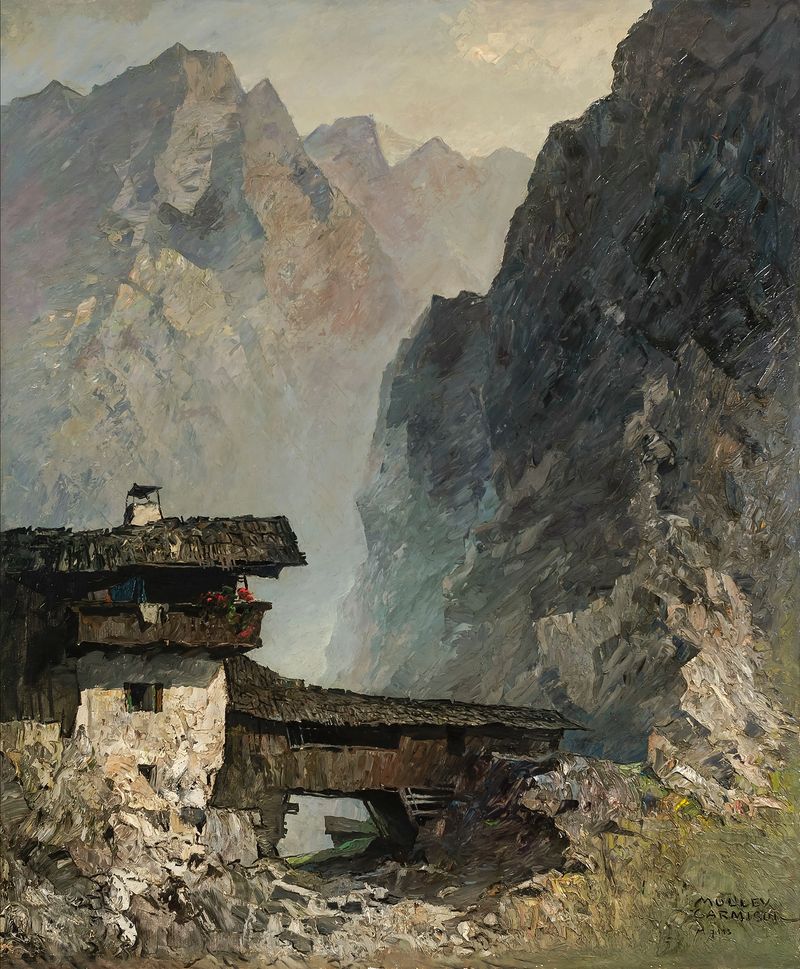
Im Hochtal
Oskar Mulley
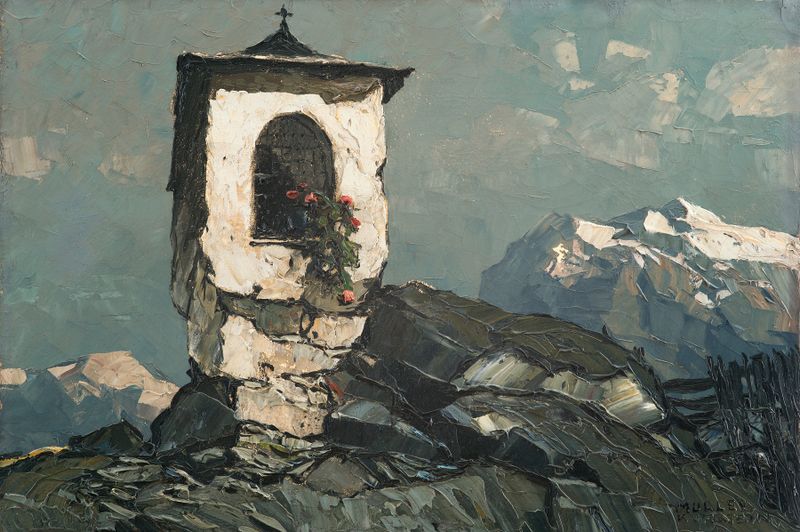
Materl im Hochgebirge
Oskar Mulley
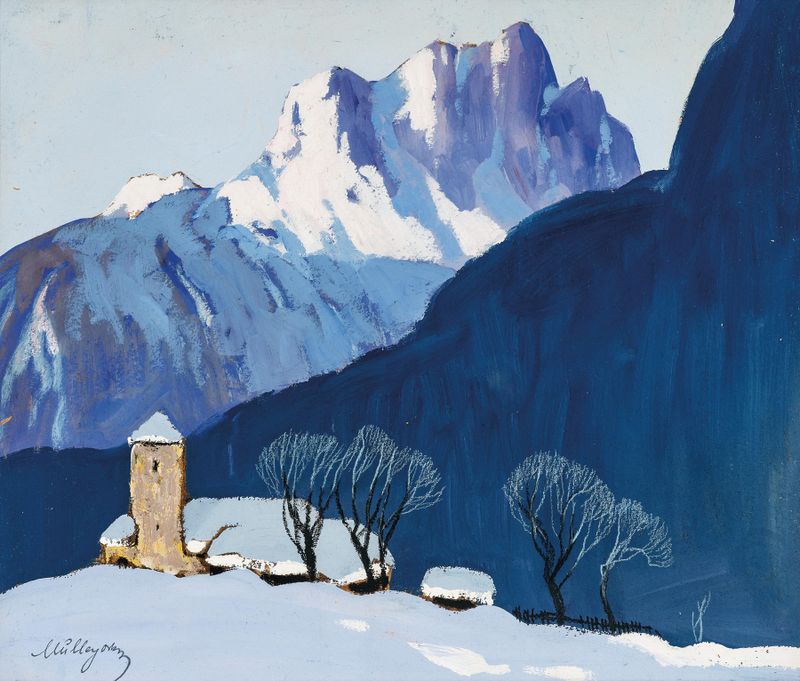
Winterlandschaft vor Bergkulisse
Oskar Mulley
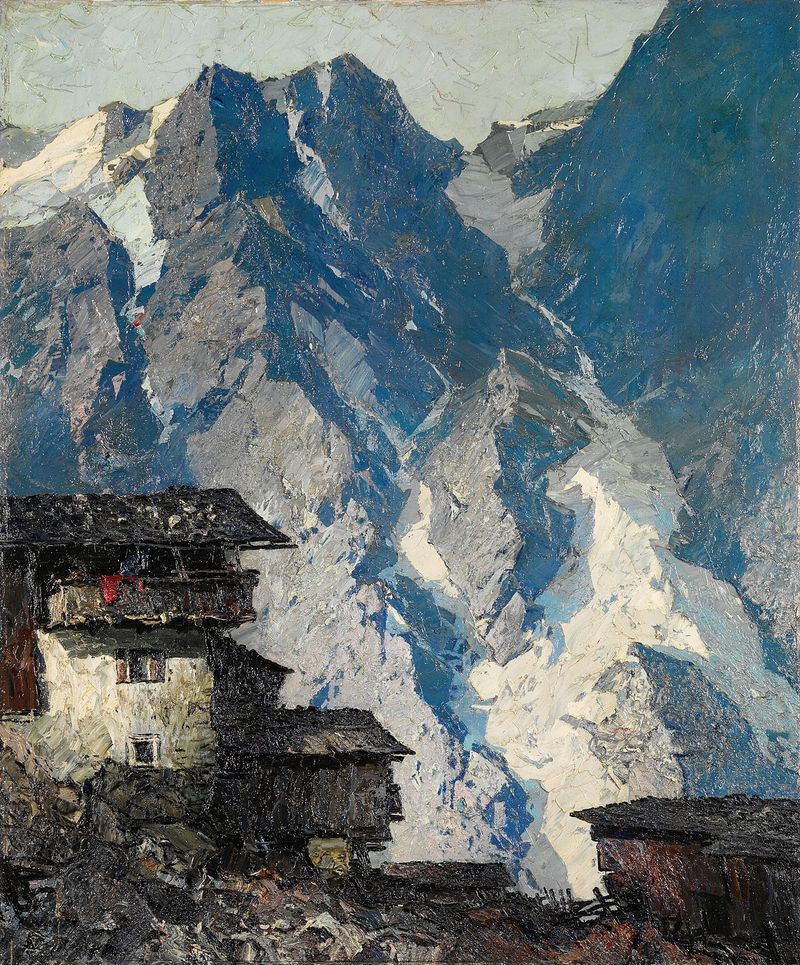
Berghof vor Gletscherlandschaft
Oskar Mulley
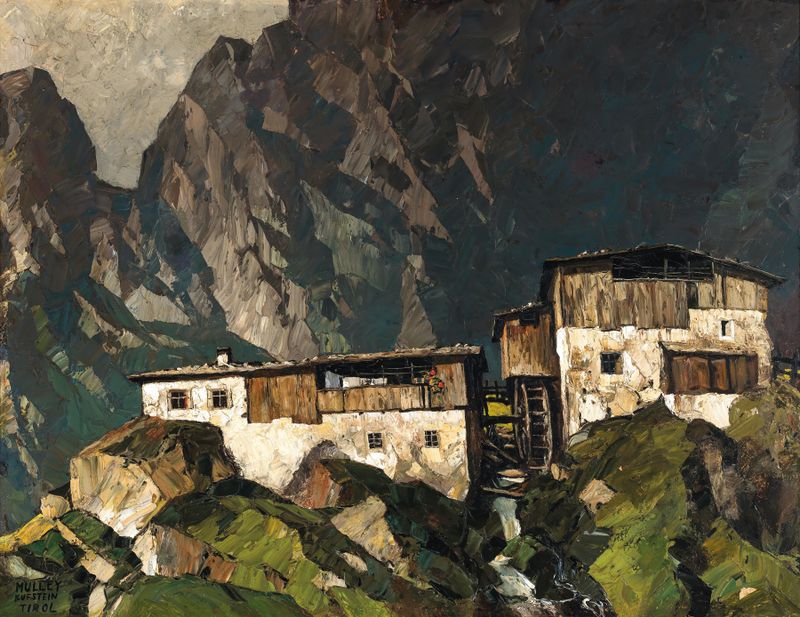
Farmhouse with mill
Oskar Mulley
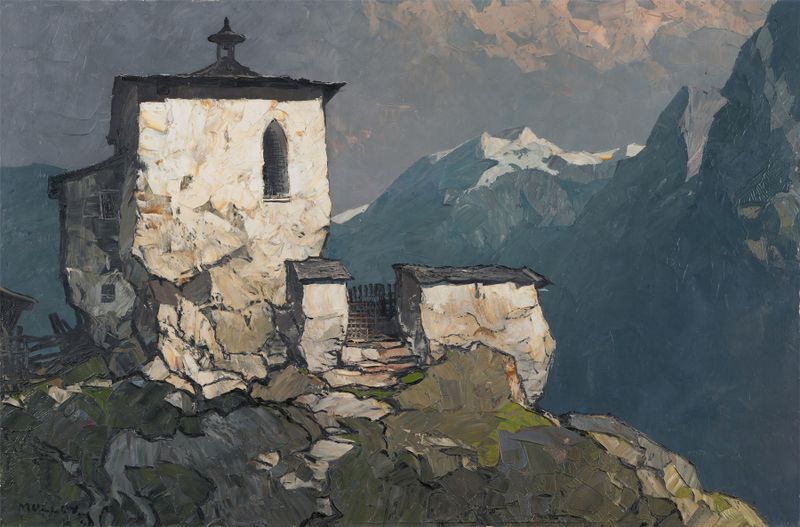
Bergkapelle
Oskar Mulley
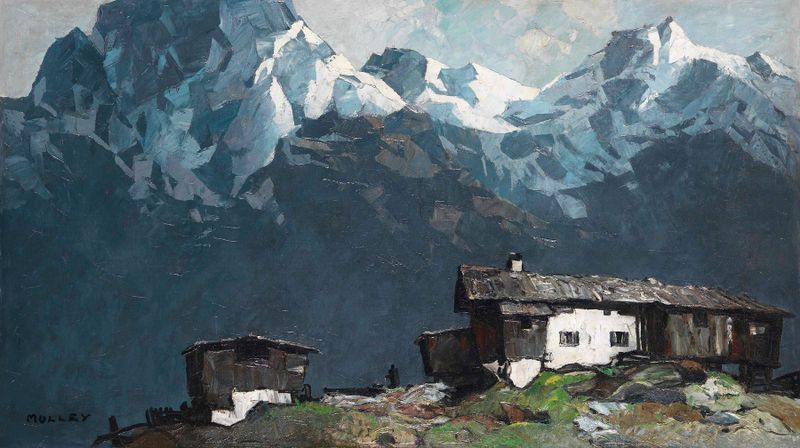
Bergbauernhof
Oskar Mulley
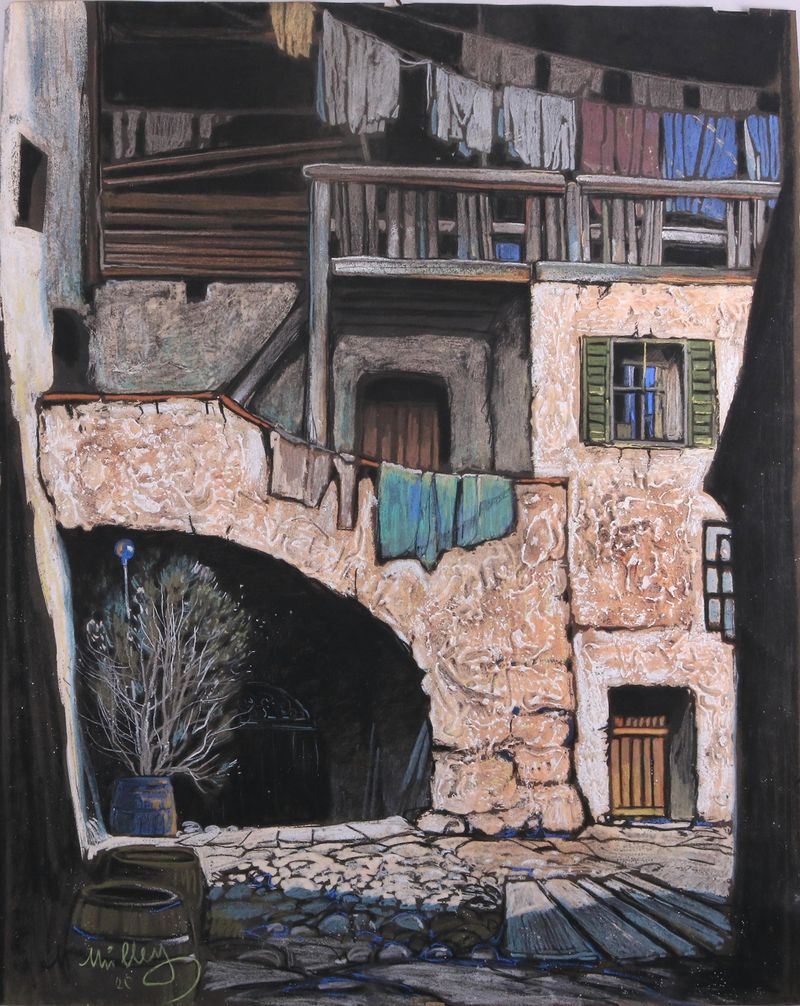
Innenhof
Oskar Mulley





