
Bergbauernhof — History & Facts
What if beauty was never meant to be finished? In a world often driven by the pursuit of perfection, the unrefined grace of Bergbauernhof invites us to embrace the beauty found in loss and imperfection. Look to the left at the rugged outlines of the farmhouse, its weathered wood blending with the somber earth tones of the surrounding landscape. Notice how the soft, diffused light caresses the structure, revealing the subtle textures of age and decay—each crack in the walls a testament to the passage of time. The muted greens and browns create a harmonious palette that grounds the scene, while the gentle brush strokes whisper of a love for both nature and humanity. As you delve deeper, the emotional weight becomes palpable.
The juxtaposition of the sturdy farmhouse against the encroaching wilderness hints at a fragile coexistence, a poignant reminder of the inevitable retreat of human presence from nature. The quiet solitude of the setting evokes a sense of nostalgia; it speaks of households once filled with laughter, now echoing only with memories, creating an intimate dialogue between absence and belonging. Oskar Mulley created Bergbauernhof during a period not precisely dated, yet the ambiance and style reflect early 20th-century sentiments toward rural life and the transformation of landscapes. At this time, many artists were exploring themes of identity and belonging, often reflecting on the changing social landscapes spurred by modernity.
Mulley’s work embodies an era grappling with the tension between progress and preservation, inviting viewers to reflect on what it means to lose while still finding beauty.
More Artworks by Oskar Mulley
Browse all →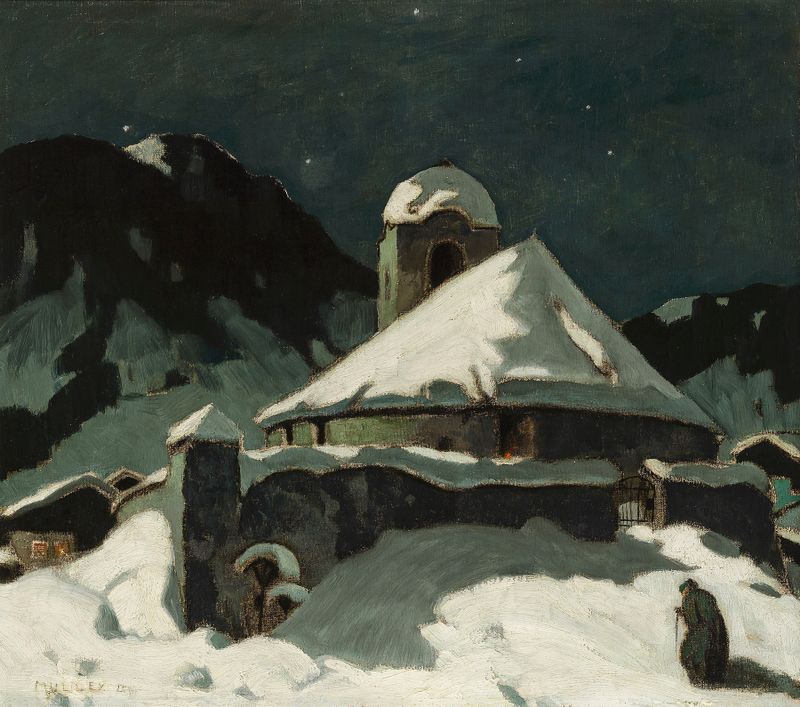
Winternacht im Bergdorf
Oskar Mulley
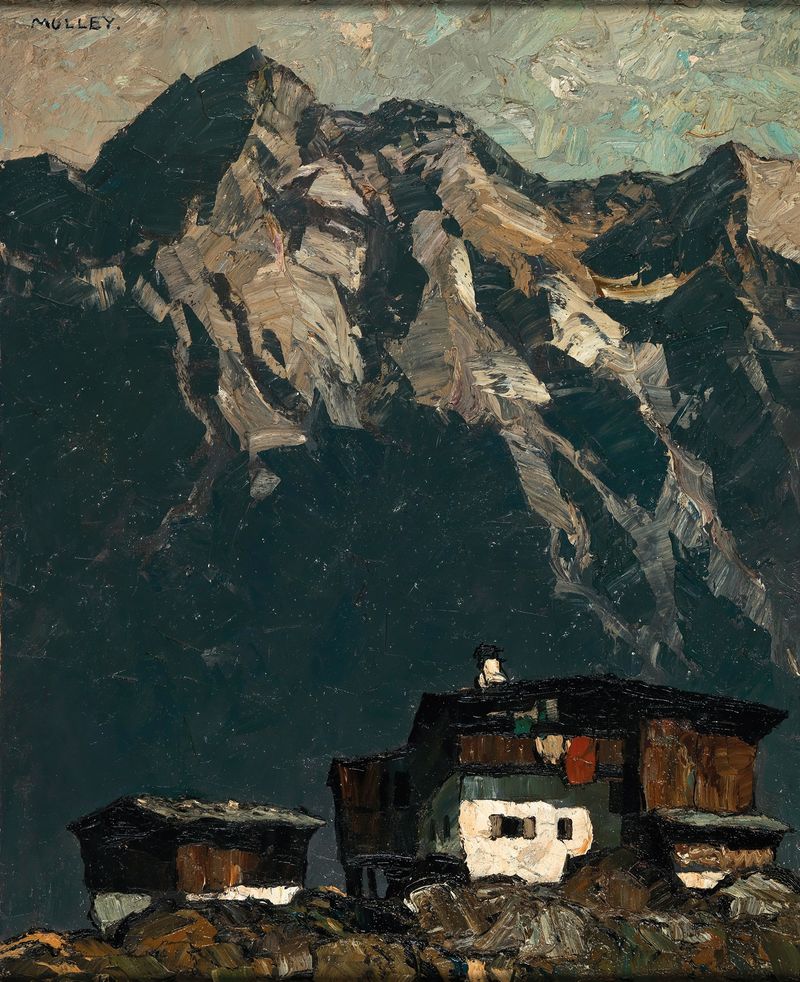
Bauernhof im Hochgebirge
Oskar Mulley
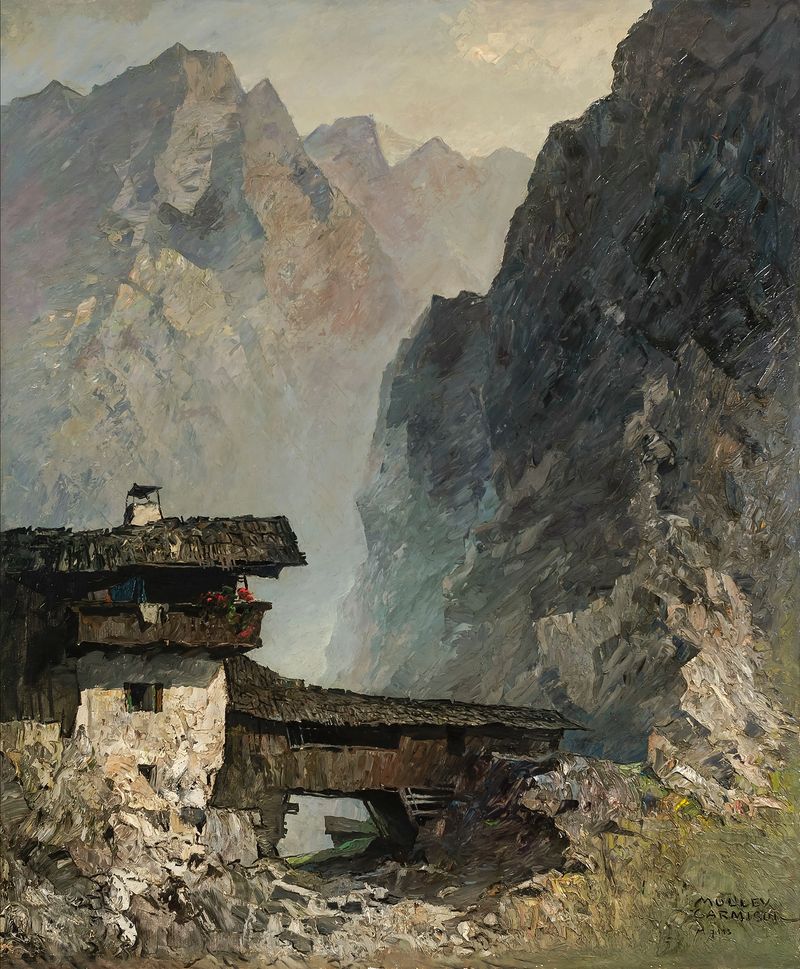
Im Hochtal
Oskar Mulley
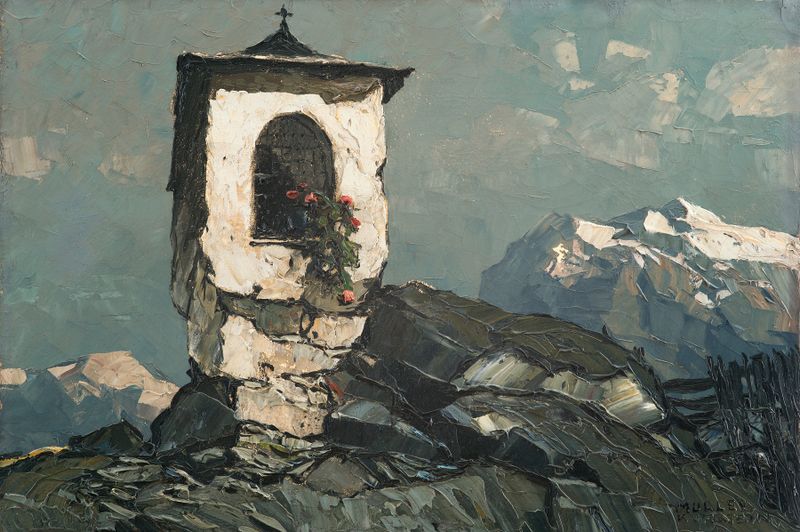
Materl im Hochgebirge
Oskar Mulley
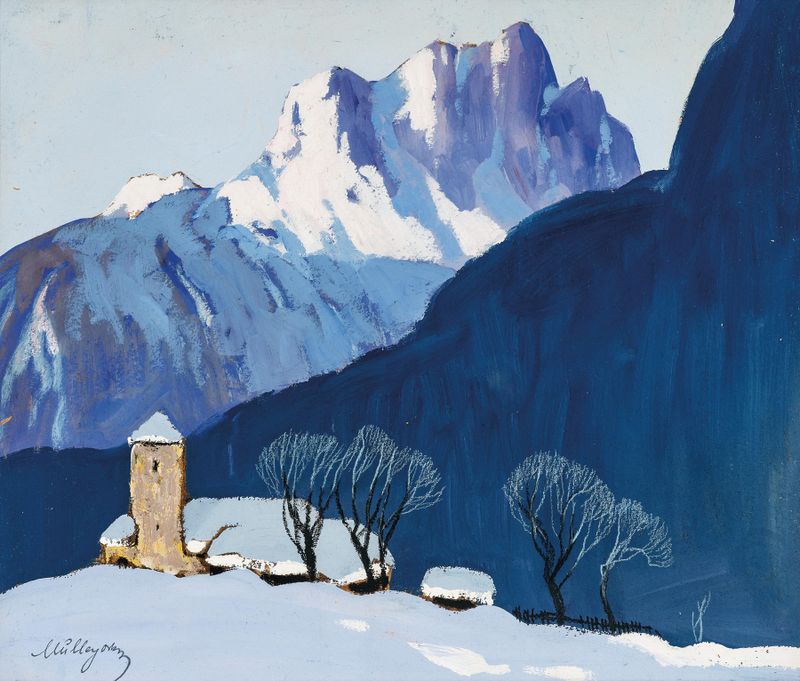
Winterlandschaft vor Bergkulisse
Oskar Mulley
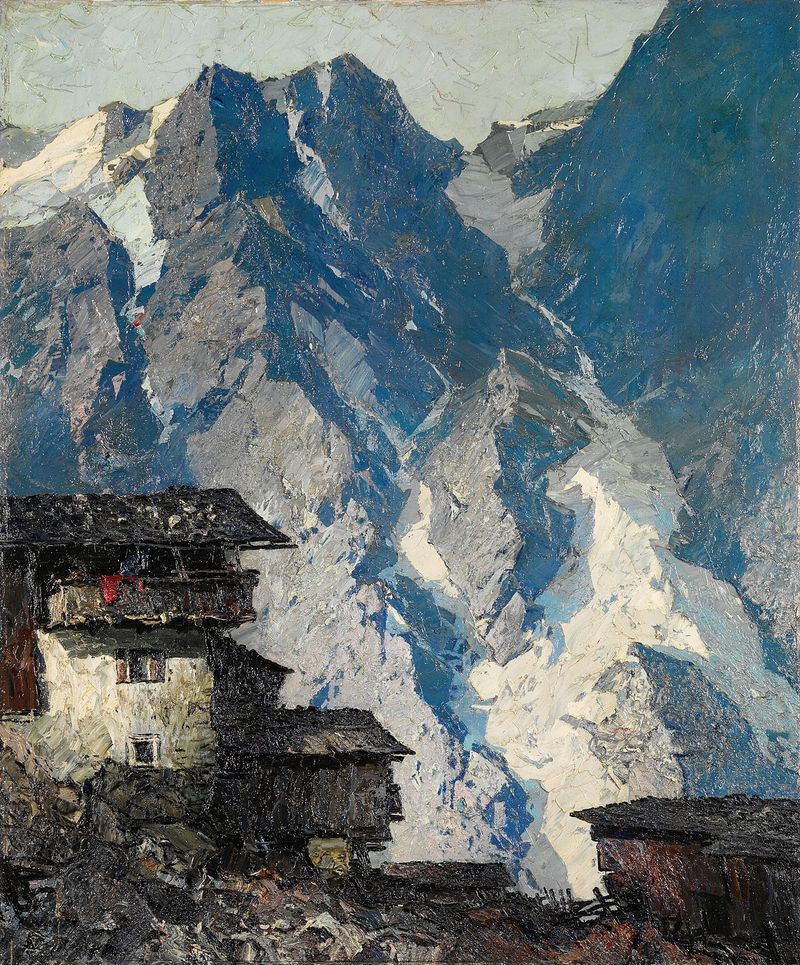
Berghof vor Gletscherlandschaft
Oskar Mulley
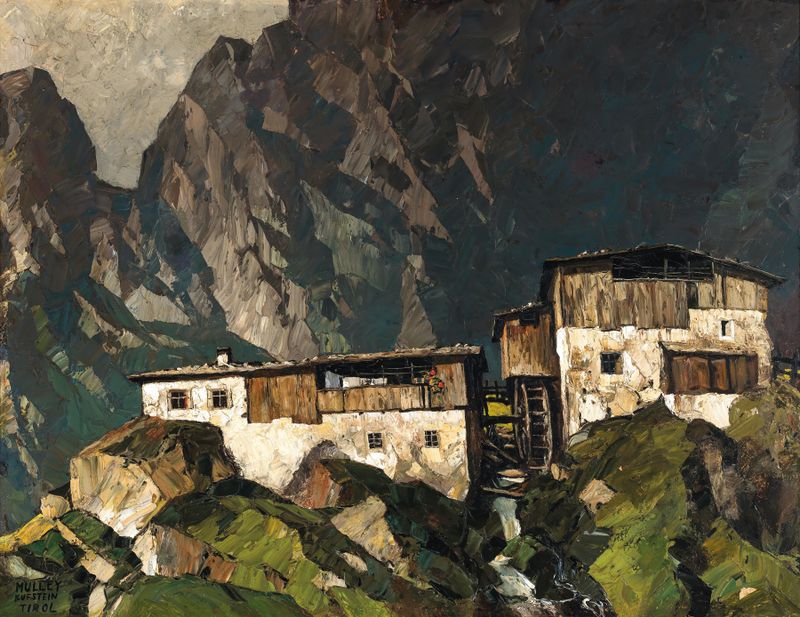
Farmhouse with mill
Oskar Mulley
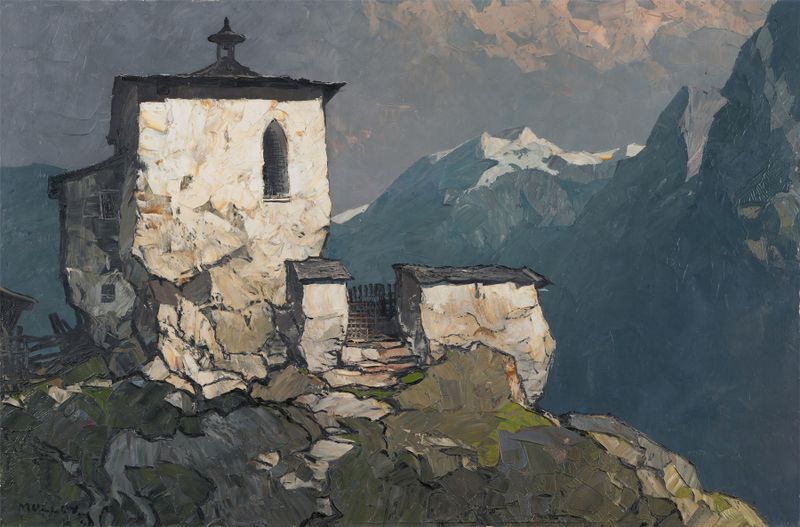
Bergkapelle
Oskar Mulley
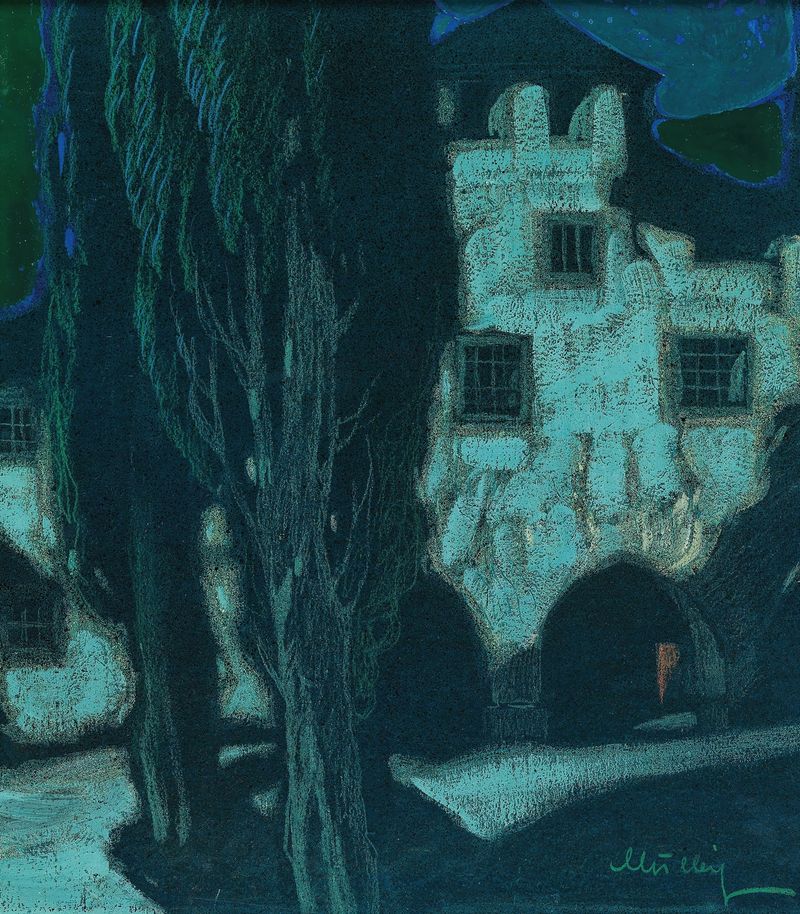
Mondnacht
Oskar Mulley
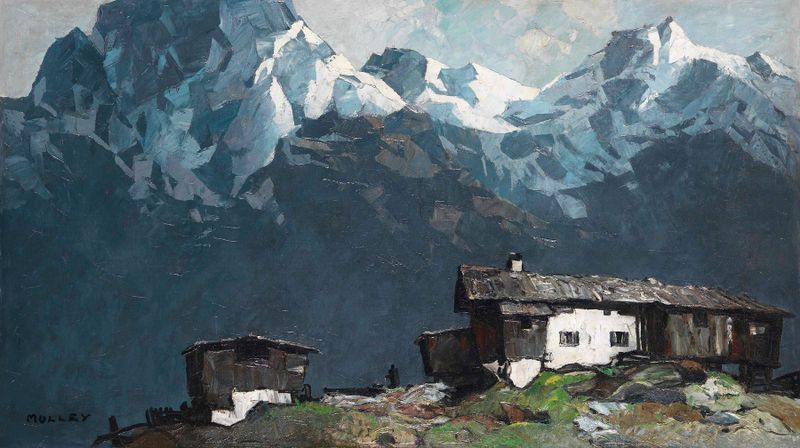
Bergbauernhof
Oskar Mulley





