
Bergweg am Fuß von Felsen, an der Biegung durch einen Lattenzaun begrenzt, iIm Vordergrund Hirten, Rinder und Schafe — History & Facts
What if silence could speak through light? In Bergweg am Fuß von Felsen, an der Biegung durch einen Lattenzaun begrenzt, im Vordergrund Hirten, Rinder und Schafe, the stillness of the landscape is imbued with a longing that reverberates like an echo through the valleys. Look to the left at the delicate play of light cascading over the rocky outcrop, illuminating the lush greens and browns of the pastoral scene. The meticulous detail of the herders and livestock invites your gaze to linger, revealing the intimate connection between man and nature. Notice how the warm tones of the earthy path contrast with the cool shadows cast by the fence, creating a visual dialogue that speaks to the harmony and tension inherent in rural life. The convergence of figures and animals suggests a shared existence, a unified desire for tranquility amid the rugged beauty.
The fence, though a boundary, becomes a symbol of connection — it frames the scene while inviting viewers to reflect on the delicate balance between freedom and confinement. Each element, from the grazing cattle to the watchful sheep, embodies a yearning for the simplicity and security of pastoral life, echoing deeper themes of belonging and aspiration. Wüest painted this work during a period when the Romantic movement was flourishing, capturing the essence of nature and humanity's place within it. Working in the 19th century, he was influenced by the desire to convey emotional depth through landscapes, a response to the rapid industrialization reshaping society.
His dedication to portraying idyllic rural scenes reflects both a nostalgia for the past and an introspection on the human spirit's connection to the natural world.
More Artworks by Johann Heinrich Wüest
Browse all →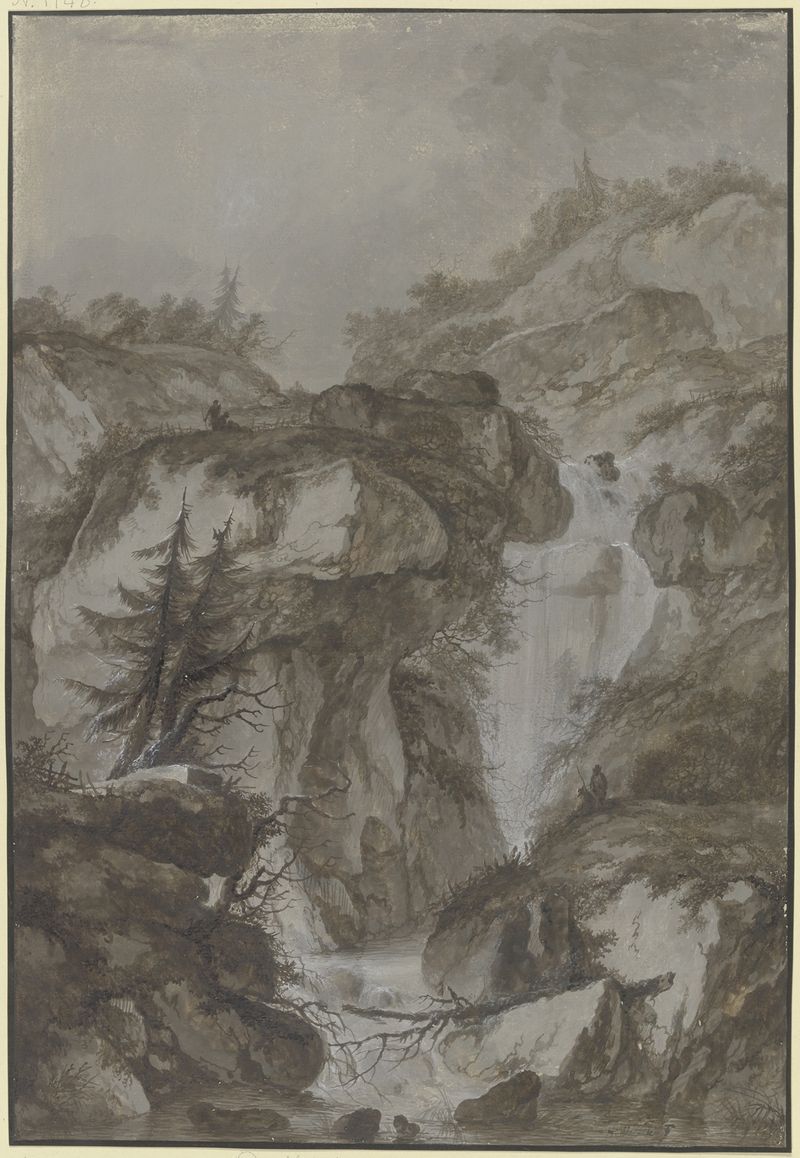
Gebirgsschlucht mit Wasserfall, angeblich der Handeckfall im Haßlital
Johann Heinrich Wüest
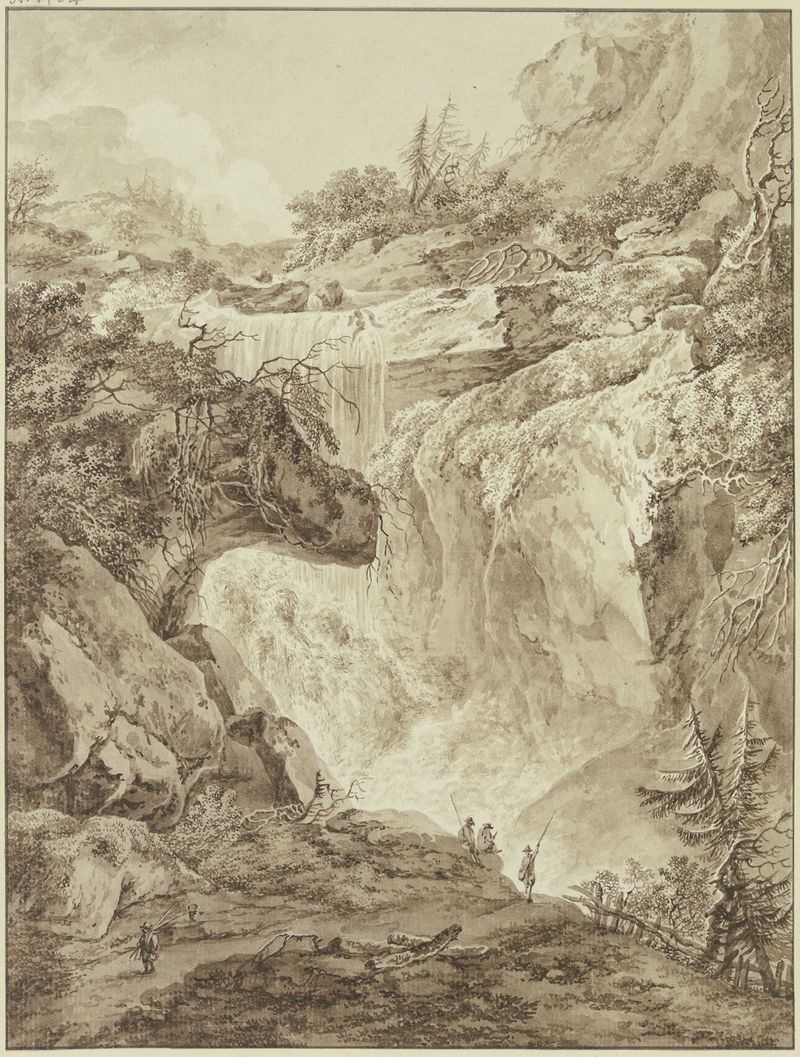
Wasserfall in einer Gebirgsschlucht, im Vordergrund vier Angler
Johann Heinrich Wüest
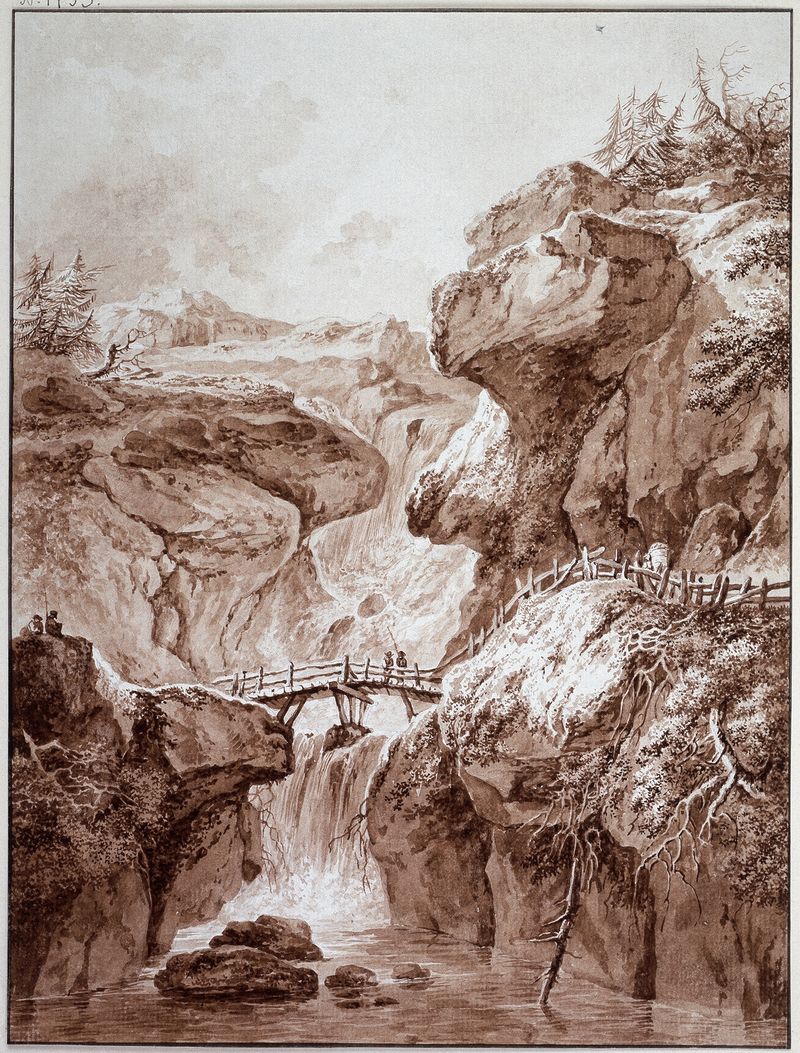
Wasserfall in einer Felsenschlucht
Johann Heinrich Wüest

Mittelgebirgslandschaft mit Bach, rechts Viehherde
Johann Heinrich Wüest
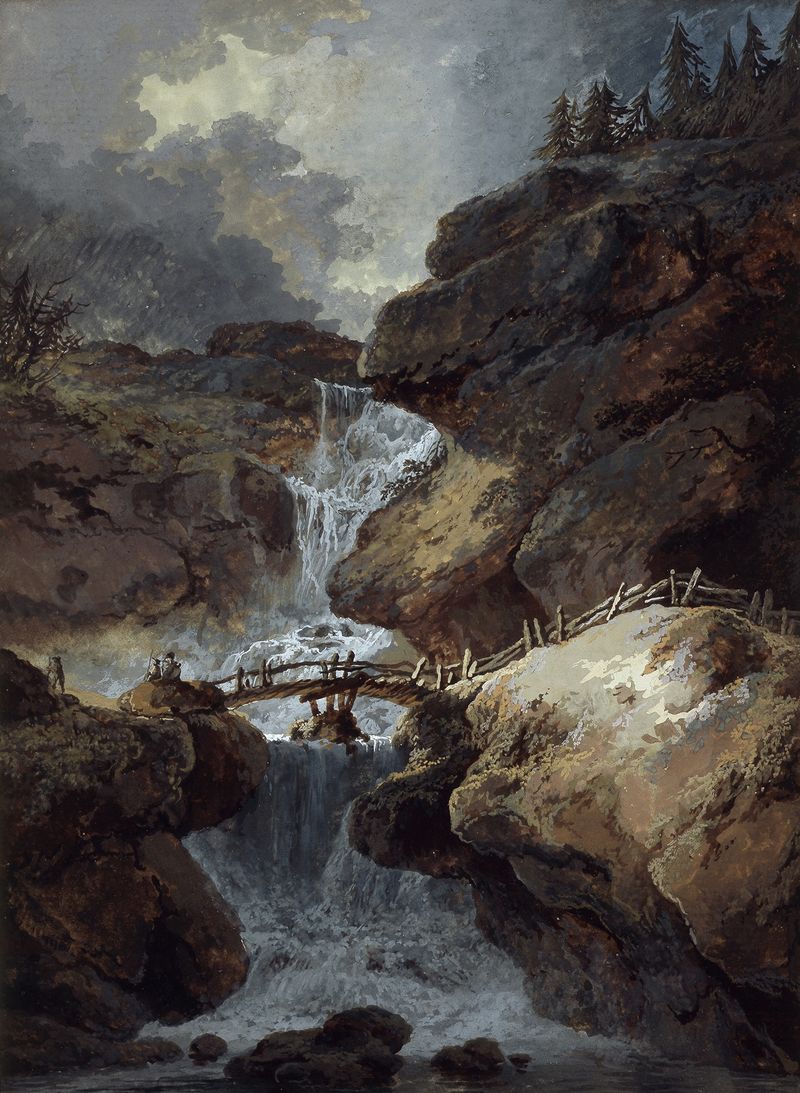
Wasserfall in einer Felsenschlucht bei Gewitterstimmung
Johann Heinrich Wüest
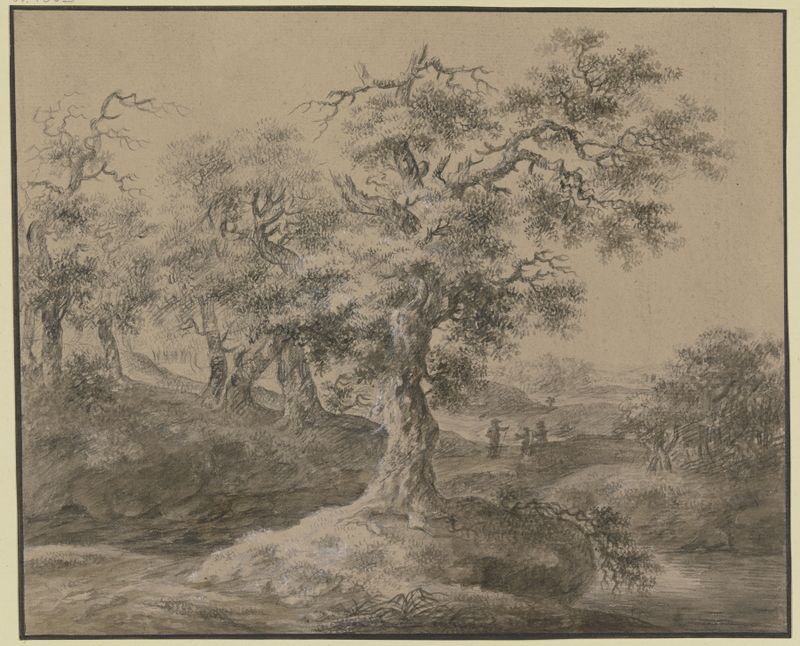
Eichenwald, am Weg eine rastende Familie
Johann Heinrich Wüest

Hügellandschaft mit Ausblick in weite Ferne, vorne am Weg rastende Hirten mit ihrer Herde und wandernde Bauern
Johann Heinrich Wüest
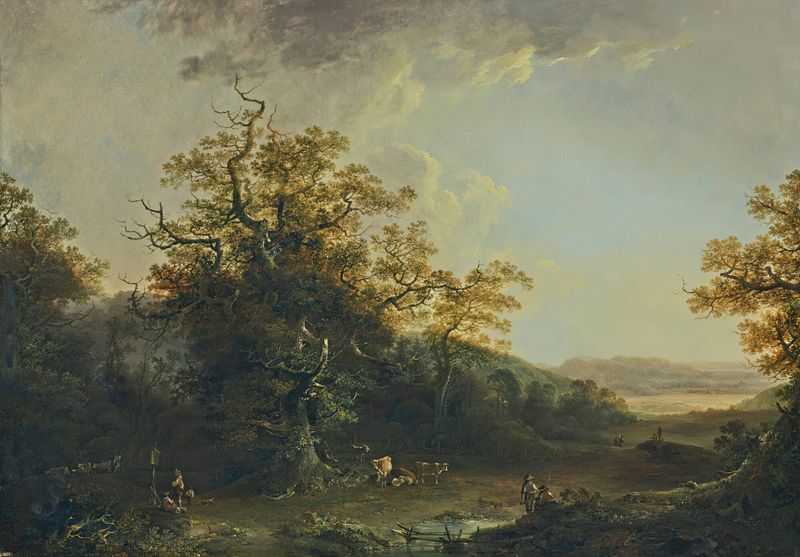
Landschaft Mit Fischern, Hirten Und Vieh
Johann Heinrich Wüest
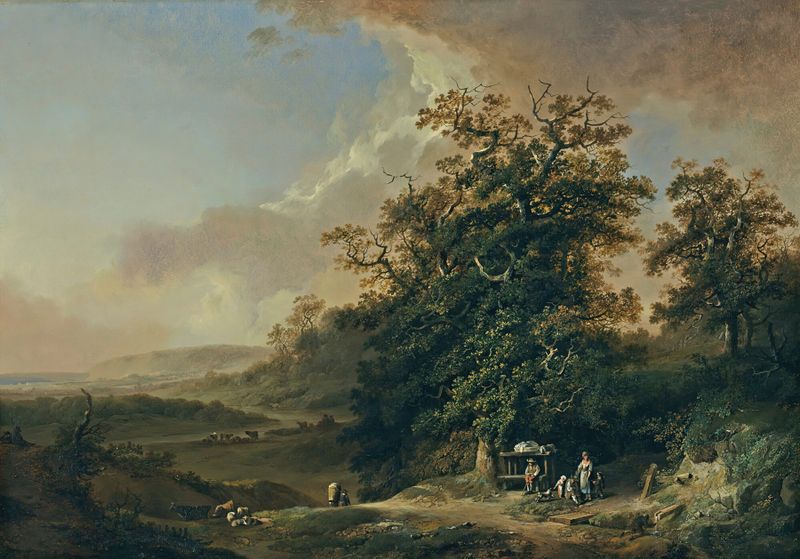
Landschaft Mit Reisenden An Einem Flussufer
Johann Heinrich Wüest





