
Wasserfall in einer Felsenschlucht bei Gewitterstimmung — History & Facts
When did color learn to lie? Memories are often painted in hues that distort the truth, and in this work, those distortions evoke both beauty and turmoil. Focus on the interplay of deep greens and shadowy grays swirling across the canvas, as if nature itself is caught between calm and chaos. Look closely at the waterfall, its tumultuous descent depicted with vigorous brushstrokes that create a sense of movement, drawing your eye to where the water crashes against the rocks. Notice the jagged cliffs that frame the scene, their somber tones contrasting with the vibrant splashes of white and blue, an emotional tension that speaks of both violence and serenity in nature. In this painting, the contrast between light and dark reflects the duality of memory, capturing the fleeting nature of happiness amidst the storm.
Subtle details, like the mist rising from the waterfall, symbolize the ephemeral quality of recollection, while the darkened sky looms overhead, suggesting a past that is fraught with anxiety. This juxtaposition invites viewers to ponder the complex layers of their own memories—beauty intertwined with despair, clarity shadowed by doubt. Johann Heinrich Wüest created Wasserfall in einer Felsenschlucht bei Gewitterstimmung during an undisclosed period, likely influenced by the Romantic movement, which emphasized the sublime aspects of nature. At that time, nature was seen as a source of inspiration and reflection, mirroring the artist's own emotional landscape.
Wüest's focus on dramatic landscapes and the tumult of nature resonated with a broader artistic shift towards expressing personal and emotional experiences through vivid imagery.
More Artworks by Johann Heinrich Wüest
Browse all →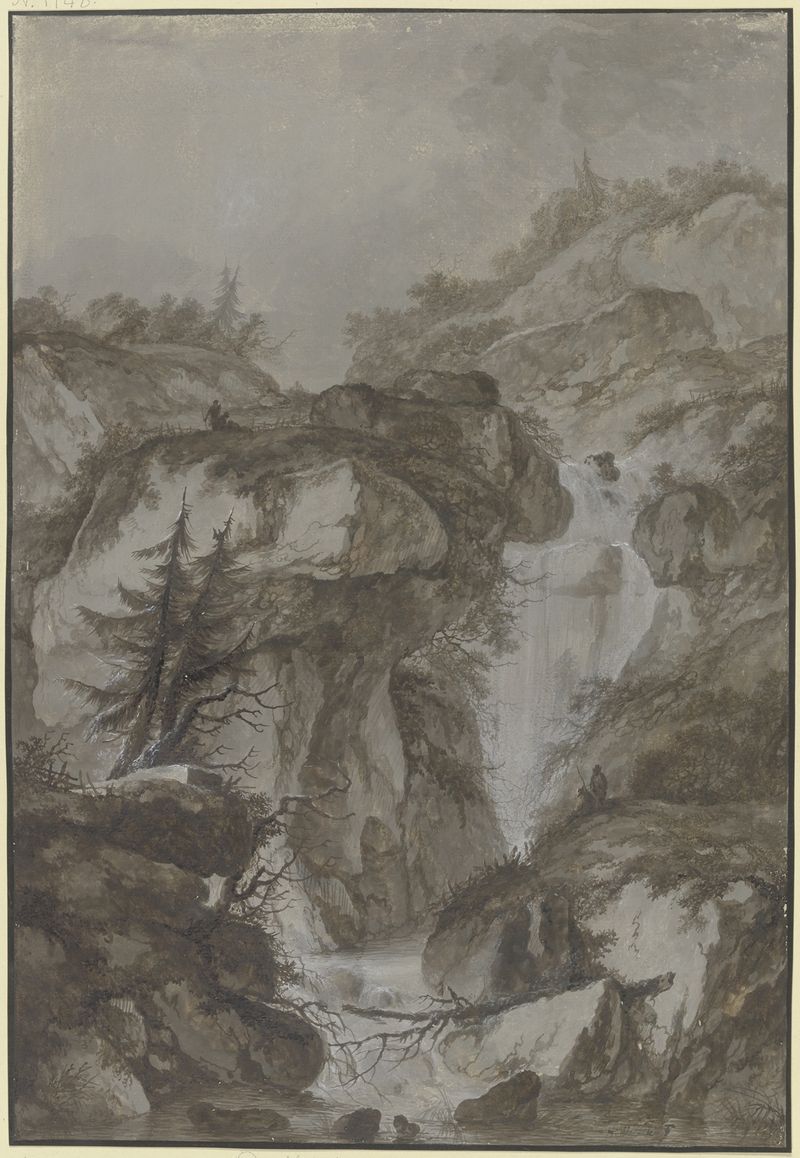
Gebirgsschlucht mit Wasserfall, angeblich der Handeckfall im Haßlital
Johann Heinrich Wüest
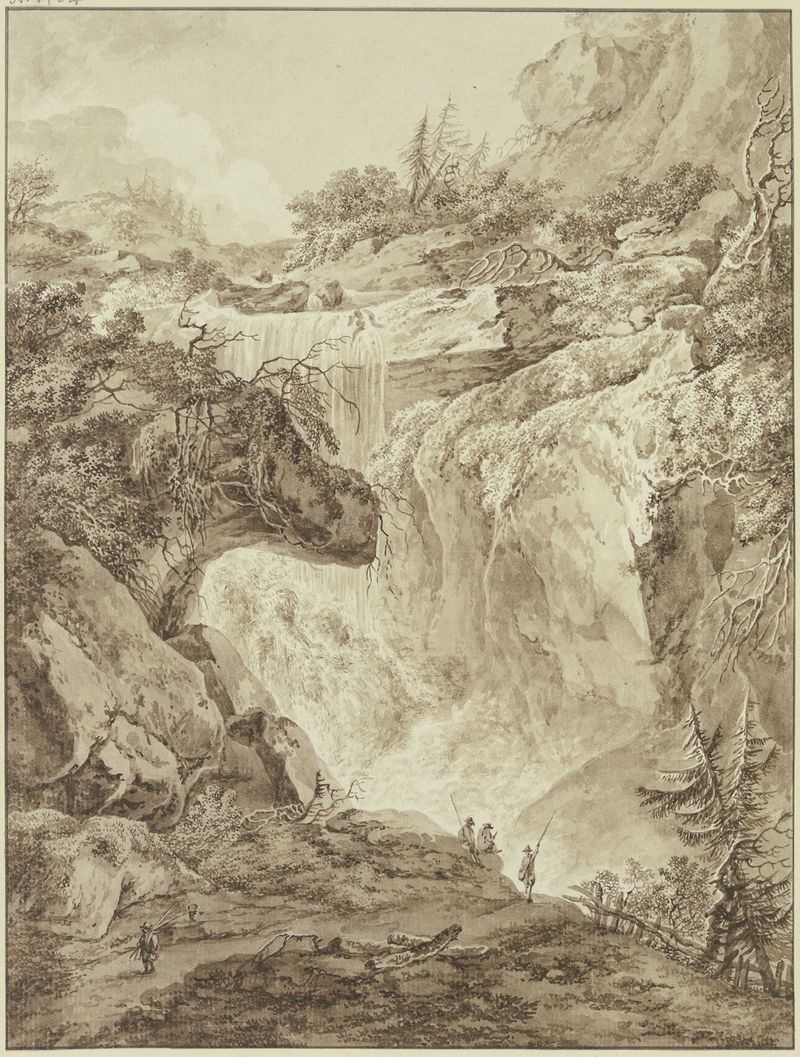
Wasserfall in einer Gebirgsschlucht, im Vordergrund vier Angler
Johann Heinrich Wüest
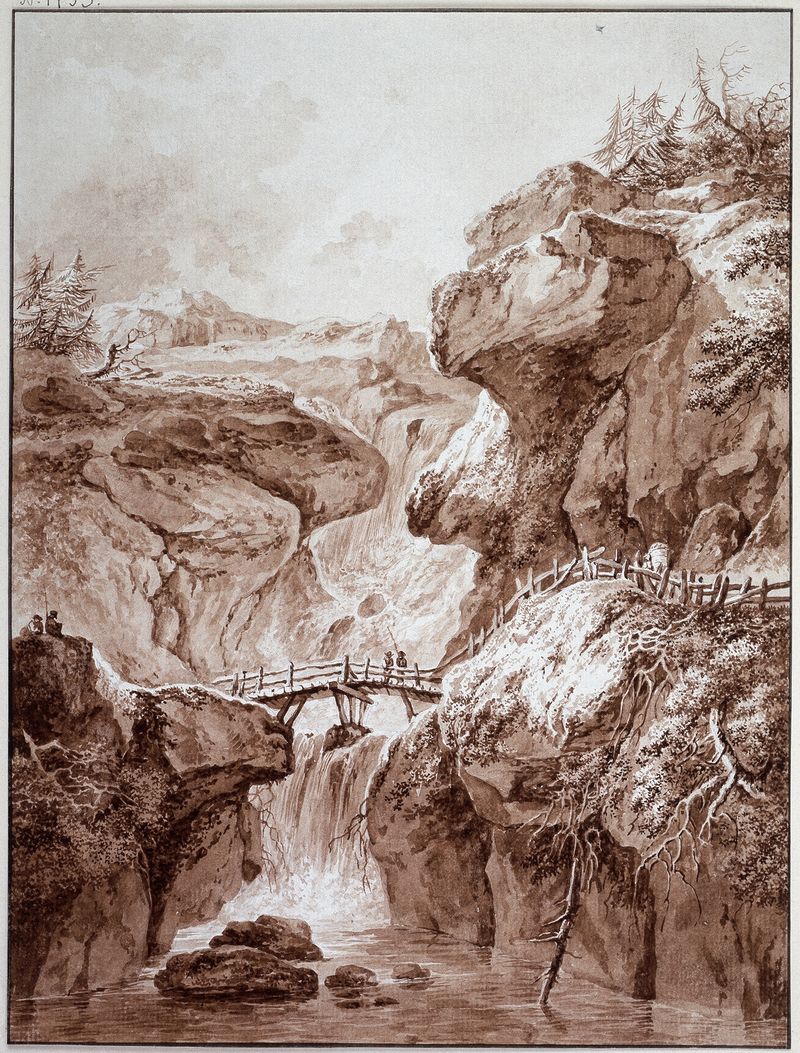
Wasserfall in einer Felsenschlucht
Johann Heinrich Wüest

Mittelgebirgslandschaft mit Bach, rechts Viehherde
Johann Heinrich Wüest
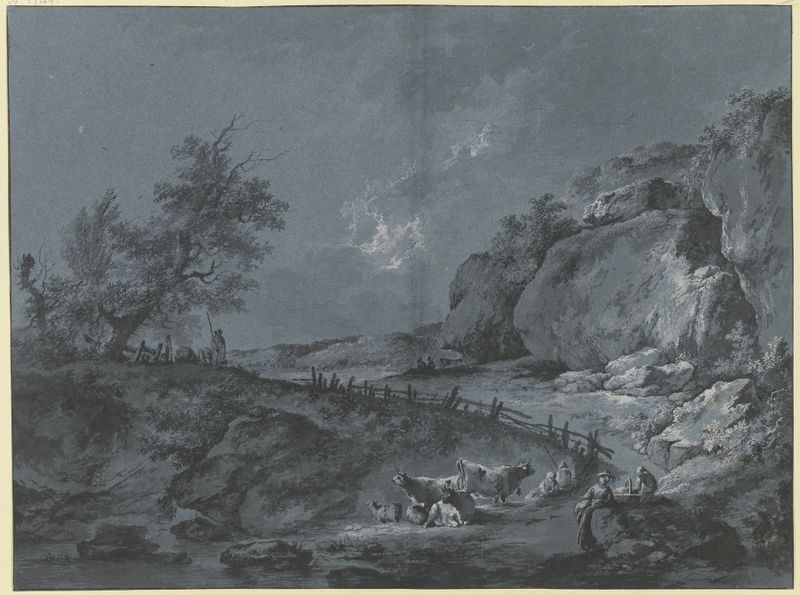
Bergweg am Fuß von Felsen, an der Biegung durch einen Lattenzaun begrenzt, iIm Vordergrund Hirten, Rinder und Schafe
Johann Heinrich Wüest
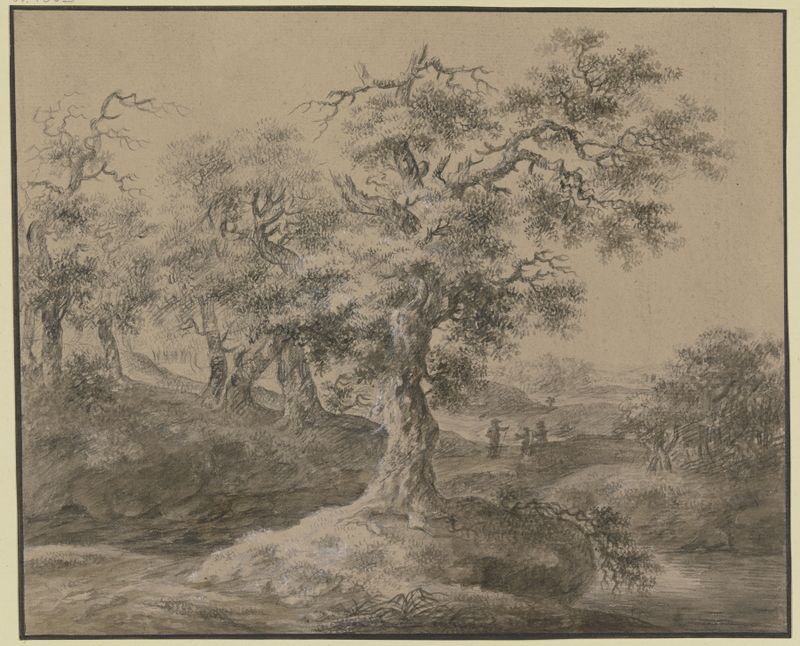
Eichenwald, am Weg eine rastende Familie
Johann Heinrich Wüest

Hügellandschaft mit Ausblick in weite Ferne, vorne am Weg rastende Hirten mit ihrer Herde und wandernde Bauern
Johann Heinrich Wüest
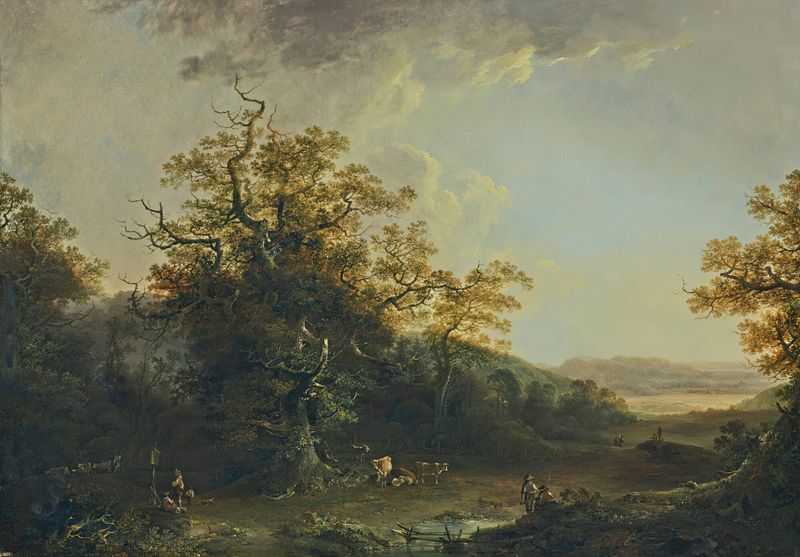
Landschaft Mit Fischern, Hirten Und Vieh
Johann Heinrich Wüest
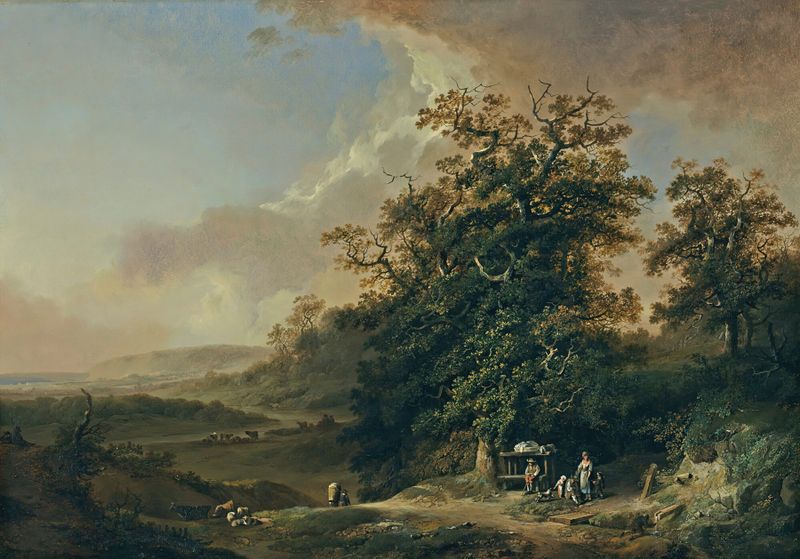
Landschaft Mit Reisenden An Einem Flussufer
Johann Heinrich Wüest





